





Carved Ceramic Vase Lamp
A carved ceramic vase lamp brings historic pottery into modern interiors, offering soft illumination through converted porcelain.
Carved Ceramic Vase Lamp
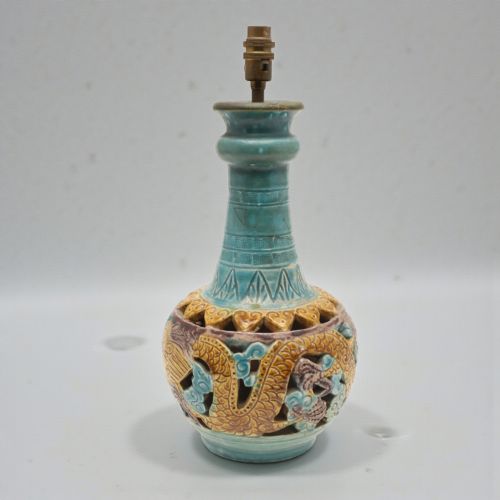
A carved ceramic vase lamp takes a historic vessel and converts it for domestic lighting. These pieces merge traditional oriental ceramics with functional electric wiring.
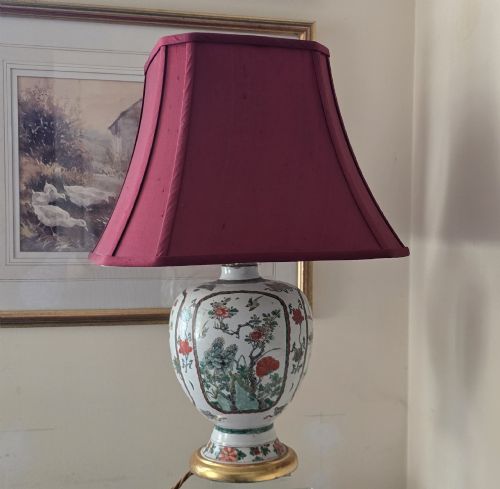
The versions most frequently met on this page originate from nineteenth century China, spanning various imperial and export styles. Makers adapted baluster vases and monochrome vessels into practical table lamps.
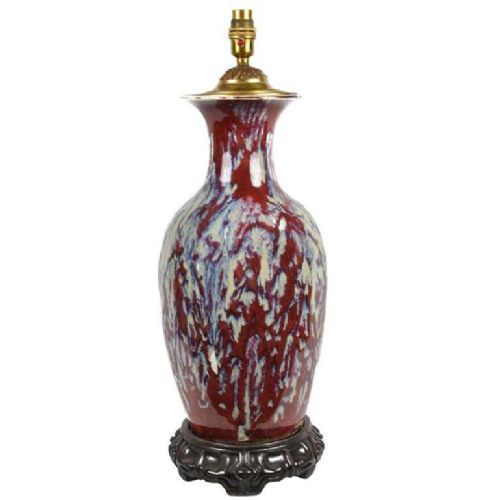
Forms include celadon, blue and white, and monochrome glazes such as sang de boeuf. Each item retains the silhouette of its original ceramic purpose while serving as a room centrepiece.
Materials and construction
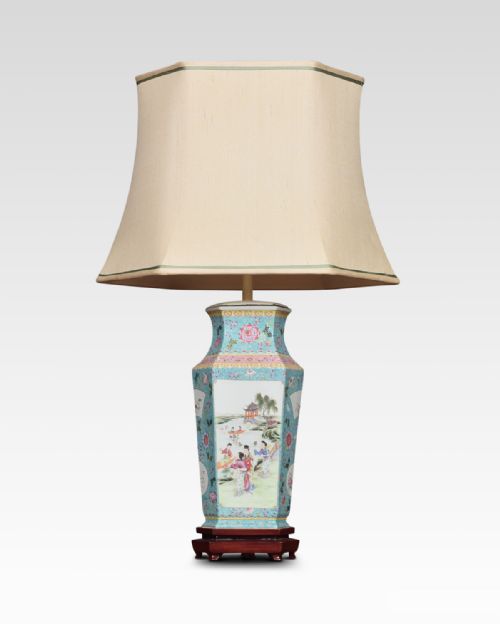
Potters shaped porcelain on the wheel or in moulds before applying intricate carved details and glazes. Artisans utilised techniques ranging from delicate celadon incisions to vibrant famille rose enamels.
Subsequent mounting involved securing the ceramic body to brass, wood, or gilt wood bases to ensure stability. Silk and fabric shades often complete the assembly, paired with electrical components added during later conversion.
Carved Ceramic Vase Lamp Retail Price Guide 2026
Typical asking prices for carved ceramic vase lamp among the pieces listed under this phrase on Sellingantiques today, from the lower quarter to the upper quarter. They describe what is for sale here now, not the wider market.
Materials documented across the page include porcelain, glazed ceramic, marble, gilt wood, brass, and silk.
Quality factors in ceramic lamps
Superior examples display crisp carving beneath even, luminous glazes like sang de boeuf or celadon. The finesse of the original porcelain body and the complexity of the painted or incised surface define the upper tier.
Mounting quality also distinguishes the range. Solid brass or carved wooden bases that complement the ceramic proportions without damaging the antique vessel indicate thoughtful conversion work.
The Carved Ceramic Vase Lamp Glossary
- Celadon
- A pale green glaze developed in China, prized for its jade-like appearance. It often covers subtly incised floral or geometric motifs.
- Baluster form
- A vase shape characterised by a rounded body, a narrow neck, and a flared rim. This silhouette provides a stable base for lamp conversion.
- Sang de boeuf
- A rich, deep red copper glaze with mottled variations. The translation means ox-blood, referring to the striking crimson hue.
- Famille rose
- A palette of opaque enamels introduced in the eighteenth century, dominated by pink hues. It decorates many export porcelain pieces.
- Fahua type
- A style of Chinese ceramics featuring slip-raised outlines that form compartments for coloured glazes. This technique creates a distinctive textured surface.
Carved Ceramic Vase Lamp: Frequently Asked Questions
Are these lamps converted from old vases?
Most of these pieces started life as nineteenth century Chinese porcelain vessels before being fitted for electricity.
The conversion process preserves the antique ceramic body while adapting it for modern home use.
How do I date a ceramic vase lamp?
Dating relies on examining the characteristics of the porcelain body, the glaze type, and any visible carving styles.
Nineteenth century examples often display specific regional palettes like famille rose or celadon green.
Where should I place a vase lamp?
These lamps suit sideboards, console tables, or desks where their height and decorative glaze can be appreciated.
Pair them with complementary fabric or silk shades to balance the substantial ceramic base.
What maintenance do these lamps require?
Dust the porcelain and carved sections gently with a dry or slightly damp soft cloth.
Avoid harsh chemical cleaners that might affect the historic glaze or the brass and wooden mountings.