
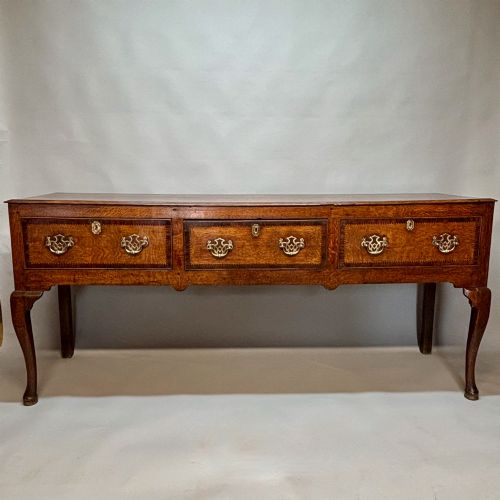
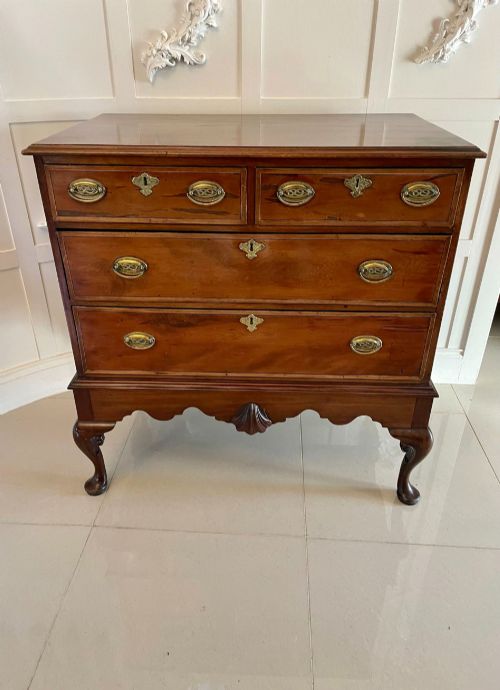
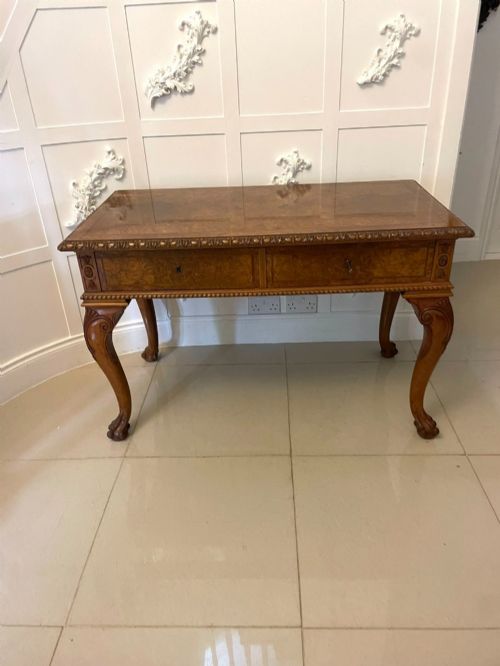

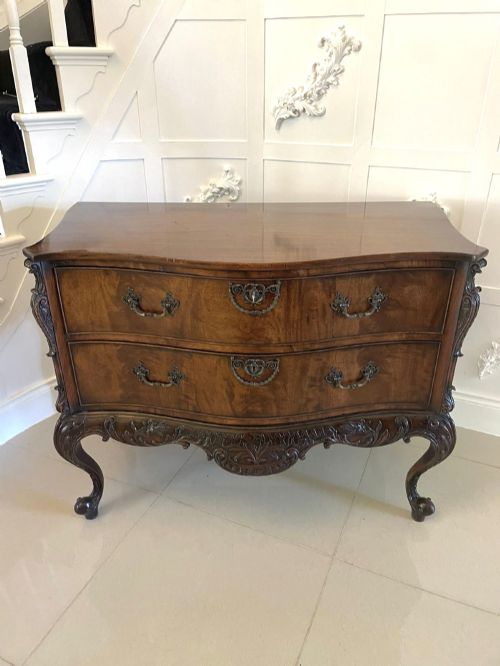
Carved Cabriole Drawers
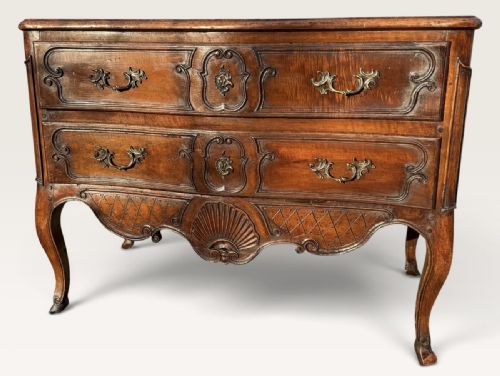
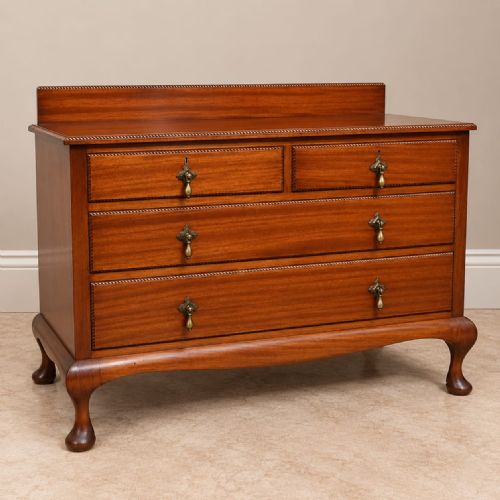
These carved cabriole drawers bring together sculpted legs and useful storage from walnut, oak, and mahogany across several centuries.
Carved Cabriole Drawers
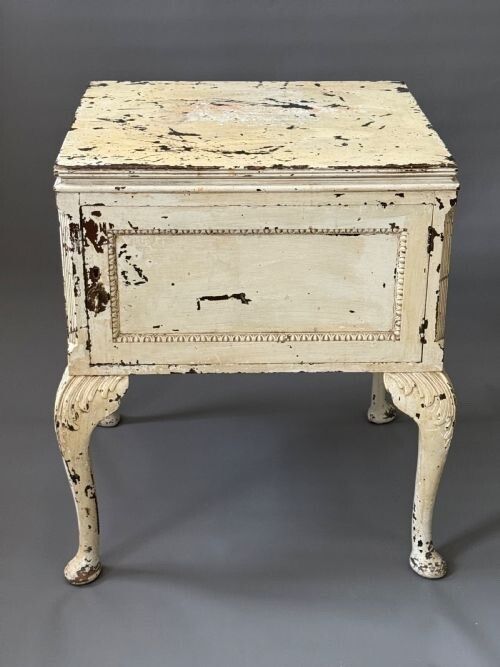
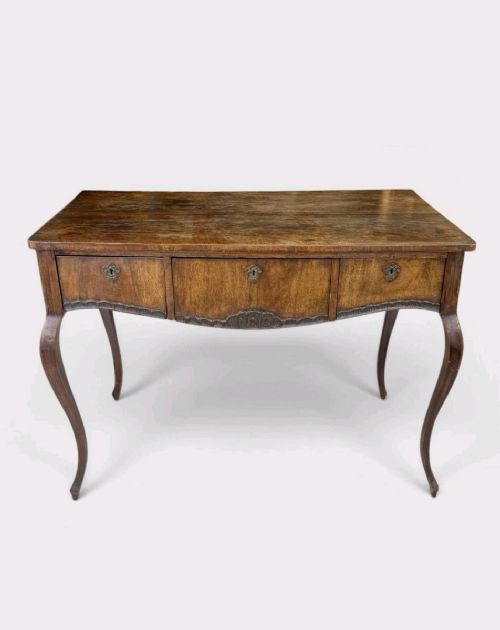
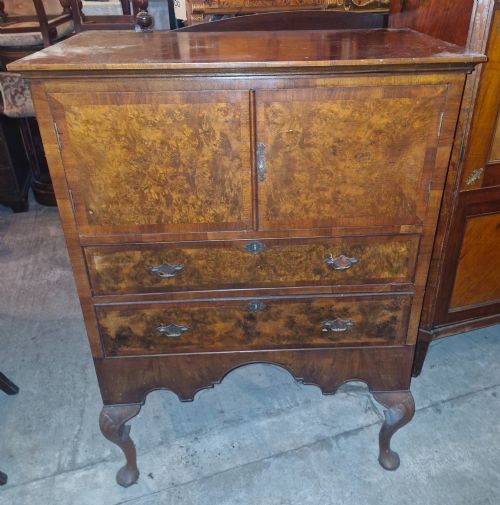
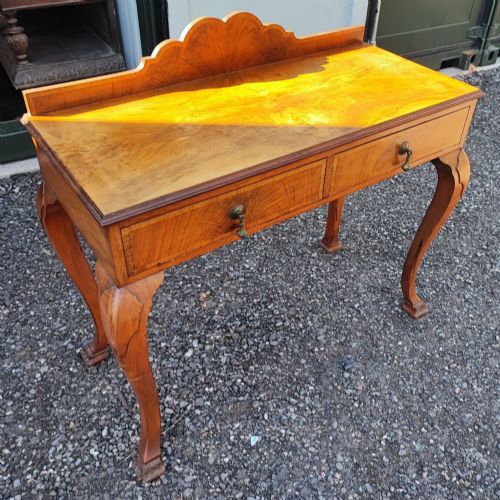
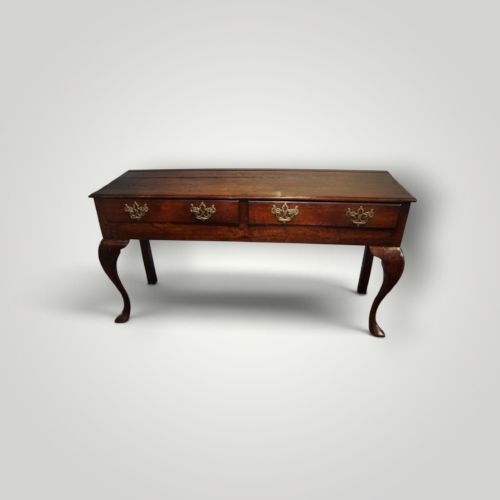
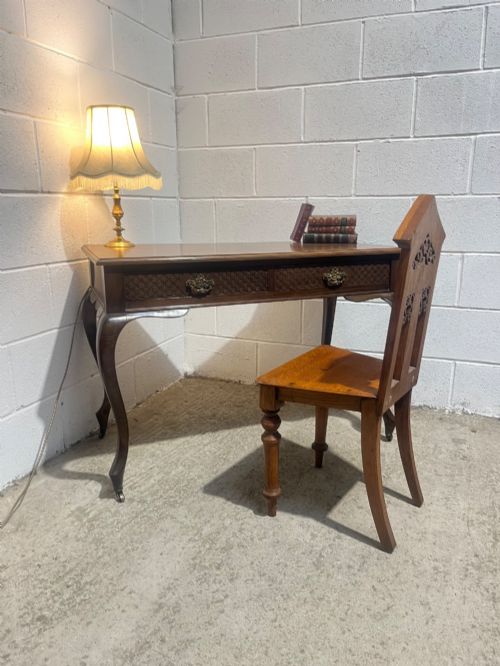
When you search for carved cabriole drawers, you encounter a variety of forms including chests of drawers, side tables, lowboys, and desks. These pieces incorporate storage drawers raised on distinctive curved legs, drawing on periods from the eighteenth century through to the early twentieth century.
The versions you meet most frequently on this page span the Georgian era, the Victorian period, and revival styles up to 1930. They appear in forms such as bedside cabinets, console tables, and dresser bases alongside standard chests.
Makers and workshops utilised timbers like walnut, burr walnut, oak, and mahogany to build these items. The combination of functional drawer space and curved support defines the group across diverse regional traditions.
How they were made
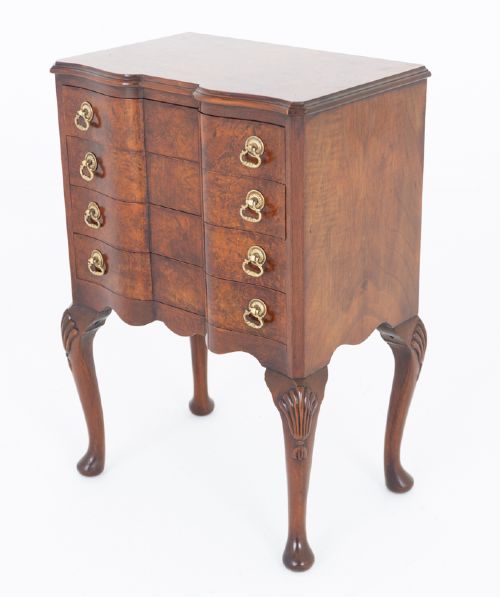
Cabinet makers constructed these pieces using solid timbers alongside veneers, applying burr walnut and flame mahogany to visible surfaces to create patterned grain effects. They paired these woods with oak and other structural timbers for drawer linings and internal framing.
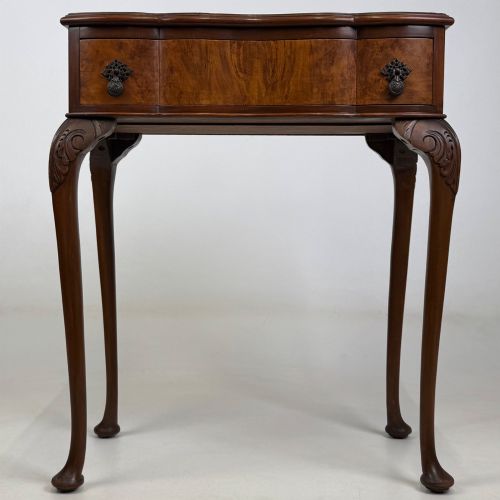
Legs were shaped by cutting and carving solid timber to form the characteristic double curve of the cabriole profile, sometimes incorporating carved knees or feet. Brass handles, escutcheons, and leather writing inserts were added to complete the functioning furniture.
Some bedside cabinets arrive in matching pairs, proving that even small tables appreciate company.
What varies in quality
The distinction between tiers of quality rests on the selection of timber figures and the crispness of the carving on the legs and drawer fronts. Pieces featuring matched burr walnut veneers or detailed hand carving display a higher standard of craftsmanship than plain or mechanically produced equivalents.
Construction methods also set examples apart, with precision in dovetail joints and the integrity of internal drawer framing indicating superior workshops. The retention of original brass hardware and untouched surface patination further separates the finer survivals.
Gillows·Gill & Reigate
The Carved Cabriole Drawers Glossary
- Cabriole leg
- A furniture leg that curves outward at the knee and inward at the ankle, mimicking animal legs. This form originated in antiquity and gained prominence in European furniture during the eighteenth century.
- Burr walnut
- A wood harvested from walnut tree growths that produces intricate, swirling grain patterns. Cabinet makers prized this material for veneering high-status surfaces.
- Lowboy
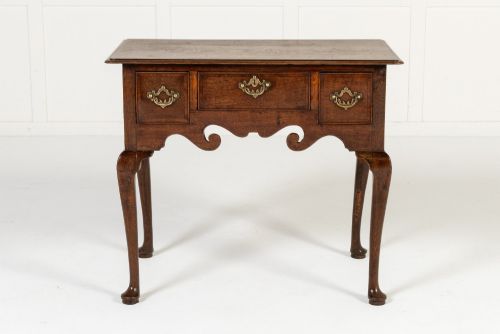
- A small oak or walnut table with one or more tiers of drawers, standing on four legs. These items served various domestic functions from the late seventeenth century onward.
- Serpentine front
- A furniture front curved in a concave-convex-concave shape, creating a gentle wave effect. This design appeared frequently on eighteenth-century commodes and later revival chests.
Carved Cabriole Drawers: Frequently Asked Questions
What periods do these pieces date from?
The selection spans from the eighteenth century up to the 1930s, encompassing Georgian, Victorian, Edwardian, and various revival phases.
Craftsmen produced these drawer units across multiple centuries, adapting earlier design motifs during later manufacturing periods.
Which woods appear most often?
Walnut, burr walnut, oak, and mahogany form the primary materials visible across the listed items.
Cabinet makers also incorporated brass hardware and leather inserts on specific writing and desk surfaces.
How were lowboys used originally?
These small tables provided surface space and drawer storage in domestic rooms, often functioning as dressing tables or side servers.
Their compact proportions allowed placement in bedrooms and parlours where larger furniture would not fit.