
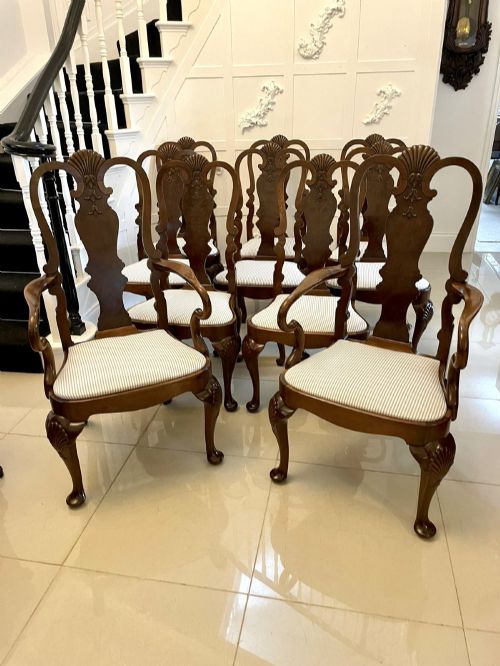
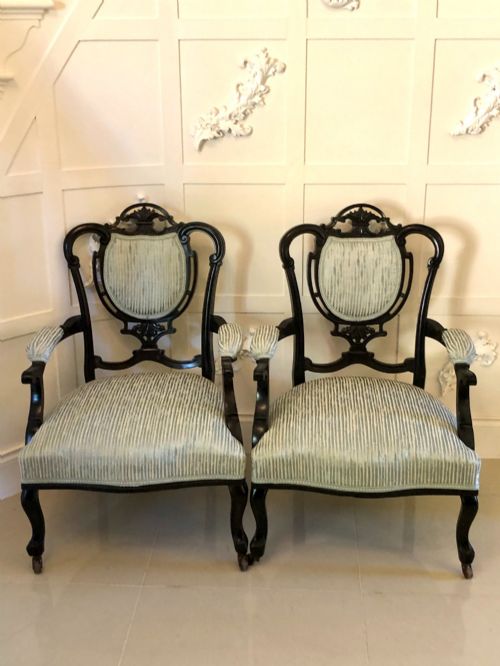
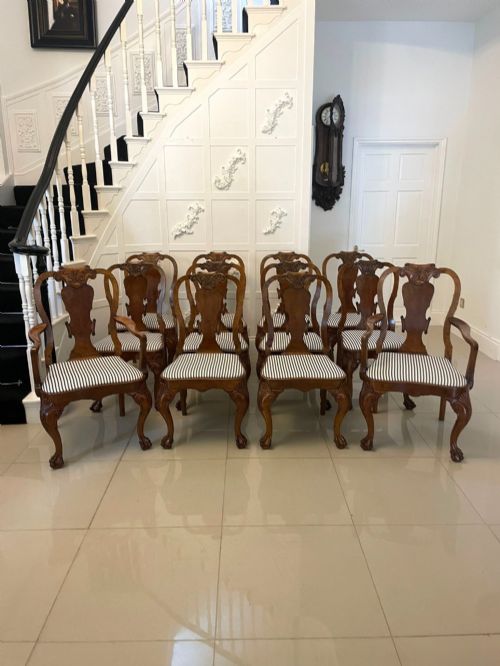
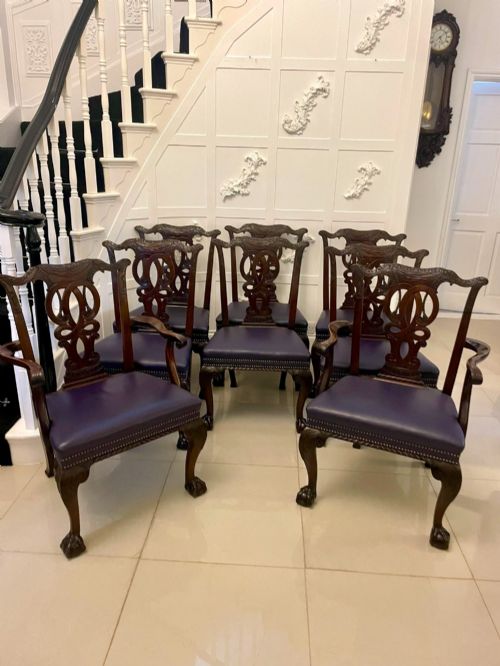
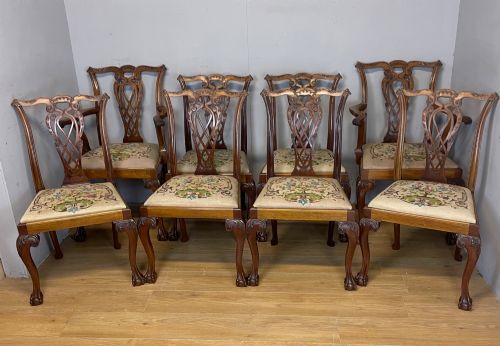
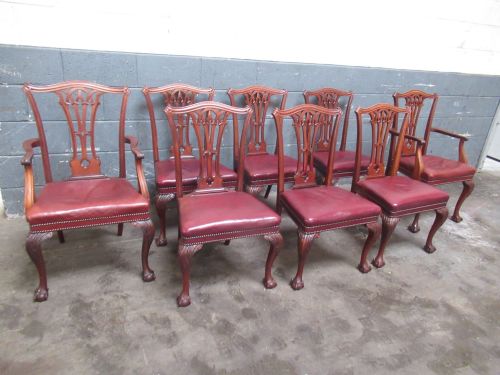
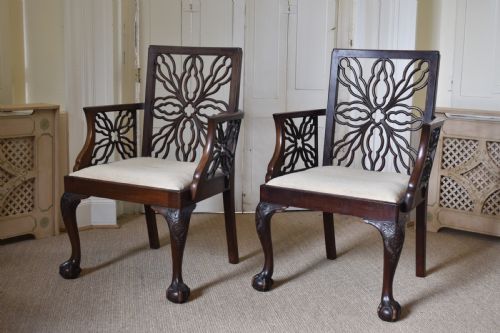
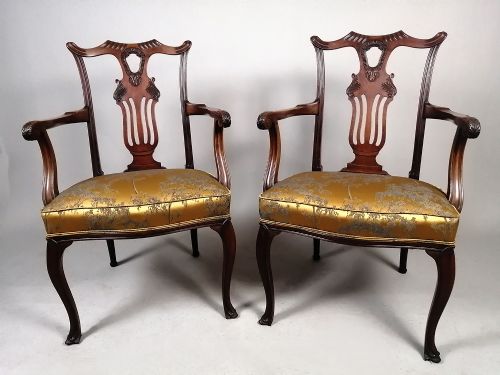
Carved Cabriole Carver Chairs
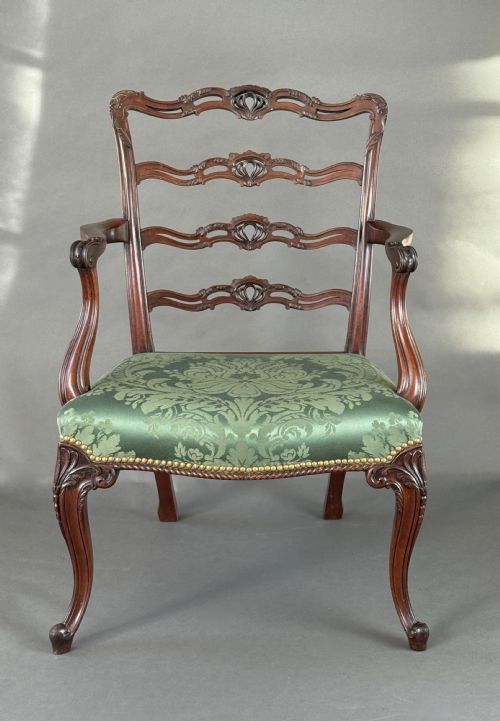
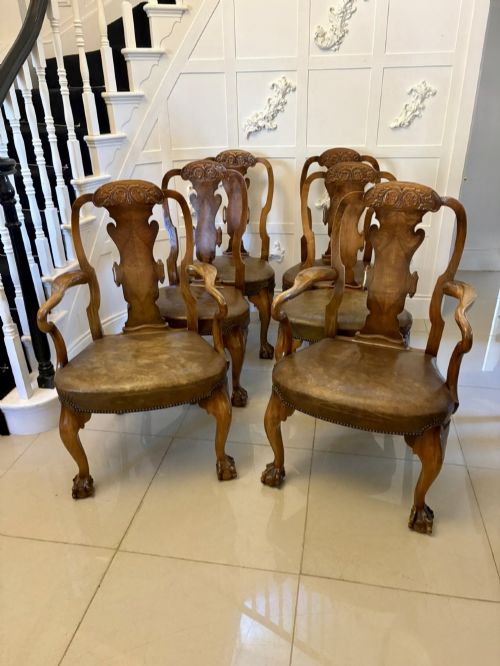
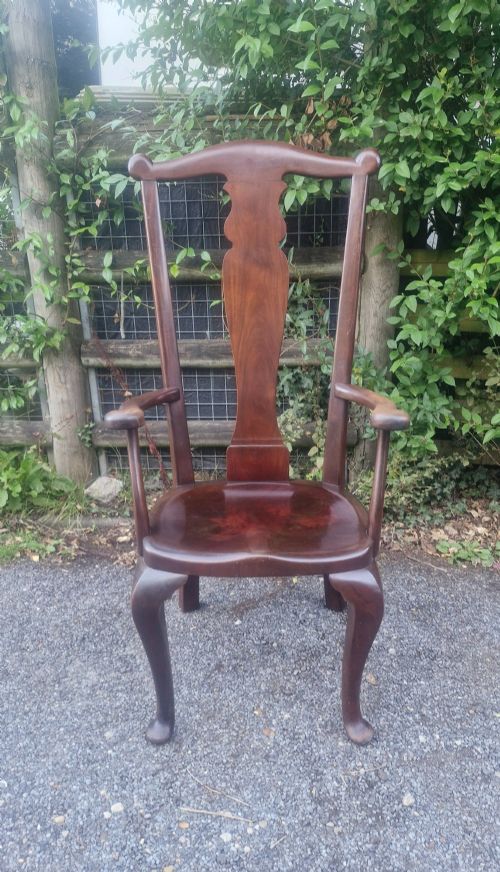
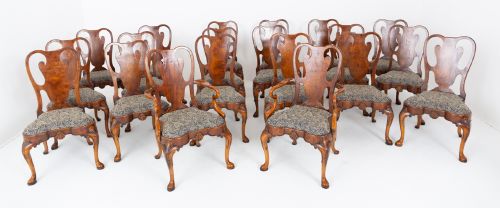
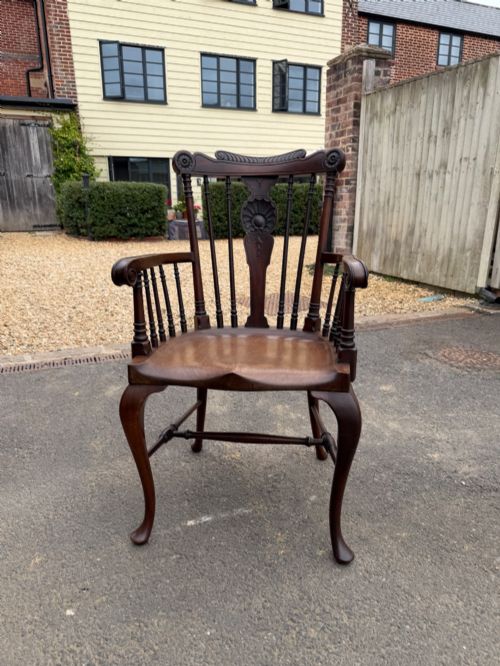
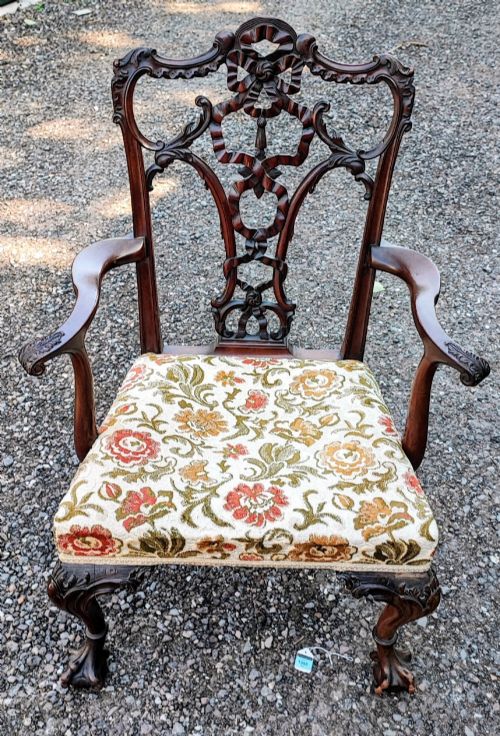
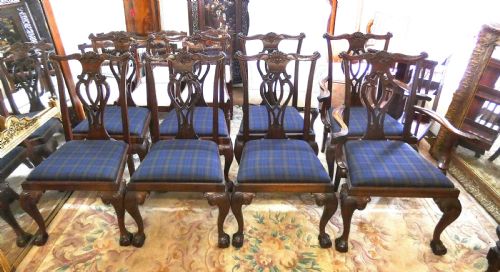
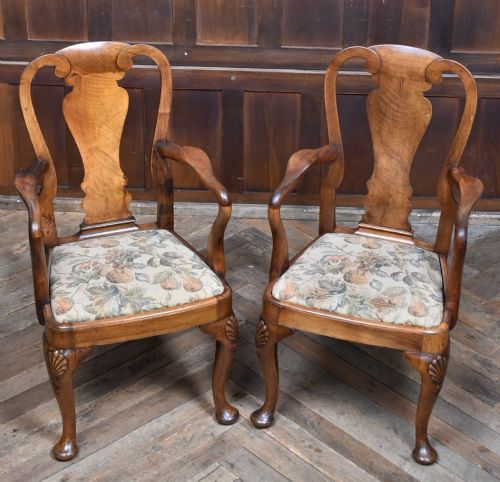
These carved cabriole carver chairs offer robust timber frames and sculpted legs that anchor a room with period distinction.
Carved Cabriole Carver Chairs
When you search for carved cabriole carver chairs, you encounter seating built primarily as dining chairs, armchairs, and desk chairs. These pieces originate from various eras, including the eighteenth century alongside nineteenth-century Victorian pieces and later revival iterations.
The dominant forms you will meet on this page rely on mahogany and walnut timber frames. Makers constructed these carvers with distinctive curved legs ending in feet, paired with open arms intended to accommodate formal dining or desk work.
Examples range from authentic eighteenth-century Scottish and Italian workshop output to later revival sets spanning the Victorian and Edwardian decades. Buyers frequently select these forms to provide substantial seating around large dining tables or executive desks.
How they were made
Craftsmen shaped these seating frames from dense hardwoods, predominantly mahogany and walnut, though oak and elm also appear in the record. Timber selection dictated the structural integrity of the curved legs and the crispness of the hand-carved details.
Upholstery techniques utilised traditional materials including fabric, leather, velvet, brass tacks, and tapestry to pad the drop-in or fixed seats. Joinery relied on time-tested tenons and dowels to withstand daily weight distribution without weakening the arm supports.
Elm carvers occasionally hide eccentric grain patterns beneath dark wax, surviving centuries of family dinners.
What varies in quality
The standard of carving defines the distinction between standard workshop output and exceptional cabinet work. Sharp relief work on the knees of the cabriole legs and detailed execution on the top rails separate superior examples from plain production.
Timber selection and grain figure also drive the hierarchy of worth, particularly in burr walnut and dense mahogany framing. Original surface patination and intact structural joinery maintain the integrity of the piece far better than heavily refinished surfaces.
Warings
The Carved Cabriole Carver Chairs Glossary
- Cabriole leg
- A furniture leg that bends outward at the knee and tapers inward toward the ankle, mimicking animal limbs. This design gained prominence during the eighteenth century and returned in later revival periods.
- Carver chair
- An armchair designed to match a set of smaller dining chairs, traditionally utilised by the head of the table. These chairs feature open arms built to accommodate bulkier period clothing.
- Chippendale style
- A decorative design inspired by eighteenth-century cabinet maker Thomas Chippendale, characterised by ribbon-backed chairs and intricate carving. Revival versions appeared frequently during the Victorian and Edwardian eras.
- Ball and claw foot
- A furniture foot depicting a bird's talon grasping a ball, carved directly at the base of the leg. This motif frequently appears on mahogany dining chairs from the eighteenth century onward.
- Elbow chair
- An alternative term for an armchair or carver featuring low armrests designed to support the arms. These pieces function well at desks or as subsidiary seating in reception rooms.
Carved Cabriole Carver Chairs: Frequently Asked Questions
What is a carver chair?
A carver chair is an armchair built with open sides to match a set of smaller dining chairs. Historically, these seated the host at the head of the dining table.
Today, buyers utilise them as individual desk chairs or accent seating in reception rooms where arm support is preferred.
Are these chairs suitable for daily dining?
These antique chairs were engineered for everyday household use from the eighteenth century onward. Their solid hardwood frames and robust joinery allow them to withstand regular sitting.
When fitted with sturdy upholstery or supportive webbing, they function reliably around modern dining tables.
How do I tell an original from a revival piece?
Original eighteenth-century pieces display period construction methods, timber oxidation, and hand-tooled joinery consistent with early workshop production. Revival pieces from the Victorian and Edwardian eras utilise machine assistance and later timber seasoning.
Examining the underside of the seat frame and the wear patterns on the feet usually clarifies the age of the piece.