
Carved Buffet Cabinet
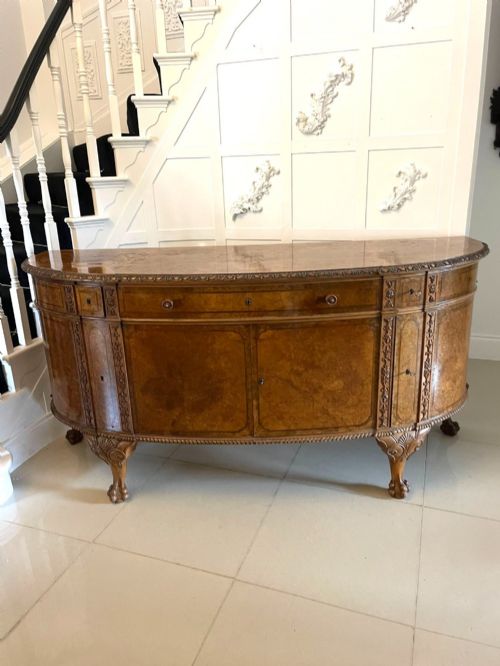
A carved buffet cabinet brings substantial storage and deep historical texture into a dining room or hallway.
Carved Buffet Cabinet
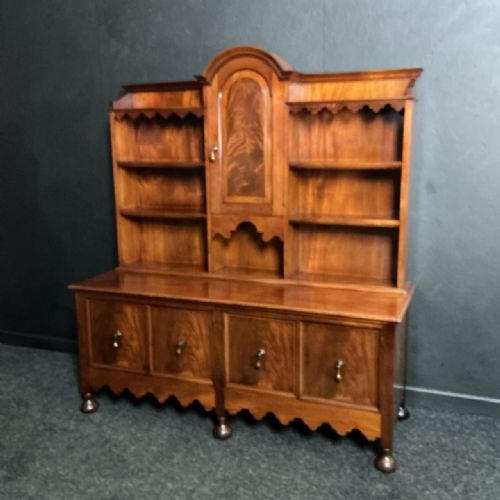
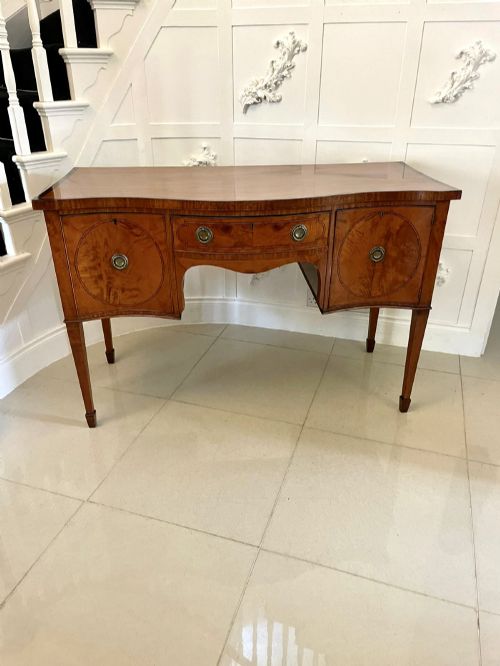
When you search for a carved buffet cabinet, you encounter heavy timber storage pieces designed for dining spaces, often catalogued alongside sideboards, credenzas, and servers. These pieces provide enclosed cupboards and drawers for serving ware and table linen, standing as functional focal points within a room.
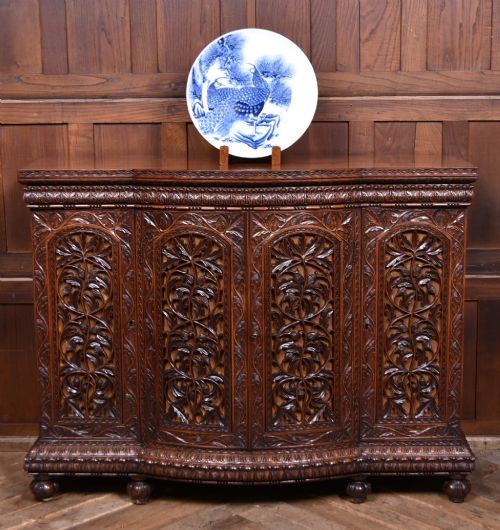
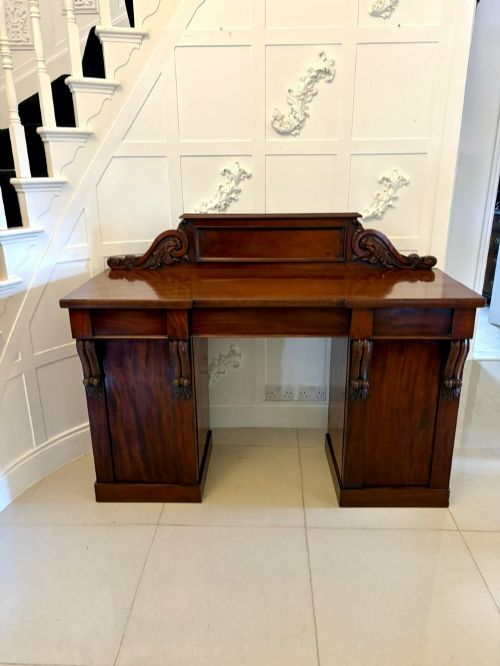
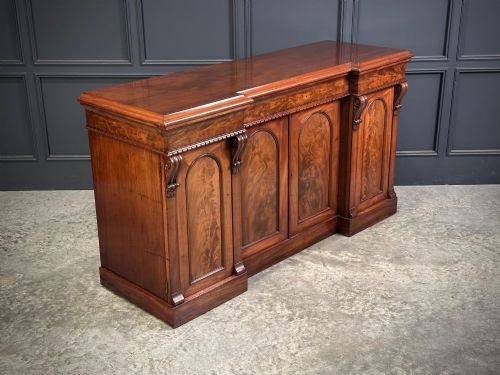
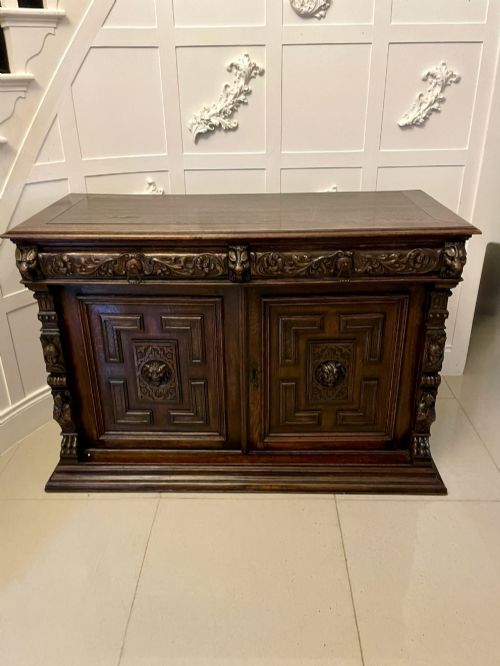
The versions most commonly met on this page span the Victorian and Edwardian eras, alongside robust nineteenth-century French regional examples. Oak and mahogany dominate the selection, frequently decorated with deep relief carvings reflecting Gothic Revival, Jacobean, or French provincial tastes.
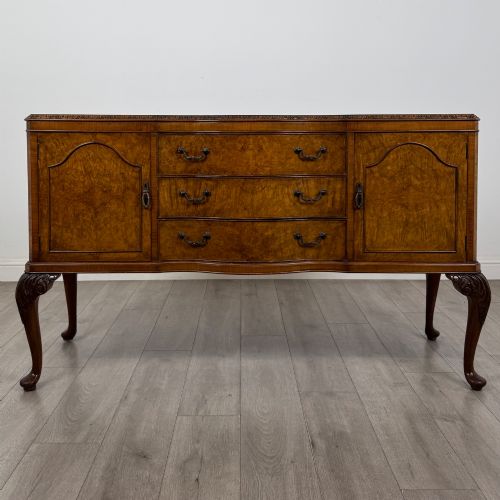
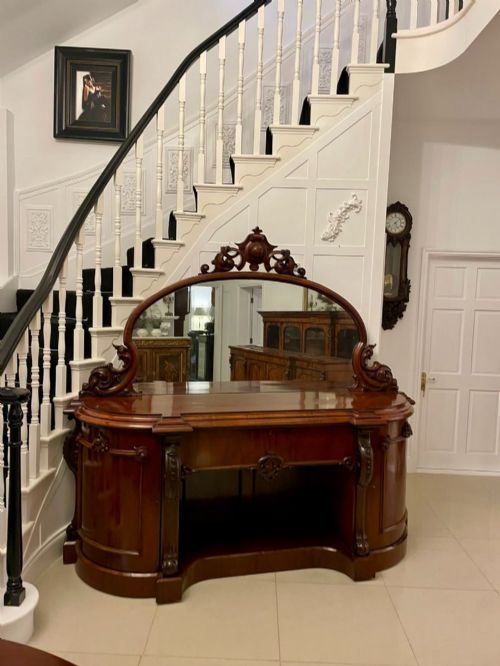
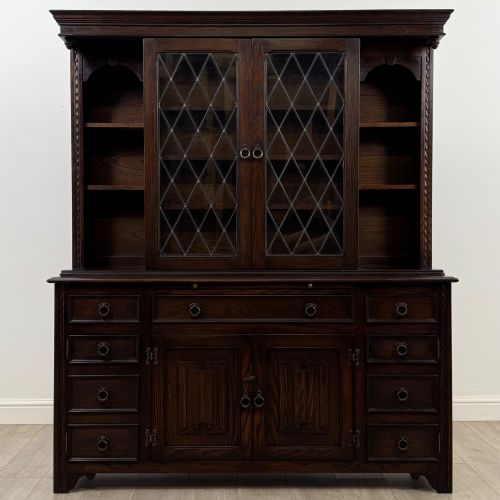
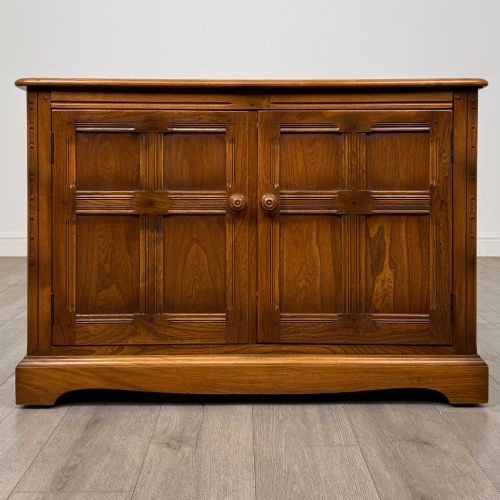
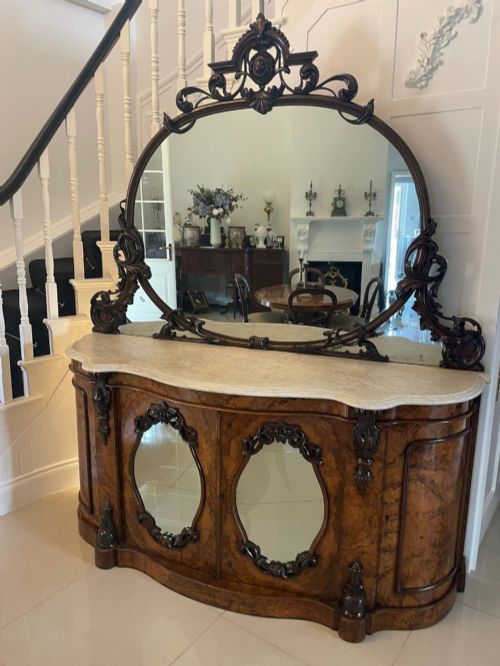
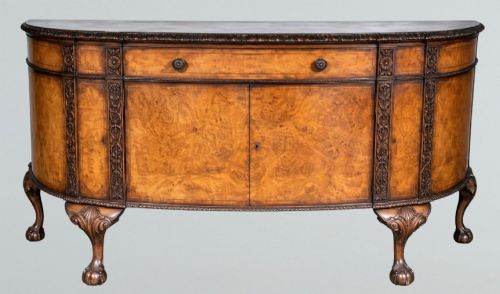
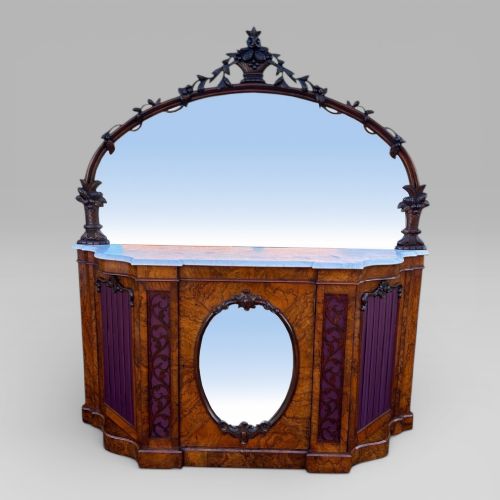
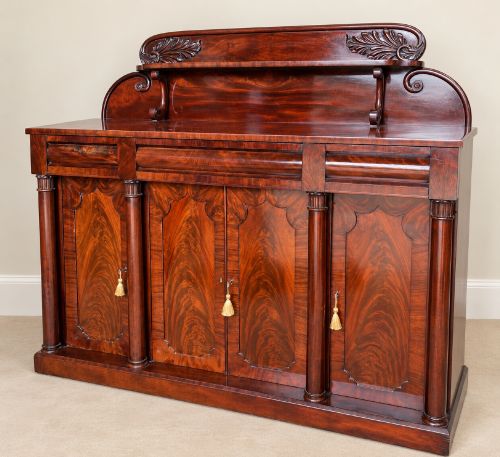
Formations range from long bow-fronted servers to tall court cupboards and mirror-backed credenzas. A buyer finds both straightforward utility in golden oak Edwardian models and elaborate ornamentation in mid-nineteenth-century burr walnut creations.
Materials and Construction
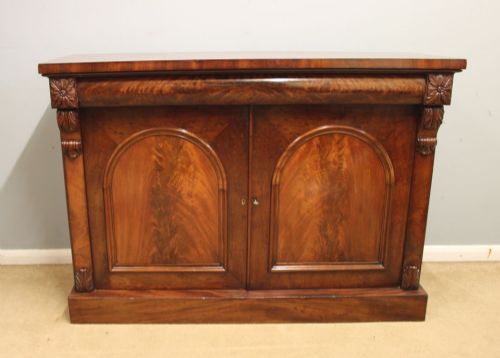
Cabinet makers relied primarily on solid oak, mahogany, and walnut, often applying burr walnut or flame mahogany veneers to drawer fronts and door panels to highlight rich grain patterns. Secondary timbers such as pine or deal were utilised for internal framing and drawer linings.
Structural embellishments relied heavily on hand carving, turning, and joinery techniques like mortise and tenon. Hardware typically included brass handles and escutcheons, while specific regional pieces incorporated inset marble tops or glazed display doors.
Listings feature items spanning the eighteenth, nineteenth, and twentieth centuries, utilising oak, mahogany, walnut, and brass.
Distinctions in Quality
The depth and crispness of the hand carving separate standard production pieces from finer examples. Superior cabinets exhibit undercut relief work and balanced symmetry executed by skilled artisans rather than shallow, mechanical stamping.
Material selection dictates much of the distinction at the upper end of the range. Figured timbers, book-matched veneers, and substantial solid stock maintain their structural integrity and visual depth far better than lesser utility pieces.
Ambrose Heal for Heal & Son
The Carved Buffet Cabinet Glossary
- Buffet
- A sideboard or cabinet used for storing and serving food and tableware. These pieces often feature a combination of drawers and lower cupboards.
- Credenza
- A dining room storage unit historically lacking legs, sitting low to the floor. Victorian iterations frequently incorporated an arched mirror back.
- Chiffonier
- A compact sideboard equipped with enclosed shelving beneath a smaller set of drawers or a raised superstructure. They gained popularity during the Regency and Victorian periods.
- Court Cupboard
- An antique enclosed storage piece featuring an upper and lower section, often supported by stout columns. These frequently date to the seventeenth and eighteenth centuries.
- Enfilade
- A long cabinet or sideboard featuring a succession of three or more doors in a continuous line. Originating in France, these pieces served grand dining interiors.
Carved Buffet Cabinet: Frequently Asked Questions
Where should I place a buffet cabinet?
These large storage units suit dining rooms, grand hallways, or spacious living areas where they provide both surface space and deep internal capacity. Their proportions require sufficient wall space to let the carved details and timber grain breathe without crowding the room.
Positioning them away from direct heat sources prevents the solid timbers and wood veneers from drying out and splitting over time. Pairing a mirror-backed version against a clear wall maximises its presence as a central room feature.
How do I care for antique wood?
Regular dusting with a dry, soft cloth keeps surface grime from settling into the deep grooves of the hand-carved panels. Applying a quality beeswax occasionally nourishes the timber and maintains a soft sheen without building up heavy chemical layers.
Avoid placing these cabinets in direct sunlight, which can fade rich mahogany and walnut tones. Maintaining steady indoor humidity levels also protects the structural joints and prevents warping in older oak and walnut boards.
What is the difference between a sideboard and a buffet?
While both terms describe dining room storage furniture, sideboards traditionally featured a longer, lower profile designed primarily for serving dishes. Buffets often incorporate more enclosed cupboard space and sometimes feature taller tiered upper sections or display shelving.
In historical listings, makers and retailers frequently used the terms interchangeably depending on regional terminology. The actual construction depends more on the specific period and stylistic influence than the assigned name.