

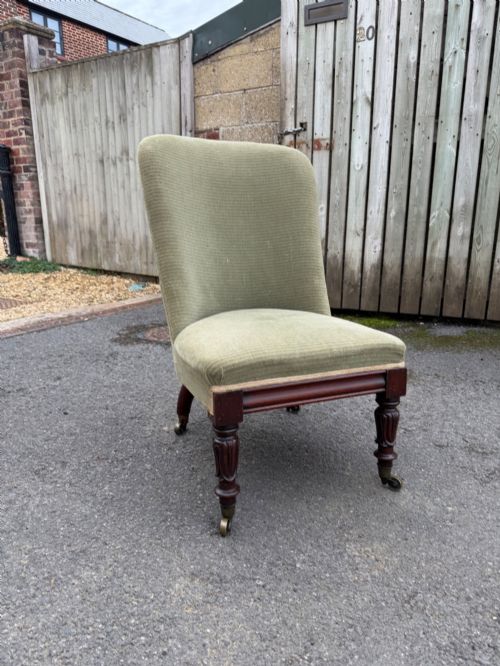
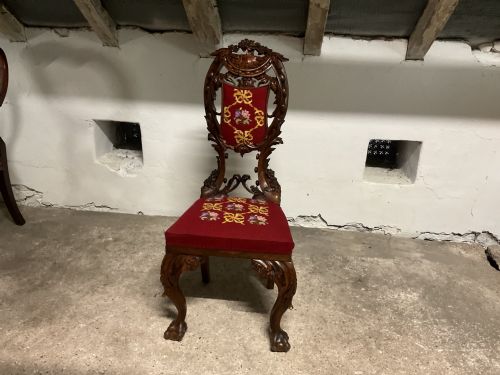
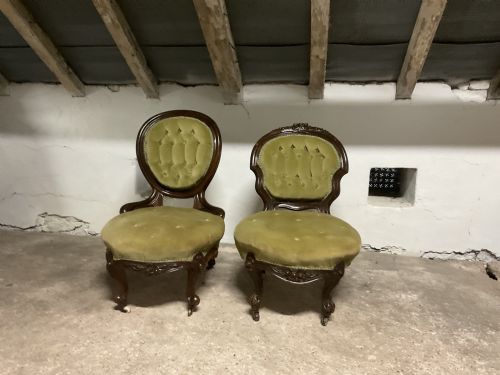
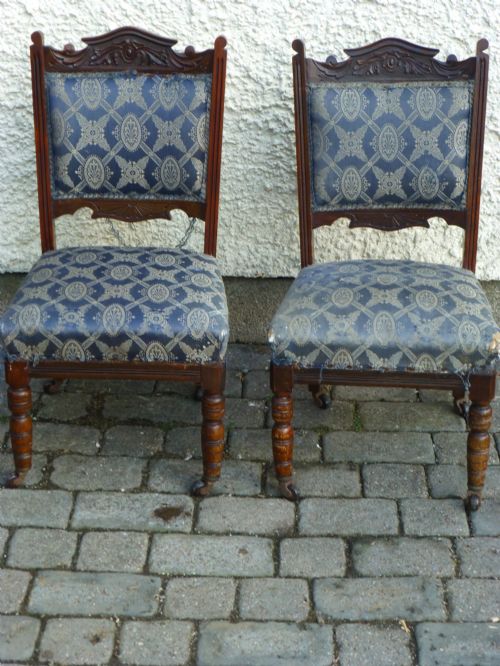
Carved Bedroom Chair
A carved bedroom chair brings period character and tactile timber to a private space, offering a compact seat designed for personal dressing rooms.
Carved Bedroom Chair
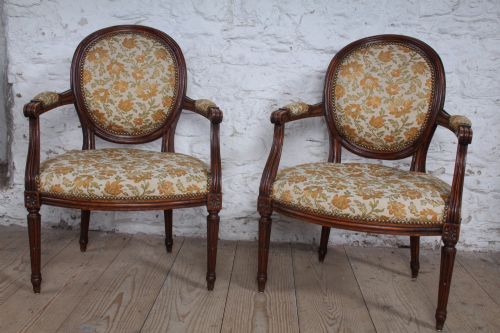
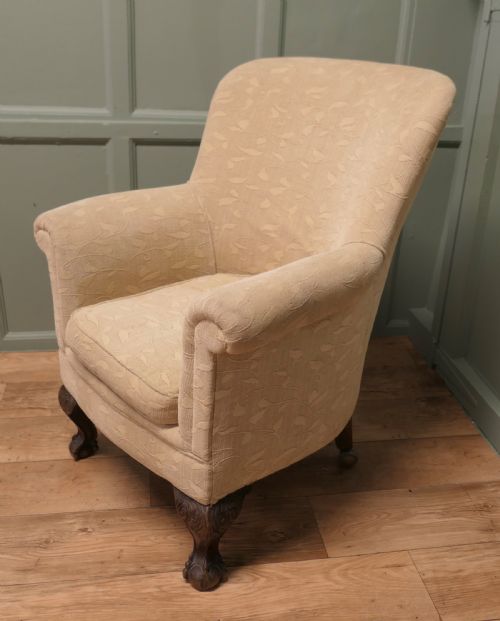
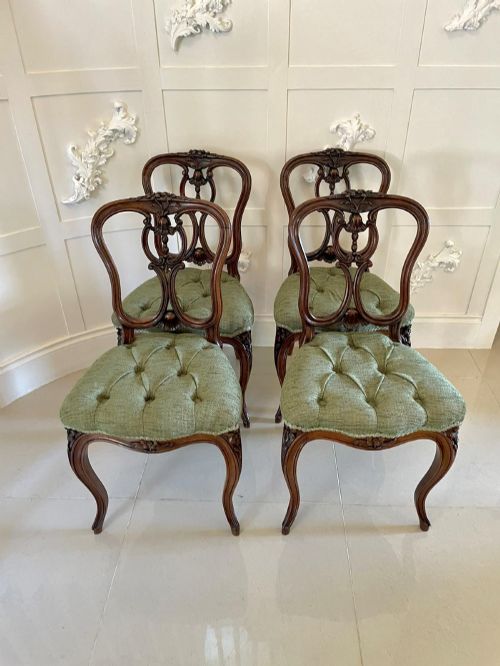
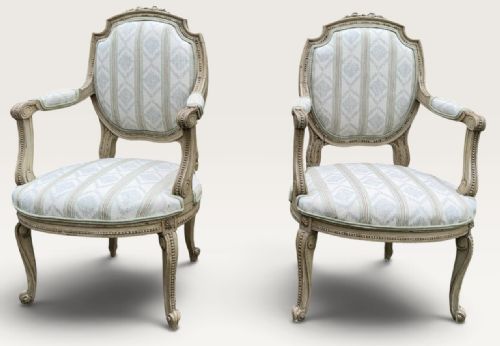
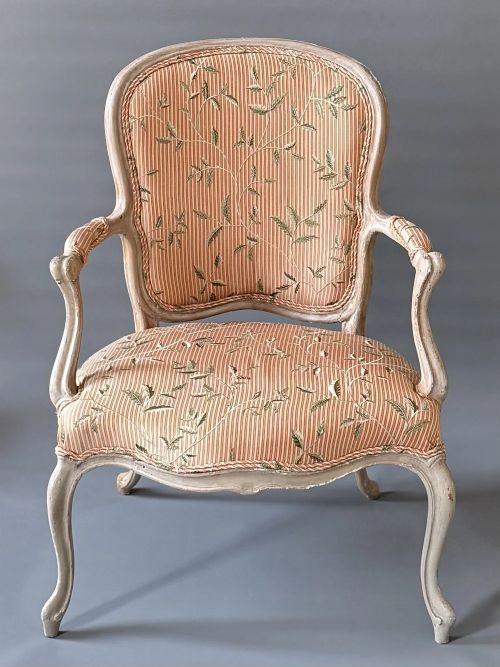
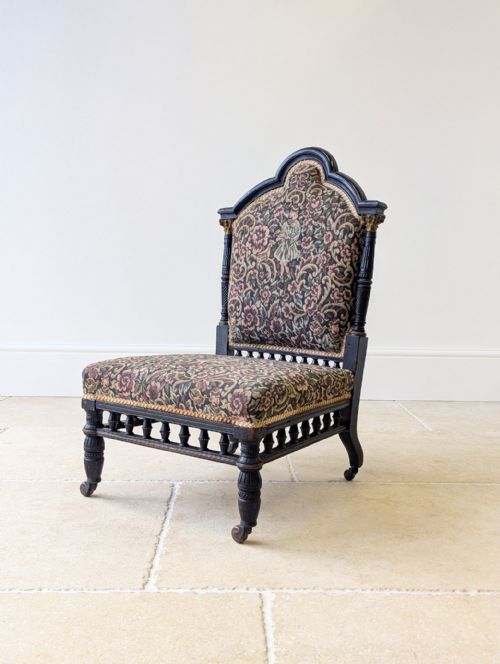
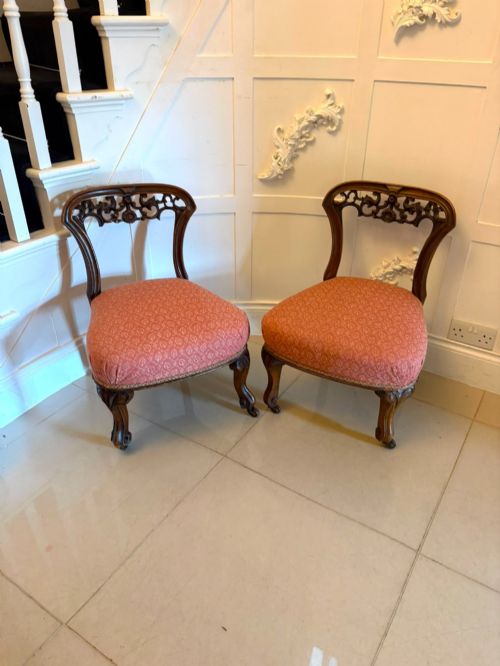
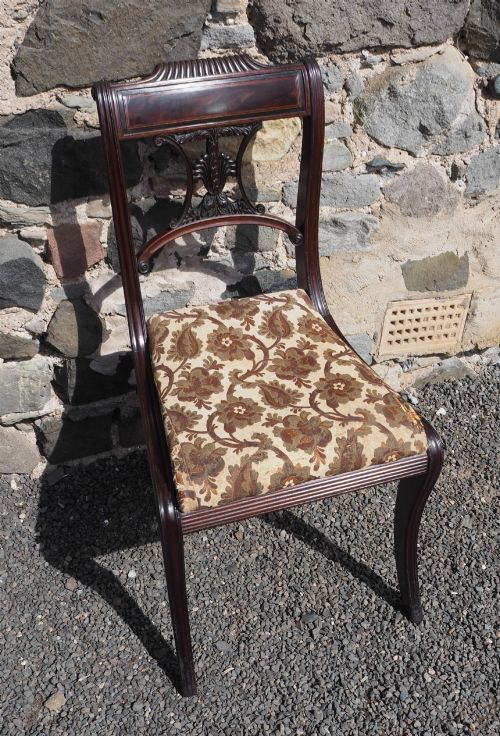
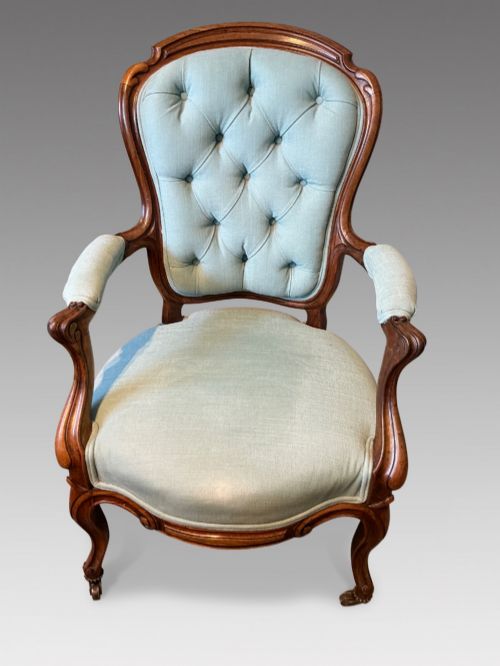
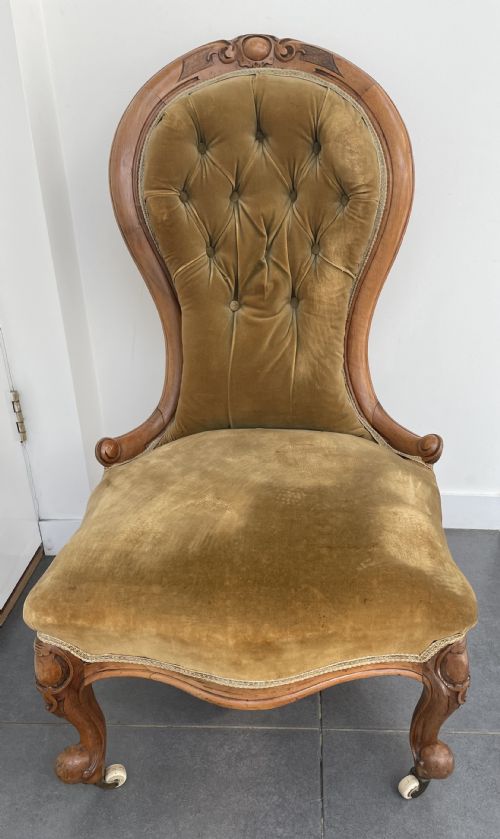
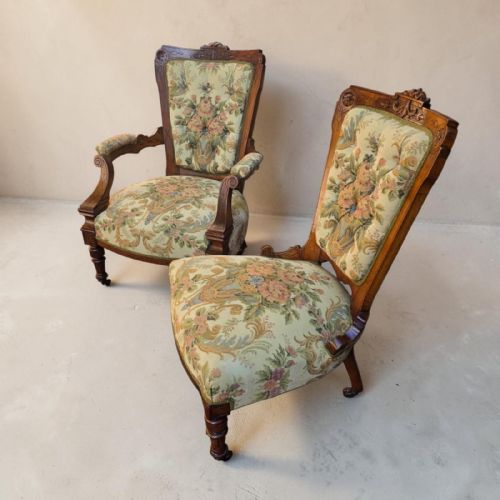
When seeking a carved bedroom chair, buyers encounter compact seating designed historically for dressing rooms, boudoirs, and private chambers. The selection spans distinct eras, with Victorian walnut nursing chairs and Edwardian mahogany tub models appearing most frequently alongside 19th-century examples.
These pieces often share floor space with related low forms like salon chairs, slipper chairs, and occasional chairs. Proportions remain modest to suit domestic chambers, featuring lower seats and carved backs intended to display fine timber grain and ornament.
Materials and construction
Cabinetmakers utilised dense hardwoods like walnut, mahogany, rosewood, and beech to carve intricate scrollwork, balloon backs, and lyre motifs. Timber frames were constructed with traditional joinery before receiving hand-applied polish or paint.
Upholstery formed an integral part of the fabrication, employing fabric, velvet, and cane supported by brass elements where appropriate. Many pieces retain or require textile coverings ranging from simple cottons to rich decorative weaves.
Judging quality and character
Quality rests in the crispness of the timber carving and the architectural integrity of the frame. Superior examples demonstrate confident hand-carved detail in the walnut or mahogany, whereas lesser pieces show softer contours and simpler execution.
The choice of secondary woods and the retention of original surfaces, such as early paint or patinated polish, distinguish the finer specimens. Structural soundness in slender members like cabriole legs and delicate rails dictates longevity.
The Carved Bedroom Chair Glossary
- Nursing chair
- A low-seated chair designed originally for feeding infants or assisting with Victorian attire. These typically feature low profiles and upholstered seats.
- Balloon back
- A rounded, oval-shaped wooden chair back resembling a hot-air balloon profile. This form is common in Victorian walnut and mahogany seating.
- Cabriole leg
- A furniture leg that curves out and then in, resembling an animal's leg in motion. It frequently terminates in carved scroll or pad feet.
- Tub armchair
- A comfortable seat with a continuous curved back and arms forming a rounded enclosure. Edwardian examples frequently incorporate this enveloping shape.
- Satinwood
- A lustrous, yellowish timber utilised for fine decorative furniture inlay and painted surfaces. It appears in lighter Edwardian designs.
Carved Bedroom Chair: Frequently Asked Questions
Where should I place a bedroom chair?
These compact seats suit dressing rooms, quiet corners, or alongside a dressing table where space remains limited. Their decorative backs ensure they look effective when viewed from any angle in a room.
Historically utilised for sitting while dressing or nursing, they function well today as accent pieces that introduce texture and historical depth to modern interiors.
How do I identify a Victorian chair?
Victorian pieces frequently employ dense dark hardwoods like walnut and rosewood, often displaying deep carving along the crest rail and back. Common indicators include balloon backs, spoon backs, and lower seats intended for domestic chambers.
Construction methods of the period involved solid timber framing and traditional joinery, occasionally marked by maker stamps or stamps on the underside of the rails.
Are these chairs comfortable to use daily?
Many period examples were built with firm padding and upright posture in mind, reflecting the seating ergonomics of the nineteenth and early twentieth centuries. Seat heights tend to be lower than standard dining chairs to suit dressing routines.
If intended for prolonged sitting, buyers often assess the depth of the cushioning and the height of the backrest to ensure it meets personal comfort requirements.
Can I reupholster an antique chair?
Reupholstery is common for pieces requiring new fabric or webbing to restore structural support. Many survivors appear ready for fresh upholstery, allowing owners to select textiles that match their interior scheme.
Working with traditional upholsterers ensures that internal stuffing materials and spring systems remain sympathetic to the period of the wooden frame.