


Carved Barley Twist Pedestal
A carved barley twist pedestal elevates a room through disciplined turning and dense timber.
Carved Barley Twist Pedestal
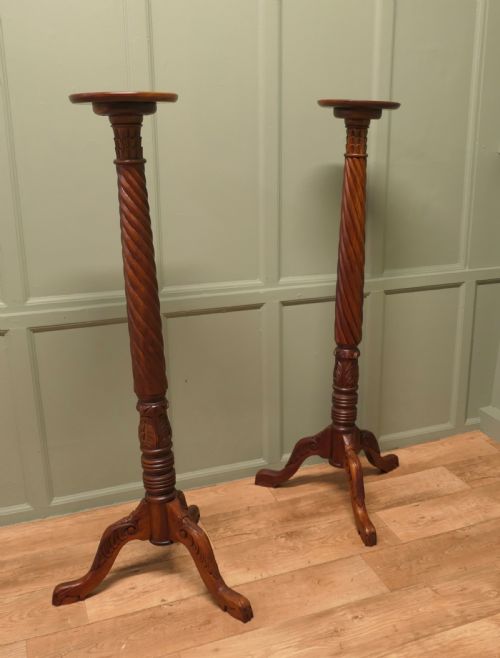
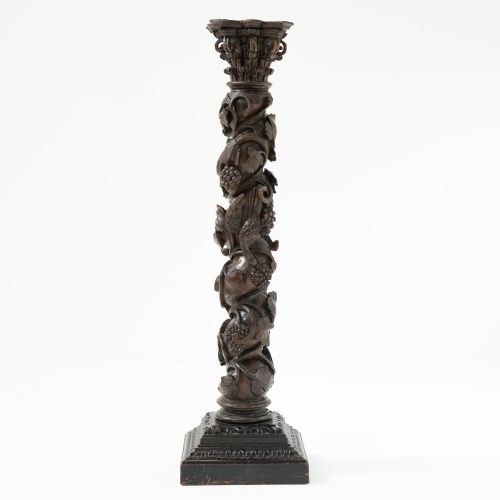
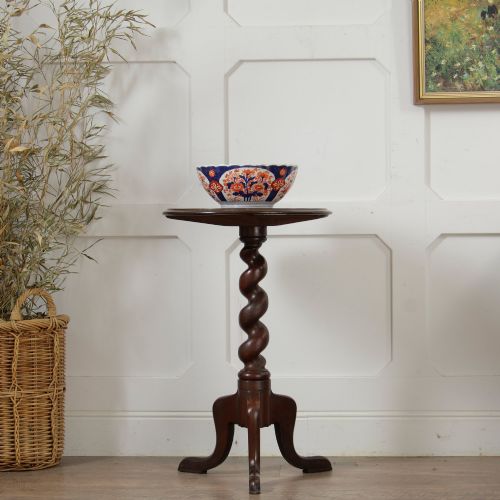
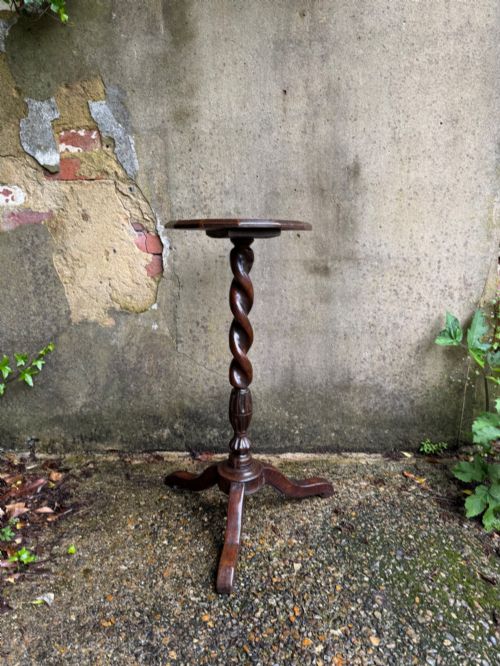
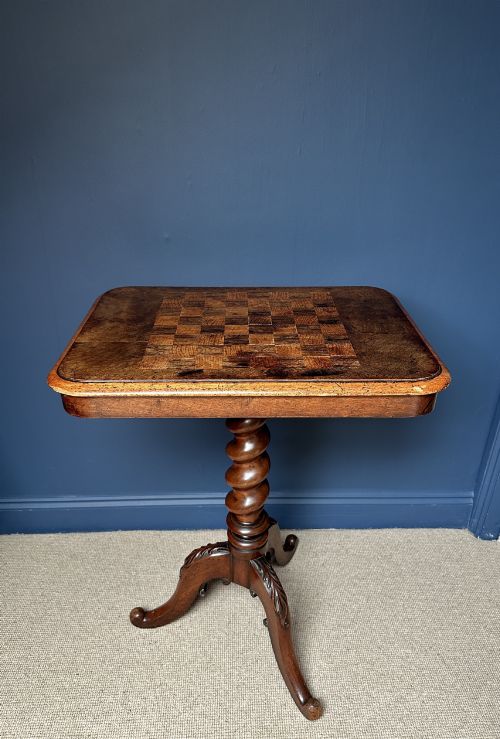
A carved barley twist pedestal takes the form of a vertical column or stand designed to elevate plants, lamps, or decorative objects. Buyers seeking a carved barley twist pedestal encounter items rooted primarily in the Victorian period and the nineteenth century, alongside earlier Georgian examples and later twentieth-century interpretations.
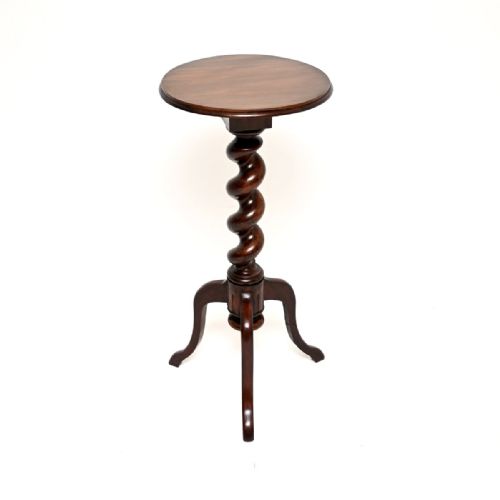
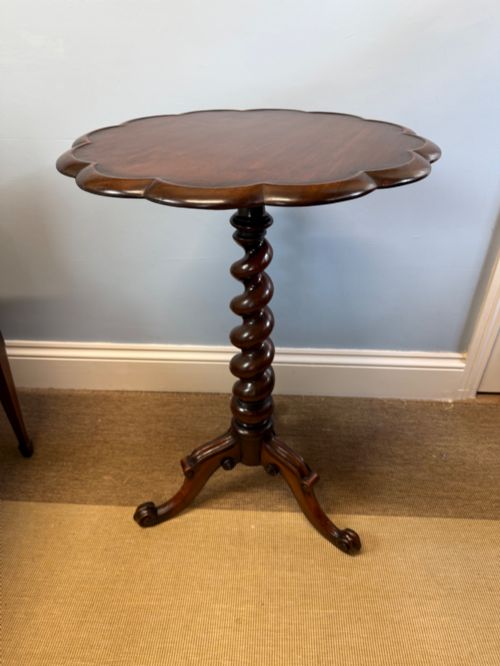
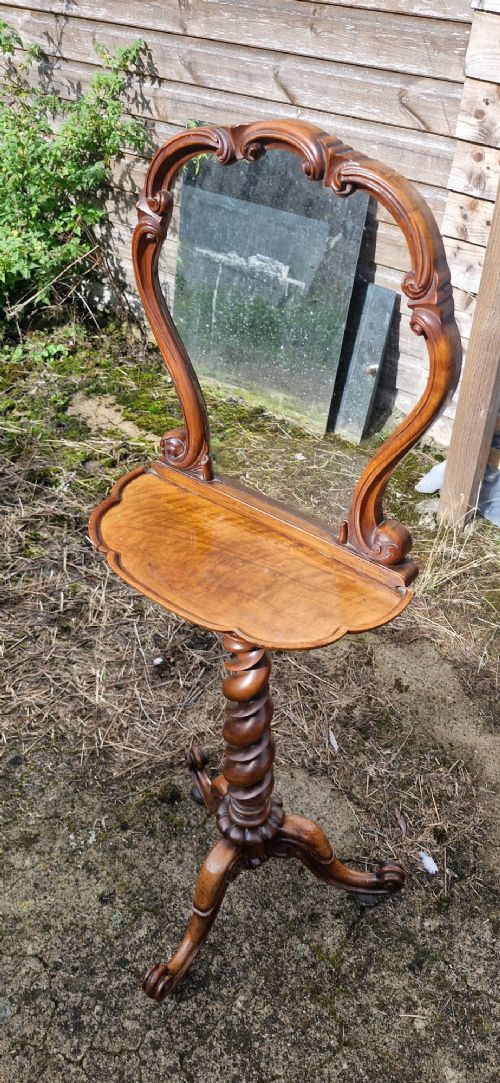
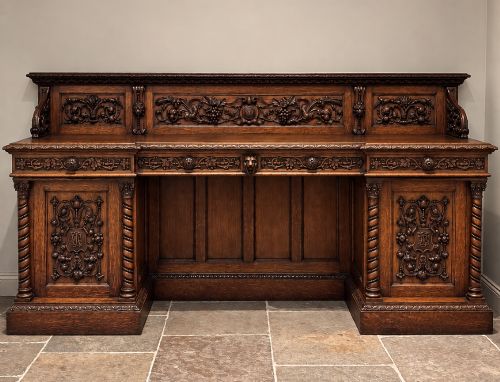
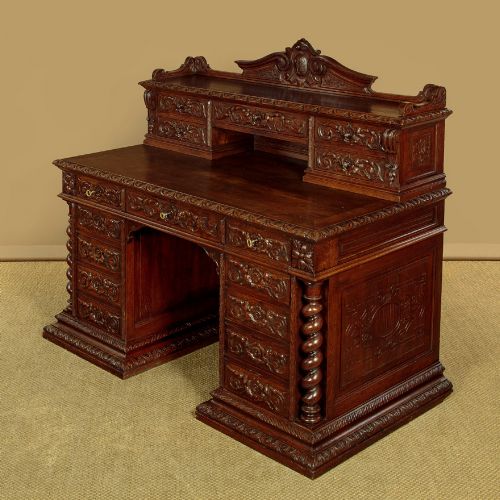
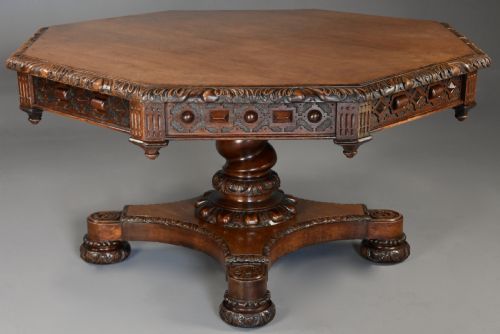
The objects span multiple functional categories within the evidence, appearing as plant stands, torchiere stands, side tables, and dedicated pedestal columns. Oak, mahogany, and walnut dominate the construction, frequently displaying revival styles such as Jacobean and Baroque influences.
Most pieces met on this page date from the Victorian era, utilising dense hardwoods shaped with spiral or helical turning. These vertical supports function equally well as standalone architectural accents or as functional surfaces for small items.
How they were made
Cabinet makers utilised dense hardwoods including mahogany, walnut, and oak to withstand the structural demands of deep spiral turning. Timber selection governed the final strength of the twisted column, ensuring the grain followed the helical path without snapping.
Turning the spiral required hand chisels and lathes to carve the continuous diagonal rope effect into the solid wood. Artisans finished these surfaces with hand-applied polishes that highlighted the natural figure of the burr walnut or figured mahogany beneath.
Revival influences range from Jacobean and Baroque to William IV and Edwardian periods.
What varies in quality
The precision and depth of the hand-carved twist separate standard production pieces from finer examples. Sharp undercut channels in the timber indicate skilled labour, whereas shallow or mechanically smoothed grooves lack the same tactile definition.
Timber selection heavily influences the calibre of the piece, with figured burr walnut and dense old-growth mahogany representing superior material choices. Construction integrity at the joints between the central column and the base ensures stability under weight.
Holland & Son
The Carved Barley Twist Pedestal Glossary
- Barley twist
- A type of turning where the wood is shaped into a continuous helical spiral resembling a stalk of barley. This decorative form gained prominence during the seventeenth century and saw major revivals in the Victorian era.
- Torchiere
- A tall stand or pedestal specifically designed to hold a lamp, light, or decorative bust. These slender columns elevate illumination sources to eye level within a room.
- Solomonic
- A column shape characterised by a helical twist, originating in classical architecture and replicated in later furniture design. The form provides dynamic movement to vertical supports.
- Burr walnut
- Timber taken from the warted excrescences of walnut trees, prized for its swirling and knotty grain patterns. Cabinet makers used veneers of this wood on prominent surfaces of tables and stands.
Carved Barley Twist Pedestal: Frequently Asked Questions
How were pedestals used originally?
These tall stands supported lighting, urns, or botanical displays in nineteenth-century drawing rooms and hallways. They placed decorative objects at a commanding height to draw the eye.
Later, they functioned as display platforms for sculptures or large floral arrangements in country houses. Their vertical footprint allowed them to occupy corners or tight spaces without obstructing movement.
How do I spot a Victorian piece?
Victorian examples rely heavily on dark timbers like walnut and mahogany, often featuring dense spiral turnings. Construction methods show machine-assisted precision alongside traditional hand finishing.
Examine the underside and joints for period-appropriate fixings and timber ageing. Stylistic cues like heavy proportions and Renaissance revival motifs point firmly to the nineteenth century.
Are these stands stable enough for plants?
Solid hardwood construction provides a heavy, reliable base designed to bear weight safely. The wide tripod or square feet prevent tipping under normal domestic conditions.
Heavier marble-topped variants offer exceptional gravity-held stability for potted greenery. Check that the central column connects firmly to the baseplate without wobble.
What is the difference between oak and walnut stands?
Oak stands project a heavier, rustic aesthetic associated with Jacobean and seventeenth-century revivals. The grain is coarse and open, taking deep stains and wax finishes effectively.
Walnut offers a smoother, warmer surface with intricate figuring, particularly in burr variations. Walnut pieces often display finer, more refined carving suitable for formal entertaining rooms.