




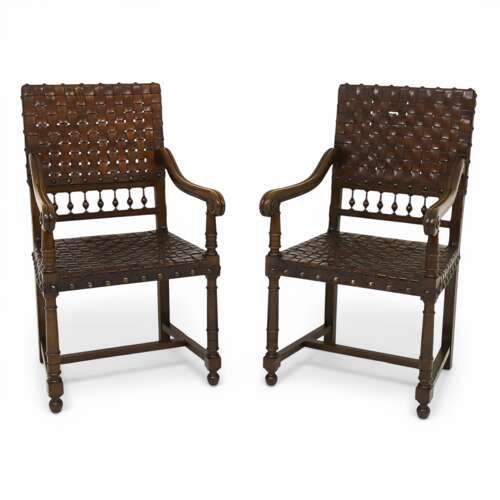


Carolean Oak Chair
When you search for a carolean oak chair, you uncover heavy timber frames, deep carving, and high-backed seating originating from the seventeenth century or later revivals.

Carolean Oak Chair
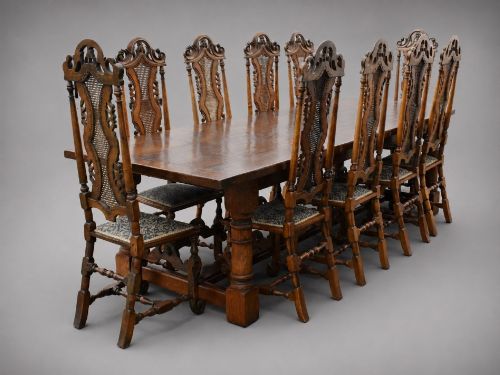
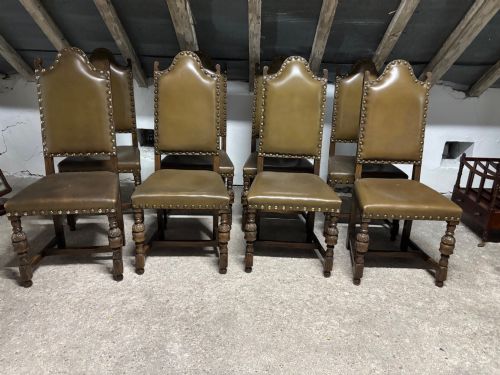
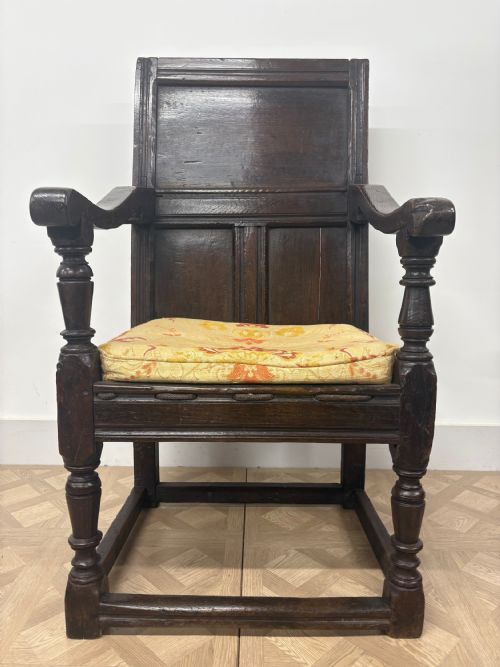
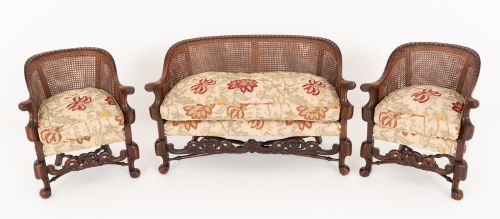
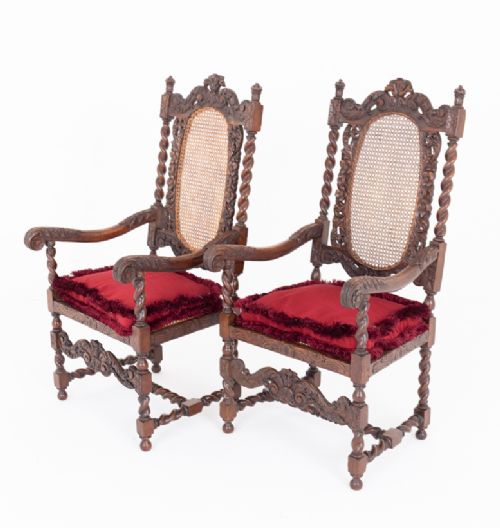
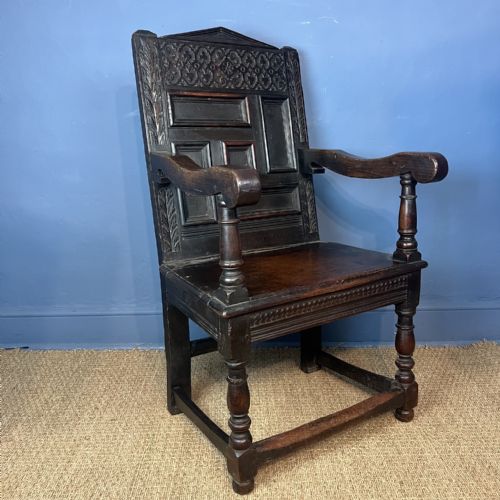
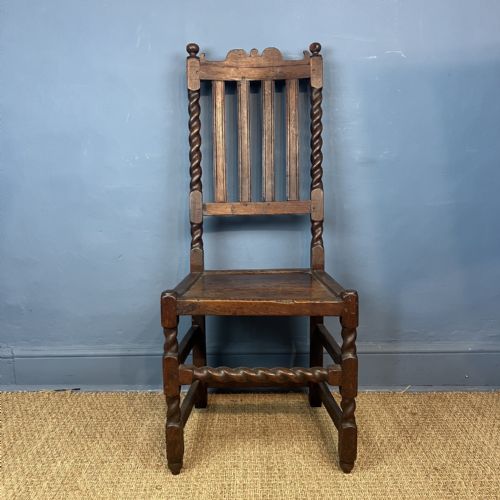
The inventory encompasses diverse forms ranging from solid wainscot armchairs and low back stools to grand high-backed dining sets and bergere suites. Side chairs and armchairs dominate the selection, often featuring scrolled legs, elaborate crest rails, and stretcher bases typical of the Restoration period.
Evaluating craftsmanship and integrity
Quality separates pieces by the crispness of the hand-carving and the structural integrity of the joined frame. Superior examples display deep, sharp chisel work on the crest rails and stretchers, whereas inferior revival pieces often show shallow, machine-tooled softness in the wooden ornamentation.
The proportion of original timber against later replacement sections dictates the standing of older pieces. Original surface patination, tight joinery without excessive movement, and intact period caning or period-correct upholstery methods elevate the desirability of any seating item.
Carolean Oak Chair Retail Price Guide 2026
Typical asking prices for carolean oak chair among the pieces listed under this phrase on Sellingantiques today, from the lower quarter to the upper quarter. They describe what is for sale here now, not the wider market.
The Carolean Oak Chair Glossary
- Wainscot chair
- A heavy wooden armchair featuring a panelled backrest and solid seat, common in the early seventeenth century. These sturdy seats preceded the lighter, more ornate styles of the later Restoration era.
- Crest rail
- The horizontal topmost member of a chair back, frequently carved with scrolls, crowns, or foliage. On these seats, the crest rail serves as the primary decorative focal point.
- Stretcher
- A horizontal timber connecting the legs of a chair to provide structural rigidity. In seventeenth-century seating, these are often decoratively turned or shaped in a serpentine pattern.
- Bergere
- An enclosed upholstered armchair with wooden framing exposed around the sides and back. Later revival iterations often pair this French seating form with traditional English carved oak frames.
- Caning
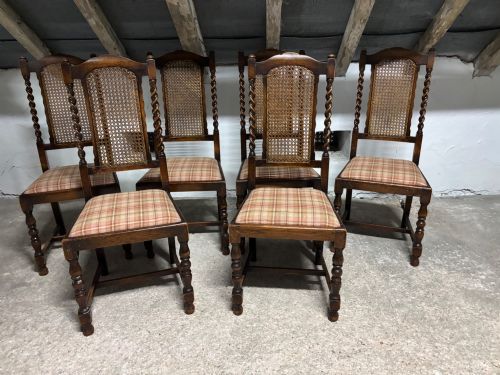
- A woven lattice made from rattan or split cane used to form lightweight chair backs and seats. This technique allows for resilient flexibility within rigid wooden frames.
Carolean Oak Chair: Frequently Asked Questions
How do I spot a seventeenth-century original?
Examine the construction methods, tool marks, and timber shrinkage visible beneath the frame. Hand-cut peg joints, irregular adze marks, and deep oxidation point towards genuine seventeenth-century origins rather than later revival work.
Compare the patination of the wood across high-wear areas with hidden structural components. Original surfaces exhibit centuries of waxing and handling that modern reproductions struggle to replicate convincingly.
Were these chairs used at dining tables?
Dining sets from this category typically comprise high-backed side chairs designed to accompany large refectory tables. Their elevated stature allowed diners to sit upright during formal meals.
Armchairs were fewer in number and usually reserved for the head of the household or important guests. Most domestic seating consisted of side chairs or back stools clustered around communal tables.
How do I care for antique oak and cane?
Maintain stable indoor humidity levels to prevent the dense oak framing from drying out and splitting. Apply a microcrystalline wax sparingly to nourish the wood surface without attracting dust.
Treat caned panels with gentle damp sponging occasionally to keep the natural fibres supple and prevent snapping. Avoid placing these antique seats near direct heat sources or in strong sunlight.
What is the difference between original and revival pieces?
Period pieces date from the mid to late seventeenth century during the reign of Charles II and the surrounding decades. They carry the structural wear, timber shrinkage, and hand-tooled characteristics of their era.
Revival pieces date from the Victorian, Edwardian, or 1920s eras when cabinetmakers recreated seventeenth-century aesthetics using period machinery and techniques. These items offer robust utility while emulating the grand carved style.