

Carat Old Cut Ring
A carat old cut ring brings together hand-forged metal and soft-faceted diamonds shaped long before modern laser precision.
Carat Old Cut Ring
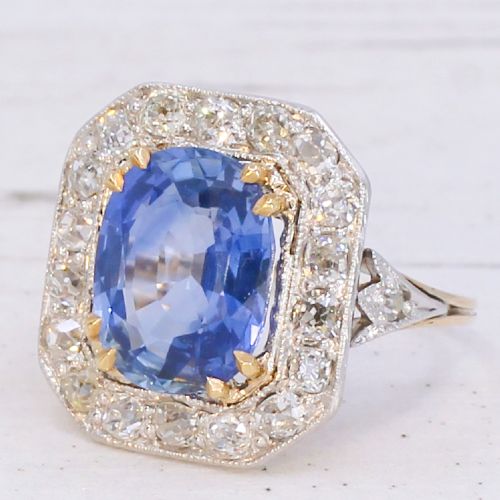
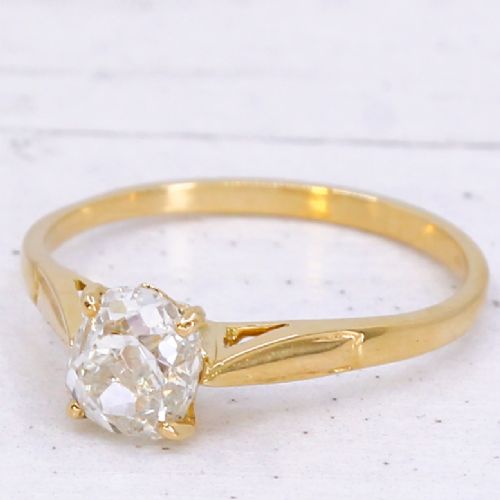
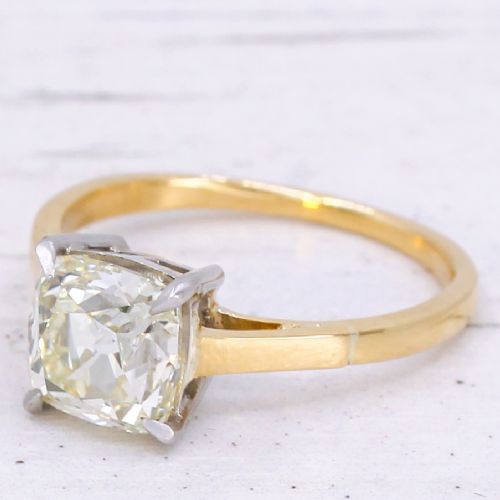
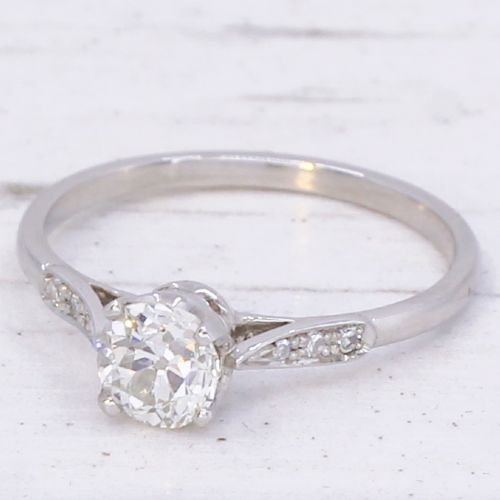
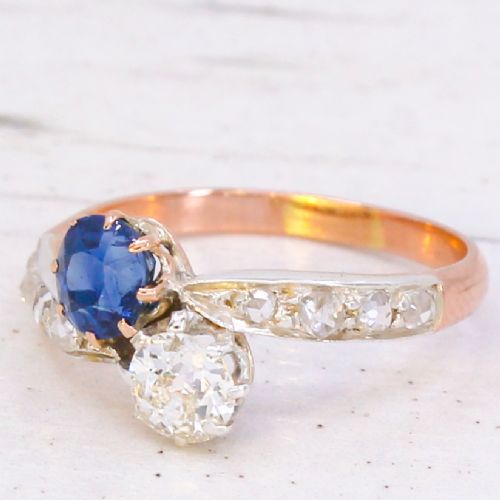
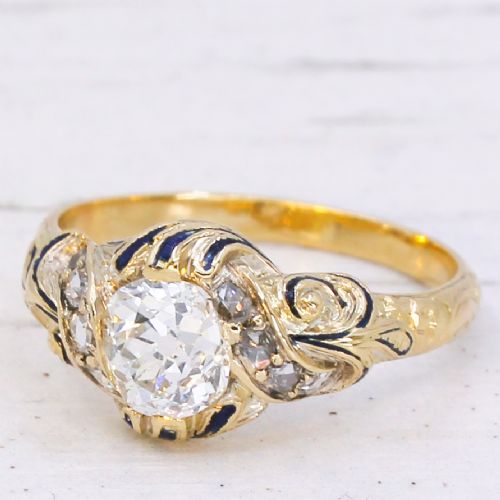
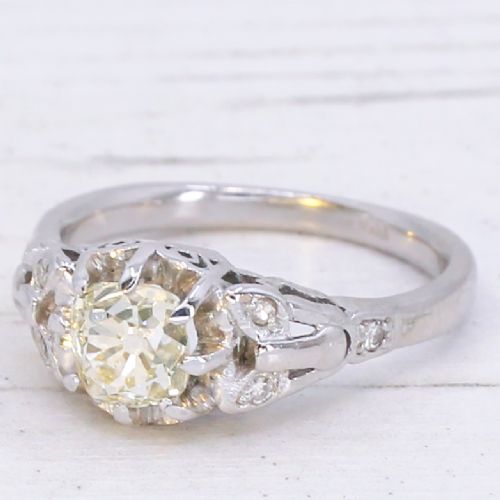
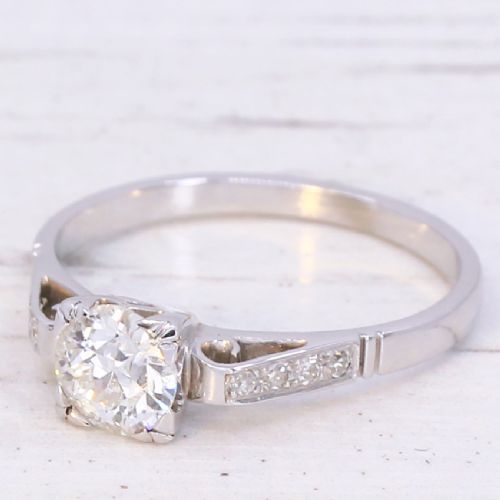
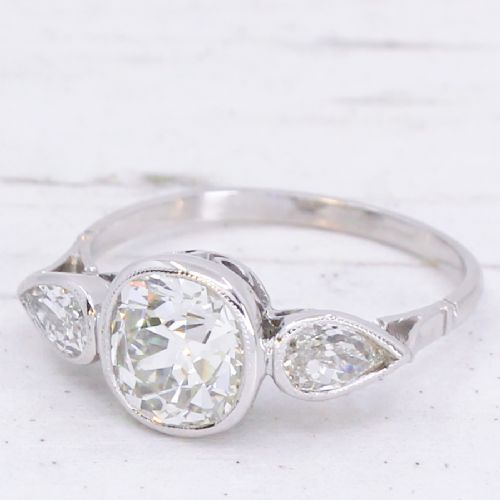
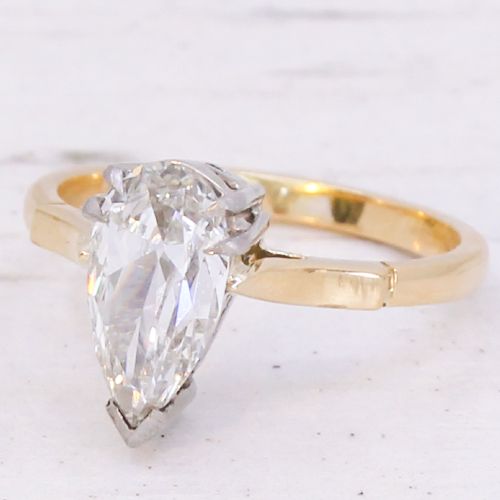
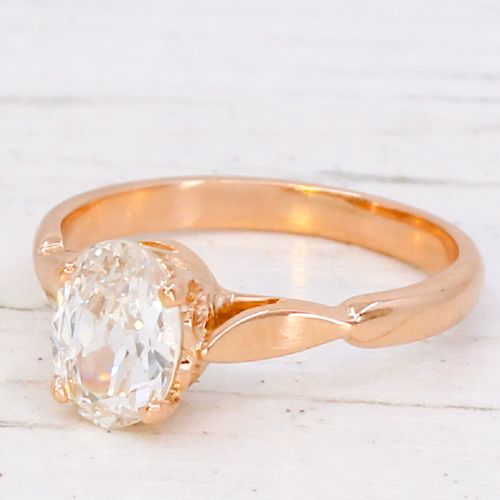
A carat old cut ring centres on historical diamond shapes mounted in precious metal bands. These pieces span from the late Victorian and Edwardian eras through the Art Deco period and into mid-century designs.
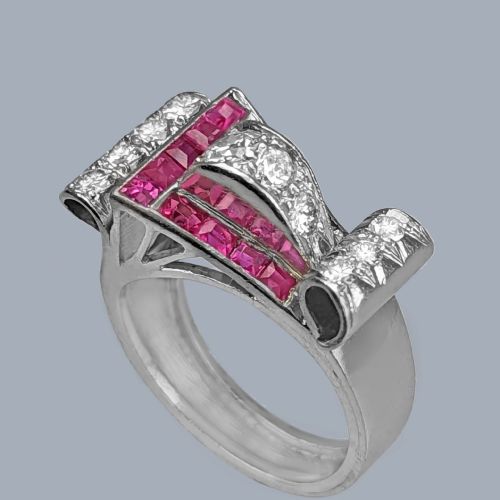
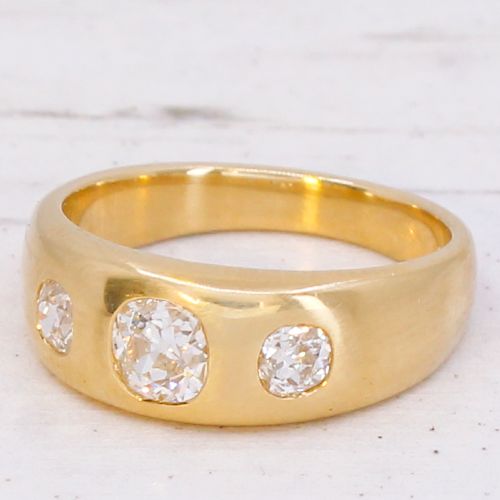
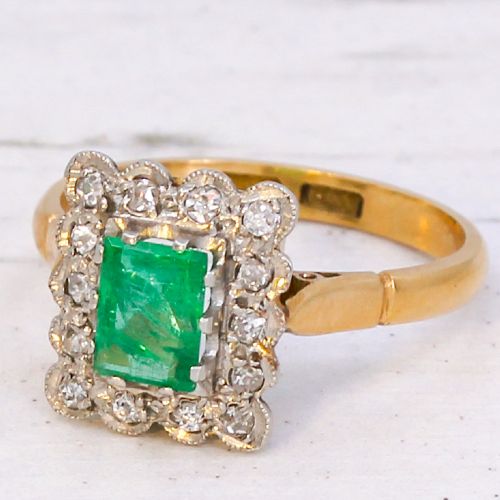
Solitaires and multi-stone configurations dominate the selection, alongside cluster arrangements and toi et moi settings. Buyers frequently encounter engagement rings featuring diamonds paired with rubies, sapphires, or emeralds.
The stones display asymmetrical hand-cut facets designed to catch candlelight rather than electric illumination. Surviving examples reflect the shifting aesthetic tastes of the early and mid-twentieth century.
How They Were Made
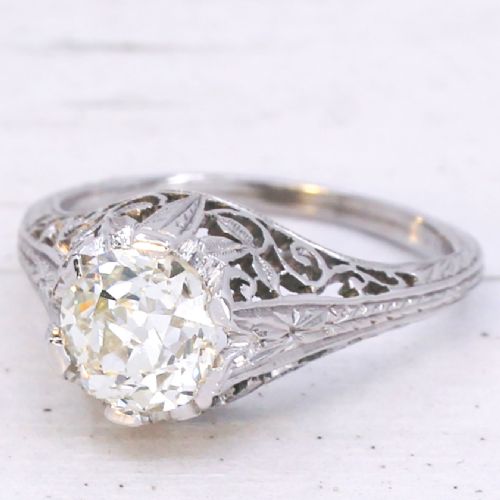
Master jewellers shaped platinum and yellow or white gold by hand to create durable settings for fragile gemstones. Metalwork styles range from delicate Edwardian filigree to geometric Art Deco platinum mountings.
Diamonds were cleaved and polished by hand using early techniques that preserved stone weight rather than mathematical symmetry. Collet mounts, prong settings, and bezel work secure these stones into their bands.
Listings feature platinum, yellow gold, and white gold combined with diamonds, sapphires, rubies, and emeralds across Victorian to mid-century periods.
What Varies in Quality
The purity and tone of the accompanying rubies, sapphires, or emeralds heavily influence the character of multi-stone pieces. Unheated stones and particular origins command distinct attention from collectors.
The proportions of the central diamond and the integrity of the original setting dictate the overall distinction of the piece. Hand-carved details and heavy platinum or gold gauge thickness separate everyday mountings from finer workshop output.
The Carat Old Cut Ring Glossary
- Old cut
- A diamond facet style hand-polished before the standardisation of modern brilliant cuts. These stones typically feature higher crowns and smaller tables.
- Old European cut
- A round diamond shape with a circular girdle and substantial culet characteristic of late nineteenth and early twentieth-century cutting. This precursor to the modern brilliant displays distinct open facets.
- Toi et moi
- A ring style featuring two main gems sitting side by side to represent two souls intertwined. This French term translates to you and me.
- Gypsy ring
- A band style where gemstones are flush-set directly into the thick metal hoop. Popular during the Victorian era, these rings offer a smooth profile.
- Culet
- The small flat facet at the bottom of a vintage diamond where the pavilion facets meet. Older cutting styles often feature a visible open culet.
Carat Old Cut Ring: Frequently Asked Questions
How do I wear a delicate antique ring daily?
Pairing these rings with modern bands requires care because the antique settings utilise thinner platinum and gold claws. Removing the ring during heavy manual tasks protects the soft hand-cut facets from impact.
Taking the piece to a specialist jeweller for periodic prong checks ensures the diamonds remain secure in their original mountings. Gentle cleaning with warm soapy water maintains the sparkle of the historic stones without harming the metal.
What is the difference between old mine and old European cuts?
Old mine cut diamonds display a softer cushion shape with a nearly square girdle resulting from nineteenth-century hand-polishing techniques. Old European cuts introduce a rounder perimeter while retaining high crowns and deep pavilions.
Both styles emit a warm, blocky light pattern distinct from the brilliant sparkle of modern faceted stones. Gemmologists look at the culet size and table proportions to separate these historic cuts.
Can I resize a vintage engagement ring?
Most platinum and gold vintage bands can be adjusted by a skilled bench jeweller who understands antique construction. The process involves adding or removing a small section of metal from the bottom of the shank.
Intricate shoulders featuring millegrain work or side stones require careful handling to avoid damaging the original engraving. Consulting a specialist ensures the structural integrity of the mounting remains intact after alteration.
How do I identify the period of my ring?
Examining the mounting style, metal choice, and gem-setting techniques provides clear clues to the era of manufacture. Edwardian pieces often feature platinum-topped yellow gold with lace-like piercing, while Art Deco examples embrace bold geometric symmetry.
Maker marks, hallmarks, and assay stamps inside the band offer further dating evidence when deciphered correctly. Comparing the diamond cutting style against historical standards helps narrow down the decade.