


Canvas Winter Oil Painting
Canvas winter oil painting works bring cold landscapes, frozen rivers and snowy farmsteads directly into your room through layered pigment.
Canvas Winter Oil Painting
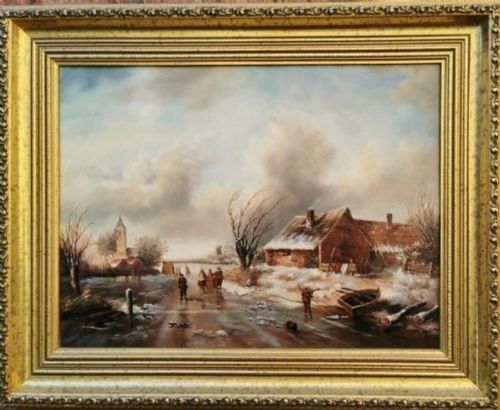
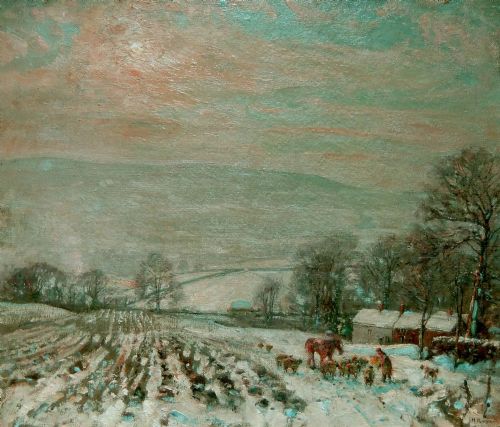
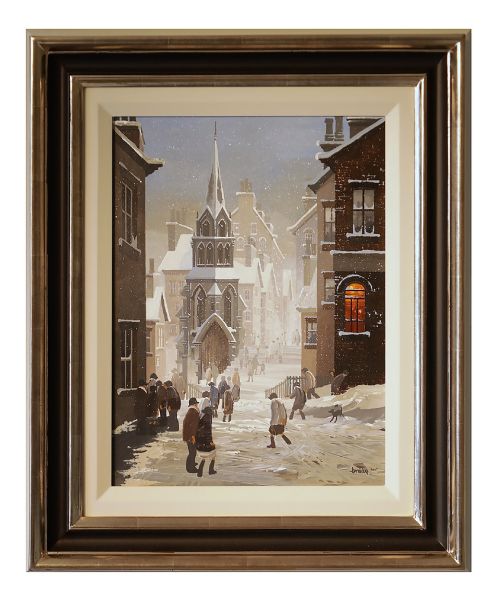
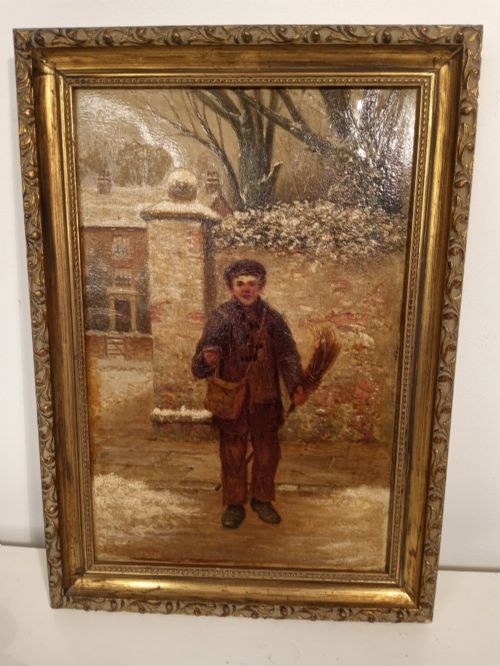
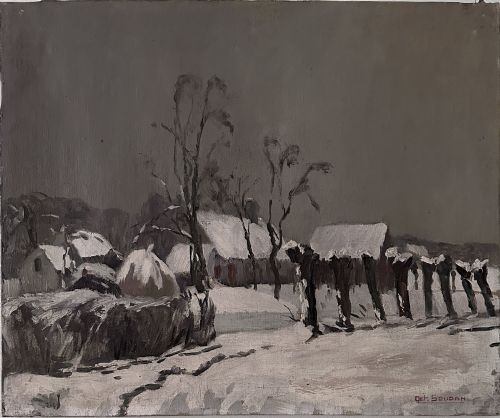
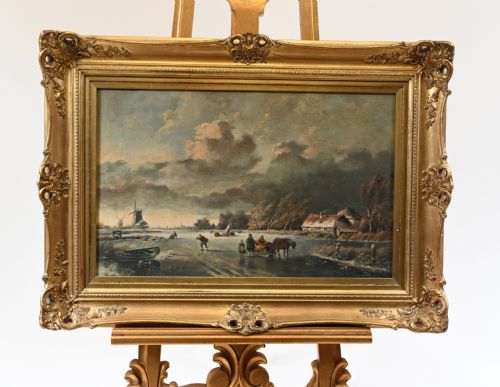
A canvas winter oil painting captures cold weather scenes, frozen lakes, and snowy rural landscapes created across the nineteenth and twentieth centuries. You will find Dutch school frost scenes, British impressionist Yorkshire valleys, and Victorian coaching journeys through deep snowdrifts.
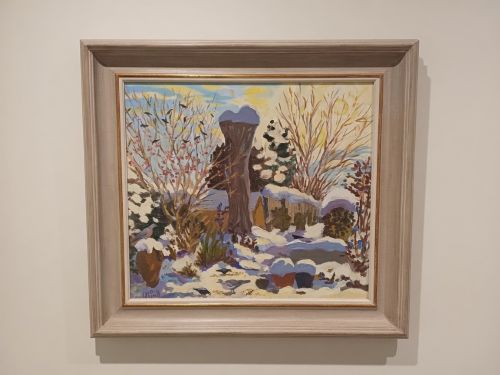
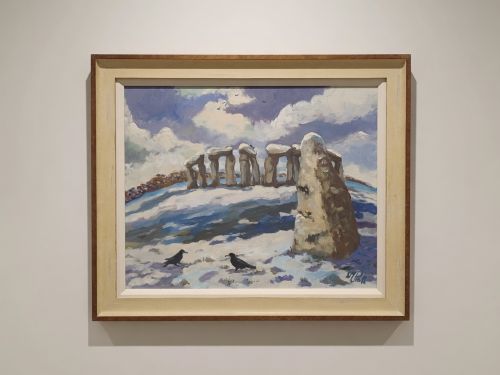
The pieces on this page span from the 1860s through the mid-century decades, featuring rural farmsteads, figures skating on ice, and sheep droving in winter conditions. Makers range from named artists like Herbert Royle and John Charles Maggs to atmospheric anonymous hands working on woven supports.
Most examples present traditional oil paint applied to stretched canvas, frequently housed within period gilt or giltwood frames that complement the frozen subject matter. The subjects lean heavily toward Dutch landscapes, rural British realism, and mid-century snowscapes.
How these paintings were made
Artists built these works by applying oil paint directly onto prepared canvas supports stretched over wooden frames. The medium allowed for slow blending of cold greys, crisp whites, and deep earth tones to depict snow and ice.
Makers finished many of these works with heavy wooden frames, often surfaced in gilt or giltwood to isolate the cold palette of the winter scene from the room.
Listings feature works spanning the nineteenth century through the 1960s, executed in oil on canvas and wood.
What varies in quality
Quality rests in the handling of light across snow and the structural integrity of the canvas and underlying wooden stretcher. Stronger examples display confident brushwork that defines the weight of heavy winter skies and frozen surfaces without stiffness.
The preservation of the oil paint layer and the condition of the original giltwood frame influence the overall integrity of the piece. Subtle tonal variation in white and grey pigments separates standard rural scenes from accomplished works by recognised landscape hands.
Herbert Royle·John Charles Maggs·Ernest Higgins Rigg·Lucy Pratt·Brian Shields Braaq
The Canvas Winter Oil Painting Glossary
- Canvas
- A heavy woven fabric stretched across a wooden frame to serve as the foundation for the oil paint. It provides a flexible yet durable surface that accepts multiple layers of pigment.
- Oil Paint
- A slow-drying medium composed of pigments suspended in a drying oil, typically linseed. This medium allows artists to build rich textures and blend subtle tones for winter skies.
- Giltwood
- Wood that has been coated with a thin layer of gold leaf or gilt finish. These frames frequently enclose antique paintings to provide a warm border against cool winter pigments.
- Dutch School
- A stylistic grouping reflecting the traditions of landscape painting originating in the Netherlands. Works in this tradition often emphasise flat horizons, frozen canals, and muted winter light.
- Impressionism
- A style focusing on the accurate depiction of light and its shifting qualities. In winter subjects, this technique captures the fleeting effects of sunlight on snow through broken brushstrokes.
Canvas Winter Oil Painting: Frequently Asked Questions
Where should I hang a winter landscape?
Choose a wall away from direct sunlight and sudden temperature shifts to protect the oil paint and canvas from cracking. Stable indoor climates keep both the support and the gilt frame intact over decades.
Pairing the painting with traditional furniture or placing it above a fireplace creates a focal point that highlights the cool tones of the snow scene.
How can I tell a nineteenth-century snow scene apart from a mid-century one?
Nineteenth-century works often rely on tighter brushwork, narrative elements like stagecoaches, and heavier giltwood frames. Mid-century examples frequently show broader impressionistic strokes and simplified rural compositions.
Examining the canvas weave and the back of the wooden stretcher helps confirm the period of manufacture alongside the artist's signature.
What subjects are common in these winter paintings?
Common subjects include frozen Dutch lakes with figures skating, Yorkshire dales under heavy snow, and nineteenth-century mail coaches caught in blizzards. Rural farmyards and sheep droving scenes also appear frequently across the selections.
These motifs capture the quiet isolation of rural life during the coldest months of the year.