
Canvas Still Life Painting
Canvas still life painting captures domestic arrangements and natural bounty across centuries, offering timeless visual depth for any wall.
Canvas Still Life Painting
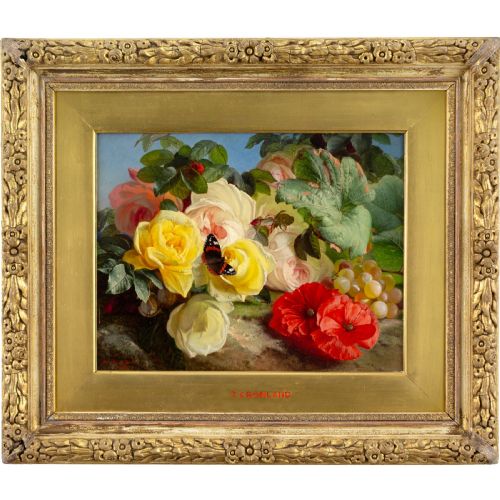
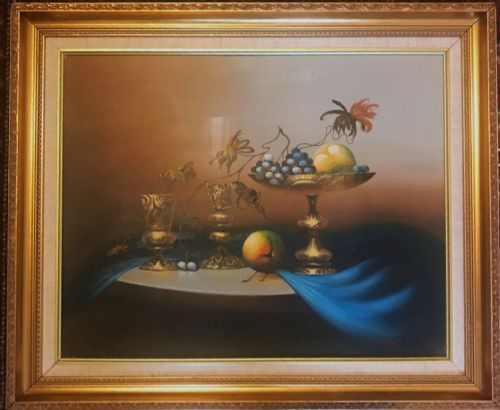
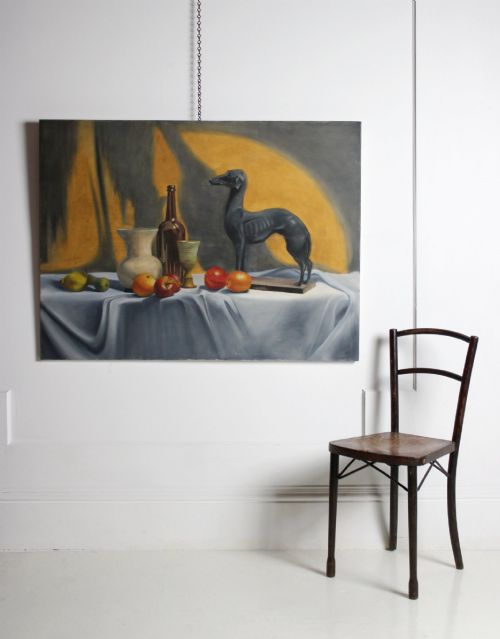
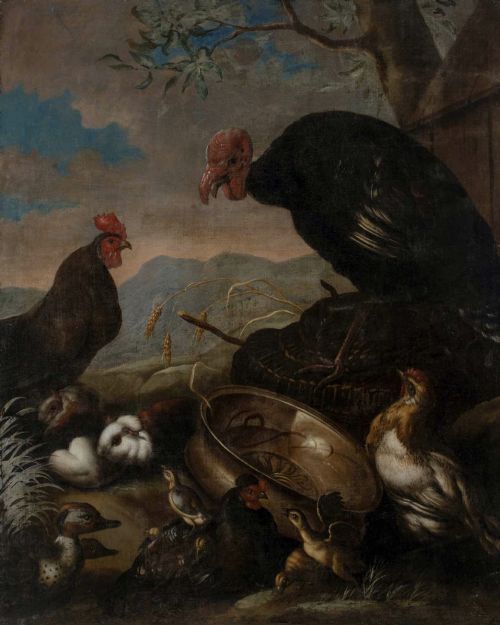
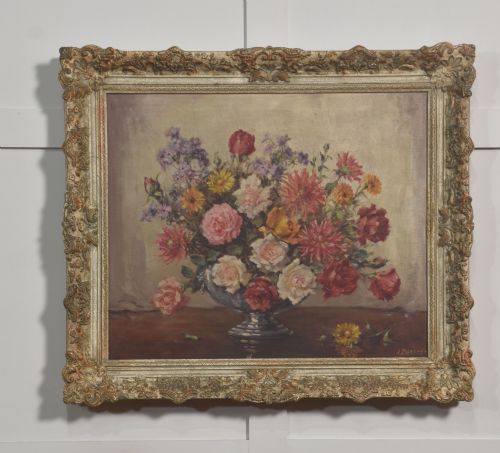
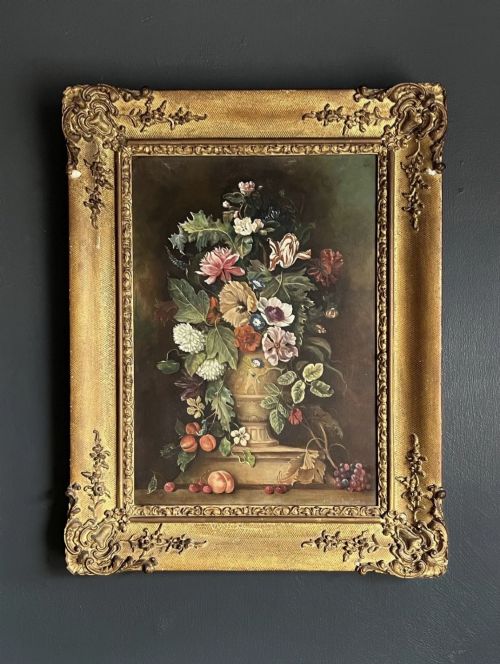
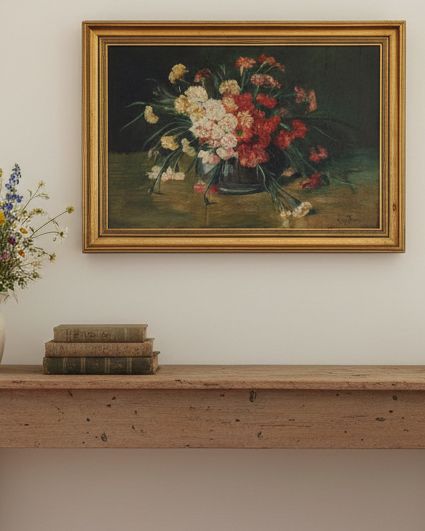
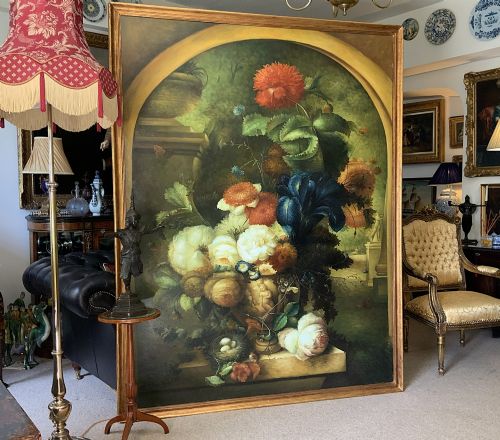
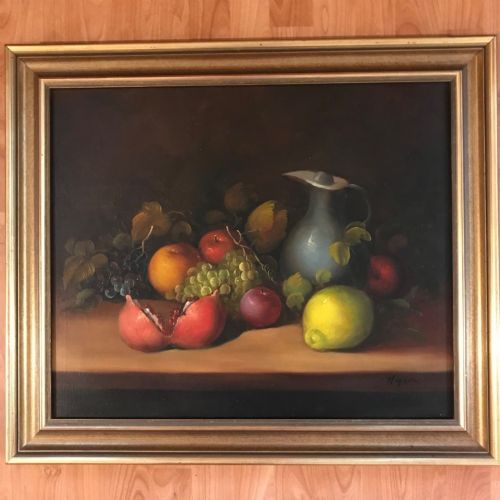
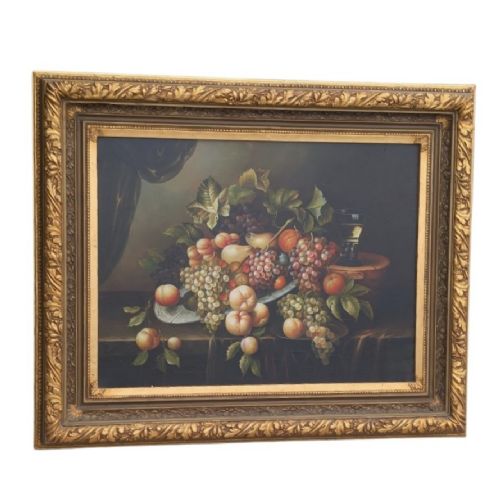
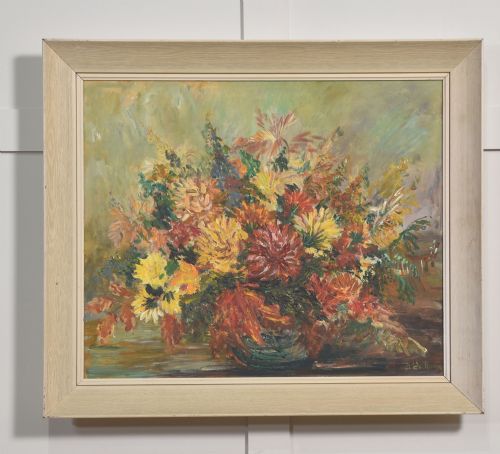
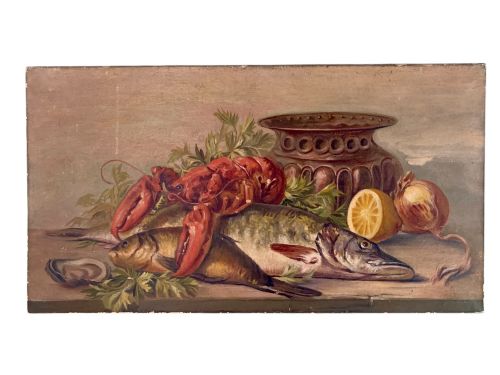
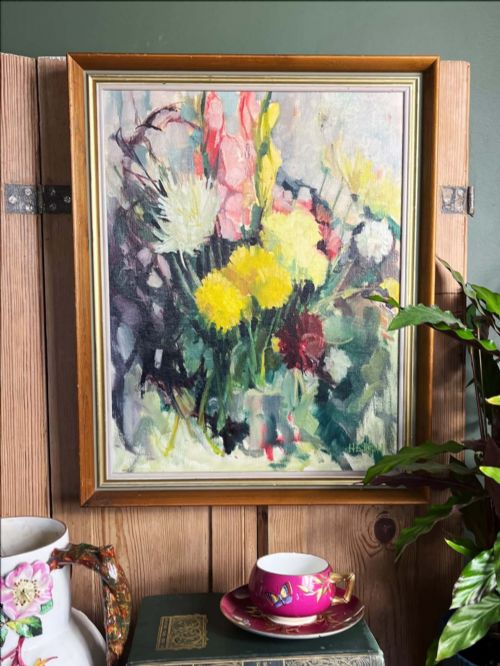
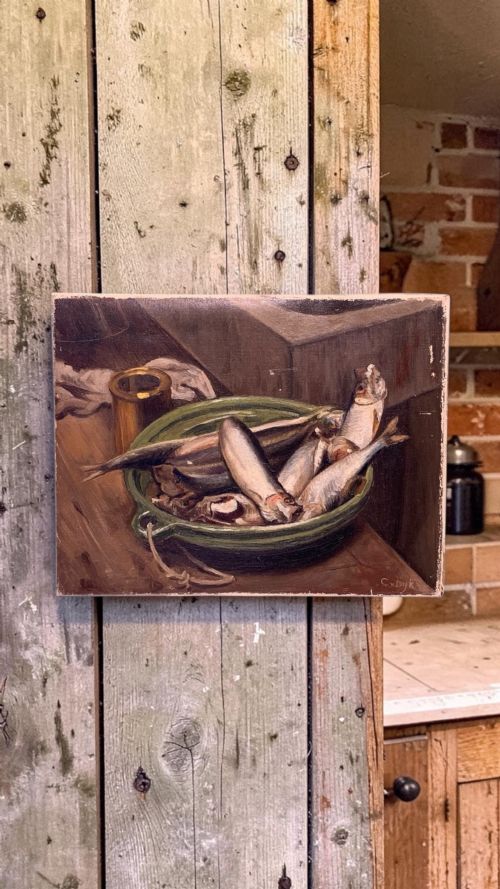
A canvas still life painting presents carefully arranged subjects such as gathered flowers, ripe fruit, game, and household objects captured in oil. These works range from seventeenth-century Flemish and Dutch compositions to nineteenth-century academic studies and mid-century modern interpretations.
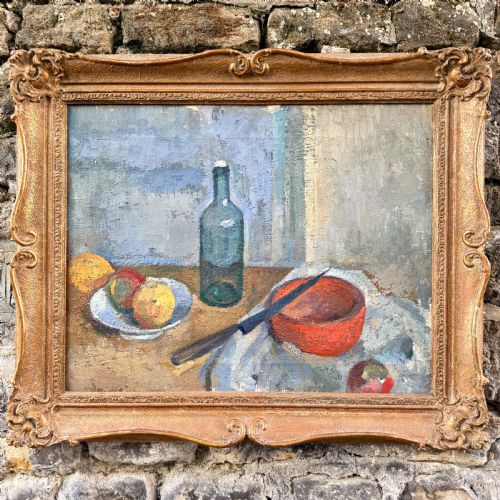
Buyers will encounter diverse formats on this page, spanning monumental Dutch-style floral displays, intimate Edwardian fruit studies, and post-impressionist tabletop scenes. Many retain their original wooden frames, with eighteenth-century styles and gilt gesso mouldings appearing frequently alongside plain timber borders.
The tradition encompasses various regional schools, from French and Austrian impressionist canvases to British pastoral arrangements and naive surrealist interpretations. Whether depicting a simple bowl of roses or elaborate fowl in castle ruins, each piece reflects the specific aesthetic of its era.
How They Were Made
Artists painted primarily with oil pigments applied to stretched canvas, occasionally utilising canvas laid on board or wooden panels for smaller studies. These grounds allowed for smooth blending, rich impasto textures, and deep tonal layering that developed a rich patina over decades.
Surrounding presentation involved bespoke joinery, utilising wooden frames finished with gold leaf, gilt gesso, or simple painted mouldings to complement the composition within. Many period frames were constructed specifically for the canvas, incorporating decorative corner cartouches and ornamental detailing.
Common motifs across these paintings include wicker baskets, glass vases, summer roses, and arrangements of gathered orchard fruit.
What Varies in Quality
The hierarchy of quality rests upon the artist's command of light, shadow, and natural proportion, distinguishing lively brushwork from stiff academic replication. Master painters achieved tactile realism in textures like glass, fur, and bruised fruit through confident, varied application rather than fussy detail.
Structural preservation significantly influences value, dictating whether the canvas retains its original tension, stable ground, and untouched pigment layers without extensive overpainting. Furthermore, the originality and period harmony of the accompanying frame elevate the overall integrity of the piece.
Angelo Maria Crivelli·Edward Ladell·Edwin Steele·Gaspar Peeter Verbruggen·Konstantin Stoitzner·William Henry Ward
The Canvas Still Life Painting Glossary
- Impasto
- Paint applied thickly to a canvas, standing out in relief from the surface so that the marks of the brush or palette knife remain visible. This technique adds tactile dimension and captures light dynamically across floral petals and fruit skins.
- Gesso
- A traditional paint mixture consisting of a neutral binder mixed with chalk, gypsum, or pigment, used to prepare wooden frames and canvas surfaces. Artisans applied multiple layers to create a smooth base before adding gold leaf or gilding.
- Flemish Baroque
- An artistic tradition originating in seventeenth-century Flanders characterised by dramatic lighting, rich textures, and opulent arrangements of flowers and game. Works in this style emphasise theatrical contrast and meticulous realism.
- Post-Impressionism
- A stylistic movement extending roughly from the late nineteenth century that rejected naturalistic depiction in favour of expressive colours and abstract forms. Painters explored subjective visions through simplified shapes and visible brushwork.
Canvas Still Life Painting: Frequently Asked Questions
How do I identify a nineteenth-century canvas?
Nineteenth-century canvases often display tightly woven linen textures on the reverse, occasionally stamped by nineteenth-century colourmen and London or continental suppliers. The preparation grounds beneath the oil paint tend to show creamy off-white or light grey priming layers.
Stretcher frames from this period typically feature wedge keys in the internal corners to adjust canvas tension. Hand-written inscriptions, period wax seals, and historic gallery labels on the wooden framing also help confirm the era.
Were these paintings always framed?
Most antique oil paintings were housed in bespoke wooden frames from the moment of creation, serving both a protective and an aesthetic purpose. Elaborate gilt gesso frames were selected to complement formal dining rooms and parlours.
While frames have occasionally been replaced over the centuries due to damage, many retain their original nineteenth or early twentieth-century housings. Plain wood mouldings and deep profile frames became more common with the arrival of mid-century modern interior aesthetics.
How should I care for an oil on canvas?
Protect the canvas from direct sunlight and fluctuating humidity to prevent the oil paint from cracking and the linen ground from sagging. Gentle dusting with a soft, dry brush keeps the surface clear without disturbing the delicate varnish layer.
Avoid hanging paintings near active heat sources or damp exterior walls, which can warp both the wooden stretchers and the surrounding frame. Professional conservation should be sought if the canvas requires cleaning or structural tightening.
What subjects were popular in still life art?
Floral arrangements featuring roses, carnations, and seasonal blooms dominated domestic painting traditions for centuries, symbolising natural ephemera. Fruit studies involving baskets of grapes, peaches, and plums provided artists with opportunities to explore organic geometry and luscious colour.
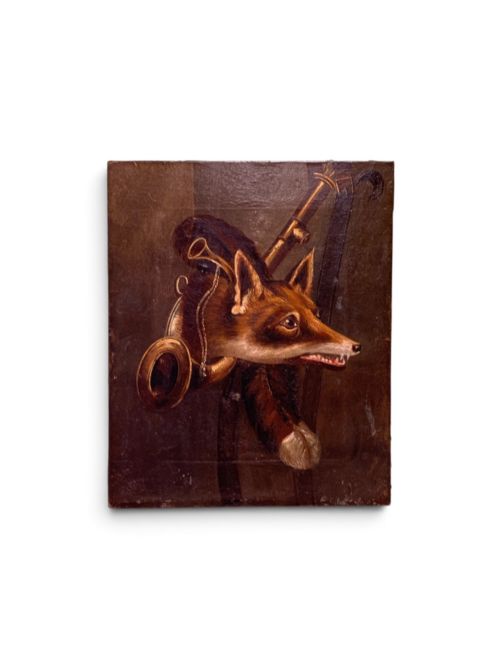
Larder scenes and game paintings incorporating fowl, fish, and hunting paraphernalia reflected seventeenth-century Dutch influences and nineteenth-century sporting tastes. More modern compositions introduced everyday domestic vessels, books, and abstract table settings.