

Canvas Rural Landscape Art
Canvas rural landscape art captures agrarian life and open countryside through oil paint on woven fabric, offering buyers a window into pastoral history.
Canvas Rural Landscape Art
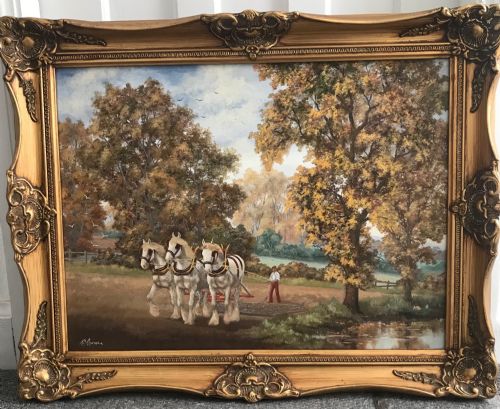
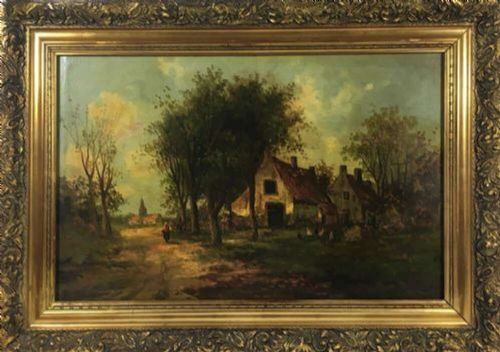
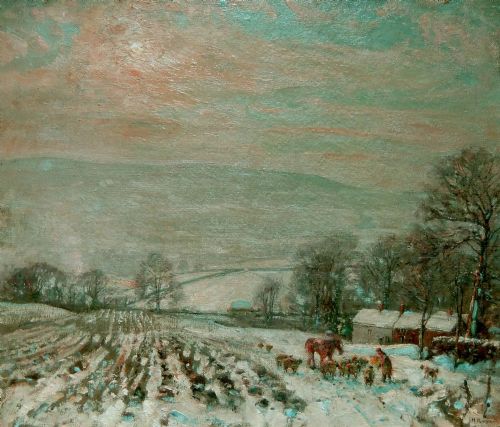
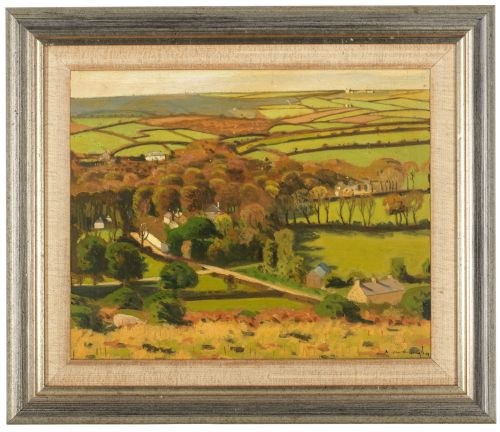
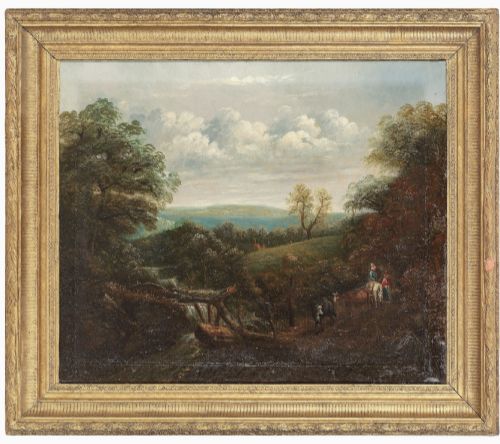
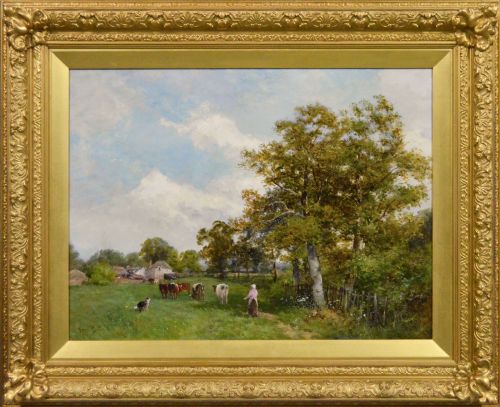
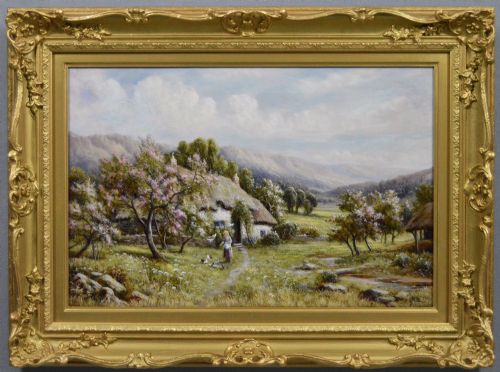
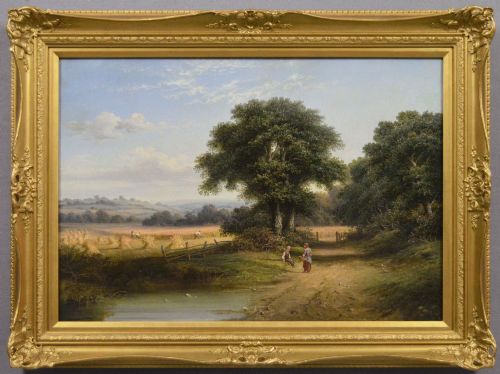
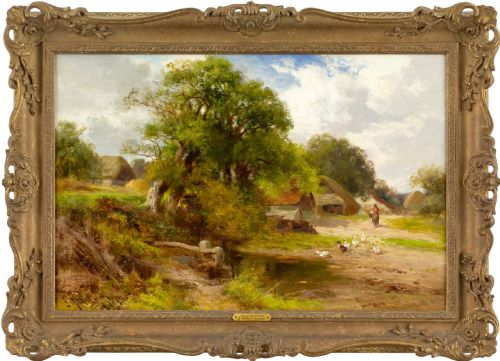
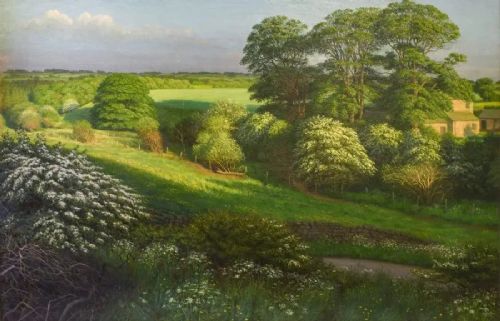
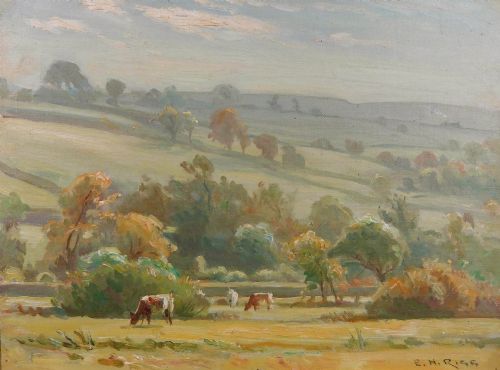
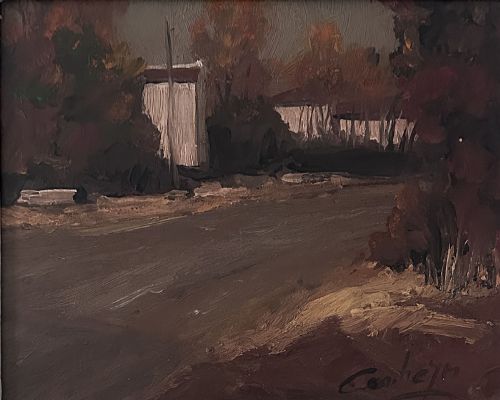
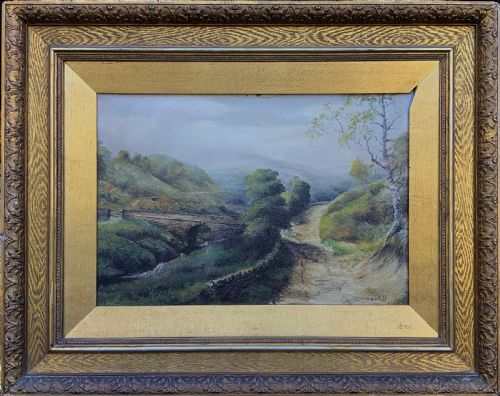
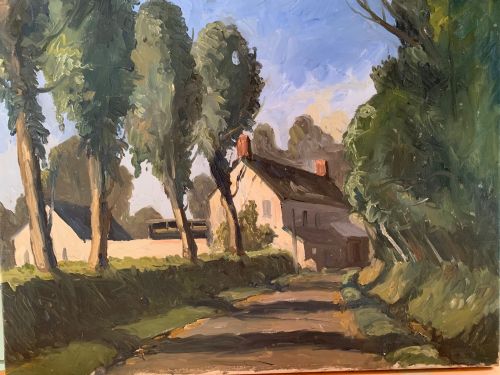
Canvas rural landscape art encompasses oil paintings depicting farms, rivers, cottages and agricultural laborers across the nineteenth and twentieth centuries. Buyers encounter works ranging from British Impressionist views of Yorkshire to Barbizon School scenes of French farmyards.
Subjects frequently include working horses, cottages, streams and figures engaged in rural labour. These works serve as visual records of changing agricultural communities and provincial life.
How They Were Made
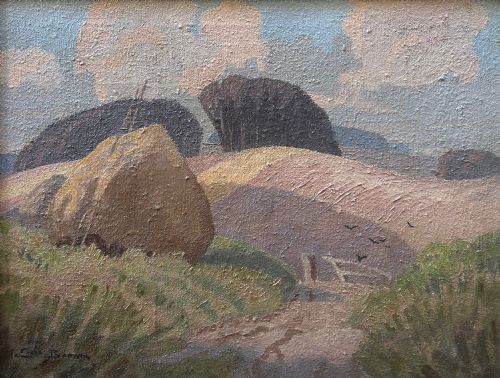
Artists applied oil paint directly onto stretched woven canvas using bristle brushes and palette knives to build texture and depth. Wood frames, often finished with giltwood, housed and protected these painted surfaces.
Painters utilised oil mediums for their slow drying time, allowing artists to blend tones and capture changing natural light outdoors. Canvas provided a durable and flexible support for expressive brushwork characteristic of impressionist and realist schools.
Listings feature oil paintings on canvas alongside wood supports, spanning periods from the Victorian era to the mid-twentieth century.
What Varies in Quality
Quality rests upon the artist's ability to handle light, atmosphere and proportion within the rural setting. Superior works demonstrate confident brushwork and precise anatomical rendering of figures and animals.
The cohesion of the composition and the preservation of the original canvas and gilt wood frame distinguish exceptional examples from standard provincial pieces.
Herbert Royle·Robert Morson Hughes·David Bates·John Horace Hooper·Ernest Higgins Rigg·William Greaves·Sydney Yates Johnson·Owen Bowen·Henry John Yeend King·William Henry Mander
The Canvas Rural Landscape Art Glossary
- Canvas
- A heavy woven fabric used as a support surface for oil paintings. It is typically stretched over a wooden frame before painting.
- Barbizon School
- A nineteenth-century art movement focused on realism in landscape painting, emphasising rural scenes and direct observation of nature.
- Giltwood
- Wood that has been coated with a thin layer of gold leaf or gilt. It is commonly found on traditional picture frames.
- British Impressionism
- An art style developed in the late nineteenth and early twentieth centuries characterised by visible brushstrokes and an interest in shifting light outdoors.
Canvas Rural Landscape Art: Frequently Asked Questions
What periods do these canvas rural landscape art pieces span?
The available works span from the late eighteenth century through the mid-twentieth century, with a strong concentration of pieces originating in the nineteenth and early twentieth centuries.
Collectors will find examples reflecting Victorian pastoral traditions as well as later impressionist and modern British movements.
How should I hang canvas rural landscape art at home?
These paintings suit traditional living spaces, studies and dining rooms where their pastoral themes complement classic architectural details. Natural light helps reveal the texture of the oil paint and the detail of the original gilt wood frames.
Avoid placing oil paintings in areas subject to excessive humidity or direct sunlight to preserve the canvas and pigments.
What subjects are common in canvas rural landscape art?
Common subjects include harvest fields, river valleys, thatched cottages and livestock such as shire horses and sheep. Figures engaged in daily rural labour or fishing frequently animate the scenery.
Many works document specific regional locations in Britain, France and Cornwall during distinct agricultural seasons.
How do I identify a nineteenth-century work?
Nineteenth-century works often exhibit the darker, earthier palettes of the Victorian era or the atmospheric realism associated with schools like the Barbizon painters. Examining the canvas preparation, stretcher frames and accompanying signatures helps establish the period.
Frame styles, such as period giltwood mouldings, also provide clues to the age and origin of the painting.