
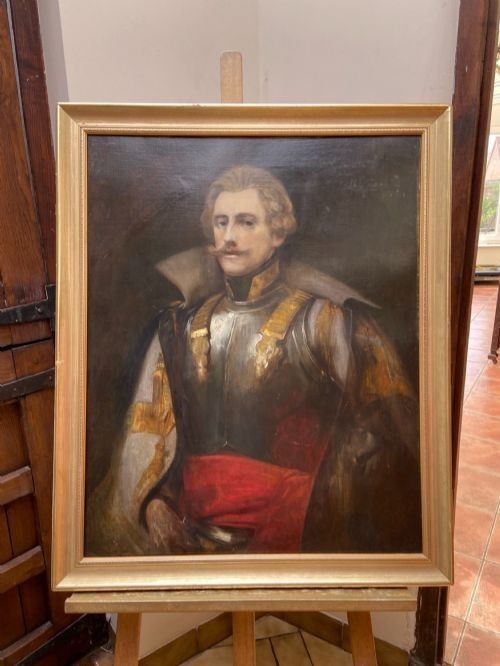
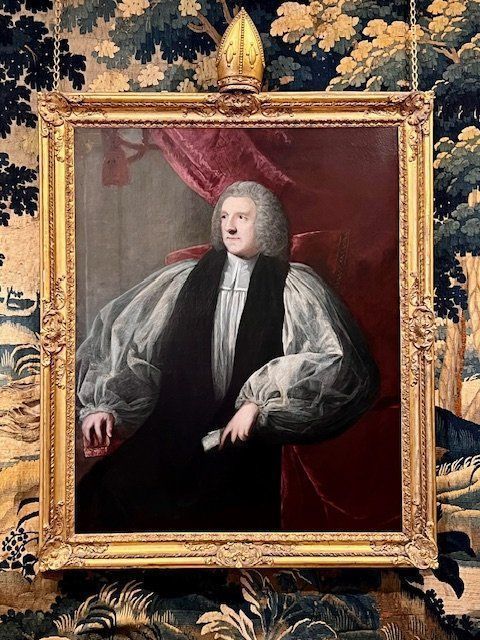
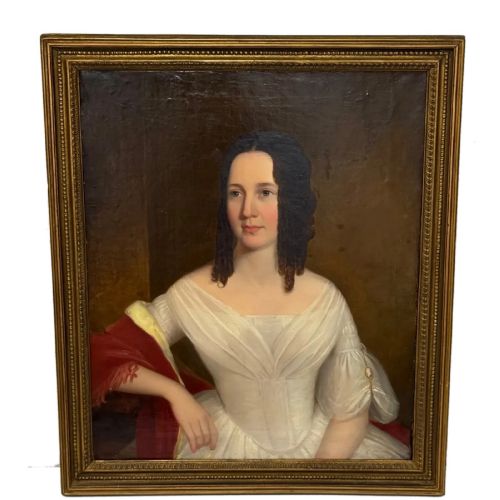
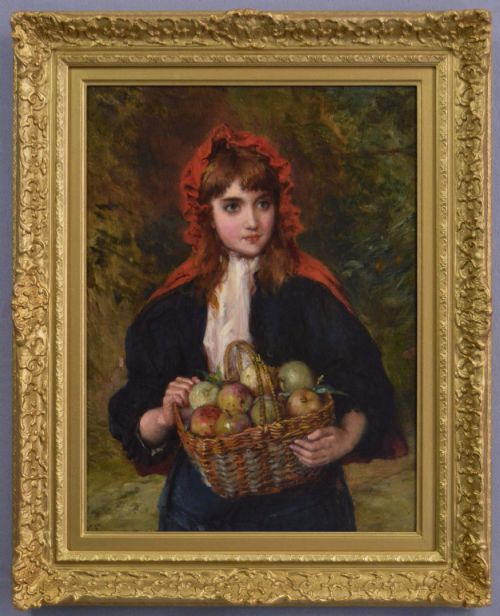



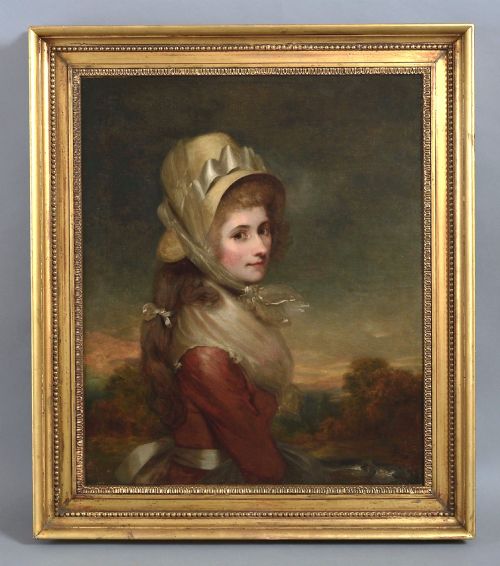
Canvas Oil Portrait Artwork
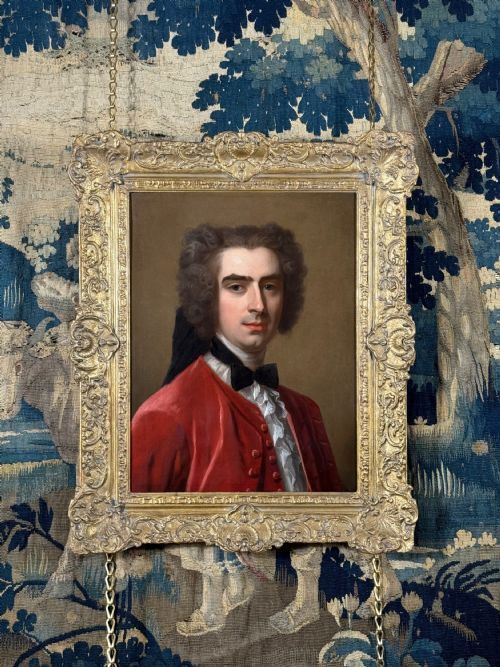
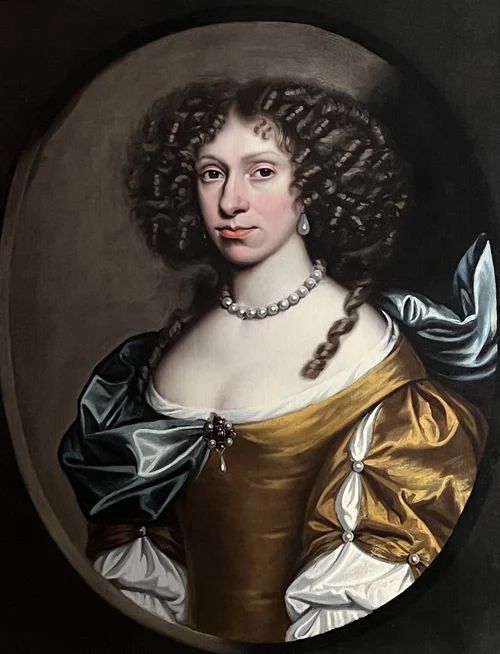
Canvas oil portrait artwork brings centuries of painted character into a room through rich, layered brushwork.
Canvas Oil Portrait Artwork
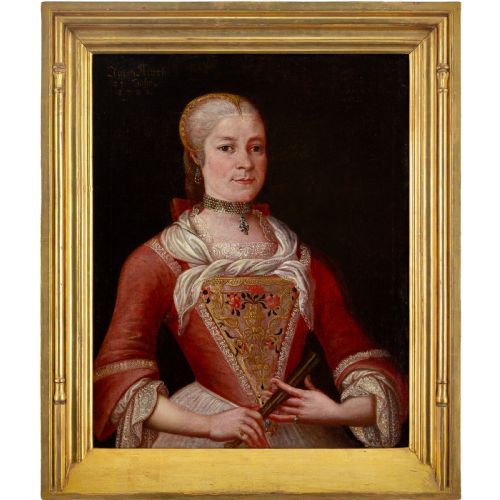
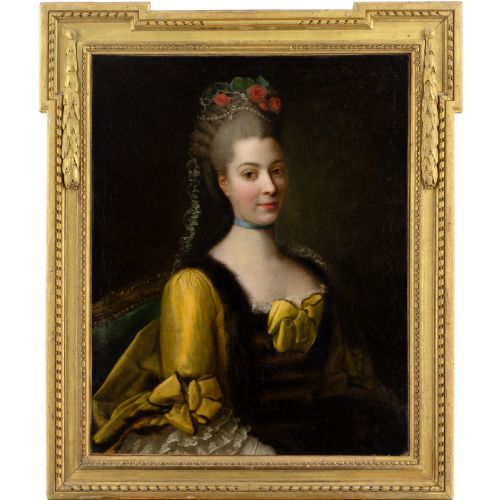
A canvas oil portrait artwork captures human likeness and character through the medium of oil paint applied to woven fabric supports. These pieces span from the 17th century through the 20th century, displaying shifting attitudes towards posture, dress, and psychological depth.
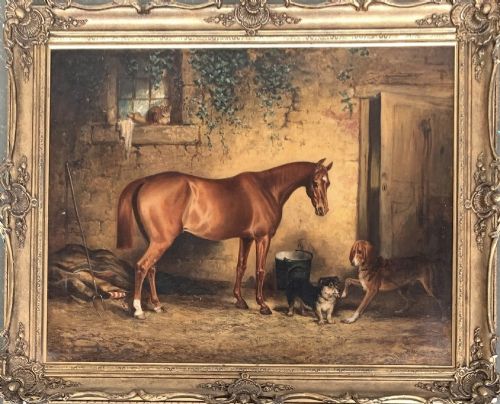
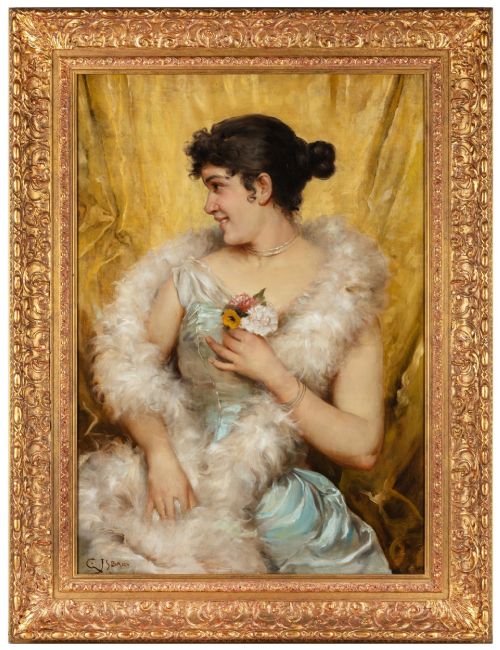
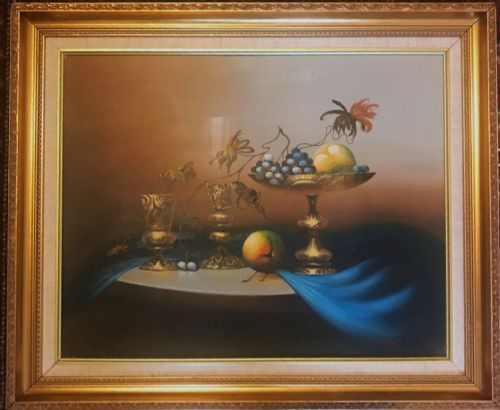
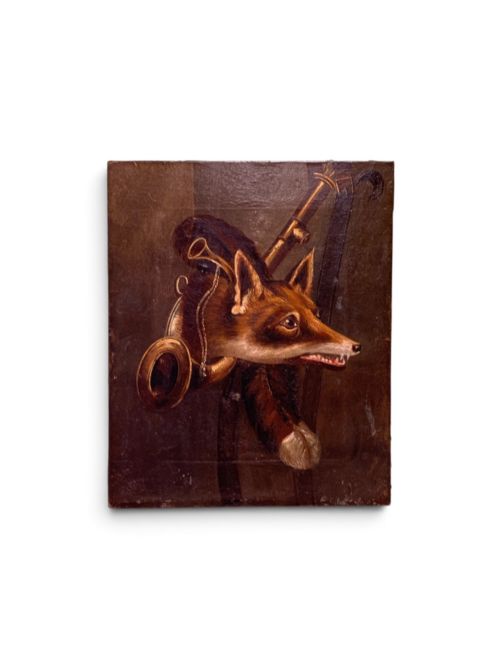
The selections available here range from austere 17th-century depictions of gentlemen and nobility to 19th-century realisms and romantic works. Portrait paintings sit alongside genre scenes and equine subjects, reflecting how artists applied oil on canvas techniques to both human subjects and broader artistic traditions.
Earlier examples often show subjects framed by heavy garments or architectural backgrounds, while later Victorian and Edwardian canvases capture more relaxed or expressive postures. Buyers will frequently encounter works originating from British and European hands, spanning Georgian, Regency, and Baroque sensibilities.
Distinguishing quality in painted portraits
The standard of a portrait often rests on the artist's ability to render facial expression, hands, and textiles with anatomical conviction and psychological presence. Superior works demonstrate a confident handling of light across skin and fabric, whereas lesser examples can feel stiff or formulaic in execution.
The integrity of the original canvas and the stability of the oil paint layer dictate the physical survival of the piece over centuries. Works that retain their original stretcher frames and untouched paint surfaces hold greater material authenticity than heavily restored canvases.
Several canvas oil portrait artworks feature subjects posing alongside unexpected companions, including racing pigeons and baskets of apples.
Sir Joshua Reynolds·David Scougall·Sir Peter Lely·Sir Godfrey Kneller·William Oliver
The Canvas Oil Portrait Artwork Glossary
- Oil on Canvas
- A painting medium where pigments are bound with drying oils and applied to a woven fabric support. This combination allows for rich colour saturation and subtle blending.
- Baroque
- An artistic style spanning the 17th and early 18th centuries characterised by drama, deep shadow, and dynamic composition. Portraits from this era often feature rich garments and intense lighting.
- Giltwood
- Wood carved and covered with a thin layer of gold leaf or gold paint. These frames are designed to complement the warm tones of old master oil paintings.
- Realism
- An artistic movement focused on depicting subjects truthfully without artificiality or romantic styling. 19th-century examples show everyday people and settings with close attention to detail.
- Provenance
- The documented history of ownership of a work of art. A clear lineage helps establish the authenticity and historical context of older portraits.
Canvas Oil Portrait Artwork: Frequently Asked Questions
How do I care for an oil painting?
Keep canvas oil portrait artwork out of direct sunlight and away from sudden temperature fluctuations that can cause the canvas to slacken or the paint to crack. Dust the surface gently with a soft, dry brush without applying pressure.
Avoid using water or chemical cleaners on the paint layer or the giltwood frame. Professional conservation should be sought if the canvas requires cleaning or structural repair.
How can I tell the period of a portrait?
Examine the style of clothing, hair, and accessories worn by the sitter, as these closely follow the fashions of the era in which the portrait was painted. Portrait posture and framing conventions also shift noticeably between the 17th, 18th, and 19th centuries.
Brushwork technique and canvas preparation methods provide further clues regarding age. Comparing the handling of paint to documented works from specific periods helps narrow down the date of creation.
What is the difference between an original and an after work?
An original portrait was painted directly from a live sitter by the artist or within their immediate studio circle. These pieces carry direct historical and artistic weight.
Works labelled as 'after' an artist are later interpretations or copies of a famous painting, often created for study or to commemorate a notable historical image.
Where should I hang a large antique portrait?
Select a wall with stable environmental conditions, away from damp areas, radiators, or direct heat sources that could damage the canvas and wooden frame. Ensure the wall structure can support the combined weight of the heavy wooden stretcher and gilt frame.
Position the painting at eye level where adequate ambient light can illuminate the details of the oil paint and canvas texture.