

Canvas Interior Painting
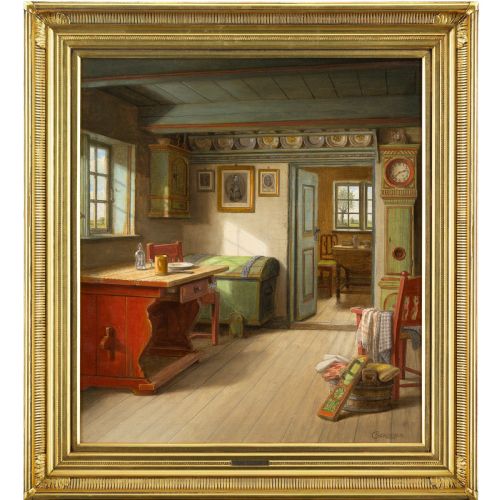
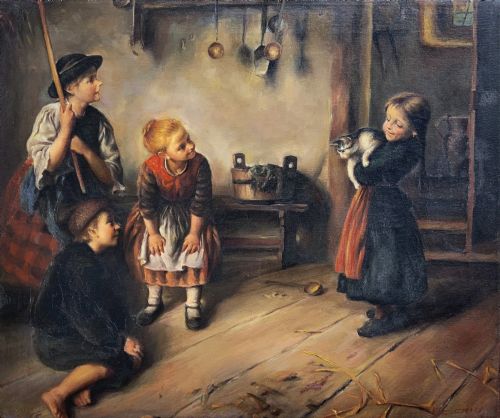
Canvas interior painting brings domestic rooms, taverns and quiet studies of the past onto stretched fabric.
Canvas Interior Painting
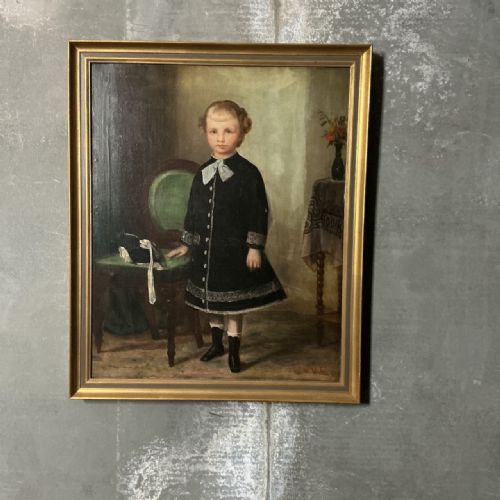
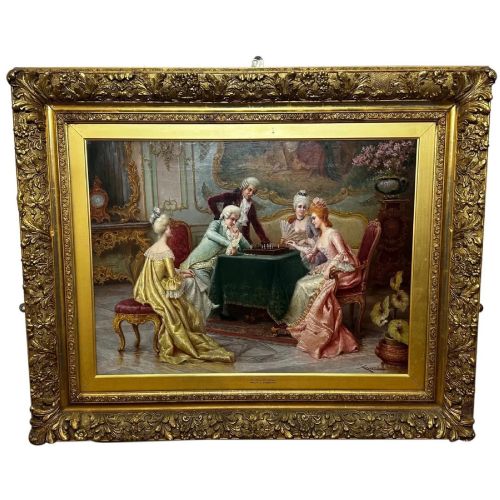
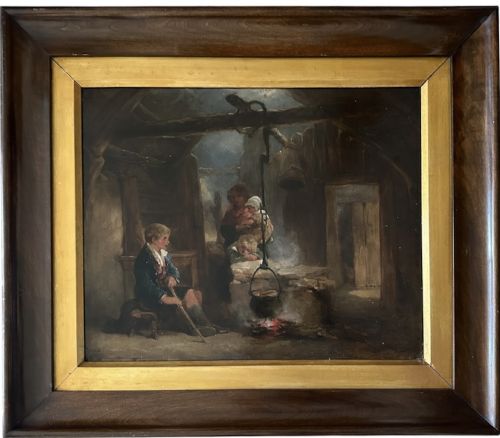
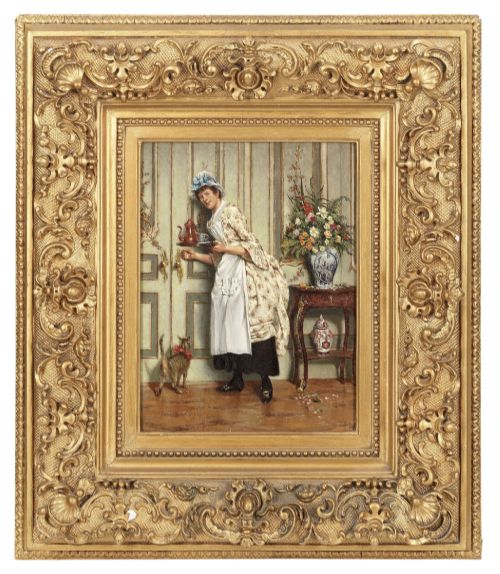
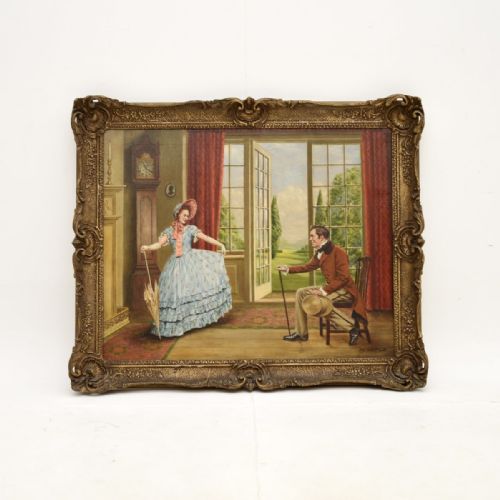
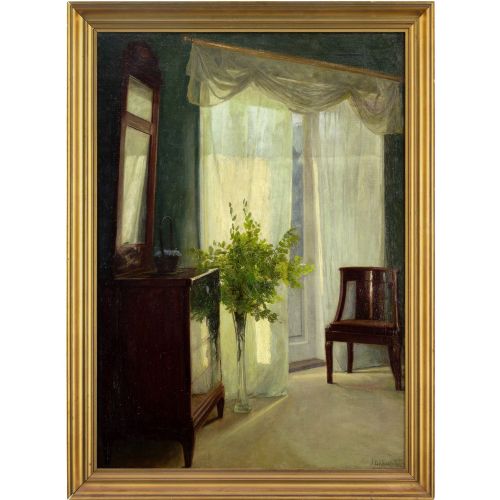
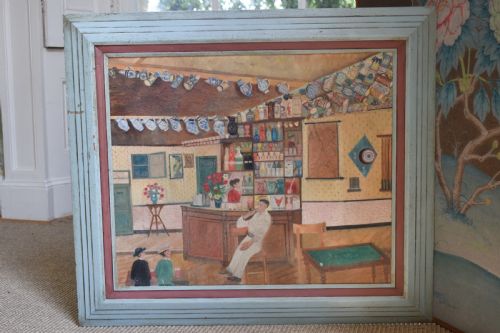
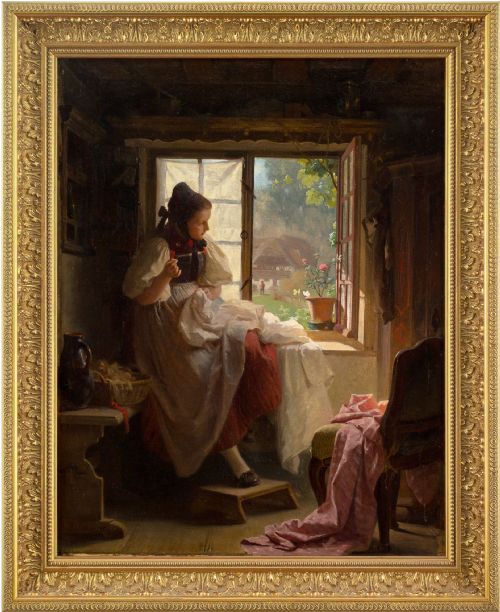
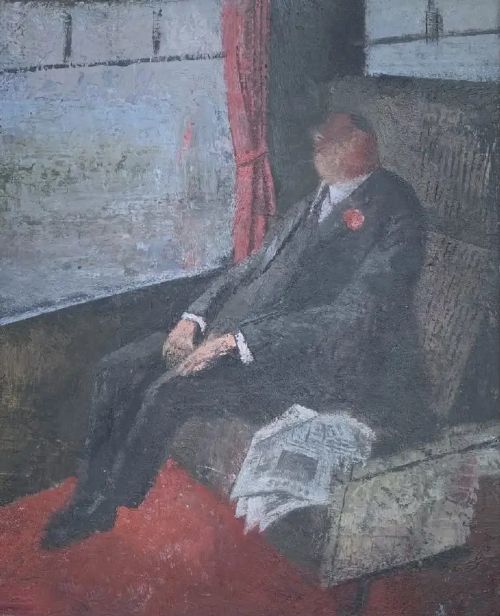
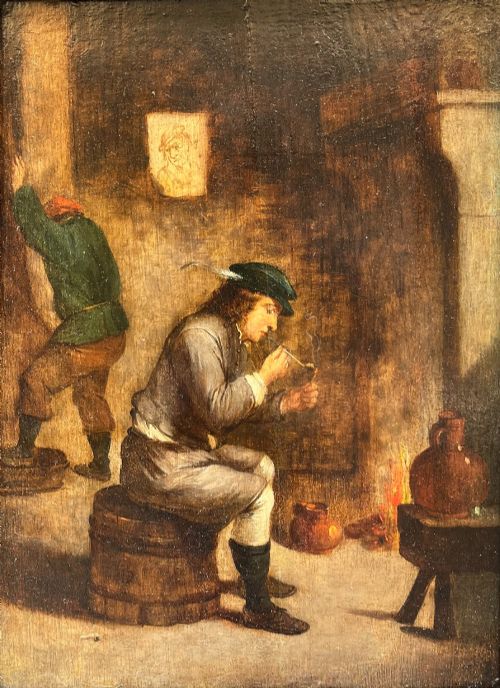
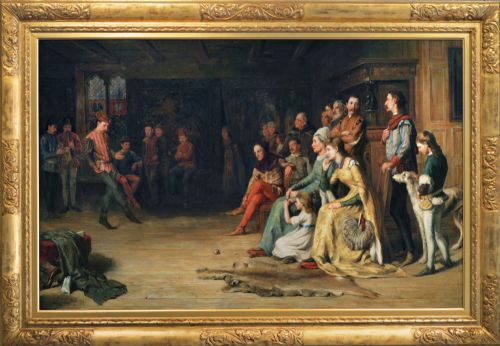
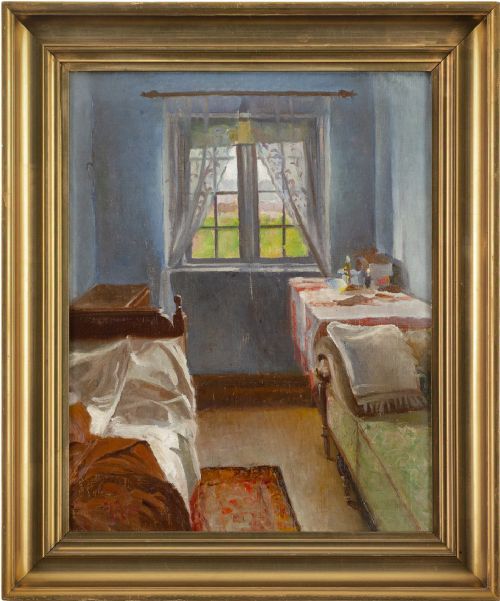
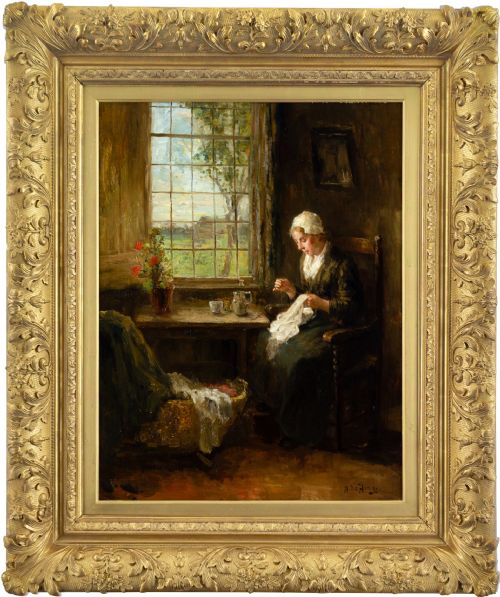
A canvas interior painting captures domestic scenes, quiet domestic moments, social gatherings and tavern rooms through oil on canvas. These works range from seventeenth-century Dutch subjects and Victorian genre pieces to twentieth-century Scandinavian and French compositions.
Buyers encounter country house settings, cottage interiors, artist studios and cardinal scenes executed by named artists and regional schools. The selection spans the seventeenth century through to the post-war period, with Victorian and nineteenth-century examples appearing frequently.
Materials and construction
Artists painted primarily with oil paint on stretched canvas, occasionally supported by wood panels or board. Gesso and gold leaf often finished the wooden frames that house these works.
The physical build relies on traditional stretcher frames holding woven canvas, layered with oil pigments to build light and shadow across interior architectural details.
Card-playing gentlemen and ducks resting on ponds occasionally share wall space.
Distinctions in execution
Quality rests in the handling of light through a doorway or window, the precise rendering of facial expressions in figures, and the structural integrity of the canvas and frame.
Stronger pieces demonstrate confident brushwork in complex group settings, whereas simpler works rely on straightforward domestic portraiture with less architectural depth.
Stephen Samuel Lewin·Alfred Lyndon Grace·Max Kaltenmoser·David Teniers·James Hamilton·Bernard De Hoog·Valdemar Magaard·Renato Moretti·Jacob Akkersdijk·Harry Brooker·Johann Hamza·Byam Shaw·Alexander Rosell·John Arthur Lomax·Albert Clark·Charles Haigh Wood·Frank Moss Bennett·Gabriel Puig Roda·Haynes King·James Kyd·Edwin Thomas Roberts·Robert Alexander Hillingford·Sandro Bini·Walter Dendy Sadler
The Canvas Interior Painting Glossary
- Genre painting
- Depiction of aspects of everyday life by subjects depicted in natural settings. These scenes often show domestic interiors, tavern gatherings or quiet cottage moments.
- Chiaroscuro
- The use of strong contrasts between light and dark, usually bold contrasts affecting a whole composition. Painters utilised this to create dramatic depth within enclosed rooms.
- Giltwood
- Wood carved and then decorated with gold leaf or gold paint. Many traditional frames encasing these works employ this finish.
- Stretcher
- A wooden frame on which canvas is stretched tight before painting. It provides the underlying structural support for the textile.
- Post-War
- Art produced in the decades following the Second World War. Pieces from this era introduce modernist interpretations of interior spaces.
Canvas Interior Painting: Frequently Asked Questions
What periods do these interior paintings cover?
The works span from the seventeenth century through the Victorian era up to mid-century modern pieces. Each period brings distinct architectural details and clothing styles to the domestic scenes.
Nineteenth-century academic and genre realism forms a substantial portion of the available selection, alongside twentieth-century interpretations.
How were these canvas works framed?
Many paintings retain their period frames constructed from wood, gesso and giltwood. Elaborate leaf-cast frames frequently accompany Victorian and nineteenth-century works.
Frames protect the canvas edges and contribute significantly to the historical presentation of the artwork.
Where were these domestic scenes typically set?
Settings range from wealthy country houses and artist studios to modest cottages and Dutch taverns. Figures are often shown reading, dining, sewing or entertaining households.
These locations provide social history alongside the artistic composition, reflecting the domestic habits of past eras.
How do I care for an oil painting on canvas?
Keep the canvas away from direct sunlight, damp environments and extreme temperature fluctuations. Light dusting with a soft, dry brush preserves the oil surface.
Avoid using liquid cleaners on the paint or the giltwood frame to prevent moisture damage.