



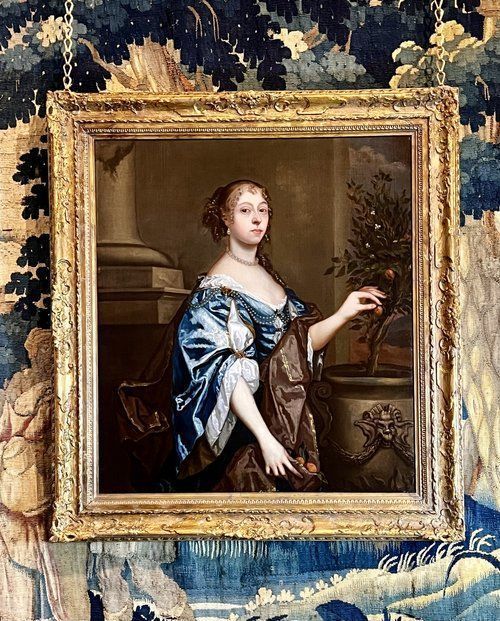
Canvas Female Portrait
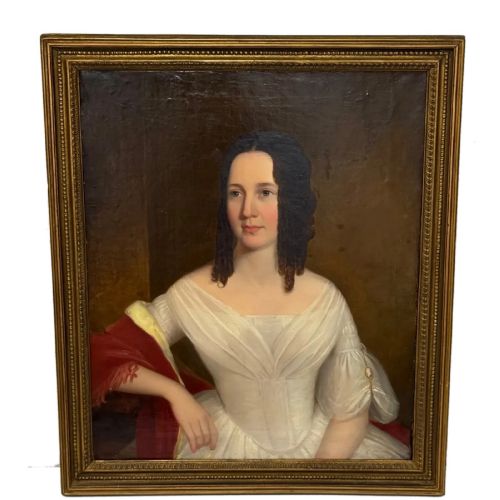
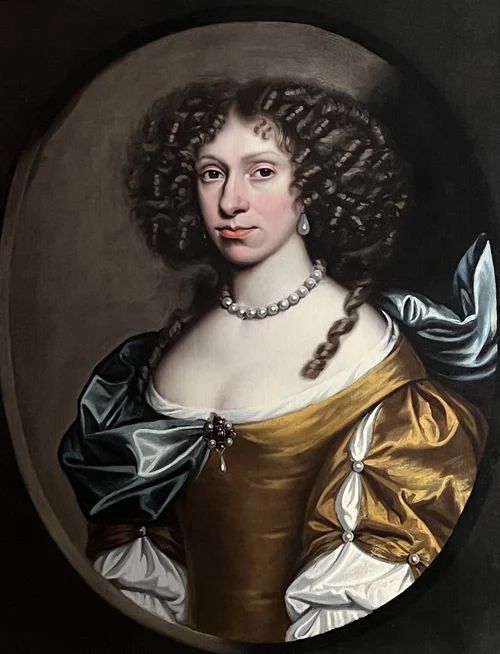
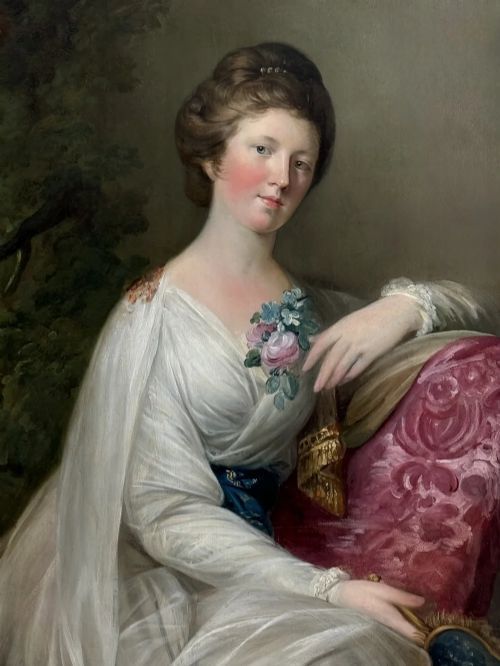
A canvas female portrait captures the character and dress of past centuries through oil paint and brushwork on woven fabric.
Canvas Female Portrait
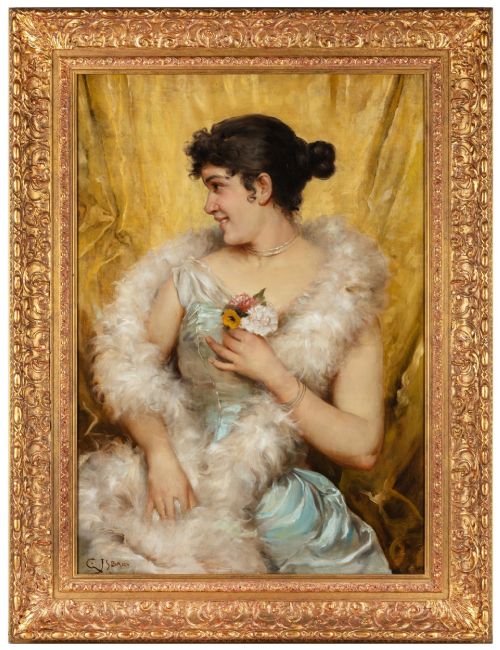
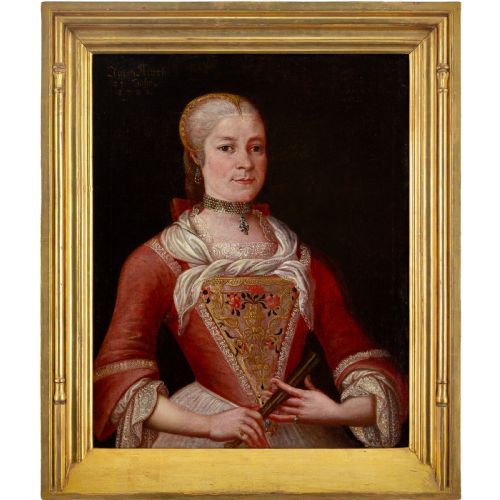
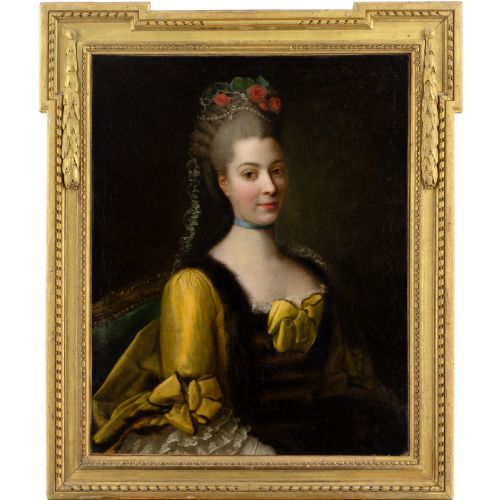
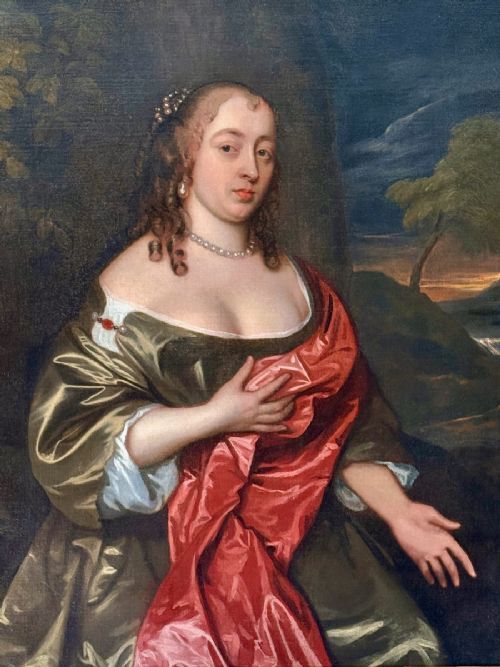
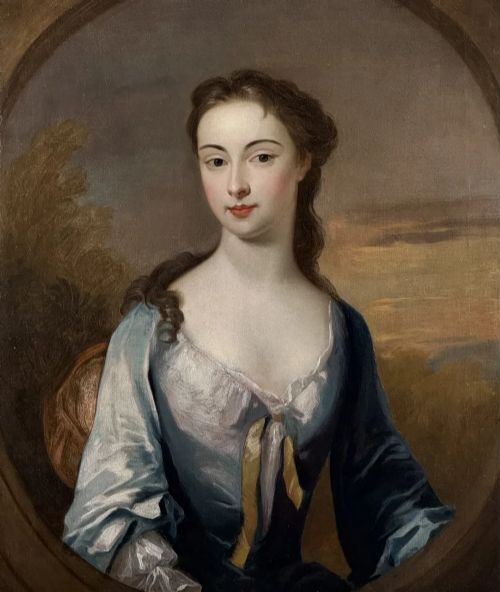
A canvas female portrait brings historical presence into a room, depicting sitters ranging from noblewomen to country girls. The selection spans centuries from the seventeenth through to the mid-twentieth century, recording changes in fashion, status and artistic convention.
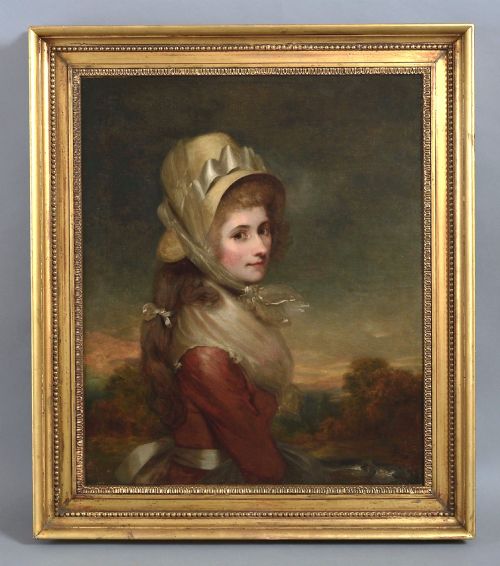
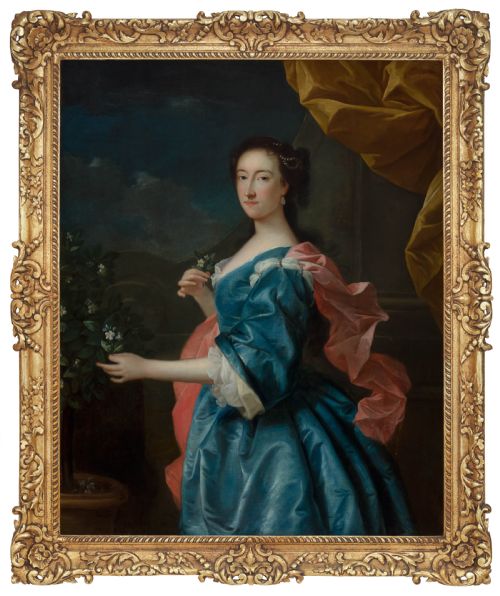
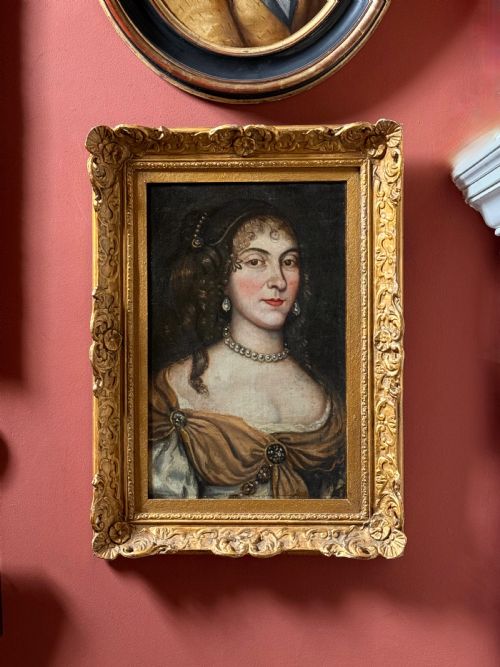
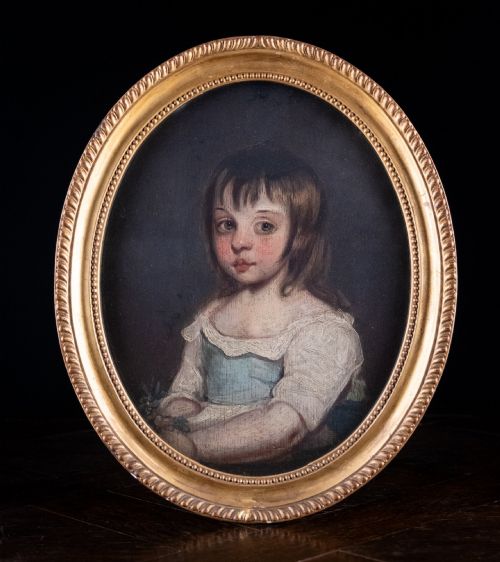
The dominant form on this page is the oil painting on canvas, often presented in its original or period frame. Pieces vary from grand aristocratic depictions attributed to established studios to intimate portrayals by regional or unknown hands.
Subjects appear in diverse settings, from extensive landscapes and domestic interiors to minimal backgrounds that focus entirely on the sitter. Alongside formal commissions, the selection includes self-portraits, informal studies and later interpretations of earlier styles.
Markers of distinction
Quality in a canvas female portrait rests primarily on the skill of the brushwork and the psychological depth achieved in the sitter's expression. Superior examples demonstrate a confident command of anatomy, fabric texture and light falling across skin and drapery.
Condition and originality further divide the range, with preference given to works retaining their original canvas and untouched paint layers. The harmony between the painting and its period frame also influences the overall integrity of the piece.
Several ladies are immortalised mid-task, caught forever holding fresh oranges or peering out alongside family pets.
John Hayls·David Scougall·Charles Jervas·George Willison·Jeremiah Davison·Pieter Borsseler·Sir Peter Lely·Thomas Beach·Sir Thomas Lawrence·John Opie
The Canvas Female Portrait Glossary
- Canvas
- A heavy woven fabric, typically linen or cotton, stretched tightly across a wooden frame to serve as a stable support for oil painting.
- Giltwood
- Wood carved and coated with a thin layer of gold leaf or metallic powder, commonly used for ornate historical picture frames.
- Underpainting
- An initial monochrome or toned layer of paint applied to the canvas to define tonal values and composition before colour is added.
- Attribution
- An informed scholarly opinion assigning a painting to a specific artist's studio, circle or hand based on style and technique when a signature is absent.
- Stretcher
- The internal wooden frame that holds the canvas taut, allowing the fabric to be adjusted to maintain proper tension.
Canvas Female Portrait: Frequently Asked Questions
How do I date an antique portrait?
Dating relies heavily on the style of clothing, hair and headdress worn by the sitter, as these followed strict fashion periods. Technical clues such as the weave of the canvas and the composition of the stretcher frames also help narrow down the decade.
Signatures, inscriptions on the reverse, and historical records or provenance documentation provide the most definitive chronological markers when available.
What does attributed to an artist mean?
An attribution indicates that experts judge the work to be by a named artist or from their immediate studio and working circle, based on stylistic similarities. It is used when there is no signature or direct documentation to prove authorship beyond doubt.
Such pieces reflect the working methods and aesthetic standards of the master's workshop during that period.
How should I care for an oil on canvas?
Keep paintings away from direct sunlight, radiators and damp environments to prevent the canvas from slackening and the paint from cracking. Maintain a stable room temperature to protect both the fabric and the wooden frame.
Dust the surface gently with a soft, dry brush and avoid using water or chemical cleaners on the paint layer.
Are these portraits always painted from life?
Many formal commissions were painted from live sittings, though prominent subjects often employed stand-ins or relied on preliminary sketches for clothing and backgrounds. Later or posthumous works were frequently copied from earlier portraits or painted from preparatory studies.
Informal studies and self-portraits are more likely to have been completed directly from the artist's observation.