
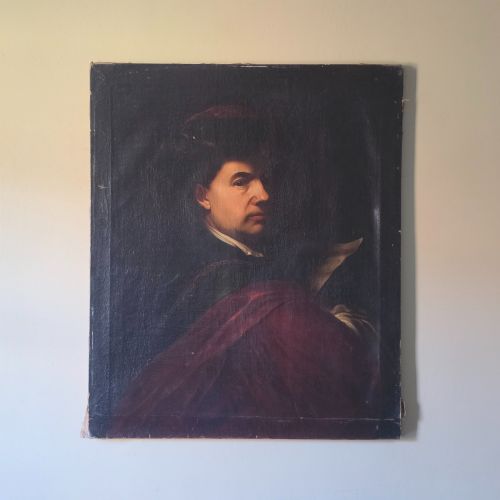
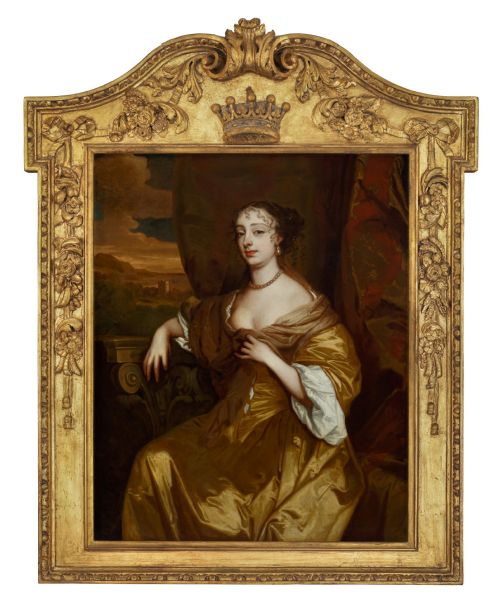
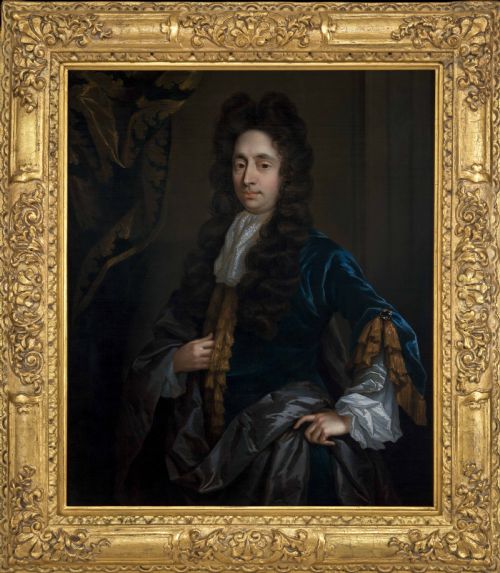
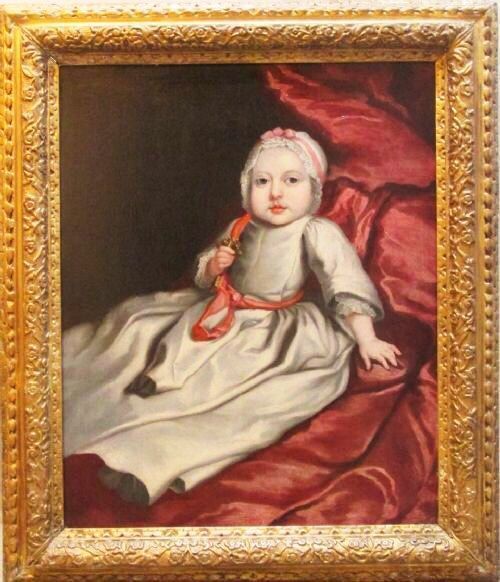
Canvas Baroque Portrait Painting
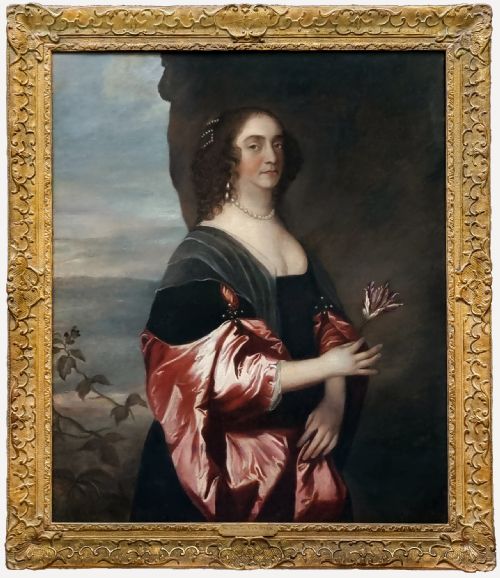
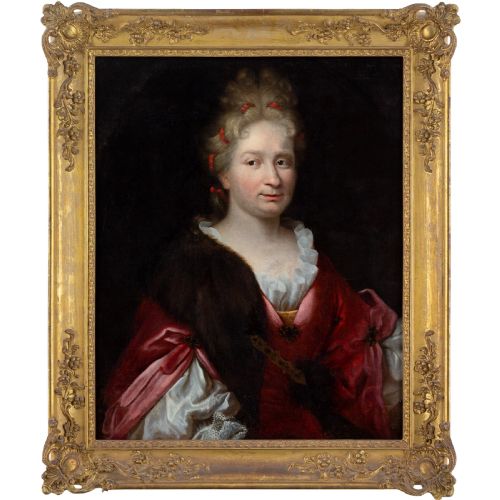
A canvas baroque portrait painting captures aristocratic sitters and dramatic lighting across the seventeenth and eighteenth centuries.
Canvas Baroque Portrait Painting
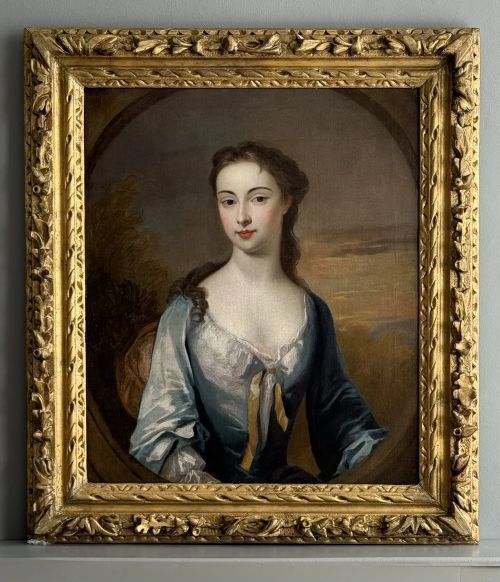
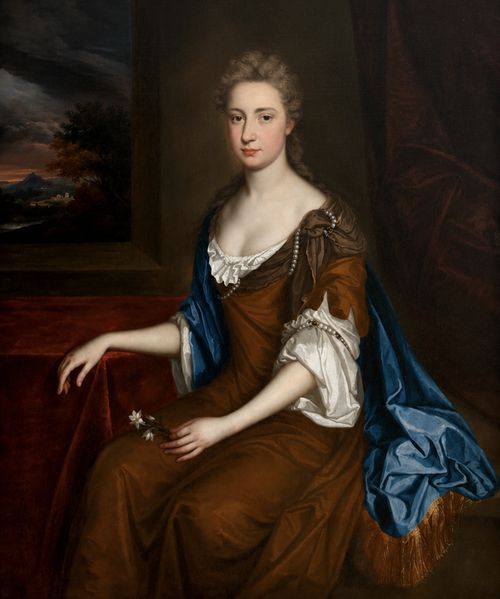
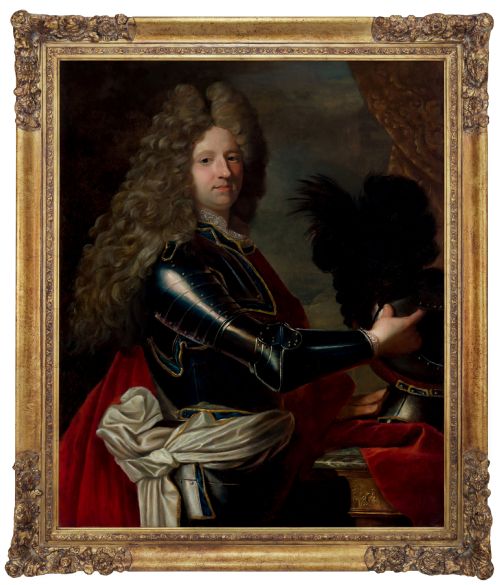
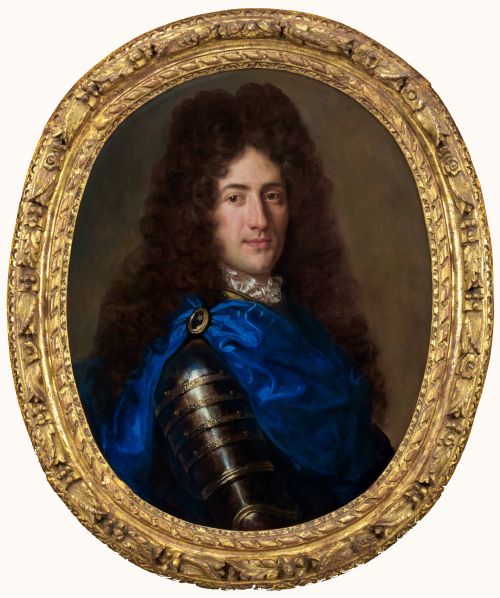
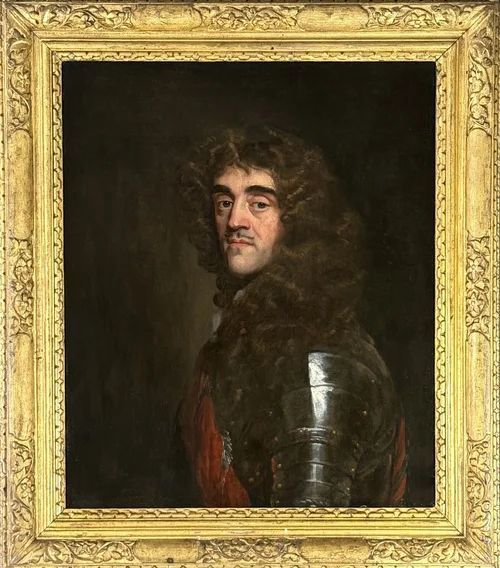
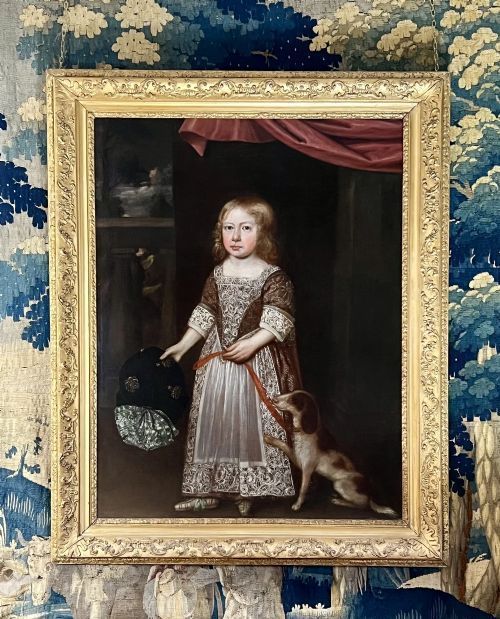
A canvas baroque portrait painting presents sitters ranging from nobility and military officers to composers and children, often depicted in rich garments with symbolic accessories.
The selection on this page centres on seventeenth-century and eighteenth-century works, alongside later interpretations and regional schools including British, Dutch, French, and Italian examples.
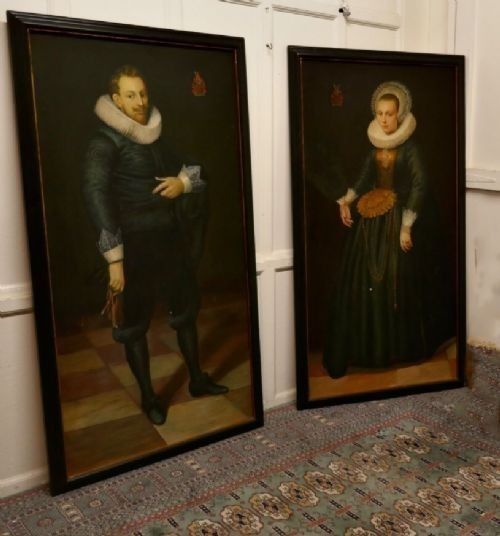
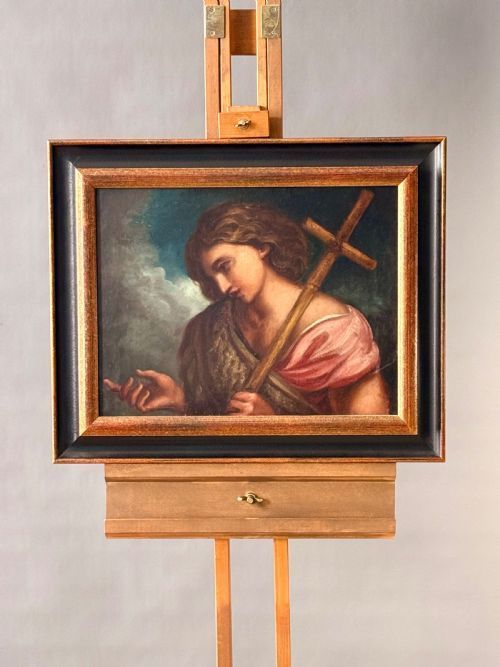
Works appear as individual half-length canvases, paired marriage portraits, and classical subject compositions framed in giltwood or carved wood.
Materials and construction
Painters utilised oil paint applied to woven canvas supports, sometimes using vinyl canvas in later reproductions.
Frames incorporate giltwood, gold leaf, and carved wood to complement the ornate aesthetic of the period.
Regional schools represented include British, Dutch, French, Italian, and Northern European traditions.
Assessing the execution
Execution ranges from primary studio output and attributed master works to wider regional schools and later commemorative copies.
Depth is determined by the finesse of facial modelling, textile rendering, and the preservation of the original oil layers.
Hyacinthe Rigaud·Sir Peter Lely·Mary Beale·Sir Godfrey Kneller
The Canvas Baroque Portrait Painting Glossary
- Baroque
- An artistic style originating around sixteen hundred, characterised by dramatic tension, deep shadows, and rich detail. It prioritises movement and grandeur over Renaissance restraint.
- Giltwood
- Wood coated with a thin layer of gold leaf or gold paint. This technique creates opulent frames that enhance oil paintings.
- Studio of
- A term indicating a work produced by assistants or pupils working closely under a master. It reflects the workshop practices of the period.
- Periwig
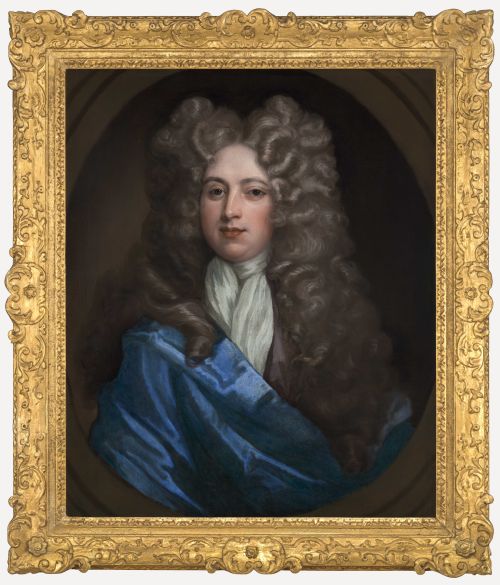
- A voluminous artificial hair wig popular among elite men during the late seventeenth and early eighteenth centuries. It frequently appears as a marker of high status in portraiture.
Canvas Baroque Portrait Painting: Frequently Asked Questions
What do clothing details indicate in these portraits?
Garments such as armour, velvet cloaks, and lace collars signify the high social standing, military rank, or profession of the sitter.
Artists used these elaborate textiles to signal wealth and influence to contemporary viewers.
How are studio works distinguished from primary paintings?
Studio pieces originate from the workshops of established masters, executed by assistants following the primary composition.
They offer an insight into the collaborative production methods of seventeenth and eighteenth-century painters.
What framing is typical for these canvases?
Many works are housed in carved giltwood frames finished with gold leaf, which were designed to complement the grandeur of the paintings.
Original period frames contribute significantly to the historical context of the artwork.
Why do some portraits include symbolic objects?
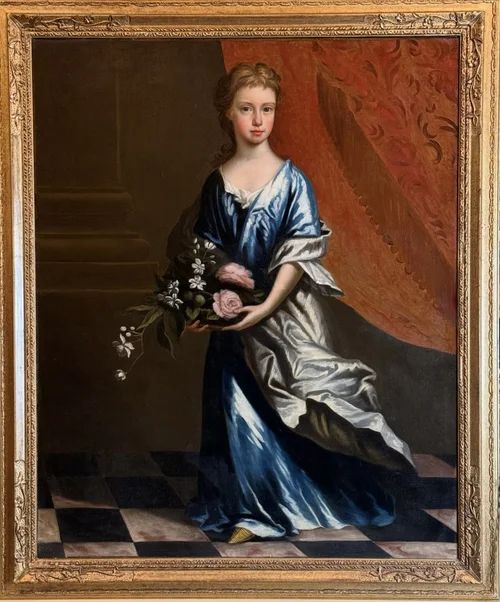
Props such as orange trees, curtains, or classical columns denote lineage, prosperity, or allegorical themes chosen by the patron.
These elements help historians identify the sitters and understand the narrative behind the commission.