




Canton Enamel Porcelain
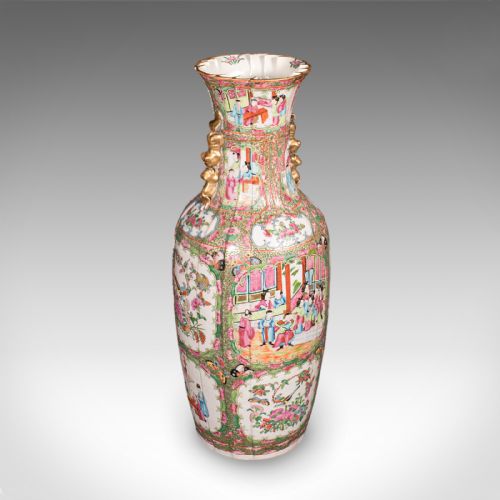
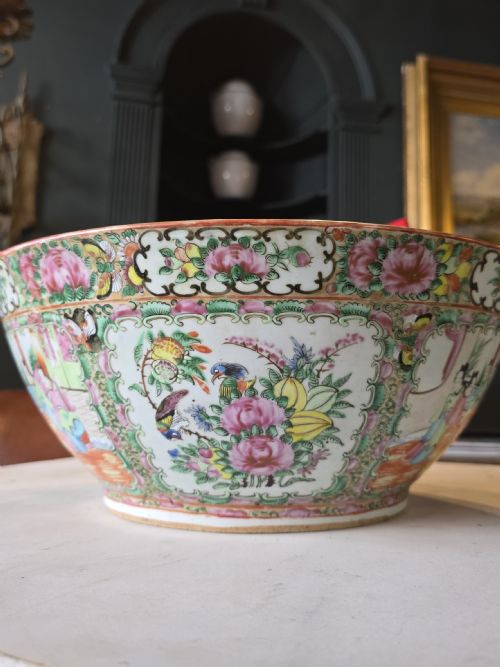
These pieces of canton enamel porcelain bring vibrant Qing Dynasty palette work and hand painted panels into domestic spaces.
Canton Enamel Porcelain
You are most likely to meet nineteenth century examples created for Western markets, often decorated with characteristic Cantonese motifs. These pieces range from monumental floor vases to delicate dishes and table lamps adapted from earlier ceramic bodies.
Materials and Techniques
The construction relies on white porcelain bodies painted with overglaze enamels, incorporating rich gold leaf and gilding to accentuate intricate borders and figurative scenes. Artisans in Canton applied these pigments by hand over a fired glaze base, frequently returning the pieces to the kiln for fixing.
Brass fittings and hardwood stands occasionally accompany the ceramic elements, particularly in larger floor vases and table lamps. The distinctive palette relies heavily on rose pinks, greens, and vibrant turquoise highlights typical of the period.
Several pieces double as converted table lamps, shedding light on how Victorians repurposed giant vases into modern conveniences.
Judging Quality
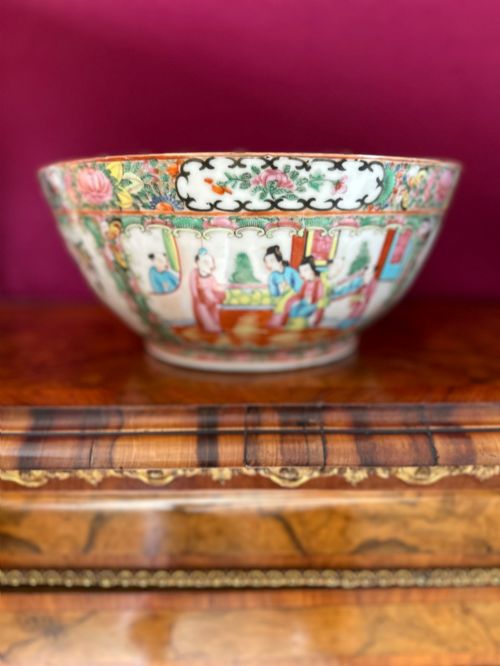
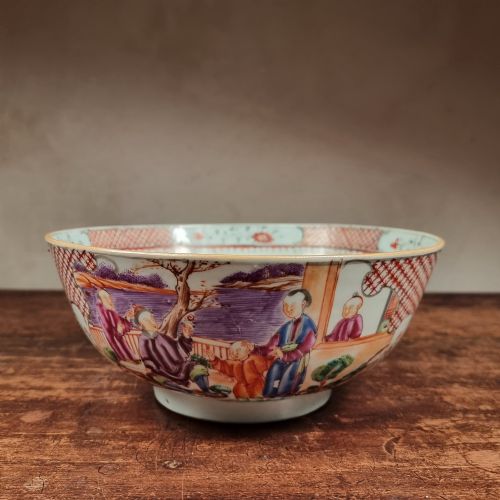
Quality rests in the crispness of the hand painting and the density of the enamel work across the porcelain surface. Superior examples display finely rendered figures within domestic courtyard scenes, surrounded by meticulously executed butterfly and floral borders without blurring.
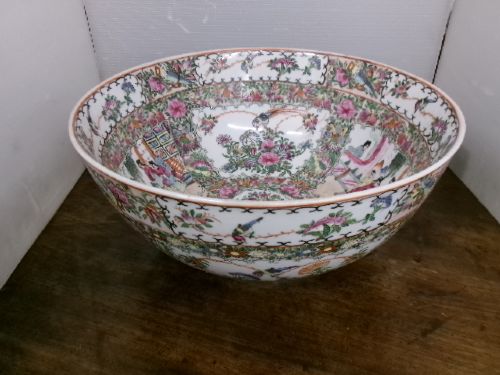
The weight and proportion of the ceramic body also determine the tier of the piece, alongside the preservation of the gold leaf highlights. Heavier, monumental forms and well maintained punch bowls command attention through their structural presence and clarity of colour.
The Canton Enamel Porcelain Glossary
- Famille Rose
- A major palette of Chinese ceramic glazes introduced in the Qing Dynasty, distinguished by opaque pink enamel derived from colloidal gold. This palette dominates the decorative panels seen on nineteenth century export wares.
- Famille Verte
- A contrasting green dominant enamel palette utilised on Chinese porcelain before and alongside later rose styles. It relies on translucent green pigments combined with iron red and blue.
- Rose Medallion
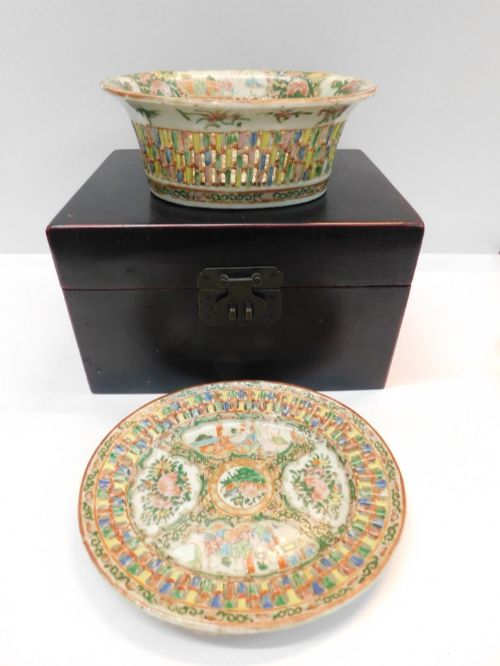
- A specific decorative layout featuring partitioned panels of figures interspersed with birds, flowers, and fruit around a central medallion. This pattern is widely found on large nineteenth century bowls and vases.
- Reticulated
- Pierced or openwork detailing carved into the porcelain body before firing, often seen on chestnut baskets and stands. This technique requires considerable skill to prevent warping in the kiln.
- Jardiniere
- A large ornamental ceramic pot designed to hold growing plants or flowers. These vessels often feature heavy potting to support soil and moisture.
Canton Enamel Porcelain: Frequently Asked Questions
How do I date canton enamel porcelain?
Dating relies on stylistic markers, palette characteristics, and the reign marks or export periods recorded in the evidence. Most items span the nineteenth century, particularly the Daoguang and Guangxu periods.
Examinations of the base, the thickness of the overglaze enamels, and the application of gold leaf help differentiate earlier eighteenth century export pieces from Victorian era imports.
Were these pieces made for export?
The majority of these wares were produced in Canton specifically for Western export markets during the Qing Dynasty. Traders commissioned shapes and decorative schemes tailored to European and American tastes.
This exchange explains the presence of large punch bowls, pedestal dishes, and domestic lamps alongside traditional Chinese vase forms.
How should I clean canton porcelain?
Maintenance requires gentle dusting with a soft, dry cloth to protect the delicate overglaze enamels and gold leaf highlights. Avoid harsh chemical cleaners or abrasive scouring pads that might damage the surface.
Display the pieces away from direct, harsh sunlight to preserve the vibrancy of the pink and green pigment layers over time.
What is Rose Medallion?
Rose Medallion is a distinct decorative style featuring alternating panels of figures and birds set against a densely patterned background of flowers and butterflies. It covers the exterior of large bowls, plates, and vases.
This layout became extremely popular during the nineteenth century and remains one of the most recognisable forms of Cantonese export porcelain.