



Canine Canvas Art
Canine canvas art captures historical bonds through painted canine portraits, offering collectors enduring depictions of sporting and companion dogs.
Canine Canvas Art
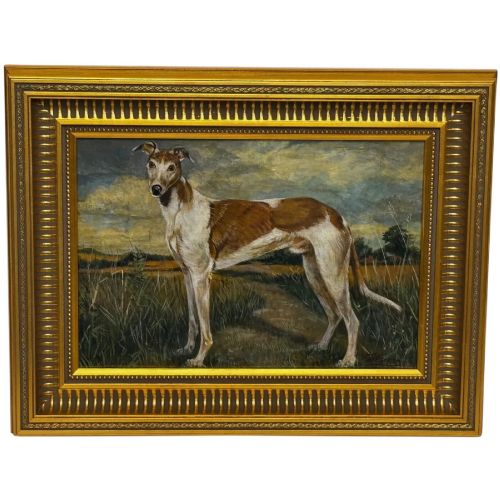
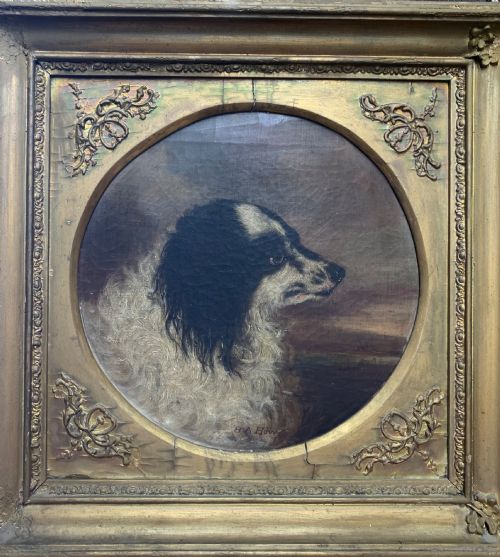
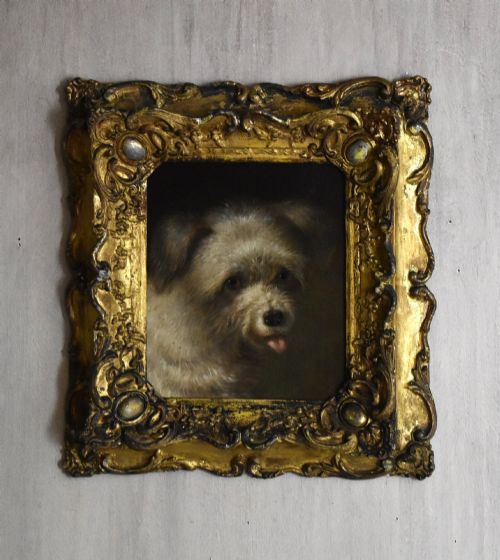
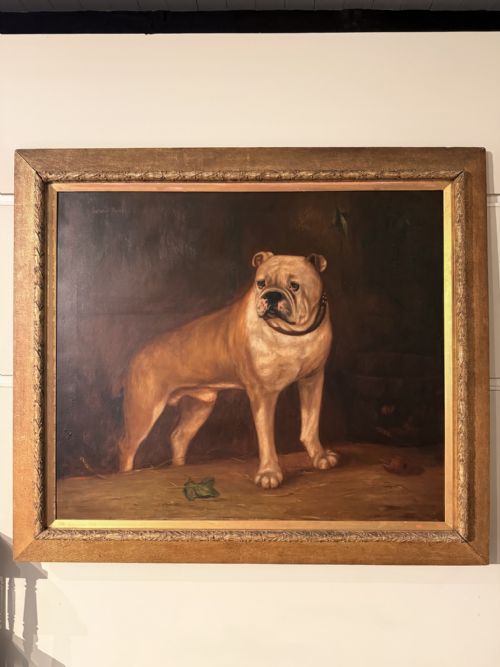
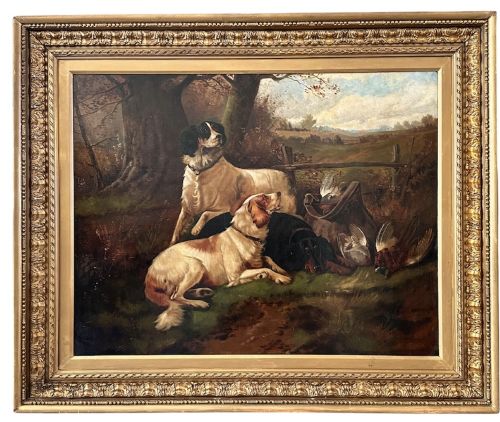
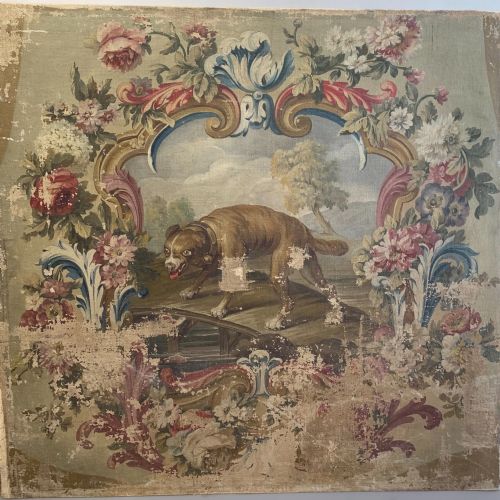
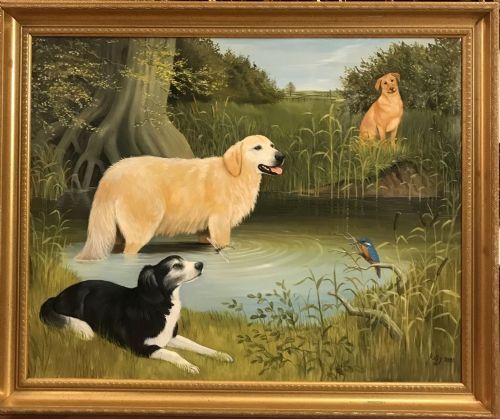
When searching for canine canvas art, collectors encounter oil paintings on canvas depicting spaniels, terriers, hounds, and sporting dogs. These works range from intimate animal portraits to larger Victorian sporting scenes set in landscapes or interiors.
The most common pieces on this page originate from the nineteenth and early twentieth centuries, reflecting a strong historical tradition of portraying valued working animals and beloved pets. These canvases preserve the specific breed characteristics and artistic styles of their respective periods.
Pieces span from Regency origins through Victorian realism into mid-century interpretations, showing how canine subjects adapted to changing artistic tastes. Each painting offers a direct view into historical domestic and sporting life.
Materials and Technique
Paintings utilise oil paint applied to woven canvas surfaces, frequently supported by wooden stretchers and housed within ornate gilt or giltwood frames. The interaction between rich oil pigment and fabric creates depth and texture within the animal coats.
Artists layered oil paint to capture the specific sheen of fur, utilising fine brushwork for facial expressions and broader strokes for natural landscapes. Gold leaf and carved wood frames completed these traditional works.
Several canvases capture dogs actively interrupting domestic harmony, from rat-hunting terriers in barns to hounds guarding the day's bag.
Evaluating Quality
Quality rests in the anatomical accuracy of the animal, the expressive handling of the eye and coat, and the harmony of the surrounding landscape. Master artists achieved lifelike vitality that lesser works lack.
The sophistication of the composition and the preservation of the original canvas surface elevate certain paintings above standard decorative portraits.
Valentine T. Garland·Martin Theodore Ward·John Sargent Noble·John Emms·LM Webb·William Barraud·Colin Graeme Roe·John Trivett Nettleship·Sir Edwin Landseer·Alfred Duke·Florence Mabel Hollams·Philip Eustace Stretton
The Canine Canvas Art Glossary
- Oil on Canvas
- A painting medium where pigments suspended in drying oils are applied to a woven fabric surface stretched across a wooden frame. This combination allows for rich blending and textured brushwork.
- Giltwood
- Wood carved and covered with a thin layer of gold leaf or metallic powder. It provides a reflective, decorative border typical of antique picture frames.
- Sporting Art
- Genre of fine art depicting field sports, hunting scenes, and working animals. It documents the animals and activities associated with rural pursuits.
- Victorian Realism
- Artistic approach aiming to represent subject matter truthfully and accurately without artificiality. In animal painting, this manifests as precise breed representation and naturalistic lighting.
Canine Canvas Art: Frequently Asked Questions
How do I identify the period of a dog painting?
Examine the canvas preparation, stretcher construction, and framing techniques alongside the painting style and costume details of any human figures present. Nineteenth-century works typically display heavier linen weaves and distinct framing profiles.
Breed standards and historical painting conventions also provide strong chronological clues. Comparing the piece to dated examples by known artists helps narrow the decade of creation.
Where were these dog portraits displayed originally?
Historical dog paintings generally hung in country houses, sporting estates, and Victorian parlours to celebrate prized hunting dogs or family pets. They served as status symbols and personal tributes.
Owners commissioned artists to record the likenesses of champion racers, working gundogs, and faithful companions. These artworks anchored the social and domestic identity of the household.
How should I care for an antique oil painting?
Keep the canvas away from direct sunlight, extreme temperature shifts, and high humidity to prevent cracking of the oil paint and warping of the wooden stretcher. Gentle dusting with a soft, dry brush maintains the surface.
Avoid using water or chemical cleaners on the paint or the gilt frame. Professional conservators should handle any structural repairs or deep cleaning.
What distinguishes sporting art from simple pet portraits?
Sporting art places emphasis on working animals engaged in rural pursuits like hunting, shooting, or racing, often within detailed landscape settings. These compositions highlight athletic performance and breed utility.
Standard pet portraits focus primarily on the individual companion animal within domestic interiors. Both genres share technical methods but serve distinct historical traditions.