




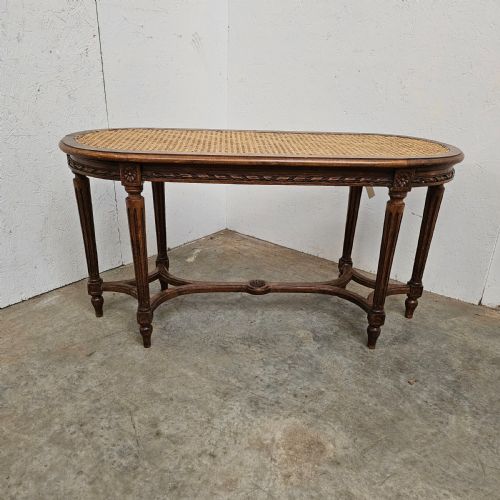


Caned Wooden Bed
A caned wooden bed brings lightness and classic texture to a bedroom through woven panels set within solid timber frames.
Caned Wooden Bed
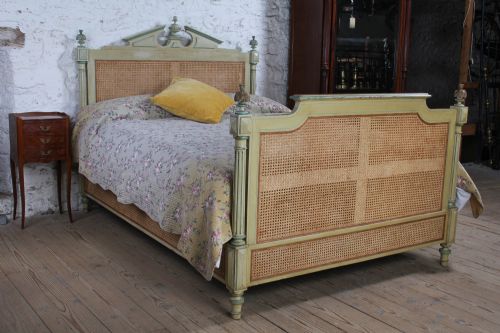
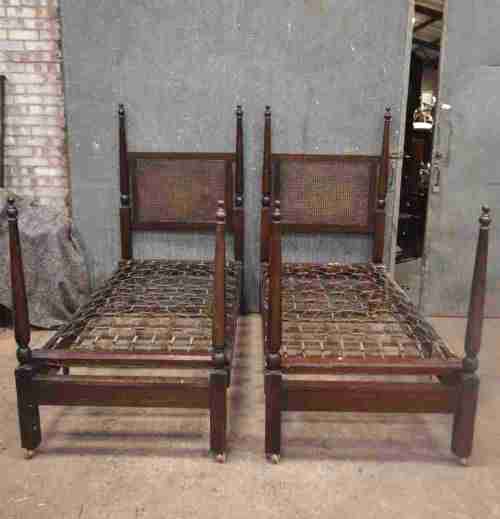
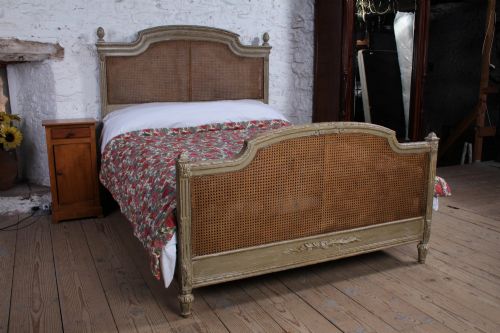
A caned wooden bed combines timber construction with woven cane or rattan panels set into headboards, footboards, or daybed frames. These pieces span the nineteenth and early twentieth centuries, appearing in forms from standard single and double beds to daybeds and campaign furniture.
The aesthetic draws heavily on French design traditions, including Louis XVI and Empire styles, alongside colonial campaign pieces and Anglo-Indian variants. Structural forms range from simple painted bedsteads to carved beech and mahogany frames.
Buyers will encounter various sizes, including king and super king proportions, alongside specialist items like cradles, cribs, and window seats utilising the same woven technique.
Materials and construction
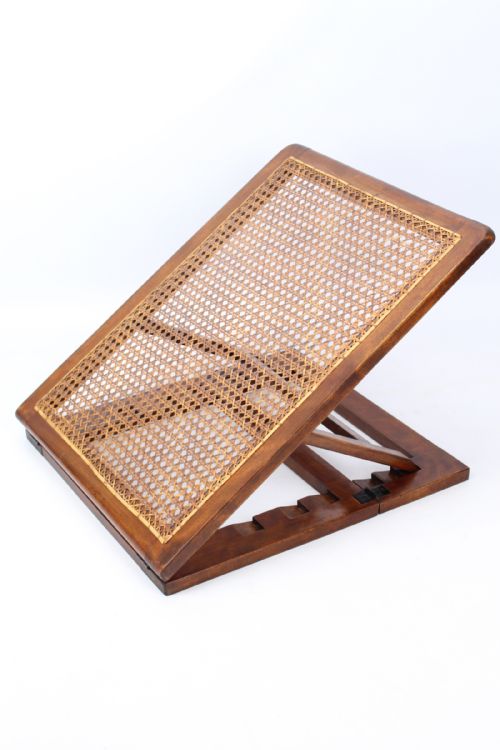
Panels utilise cane, rattan, or painted timber woven tightly into the frame to provide flexible support and breathable decorative surfaces. Folding mechanisms appear on campaign furniture designed for portability during the nineteenth century.
Caned Wooden Bed Retail Price Guide 2026
Typical asking prices for caned wooden bed among the pieces listed under this phrase on Sellingantiques today, from the lower quarter to the upper quarter. They describe what is for sale here now, not the wider market.
Assessing quality and craftsmanship
Quality rests in the precision of the timber carving and the tightness of the woven cane panels. Superior examples exhibit seamless integration between the wooden frame and the woven work without loose strands or structural sagging.
The choice of primary wood influences the character of the piece, from richly grained mahogany to finely painted surfaces bearing period finishes. Maker attribution through retail labels or stamps adds notable historical interest to surviving examples.
Leveson and Sons·Maple and Co·Heals and Son
The Caned Wooden Bed Glossary
- Cane
- Material woven from peeled bark of the rattan palm to create decorative and supportive panels in furniture. It offers flexibility and airflow.
- Rattan
- A climbing palm species whose stems are processed for weaving furniture frames and panels. It provides durable structural support.
- Campaign furniture
- Portable pieces designed for travel by military officers during the eighteenth and nineteenth centuries. These often incorporate folding frames and brass fittings.
- Bergere
- An enclosed upholstered armchair or bed frame featuring wooden sides filled with cane work. This French style dates back to the eighteenth century.
- Louis XVI style
- Neoclassical design characterised by straight lines, symmetry, and classical carvings. It heavily influences many late nineteenth-century bedframes.
Caned Wooden Bed: Frequently Asked Questions
How do I clean caned panels?
Dust cane panels gently with a soft brush or vacuum on a low setting to remove particles from the weave. Avoid soaking the material in water to prevent the natural fibres from becoming brittle.
Maintain moisture levels in the room to keep the cane from drying out and splitting over time. A damp cloth can be used very sparingly for occasional spot cleaning.
Are these beds standard sizes?
Period bed dimensions often differ from modern mattress standards, particularly nineteenth-century and early twentieth-century examples. Custom mattress sizing is frequently required to ensure a correct fit within antique wooden frames.
Check the internal dimensions of the bedstead carefully before purchasing bedding or mattresses. Campaign beds and daybeds also feature narrower proportions suited for single occupants.
How do I identify French style beds?
French style frames typically feature carved beech or painted timber decorated with neoclassical motifs like fluting and ribbons. Louis XVI and Empire influences are common identifiers in nineteenth-century designs.
Gilded details and curved headboards further distinguish continental European work from simpler British campaign or colonial furniture.
Can antique daybeds support daily sleeping?
Daybeds and campaign beds were originally built for functional use and rest during travel or daytime lounging. Modern use may require checking the internal support slats and frame stability for everyday weight.
Reinforcing older wooden joints discreetly can make these pieces suitable for regular guest accommodation without altering their historic appearance.