
Candleholder Standing Light
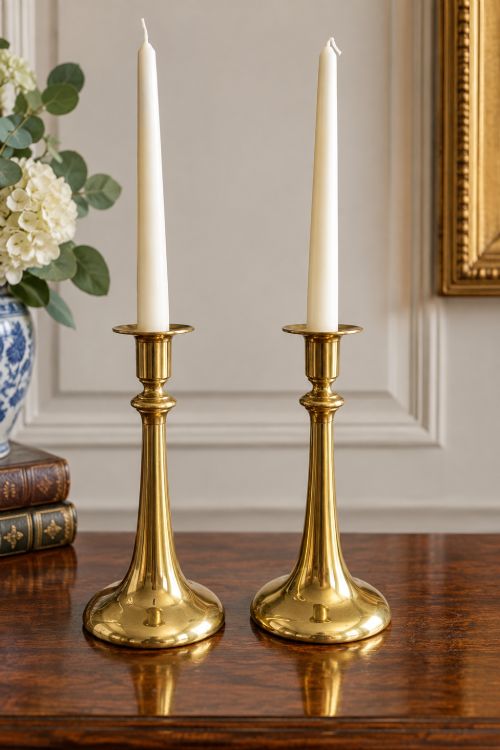
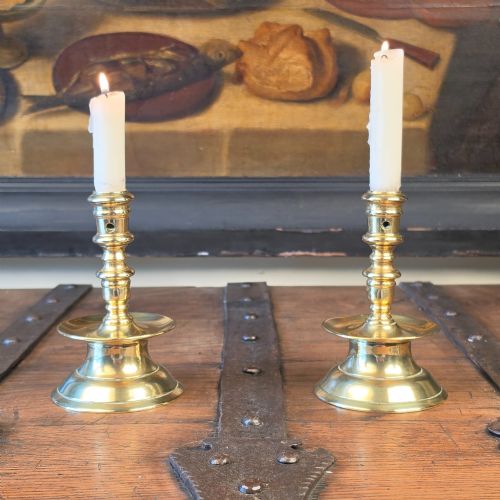
These candleholder standing light examples bring functional illumination and period character into a room through centuries of metalwork and design.
Candleholder Standing Light
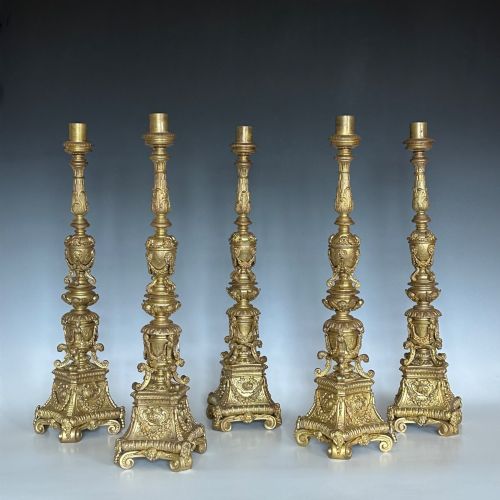
The objects span varied domestic and ecclesiastical applications, ranging from simple ejector sticks and desk student lights to grand architectural columns and figural compositions. Georgian, Victorian, and Edwardian aesthetic movements dominate the available inventory, reflecting shifting tastes in interior ornamentation.
Makers and workshops across Britain and continental Europe utilised durable metals and mixed materials to produce these items for daily utility and decorative display. The selection includes modest utilitarian pieces alongside sculptural works influenced by Neoclassical and Rococo designs.
Materials and Construction
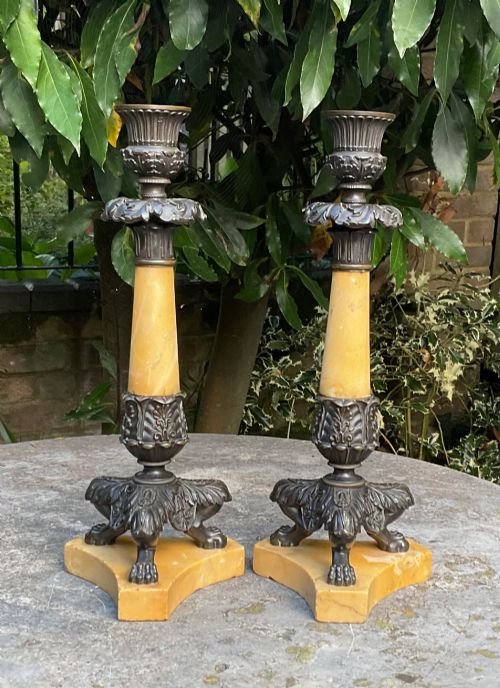
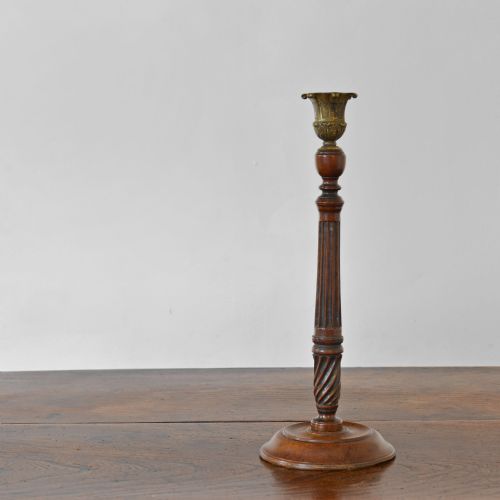
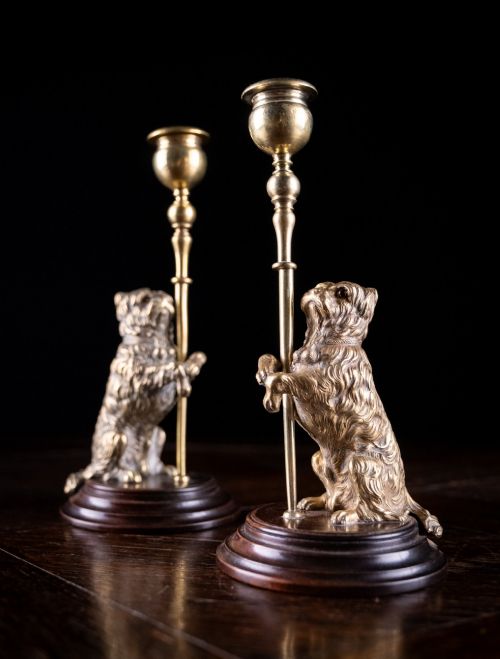
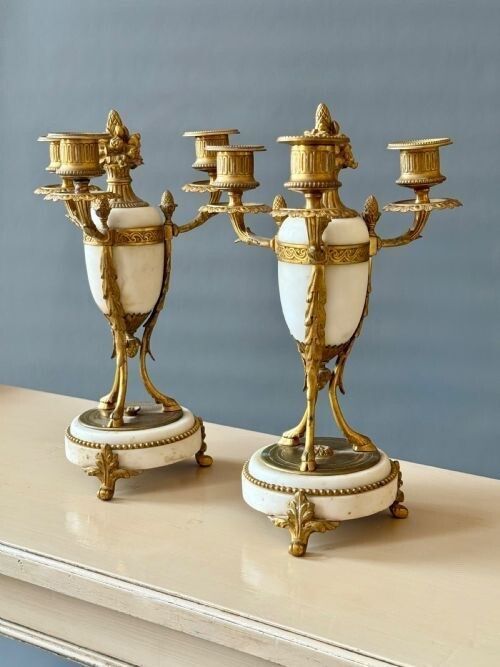
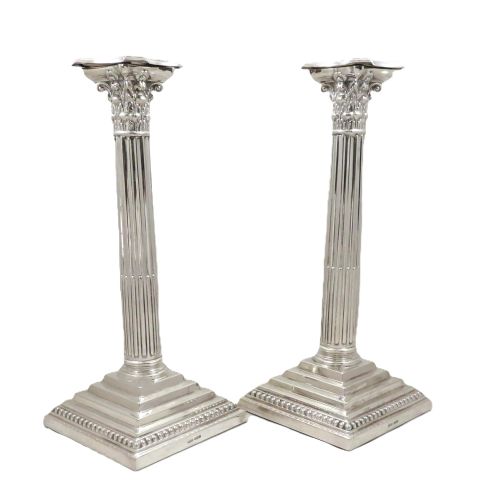
Brass and bronze form the backbone of the selection, frequently shaped through casting, turning, and seaming techniques that leave subtle evidence of manufacture on the metal surface. Makers also incorporated timber such as mahogany, alongside white marble, tortoiseshell, and copper to add textural contrast and visual weight.
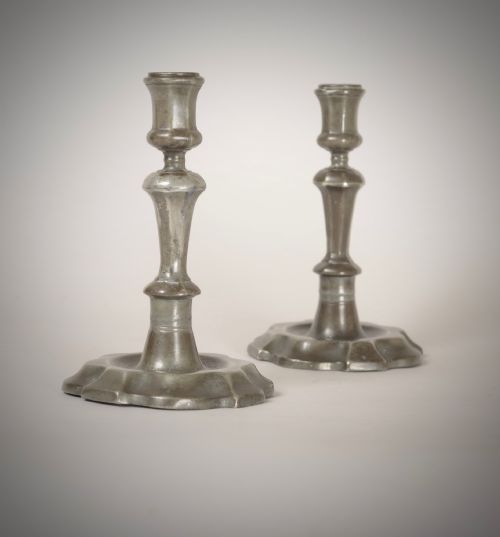
Materials in the current selection range from traditional brass, bronze, and pewter to combined uses of marble, mahogany, and tortoiseshell.
Judging Quality
Quality rests upon the crispness of the casting detail and the integrity of the materials, where sharper chased enrichment and heavier metal weight distinguish superior examples from simpler production. The balance of proportion between the base, stem, and drip pan dictates the visual success of the piece.
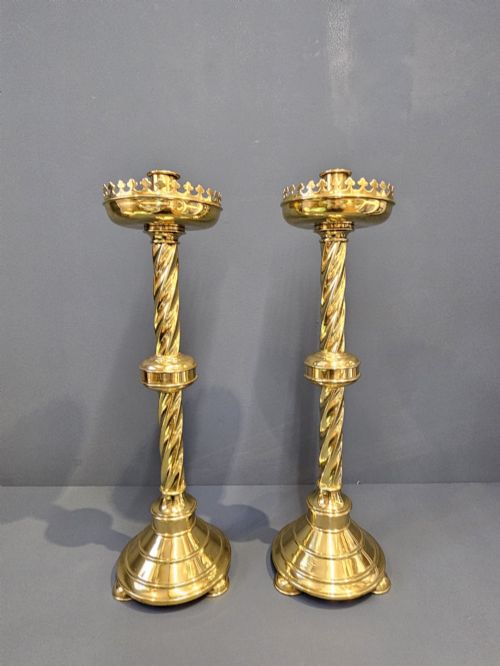
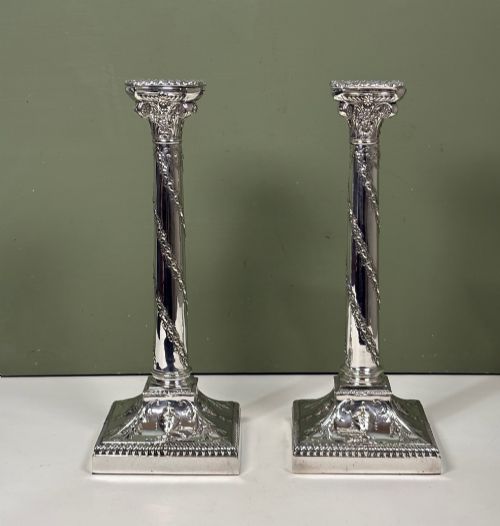
Original components, such as matching side ejector mechanisms or unified patination across a pair, separate untouched survivals from assembled or heavily restored items. The subtlety of decorative motifs, whether cast figural work or delicate twisted stems, signals the skill of the original workshop.
Pierre Philippe Thomire·Frederick J Smith & Co
The Candleholder Standing Light Glossary
- Pricket
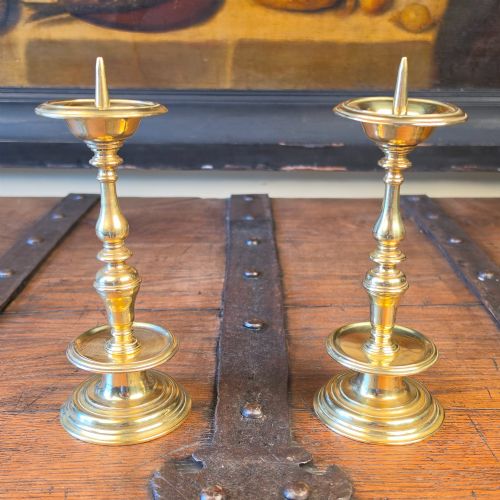
- A sharp metal spike atop a candlestick designed to secure a candle by being pushed into its base rather than sitting inside a socket.
- Ejector
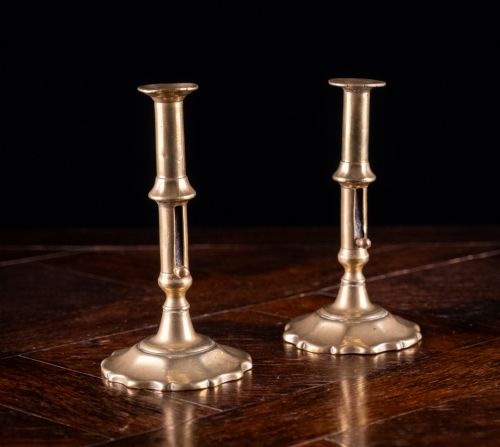
- A concealed internal mechanism operated by a small side lever to push a shortened candle remnant out of the socket for removal.
- Ormolu
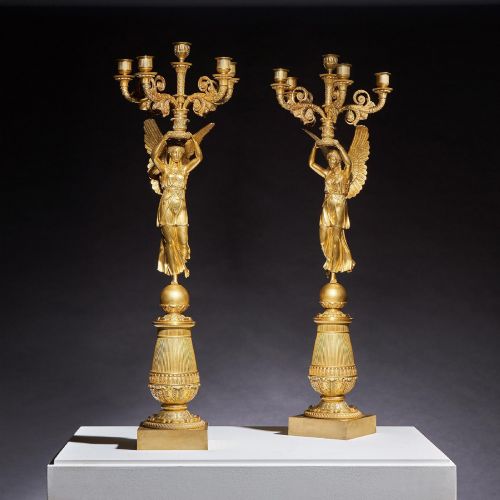
- Finely ground high-carat gold applied to a bronze base, creating a rich golden finish typical of decorative French metalwork.
- Caryatid
- A sculpted female figure serving as an architectural support column, frequently seen on classical revival candlesticks.
- Rushlight
- A simple holder utilising a tension spring of wrought iron to grip a dried rush dipped in animal fat for cheap illumination.
Candleholder Standing Light: Frequently Asked Questions
What is an ejector candlestick?
An ejector candlestick incorporates a sliding internal disc connected to an exterior thumbpiece, allowing the user to push the remaining candle stump upward for easy extraction.
This practical innovation became common in nineteenth-century brass lighting to prevent stuck wax from accumulating deep within the socket.
How do I date a brass candlestick?
Dating relies on manufacturing traces such as casting seams, base construction, and the evolution of profiles from heavy Georgian mouldings to slender Victorian stems.
Wear patterns around the socket and the presence of makers' marks or registration numbers also help establish the likely period of manufacture.
Were these used on tables or floors?
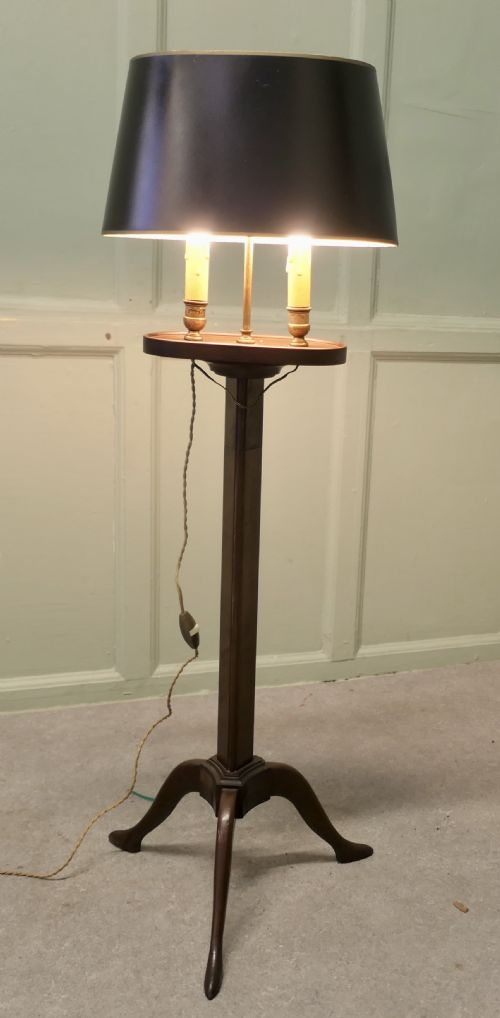
The inventory contains both table-height candlesticks intended for mantelpieces and furniture, alongside taller ecclesiastical pieces and adjustable floor lamps.
Smaller pairs provided portable desk or dining illumination, while heavier church candlesticks and floor stands illuminated larger public or domestic spaces.