
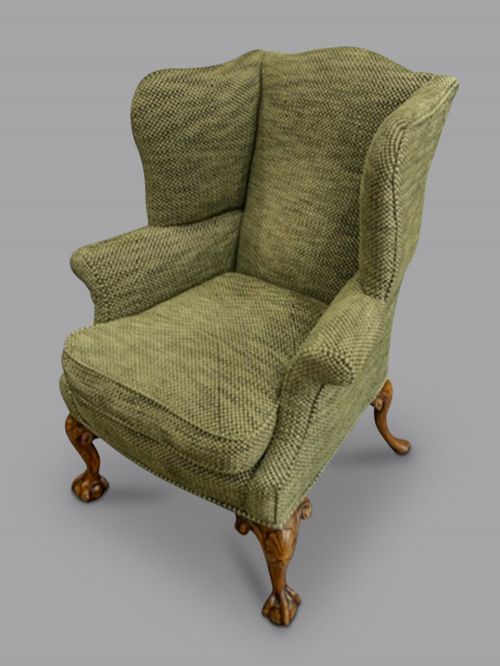
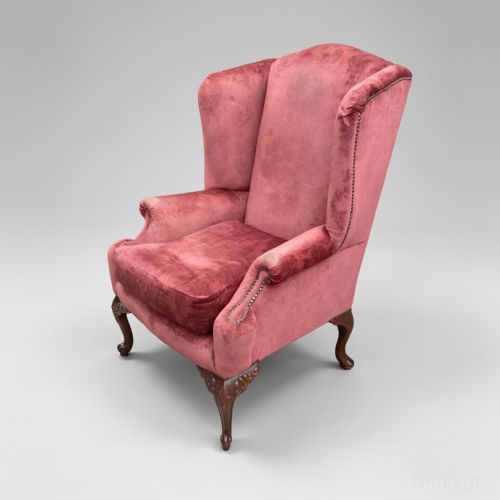
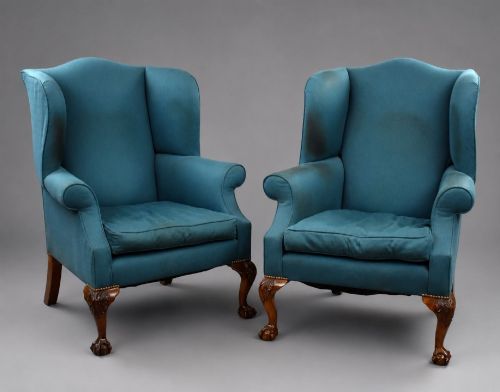
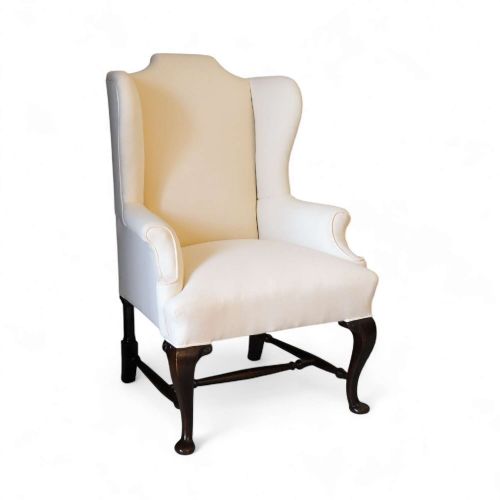
Cabriole Leg Wingback
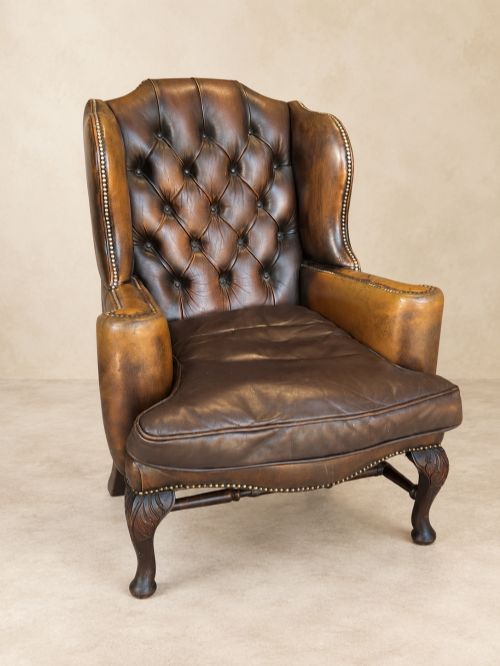
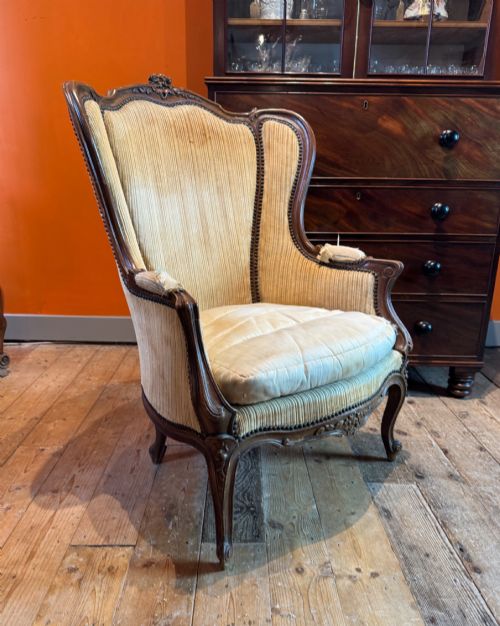
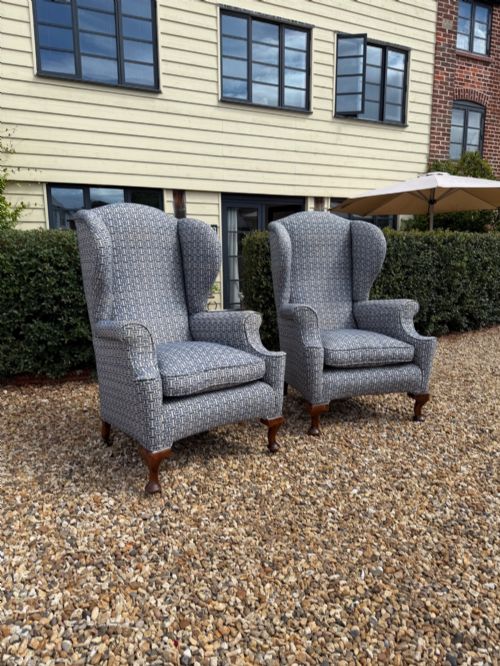
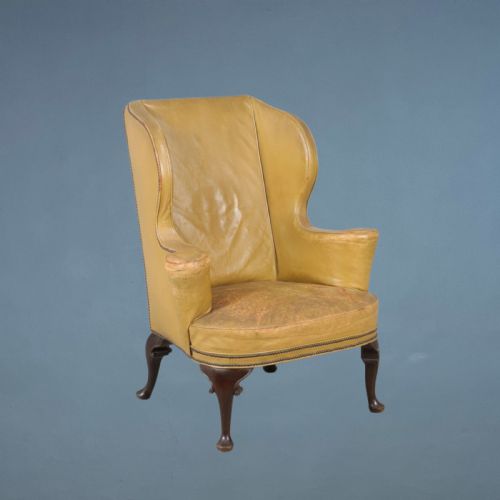
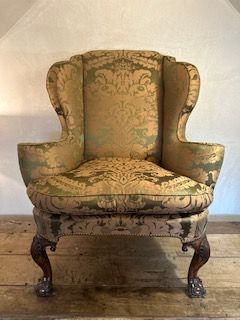
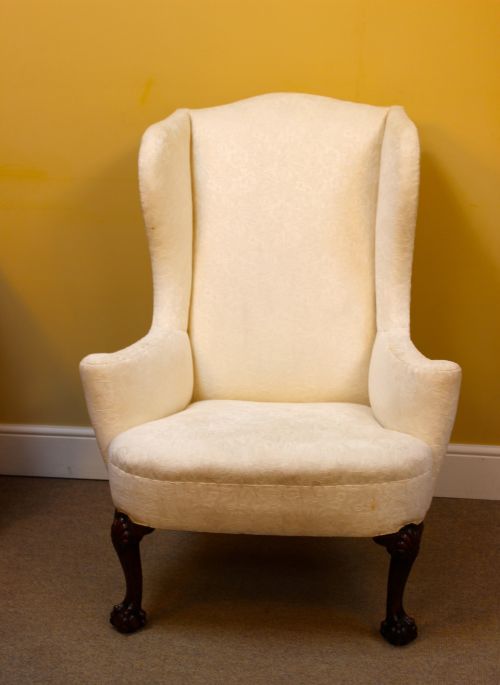
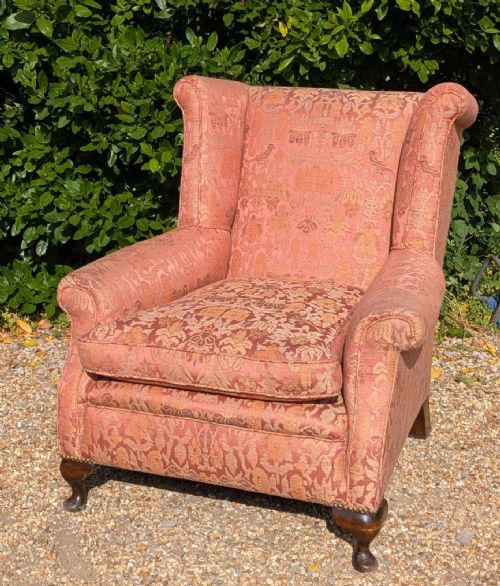
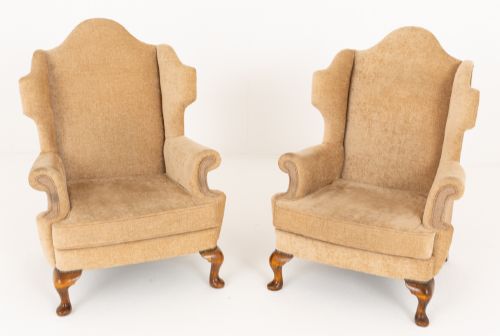
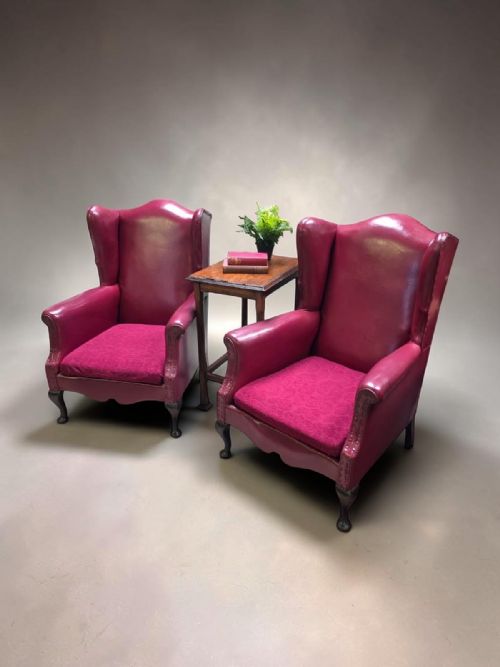
These cabriole leg wingback armchairs and settees offer deep-seated comfort and distinct period form for the fireside.
Cabriole Leg Wingback
A cabriole leg wingback brings together an enclosed upholstered frame designed to shield the sitter from draughts and graceful curved wooden supports. When you search for cabriole leg wingback, you are looking at substantial seating designed for drawing rooms and parlours across the eighteenth, nineteenth, and early twentieth centuries.
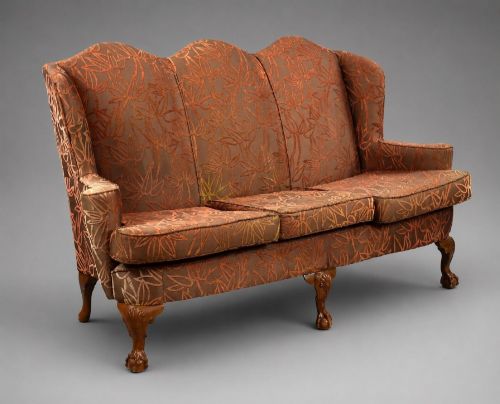
The most common form on this page is the single armchair, though walnut sofas and settees also appear. The style spans genuine eighteenth-century pieces as well as nineteenth-century revivals and early twentieth-century interpretations.
Makers often drew upon Queen Anne, George II, and Georgian design traditions, pairing high wings with pad or claw and foot styles on timber frames.
Materials and construction
Frames are constructed primarily from solid mahogany and walnut, providing the structural strength needed to support deep upholstery and heavy use. Wood is shaped and carved by hand, particularly along the knee and foot of the cabriole leg.
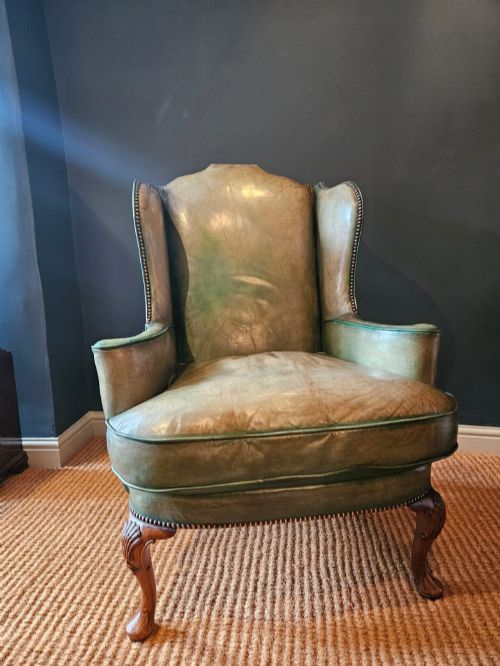
Upholstery traditionally relies on durable fillings such as feathers, textile, fabric, and velvet, often finished with leather or secured over calico stages. Brass tacking frequently outlines the arms and wings, while some pieces retain hand-coloured leather finishes.
The wings were originally shaped to catch candle-smoke as well as draughts, keeping the parlour air clear around the sitter's head.
Judging quality and period integrity
Quality rests in the harmony of the timber frame and the crispness of the carving on the cabriole legs. Better examples display balanced proportions between the height of the back, the projection of the wings, and the sweep of the legs.
The integrity of the timber and the faithfulness of revival styles to earlier Georgian or Queen Anne forms separate superior pieces from simpler later work. Original or period-appropriate leather and stuffing add considerable merit to an armchair.
John Reid & Sons·Whytock & Reid
The Cabriole Leg Wingback Glossary
- Cabriole leg
- A furniture leg that curves out at the knee and tapers inward to the foot, mimicking animal limbs. This form became prominent during the eighteenth century.
- Wingback
- An armchair featuring side panels attached to the back, designed originally to trap heat and block draughts from a fire. The wings extend outward to protect the sitter's head and shoulders.
- Calico stage
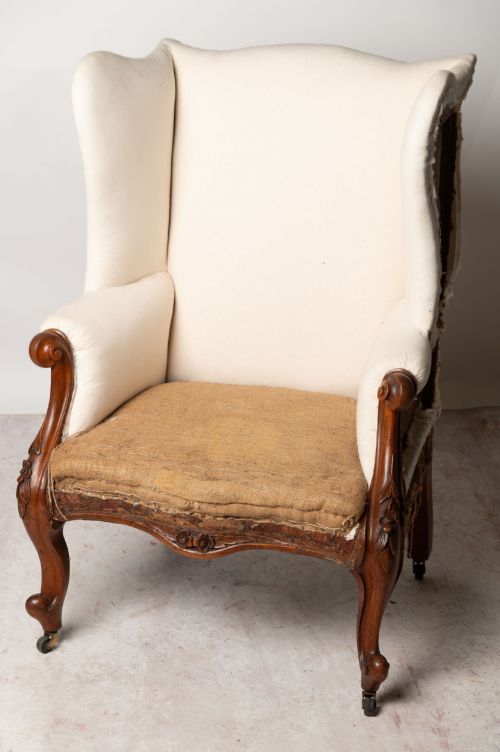
- An intermediary stage in upholstery where plain cotton fabric is stretched tightly over the webbing and stuffing before the final decorative material is applied.
- Bergere
- An enclosed upholstered armchair with wooden framing visible around the back and sides. These pieces often incorporate cane or upholstered panels.
- Barrel back
- A seating form where the back and arms form a single continuous curved semicircle. This design provides an enveloping shape for the sitter.
Cabriole Leg Wingback: Frequently Asked Questions
How do I spot a reproduction?
Examine the timber construction, joinery methods, and the wear patterns on the frame and legs. Revival pieces from the nineteenth and early twentieth centuries often emulate Georgian and Queen Anne styles closely.
Check the underside of the chair and the interior webbing for signs of age that match the recorded period.
Were these chairs used in pairs?
Pairs of wing armchairs frequently appear, designed to sit symmetrically on either side of a fireplace or in a formal parlour arrangement. Matching sets provide balanced seating for conversation areas.
Single armchairs were also common, often paired with sofas or settees of similar walnut or mahogany construction.
What leather is used on old armchairs?
Older armchairs typically feature hand-coloured or tan leather upholstery secured with brass studs along the borders. This material develops a rich patina over decades of use.
Some pieces arrive at the calico stage, allowing buyers to select their own final textile or leather covering.