
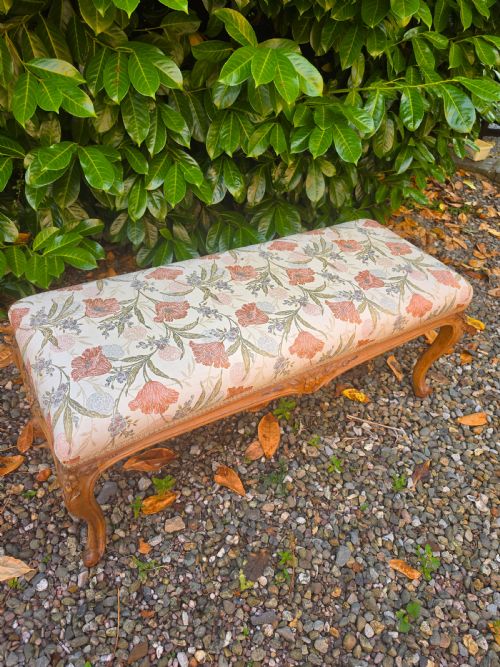

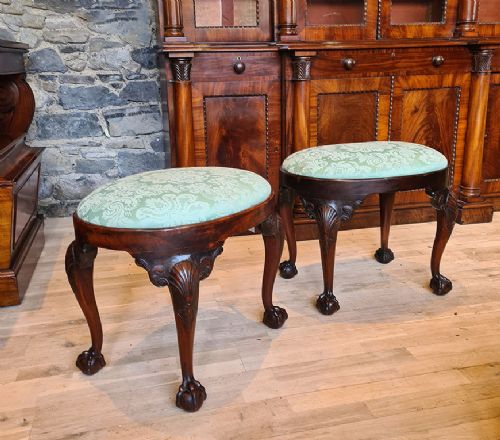


Cabriole Leg Window Seat
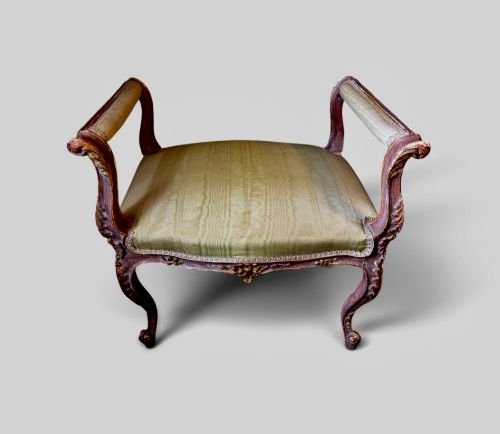
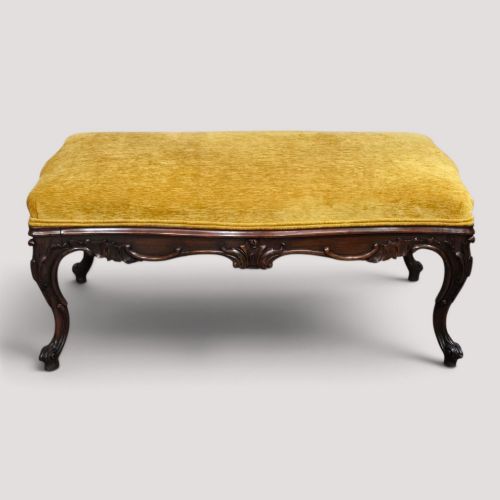
A cabriole leg window seat brings elegance to a bay or hallway, offering a low upholstered perch shaped by curved wooden supports.
Cabriole Leg Window Seat
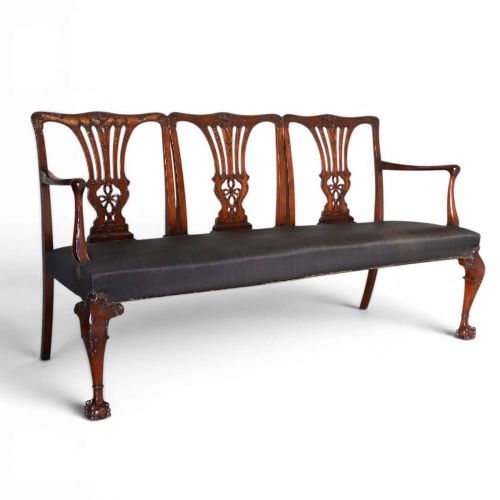
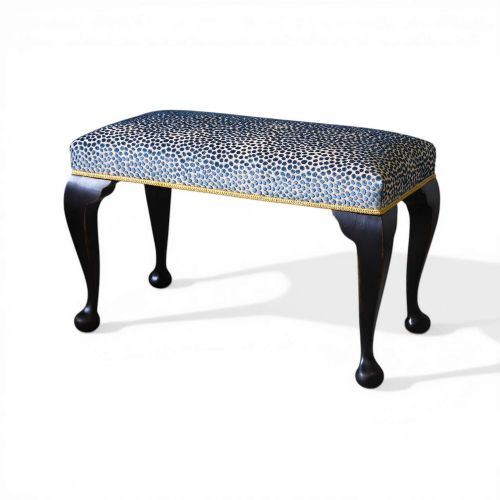
A cabriole leg window seat combines long or compact seating forms with signature double-curved legs, appearing across 18th century, 19th century, and Edwardian periods.
The selections span distinct object types including benches, settees, footstools, and duet stools adapted for placement beneath windows or at the foot of a bed.
Makers drew on diverse design vocabularies ranging from Queen Anne Revival and Rococo Revival to Georgian, Regency, and French Provincial aesthetics.
Materials and construction methods
Carpenters shaped the frames from dense hardwoods such as mahogany, walnut, rosewood, and oak, occasionally employing ebonised finishes or giltwood.
Upholstery utilised traditional textiles including velvet, cane, fabric, and patterned cloth such as William Morris velvet, secured over padded foundations.
Period styles represented across the inventory span 18th Century Georgian and Regency designs alongside Victorian, Edwardian, and Arts and Crafts examples.
Assessing build and design standards
The definition and depth of the hand-carving on the frame and legs distinguish standard domestic examples from finely ornamented pieces bearing ball and claw details.
The choice of primary timber and the structural integration of the upholstered seat determine the durability and finish of the piece.
Morris And Co
The Cabriole Leg Window Seat Glossary
- Cabriole leg
- A furniture support that curves outward at the knee and tapers inward at the ankle, terminating in a foot such as a ball and claw. This profile draws inspiration from animal limbs and appeared widely across antique seating.
- Window seat
- A long stool or small settee designed specifically to fit the recess of a window. These pieces provide low seating without obstructing natural light.
- Giltwood
- Timber coated with a thin layer of gold leaf. This decorative treatment highlights carved details on formal frames.
- Ebonised
- Wood finished to resemble ebony through dark staining or painting. This technique creates a formal, dark surface popular in Victorian and Edwardian periods.
- Duet stool
- An extended bench made to accommodate two people playing a keyboard instrument together. These forms often translate well into long window seating.
Cabriole Leg Window Seat: Frequently Asked Questions
What is a cabriole leg window seat?
A cabriole leg window seat is a low upholstered bench or stool supported by distinctive double-curved legs. These pieces bridge the gap between ornamental seating and functional room furniture.
They appear in various forms, from single stools to multi-seater settees, frequently placed in bay windows or at the end of a bedroom.
How were window seats used historically?
Historically, window seats provided a comfortable place to sit near natural light for reading or needlework. Their low profile ensured they fit neatly within window recesses without blocking views.
Over time, owners also utilised them as hallway perches, piano stools, or end-of-bed furniture for dressing.
How do I identify the period of a seat?
Period identification relies on examining the combination of timber, upholstery style, and carved ornamentation on the frame. Mahogany and walnut indicate 18th century or Georgian origins, while ebonised finishes and rosewood point towards Victorian and Edwardian revivals.
Revival styles often borrow decorative motifs from earlier eras, requiring close inspection of construction joints and materials.
Can these seats be placed in modern rooms?
These seats adapt well to contemporary interiors due to their compact dimensions and varied upholstery. They function effectively as hallway benches, living room footstools, or dressing table seats.
Their decorative frames add traditional texture to modern spaces while maintaining everyday utility.