

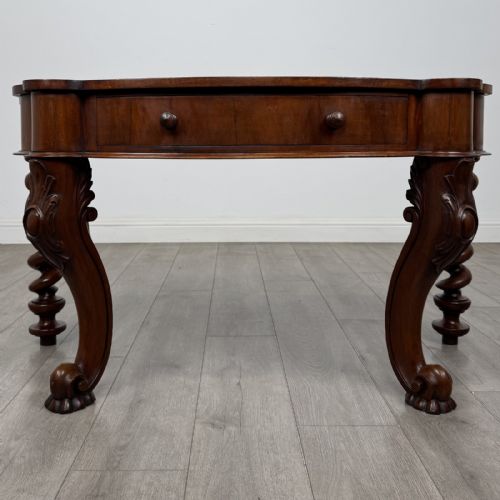
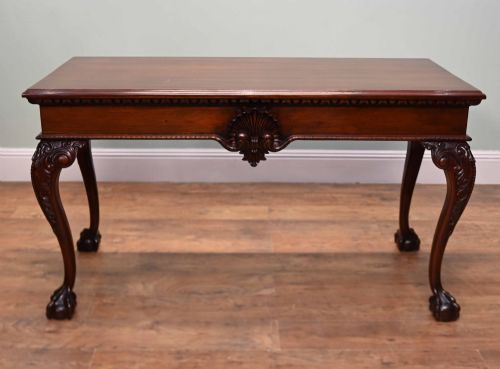
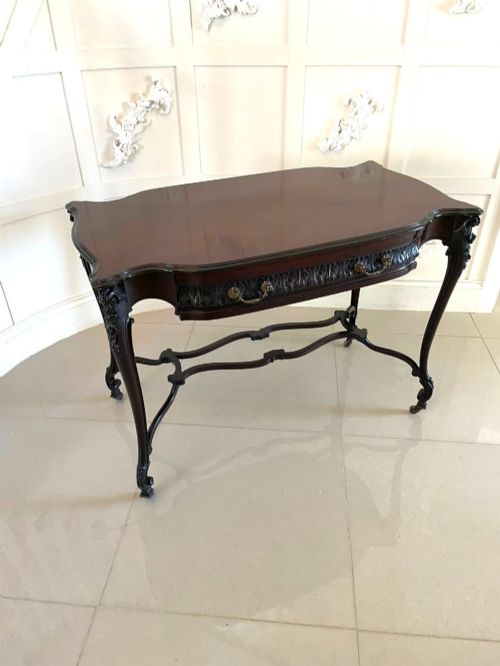
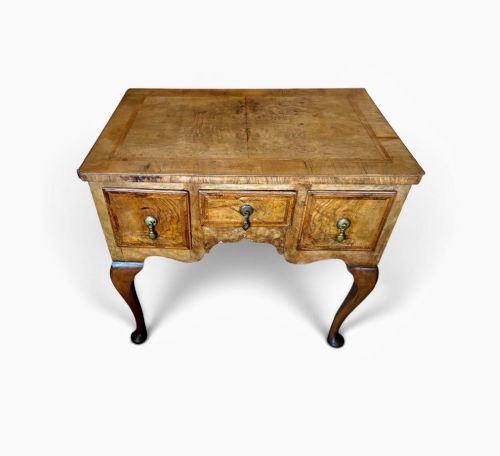
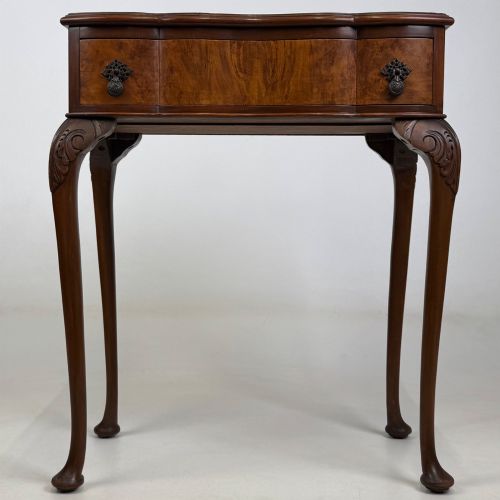
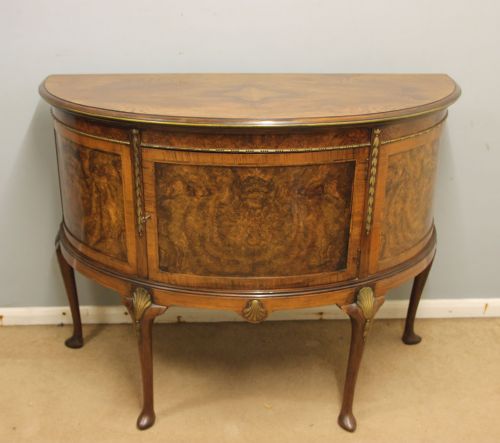
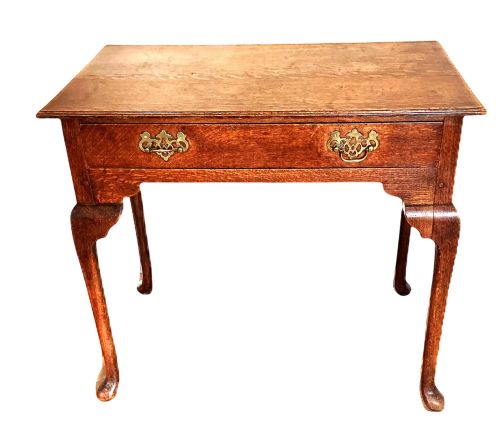
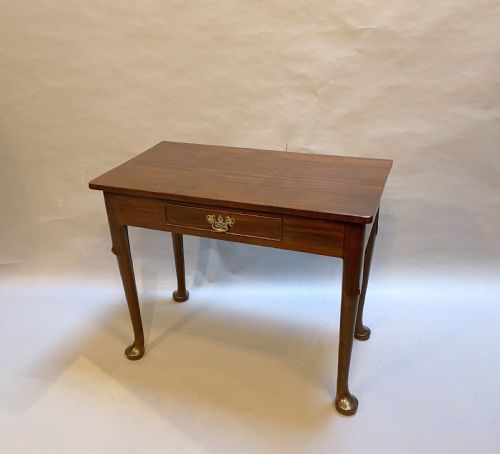
Cabriole Leg Hallway Table
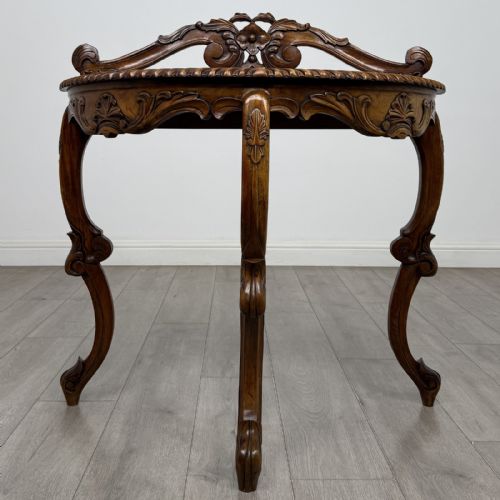
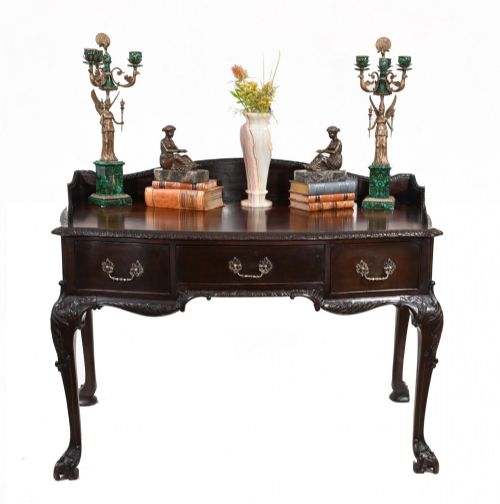
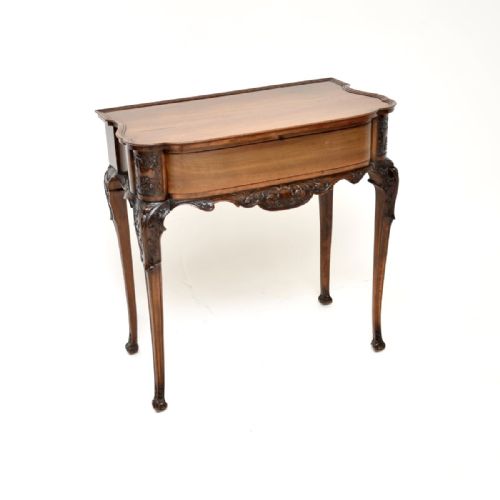
A cabriole leg hallway table brings classical grace to an entryway, uniting serpentine wooden curves with practical surface space.
Cabriole Leg Hallway Table
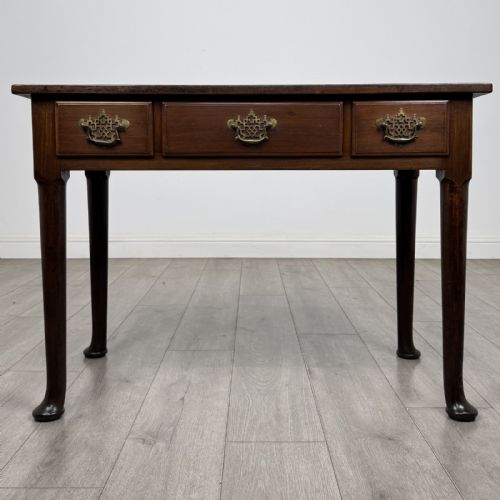
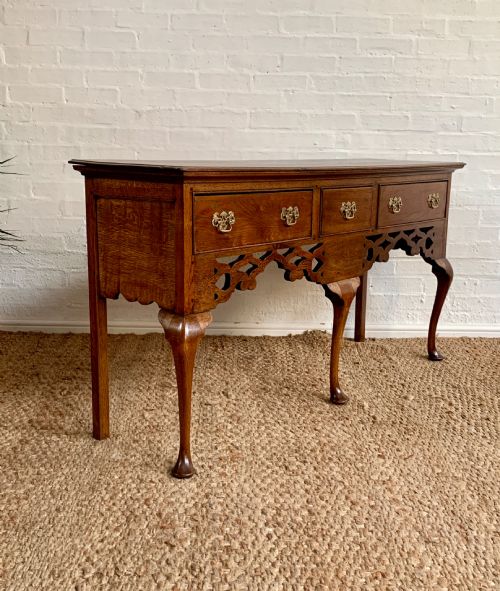
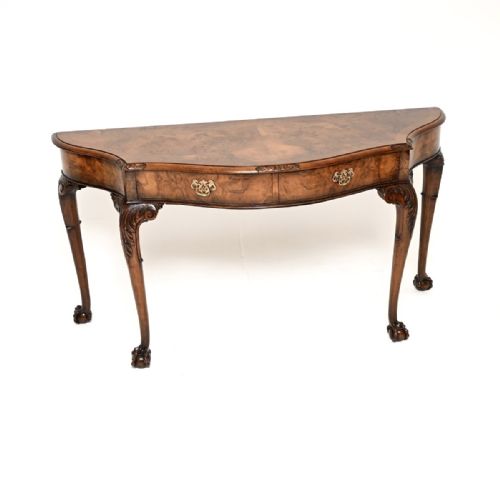
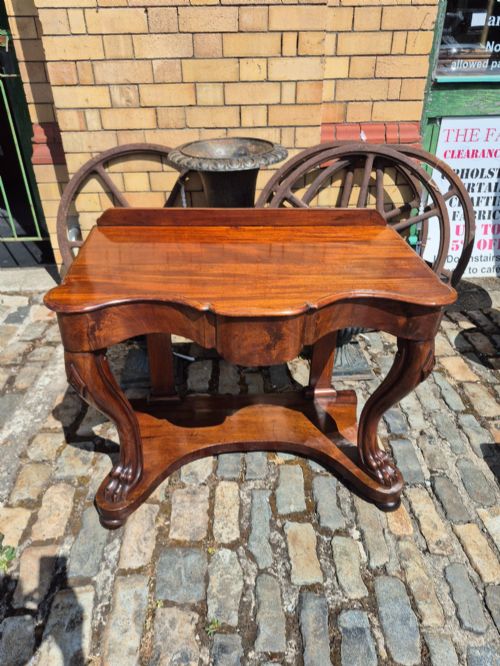
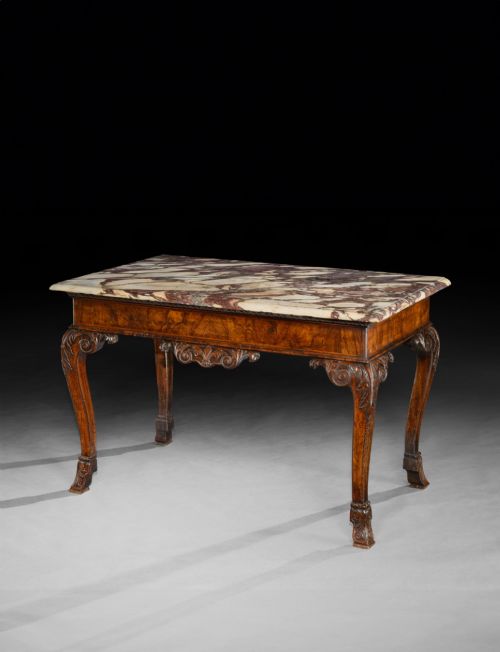
A cabriole leg hallway table spans several forms including console tables, lowboys, side tables, and dresser bases designed to fit narrow spaces.
The most common examples you will encounter here date from the eighteenth and nineteenth centuries, alongside revival pieces from the Edwardian era and the nineteen-twenties.
These tables serve as functional furniture for narrow passages, offering a flat top and often drawers for storage while displaying distinctive swept legs.
Materials and construction
Cabinet makers utilised dense hardwoods such as mahogany, walnut, burr walnut, and oak, frequently shaping them with curved lines and carved details.
Some Continental and nineteenth century examples incorporate decorative marble tops or brass fittings to complement the timber structure.
Cabriole Leg Hallway Table Retail Price Guide 2026
Typical asking prices for cabriole leg hallway table among the pieces listed under this phrase on Sellingantiques today, from the lower quarter to the upper quarter. They describe what is for sale here now, not the wider market.
Listings feature oak, mahogany, walnut, and burr walnut timbers across eighteenth, nineteenth, and twentieth century periods.
Quality and craftsmanship
Superior examples display finely figured timber veneers like burr walnut and masterly hand-carved detailing upon the knees of the cabriole legs.
The refinement of the leg curvature and the precision of the joinery separate standard production from exceptional cabinet work.
The Cabriole Leg Hallway Table Glossary
- Cabriole leg
- A furniture leg that curves out and then in, resembling the leg of an animal.
- Lowboy
- A small seventeenth or eighteenth century table with drawers, typically set on cabriole legs.
- Console table
- A table designed to be fixed against a wall, often supported by brackets or cabriole legs.
- Dresser base
- A low wooden table featuring drawers, commonly constructed from oak or mahogany.
- Demi-lune
- Half-moon shaped, describing tables built with a curved front and flat back against a wall.
Cabriole Leg Hallway Table: Frequently Asked Questions
Where should I place a cabriole leg hallway table?
These narrow tables suit entrance halls, corridors, and living room walls where floor space is limited. Their shallow depth allows them to sit flush against a wall without obstructing passageways.
They provide a convenient surface for lamps, correspondence, or decorative objects while introducing period character to an interior.
How do I distinguish eighteenth century pieces from revivals?
Authentic eighteenth century examples show natural timber ageing, hand-cut joinery marks, and traditional construction methods appropriate to the period. Revival pieces from the Edwardian era and the nineteen-twenties often emulate these earlier styles using machine assistance or different secondary woods.
Examining the drawer linings, underside construction, and wear patterns helps clarify the actual age of the table.
What is the difference between a console and a lowboy?
A console table is designed specifically to stand against a wall, sometimes featuring wall fastenings or pairs with matching mirrors. A lowboy functions as a small dressing or serving table with one or more rows of drawers.
Both forms frequently share the characteristic cabriole leg seen across this selection.
How do I care for antique walnut and mahogany?
Keep wooden surfaces away from direct sunlight and heat sources to prevent the timber and veneer from drying out or splitting. Occasional dusting with a soft, dry cloth maintains the finish without damaging the polish.
Avoid placing damp items directly onto marble or unsealed wood surfaces.