

Cabriole Leg Bedroom Seat
A cabriole leg bedroom seat brings curved wooden grace and practical seating to the end of a bed or dressing area.
Cabriole Leg Bedroom Seat
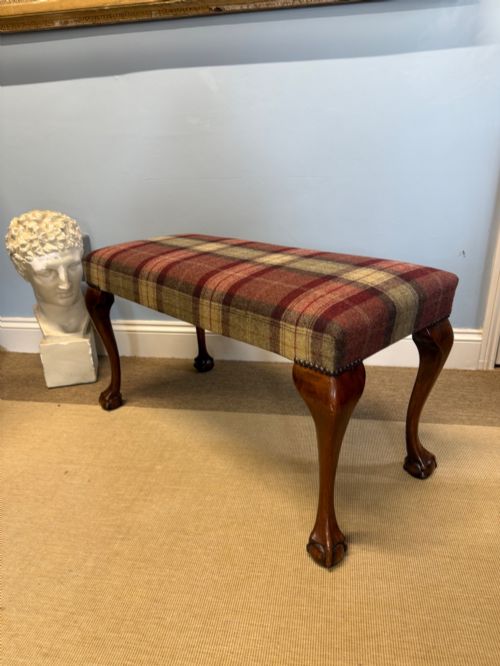
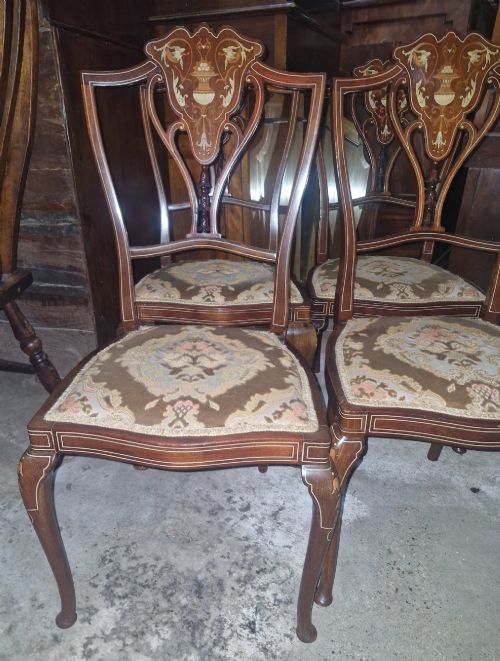
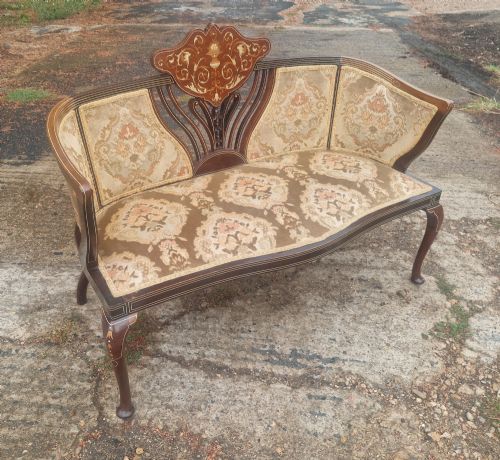
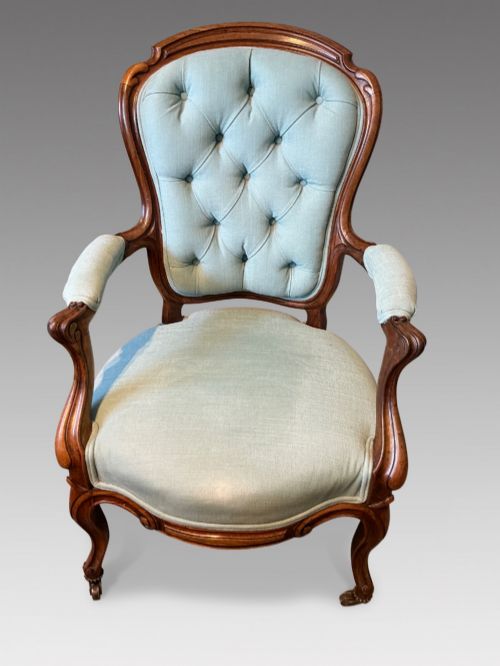
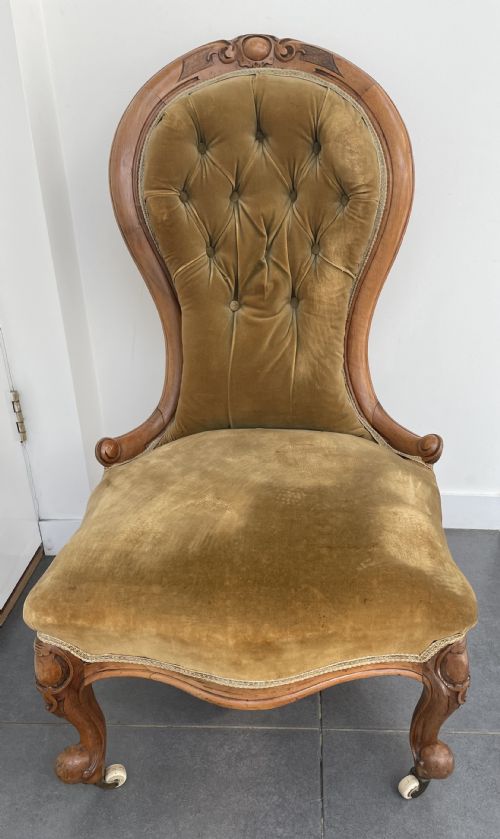
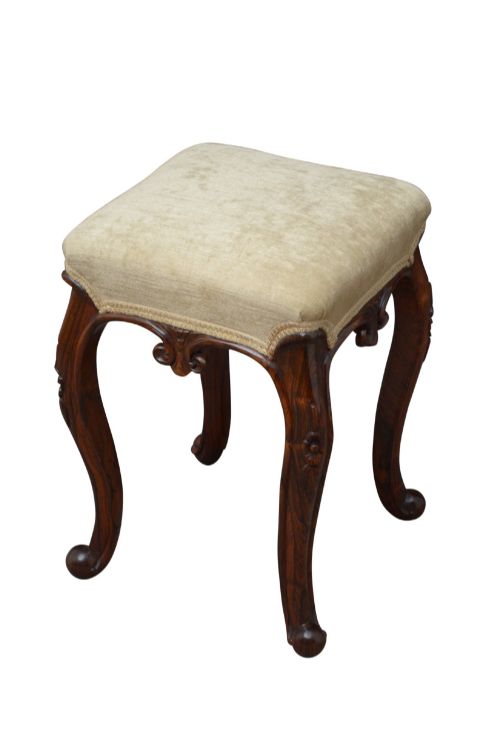
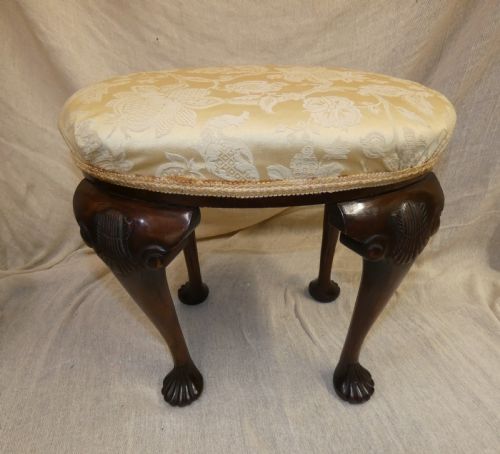
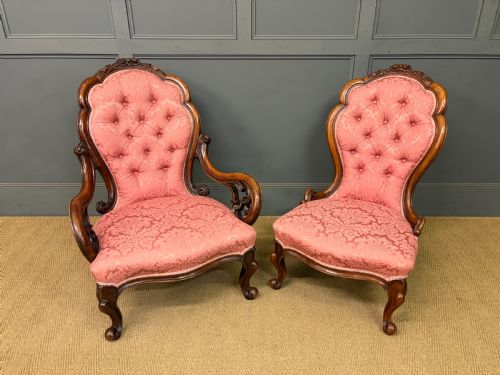
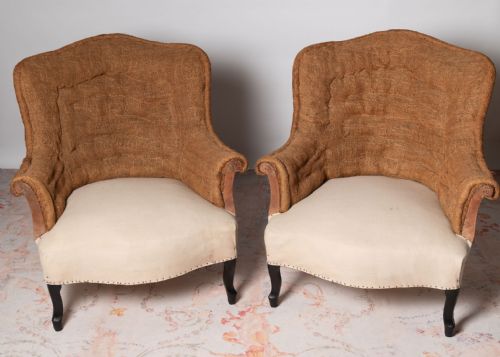
A cabriole leg bedroom seat spans several forms including stools, benches, dressing table seats, and low nursing chairs. These pieces appear frequently in Victorian, Edwardian, and twentieth-century iterations, alongside French-influenced revival styles.
Makers designed these seats for domestic comfort in private chambers, utilising woods such as walnut, mahogany, and rosewood. Buyers will encounter both simple upholstered stools and more elaborate carved or inlaid frames.
Factors Determining Quality
The crispness and depth of the carved woodwork separate standard production from superior craftsmanship. Finer examples display carefully shaped cabriole legs that integrate smoothly into the seat frame rather than appearing stiff or clumsy.
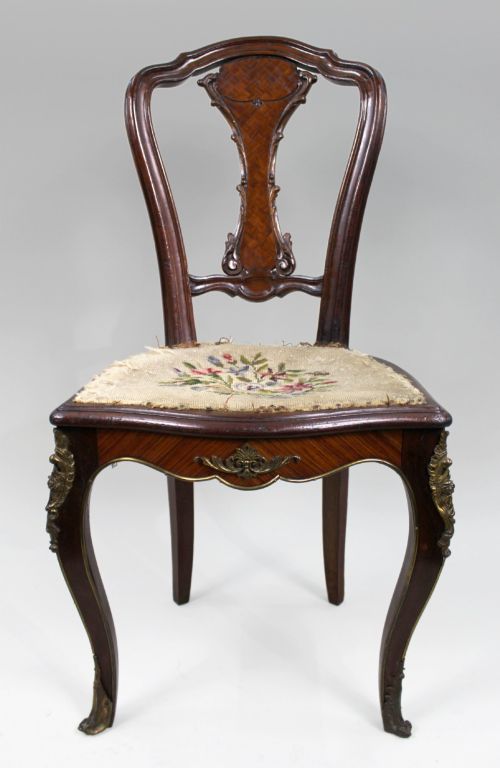
The choice of primary timber and secondary decorative elements dictates the grade of the piece. Walnut and rosewood frames with detailed parquetry, ormolu mounts, or intricate needlepoint upholstery sit at the upper end of the scale.
Listings feature walnut, mahogany, rosewood, and goncalo alves wood across Victorian, Edwardian, and twentieth-century periods.
The Cabriole Leg Bedroom Seat Glossary
- Cabriole leg
- A furniture leg that curves out in a convex shape at the knee and tapers inward in a concave shape toward the foot, inspired by animal limbs.
- Nursing chair
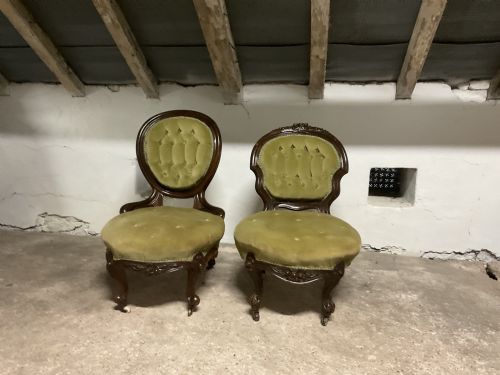
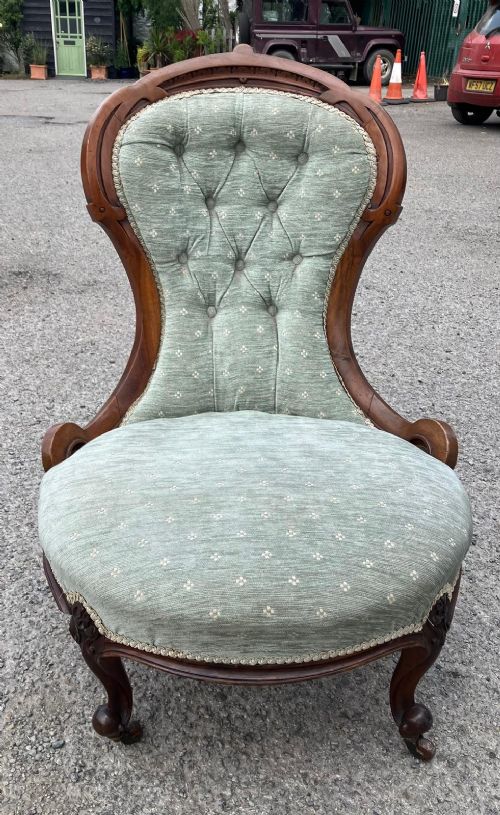
- A low-seated Victorian chair designed originally for feeding infants or personal grooming in the bedroom.
- Dressing stool
- A small seat placed before a dressing table or vanity, often upholstered in textile or needlepoint.
- Parquetry
- A geometric mosaic of wood pieces used for decorative ornamentation on furniture surfaces.
- Ormolu
- Gilded bronze ornamentation applied to the mounts and details of fine antique furniture.
Cabriole Leg Bedroom Seat: Frequently Asked Questions
What rooms suit a cabriole leg bedroom seat?
These seats fit naturally at the foot of a bed, beside a dressing table, or within a private dressing room. Their compact proportions also allow them to function as occasional seating in smaller reception spaces.
Because the designs range from restrained Edwardian mahogany to ornate French revival styles, they complement both period interiors and eclectic modern rooms.
How do I distinguish Victorian from Edwardian pieces?
Victorian pieces often employ darker timbers like rosewood and heavy walnut with dense carving and button-tufted upholstery. The forms tend to emphasise solid comfort and rich texture.
Edwardian examples frequently lighter in feel, incorporating inlaid mahogany and simpler proportions. Their aesthetic reflects a shift towards airier domestic spaces.
What is the difference between a stool and a nursing chair?
A stool provides a backless seat intended for short periods of use at a dressing table or bed end. A nursing chair incorporates a low-slung backrest designed to support someone while seated close to the floor.
Both forms share the characteristic curved legs and domestic scale typical of bedroom furniture.
How do French revival styles differ from English ones?
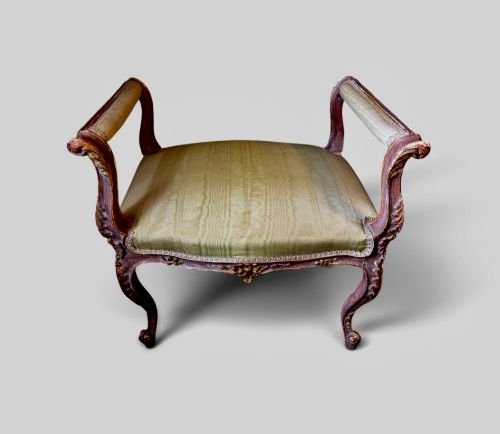
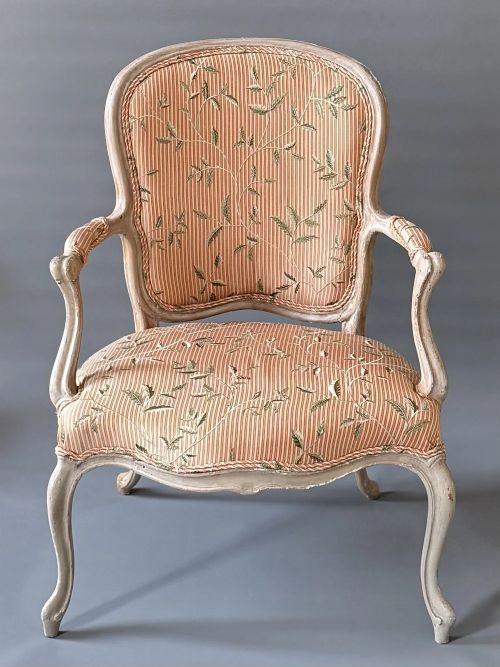
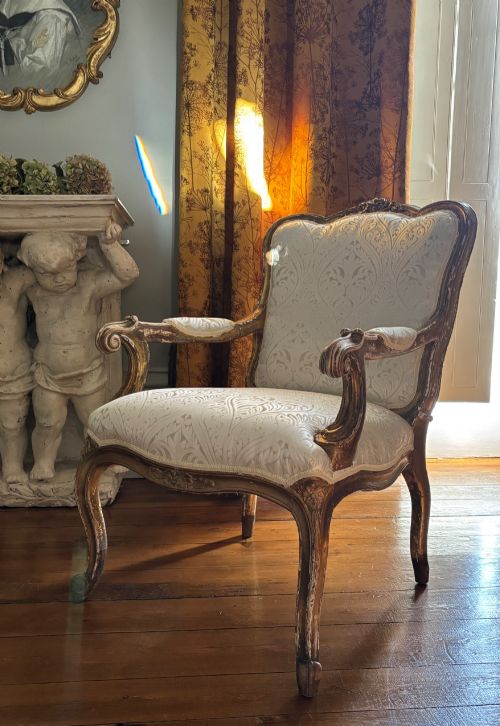
French revival pieces, such as Louis XV or Régence styles, typically feature giltwood finishes, elaborate carved scrolls, and occasionally painted surfaces. They prioritize decorative flourish and flowing asymmetrical lines.
English interpretations in walnut or mahogany generally adhere to more restrained proportions and simpler structural lines derived from Queen Anne traditions.