



C19th Oak Chairs
These c19th oak chairs bring solid timber construction and historic character into modern rooms through robust nineteenth-century forms.
C19th Oak Chairs
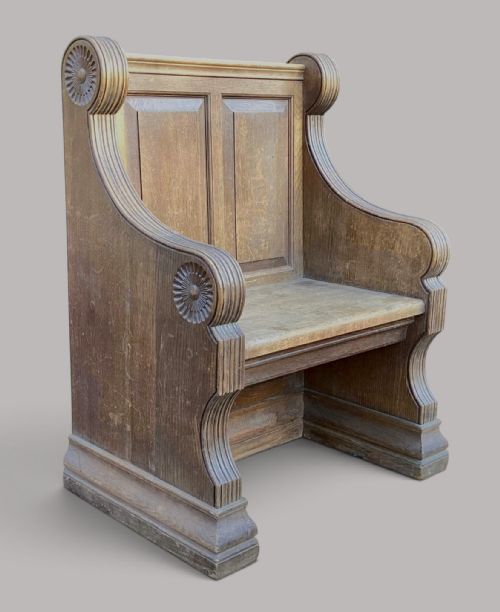
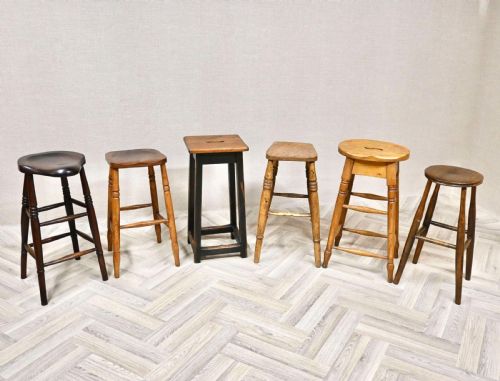
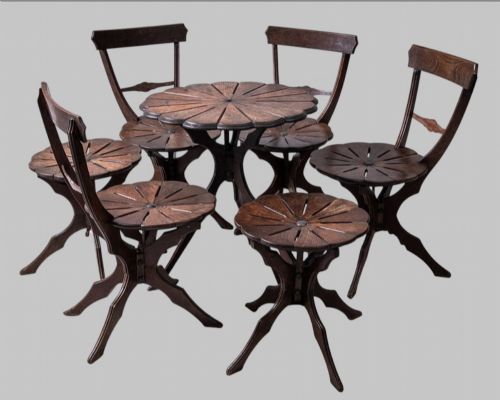
When you search for c19th oak chairs, you encounter a diverse selection of nineteenth-century seating spanning several distinct periods including Regency, 1860, 1870, 1890, and general nineteenth-century production. The forms available on this page range widely from practical dining chairs and hall seats to specialised pieces such as bar stools, desk chairs, library chairs, and parlour suites.
The stylistic influences visible across these pieces include Gothic Revival, Victorian, rustic farmhouse, Alpine folk art, and French chateau designs. Whether you find a pair of golden oak armchairs in the Gothic manner or a solid oak hall seat of architectural form, each item reflects the robust utility and decorative ambition of the period.
Materials and construction
The primary material underpinning these items is solid oak, often paired with secondary or supporting timbers such as beech, elm, pine, and walnut. Artisans utilised traditional joinery techniques alongside durable secondary elements like leather upholstery, brass fittings, and iron components.
Carving and structural shaping define many of the featured objects, from the intricate work on Black Forest bear hall chairs and Alpine carved parlour suites to the turned spindles of ladder back dining chairs and country kitchen Windsors.
C19th Oak Chairs Retail Price Guide 2026
Typical asking prices for c19th oak chairs among the pieces listed under this phrase on Sellingantiques today, from the lower quarter to the upper quarter. They describe what is for sale here now, not the wider market.
A Black Forest carved bear stands ready to hold your hats and coats in the hallway.
Factors of quality
Quality in these nineteenth-century seats rests upon the depth of the timber selection, such as the use of rich golden oak, and the crispness of any hand-carved detailing found on backs and arms. Pieces that retain their original leather upholstery or integrated mechanical functions like patent music adjustments and metamorphic steps display a higher degree of original craftsmanship.
The structural integrity of the frame, the authenticity of the period joinery, and the preservation of distinct stylistic markers - such as those executed in the Gothic manner or by documented makers - distinguish standard utilitarian seating from exceptional collector pieces.
Gillows of Lancaster·Richard Hicks Bridgens
The C19th Oak Chairs Glossary
- Gothic Revival
- A nineteenth-century design movement drawing inspiration from medieval architecture and ornament. It frequently manifests in pointed arches, heavy tracery, and imposing proportions.
- Regency period
- An era spanning the early nineteenth century characterised by classical restraint and elegance. Furniture from this time often shows refined lines and classical influences.
- Fauteuil
- An open-arm armchair originating in France featuring upholstered back and arm pads. This form combines structural woodwork with comfortable padded surfaces.
- Metamorphic
- Describing furniture designed to transform into another object, such as a library armchair that converts into a set of steps. This ingenious mechanism combines seating with functional utility.
C19th Oak Chairs: Frequently Asked Questions
What periods do these chairs cover?
The selection spans the nineteenth century, including specific dates such as eighteen-hundred, eighteen-sixty, eighteen-seventy, eighteen-ninety, and the Regency period.
This broad chronological range encompasses everything from early Regency designs to late Victorian seating.
How were library chairs used?
Library chairs provided comfortable seating for reading and study within private homes and institutional libraries. Some specialised examples also doubled as library steps.
These metamorphic versions allowed users to reach high bookshelves by converting the seat into a sturdy staircase.
Are these chairs suitable for daily dining?
Many of the listed pieces, including ladder back dining chairs and country kitchen Windsor chairs, were built for everyday domestic use. Their sturdy timber construction makes them practical for modern dining rooms.
Other variants, such as throne chairs and architectural hall seats, function better as statement pieces in hallways or studies.