




C19th French Wall Mirror
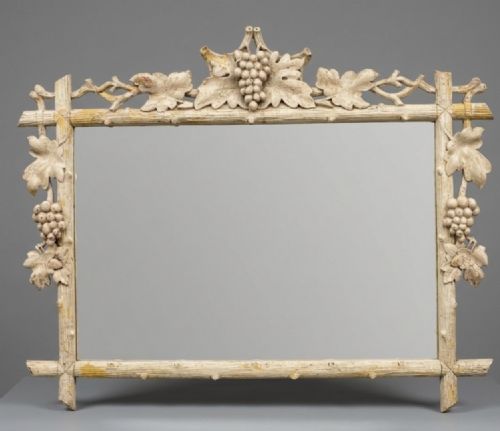
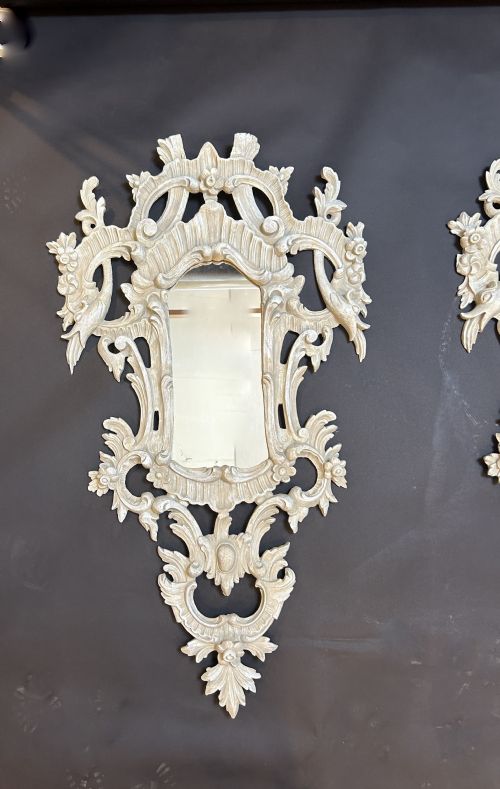
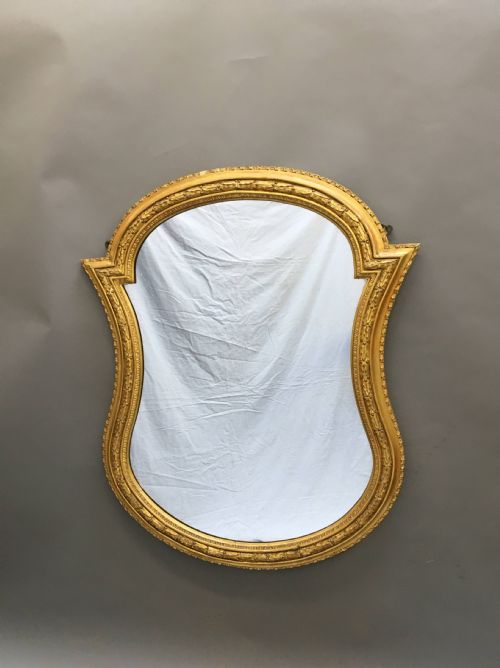
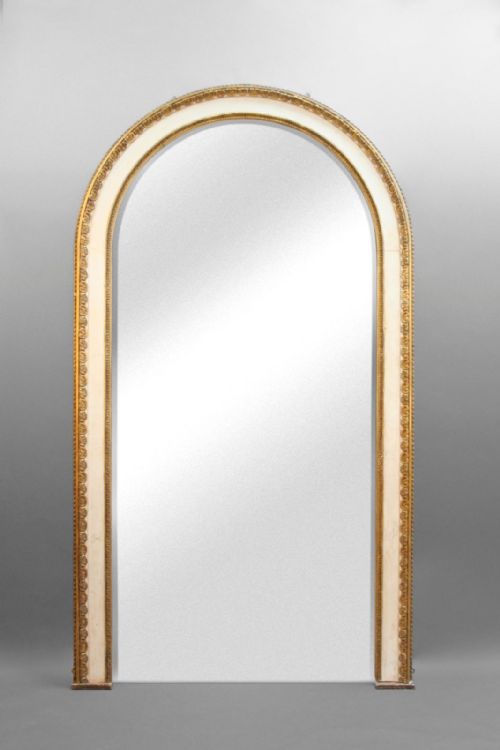
These c19th french wall mirror examples bring period proportion and reflective light to a room through carved wood, gesso, and gilt finish.
C19th French Wall Mirror
A c19th french wall mirror provides functional reflection and decorative presence through substantial framing and period forms. Buyers encounter large overmantle pieces, arched top formats, and pier mirrors designed to anchor a room.
The selection includes gilded wood frames alongside painted timber and walnut structures. Many examples reflect revival aesthetics or provincial country house tastes from the nineteenth century.
Formats range from simple oval wall mirrors to elaborate carved giltwood designs with complex crestings. The scale spans domestic wall hangings to grander hall and pier mirrors intended for tall spaces.
How they were made
Maker construction relies on carved wood and timber frames built to support heavy mirror glass. Giltwood and gesso application provides the metallic sheen characteristic of the period.
Surface decoration combines paint, carved detailing, and occasionally integrated oil paintings within the frame structure. Walnut and painted timber form the structural basis for regional and provincial pieces.
C19th French Wall Mirror Retail Price Guide 2026
Typical asking prices for c19th french wall mirror among the pieces listed under this phrase on Sellingantiques today, from the lower quarter to the upper quarter. They describe what is for sale here now, not the wider market.
Materials recorded across the inventory include glass, gesso, giltwood, carved wood, paint, mirror glass, painted timber, and walnut.
What varies in quality
Distinction lies in the depth of wood carving and the crispness of the gesso application on gilt surfaces. Finer examples show deliberate hand-carving rather than repetitive moulded decoration.
The integrity of the original glass and the harmony between the frame proportion and the mirror plate dictate the visual standing of each piece.
The C19th French Wall Mirror Glossary
- Giltwood
- Wood that has been covered with a thin layer of gold leaf or gilt paint. This finish creates the bright reflective surface seen on many nineteenth century frames.
- Pier mirror
- A tall glass designed to hang on the wall space between windows. These tall mirrors often incorporate painted panels or elaborate cresting.
- Gesso
- A plaster mixture applied to wood frames as a base for gilding or painting. It allows craftsmen to carve intricate relief details before finishing.
- Overmantle mirror
- A wide mirror designed to sit directly above a fireplace mantel. These pieces occupy a prominent horizontal position in a room.
C19th French Wall Mirror: Frequently Asked Questions
Where should a wall mirror hang?
These mirrors suit placement above a fireplace, across from a window to maximise natural light, or in a hallway to create a sense of depth.
Ensure the wall structure can support the weight of timber and glass frames.
How do I identify a nineteenth century mirror?
Examine the construction methods, backboards, and materials such as gesso, giltwood, and walnut. Period pieces often show hand-carved details and heavy plate glass.
Stylistic cues like Rococo revival motifs or Louis Philippe framing also indicate the era.
Are these mirrors heavy?
Solid wood frames combined with thick period mirror glass result in substantial weight. Proper wall fixings are essential for secure hanging.
Larger overmantle and pier formats require professional installation to distribute the load safely.
What is a pier mirror used for?
Pier mirrors were originally built to hang on the narrow wall between two windows, reflecting light back into the room. Their tall proportions make them effective for lengthening wall space.
Some examples also feature integrated oil paintings within the frame structure.