



C1880 Wooden Table
A c1880 wooden table brings late nineteenth-century craftsmanship into a room, offering solid timber construction and period character that suits modern interiors.
C1880 Wooden Table
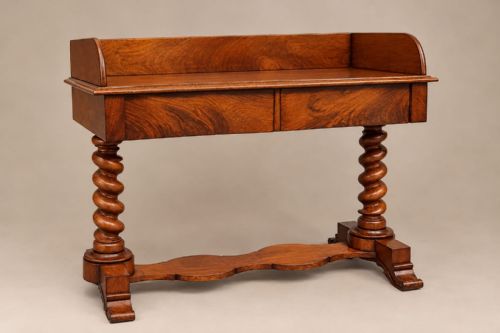
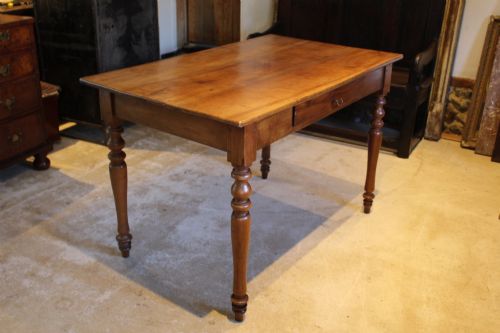
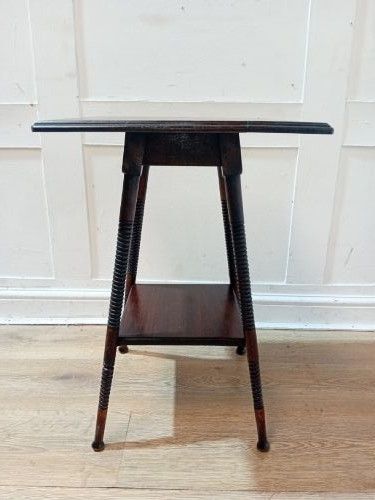
When you search for a c1880 wooden table, you encounter a diverse array of domestic furniture spanning the Victorian era, the Arts and Crafts movement, and various regional styles. These pieces range from formal dining tables and console tables to occasional tables, side tables, and washstands produced around eighteen eighty.
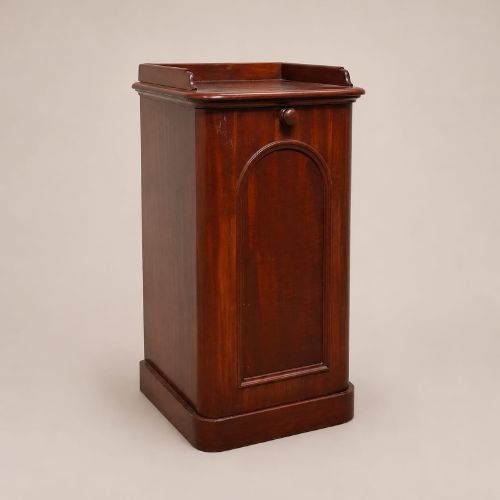
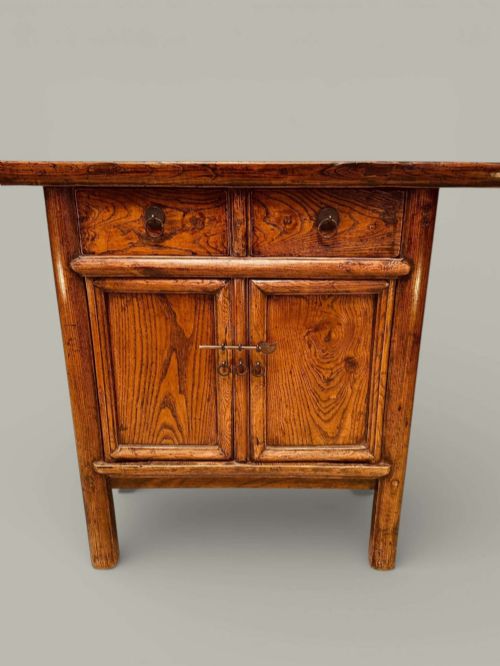
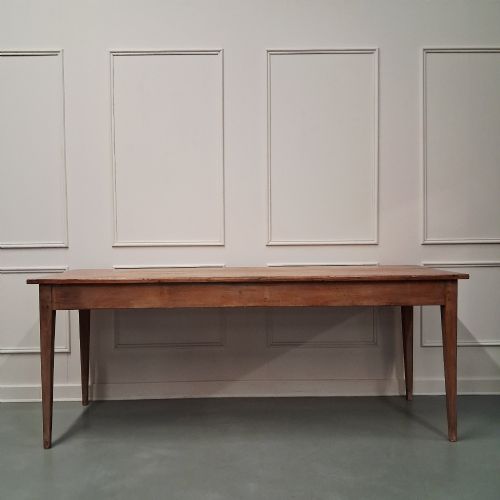
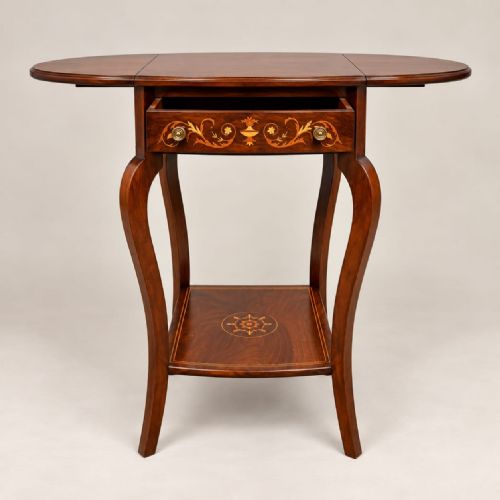
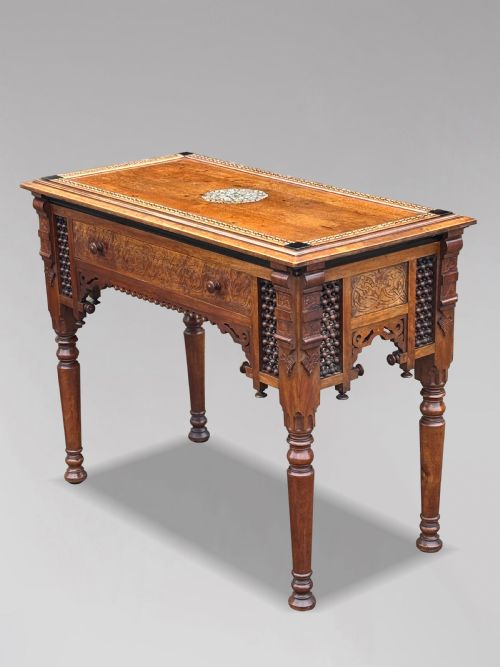
Mahogany and elm are frequently encountered materials, alongside rosewood, satinwood, cherry wood, and ash. The selection on this page demonstrates how domestic furniture from this period encompasses both British Victorian designs and global influences like Chinese provincial forms and Moorish inlay work.
How they were made
Makers of the period utilised robust native and imported timbers, constructing tables with traditional joinery suited to daily utility. Hardwoods such as mahogany, oak, and elm provide the structural foundation for dining and refectory formats, while decorative woods like rosewood and satinwood are applied to occasional and side tables.
Surface ornamentation varied according to style, incorporating carved details, painted polychrome finishes, and intricate inlay work such as Moorish patterns. Turning and drop-leaf mechanisms demonstrate the practical engineering applied to domestic furniture of the late nineteenth century.
C1880 Wooden Table Retail Price Guide 2026
Typical asking prices for c1880 wooden table among the pieces listed under this phrase on Sellingantiques today, from the lower quarter to the upper quarter. They describe what is for sale here now, not the wider market.
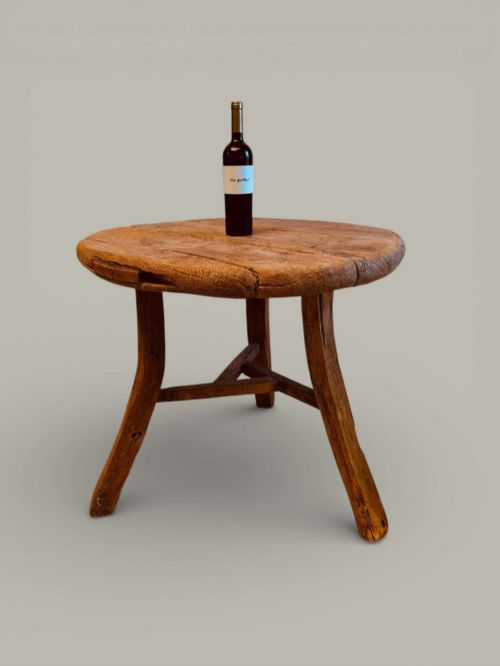
Even a simple side table from this era might conceal a bustling world of global trade through exotic 'locust wood' elm varieties.
What varies in quality
The distinction between standard utility pieces and finer examples lies in the selection of timber and the ambition of the design. Tables featuring specialist decorative elements, such as intricate inlay or painted surfaces, represent a higher order of nineteenth-century craftsmanship compared to plain utilitarian items.
Integrity of construction and the preservation of original surface finishes significantly influence the character of each piece. Tables that retain their original timber patination and structural soundness offer a more authentic representation of the period.
Liberty of London·William Birch
The C1880 Wooden Table Glossary
- Drop leaf table
- A table with hinged flaps on either side that can be folded down to save space or raised to increase surface area.
- Refectory table
- A long, narrow dining table traditionally used in communal halls and adapted for domestic dining rooms during the nineteenth century.
- Washstand
- A piece of furniture designed to hold a basin and pitcher for personal washing, often fitted with a marble or wooden top.
- Polychrome
- Decorated in a variety of different colours, frequently seen on decorative occasional tables from the period.
- Inlay
- A technique of inserting pieces of contrasting materials into a wooden surface to form decorative designs.
C1880 Wooden Table: Frequently Asked Questions
What is a c1880 wooden table?
A c1880 wooden table is a piece of domestic furniture manufactured around eighteen eighty during the Victorian era. These items encompass a wide variety of forms, from large dining tables to small occasional tables and side tables.
The materials and styles reflect the diverse manufacturing practices of the late nineteenth century, including British Arts and Crafts designs, Aesthetic Movement pieces, and imported regional styles.
How were these tables used originally?
These tables served numerous practical functions in nineteenth-century households, depending on their specific form. Dining tables accommodated meals, while side tables and occasional tables held lamps, books, or decorative objects.
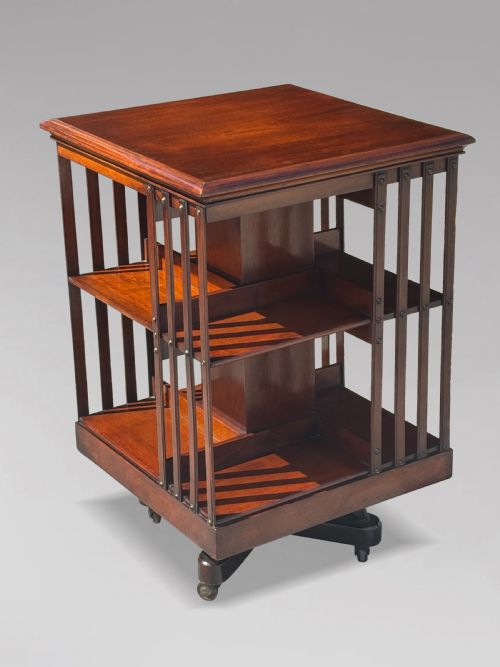
Specialised forms like washstands and revolving bookcases fulfilled specific domestic tasks in bedrooms and libraries, reflecting the structured organisation of Victorian daily life.
How do I live with a period table?
Living with a late nineteenth-century table involves balancing historical character with everyday utility. Placing tables in stable environments away from direct heat sources helps protect the antique timber and original finishes.
Regular maintenance using appropriate wood care preserves the surface patination while allowing the piece to function as a practical surface in a modern room.
How can I tell different styles apart?
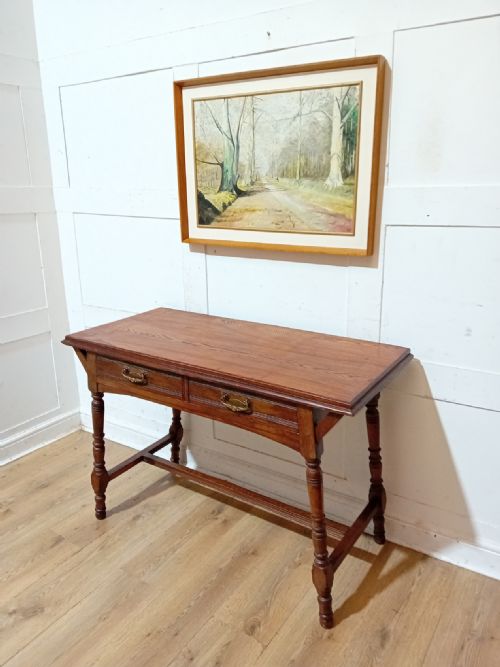
Distinguishing between styles relies on observing the materials, decorative motifs, and construction methods. Arts and Crafts pieces often emphasise honest construction in ash or oak, whereas Aesthetic Movement tables incorporate exotic details like Moorish inlay.
Victorian formal pieces frequently utilise mahogany or rosewood with traditional carving, setting them apart from simpler vernacular or painted regional examples.