
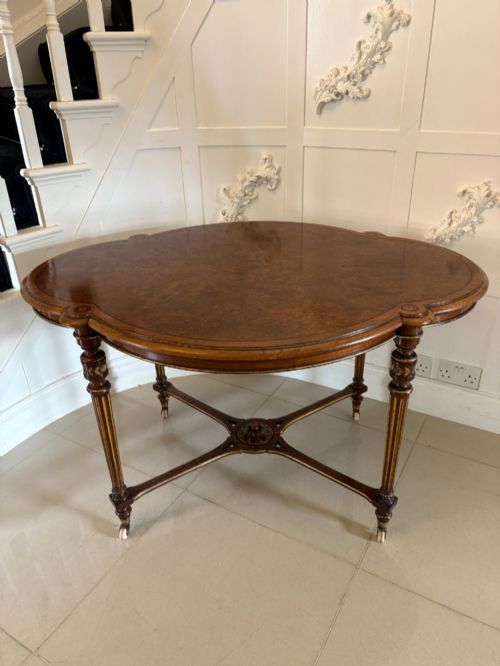
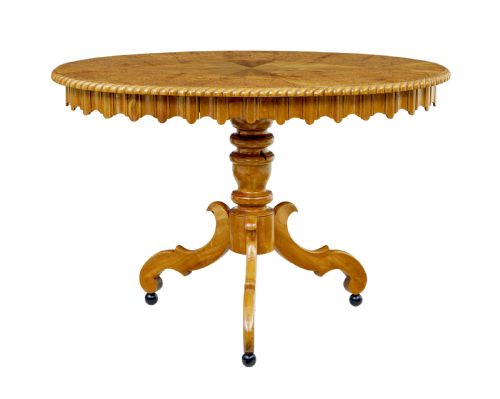
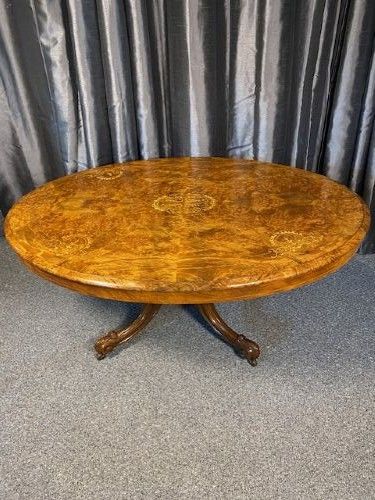
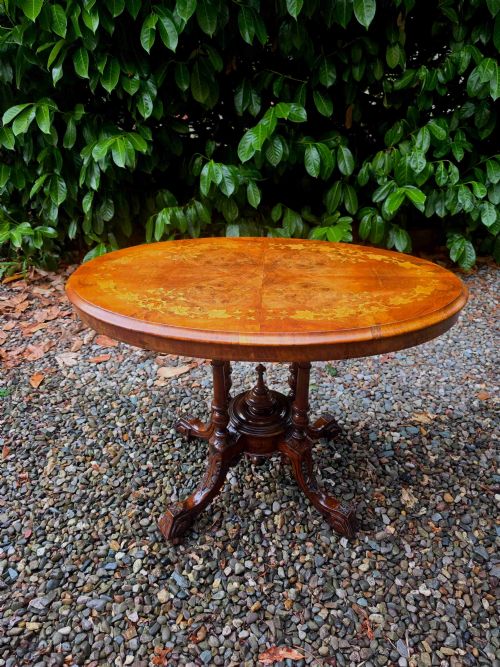
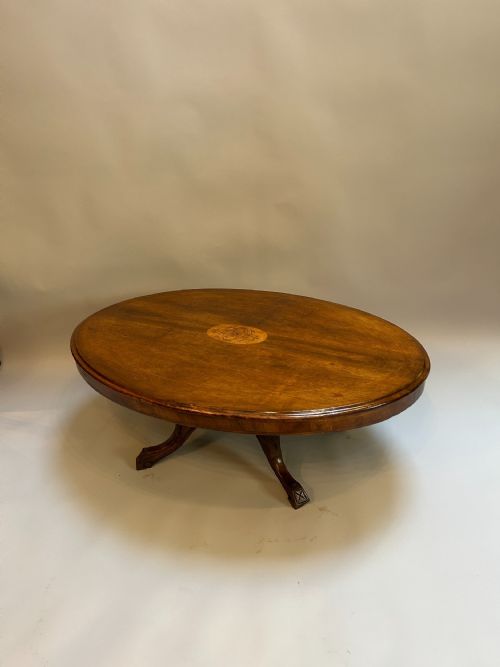


Burr Wood Centre Table
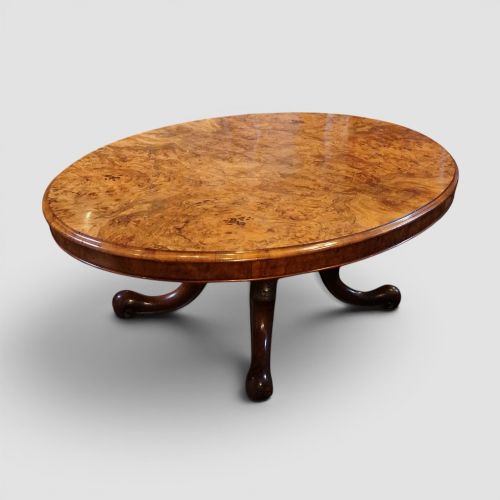
A burr wood centre table brings natural pattern and texture to a room, drawing the eye with its intricate grain.
Burr Wood Centre Table
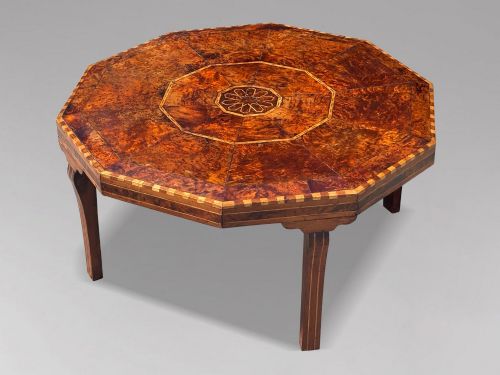
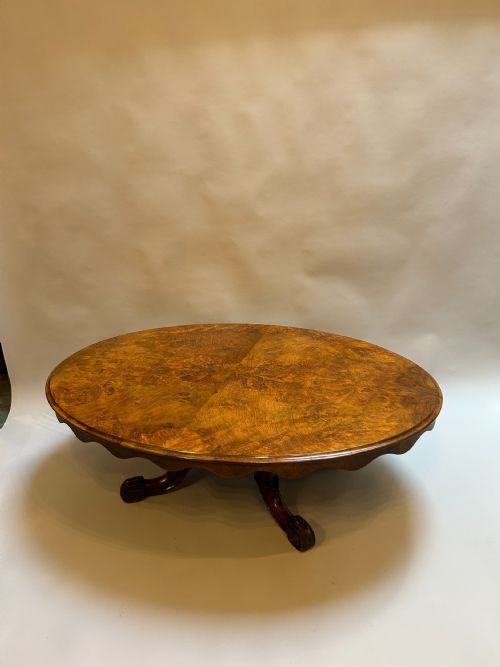
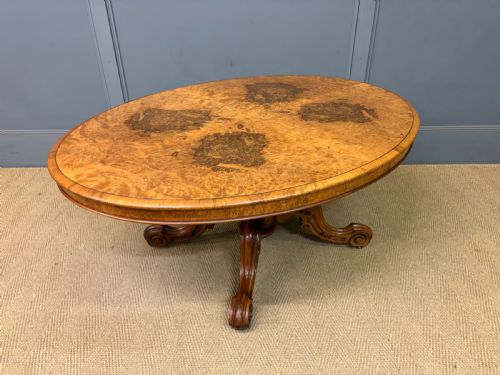
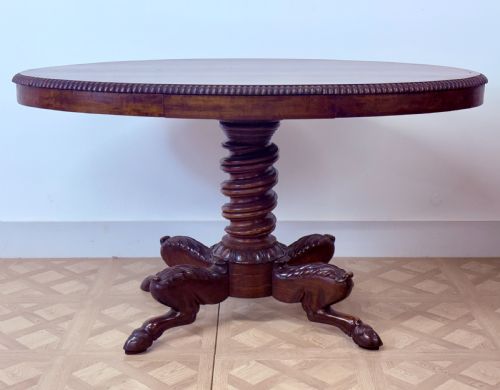
A burr wood centre table serves as a focal point in a room, traditionally designed to stand free rather than against a wall. The pieces found here span the nineteenth century and into the twentieth, encompassing Victorian, Regency, and Art Deco designs.
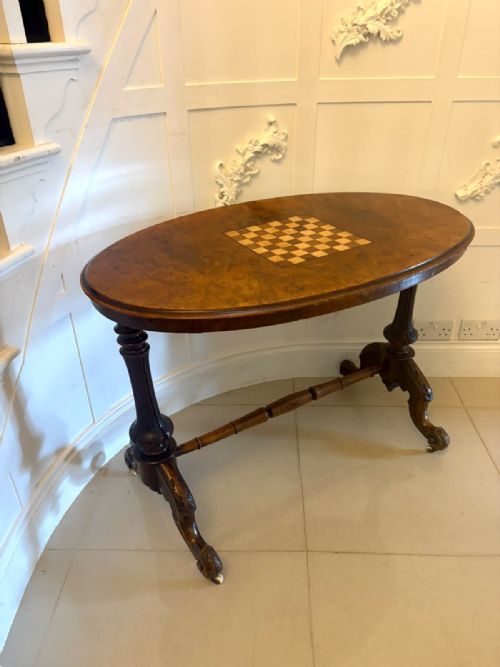
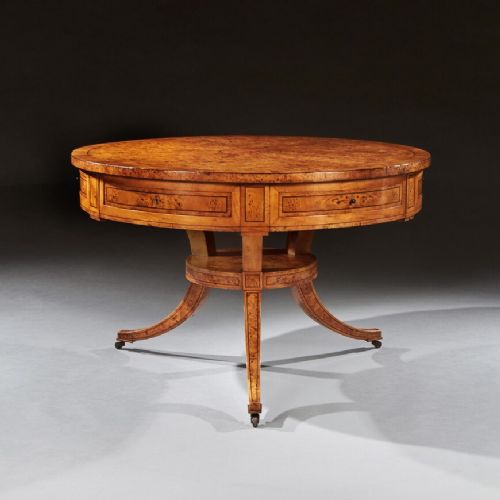
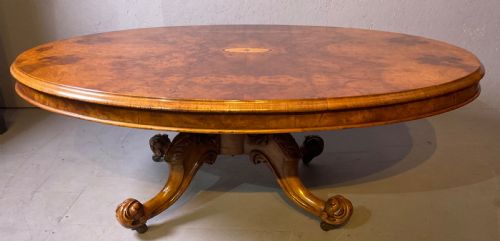
Buyers encounter various forms, with coffee tables, occasional tables, and larger loo or breakfast tables appearing frequently. Walnut, burr walnut, birch, elm, and yew form the primary surfaces, often enhanced by marquetry and wood inlay.
Materials and construction methods
Cabinet makers utilised slices of burr wood veneer, prized for its swirling knot formations, laid over solid secondary timbers. Marquetry and brass mounts frequently complemented the figured grain, adding decorative contrast to tops and borders.
Structural elements relied on traditional joinery, incorporating pedestals, tripod bases, and stretcher frames. Surfaces received polish to highlight the natural depths and variations of the burr patterns.
Listings feature burr variations in walnut, birch, elm, and yew across nineteenth and twentieth-century periods.
Distinctions in craftsmanship and materials
Quality depends heavily on the density and symmetry of the burr figuring across the top. Finer examples display carefully matched veneer segments that create harmonious geometric patterns.
The integrity of the underlying structure and the precision of any inlay or carved detail separate standard production from superior cabinet work. Original bases and unaltered proportions command greater interest.
Gillows
The Burr Wood Centre Table Glossary
- Burr wood
- Timber harvested from tree growths or burls, producing dense, swirling grain patterns. This wood forms the decorative upper surfaces of these tables.
- Marquetry
- The art of applying pieces of veneer to a structure to form decorative patterns. Craftsmen use various coloured woods to create detailed imagery.
- Loo table
- A large round or oval table originating in the Georgian and Victorian periods, designed for card games. Many examples feature tilt-top mechanisms for storage.
- Guéridon
- A small French table supported by one or more columns. These pieces often serve as occasional or accent tables in a room.
- Snap-top
- A hinged table top that tilts into a vertical position when not in use. This mechanism allowed tables to be stored against walls in smaller spaces.
Burr Wood Centre Table: Frequently Asked Questions
What rooms suit a burr wood centre table?
These tables fit well in sitting rooms, studies, or large hallways where they can be viewed from all sides. Their distinctive grain adds warmth and texture to traditional and eclectic interiors alike.
Because many function as coffee or occasional tables, they pair easily with existing seating arrangements while providing a practical surface for daily use.
How do I care for burr walnut surfaces?
Keep these tables away from direct sunlight and heat sources to prevent the veneer from drying or cracking. Regular dusting with a soft, dry cloth preserves the polished finish.
Avoid using silicone-based polishes or excessive moisture, as these can penetrate older finishes and damage the delicate grain beneath.
Are tilt-top tables stable for daily use?
Tilt-top mechanisms remain secure when locked into the horizontal position through original brass catches or wooden pins. Check that the pivot block and catch mechanism engage firmly.
While designed for convenience and occasional storage, a properly maintained snap-top functions reliably as a standard table.
How do I distinguish Victorian from Regency examples?
Regency tables often display cleaner neoclassical lines, pedestal bases, and darker timbers with restrained brass detailing. Proportions tend to be lighter and more architectural.
Victorian pieces frequently feature heavier carvings, elaborate marquetry inlay, and more complex base designs such as tripod, stretcher, or basket supports.