
Burr Walnut Wood
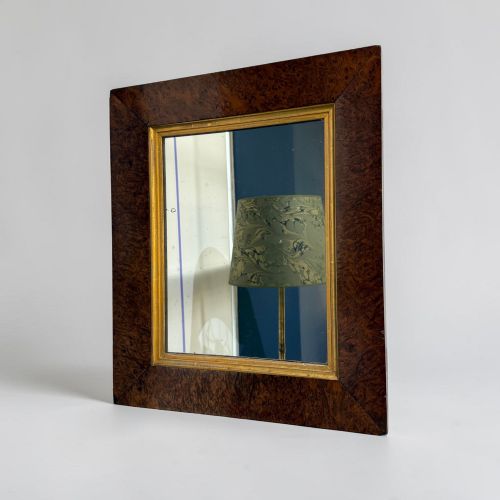
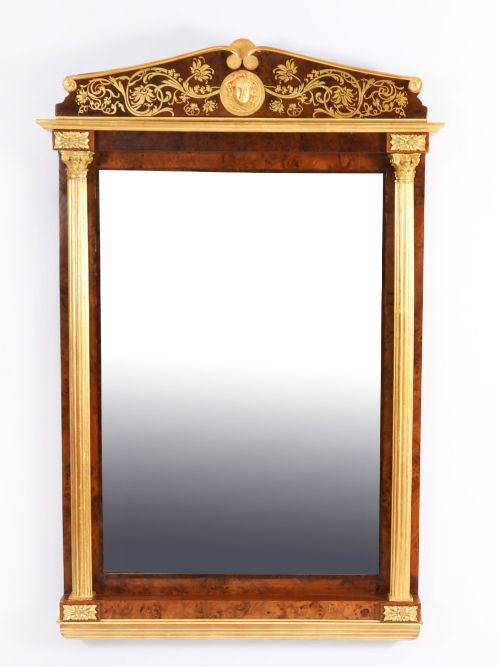
Burr walnut wood items bring distinctive figured grain and rich warmth to period interiors, spanning centuries of cabinet-making.
Burr Walnut Wood
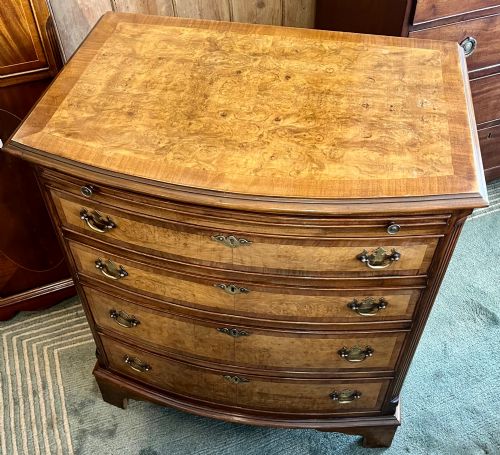
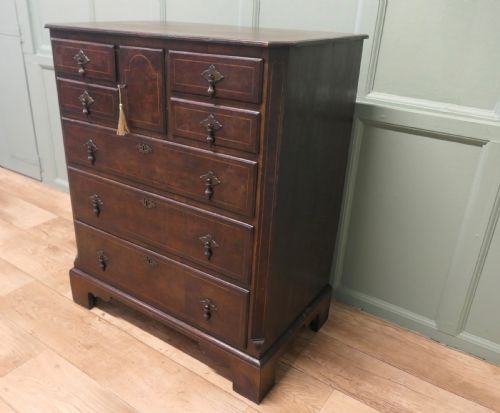
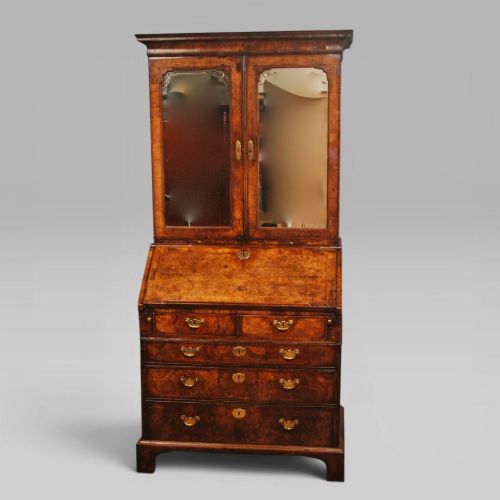
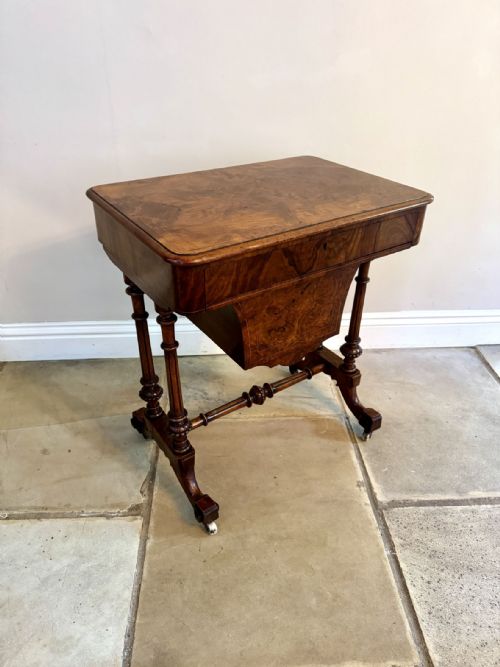
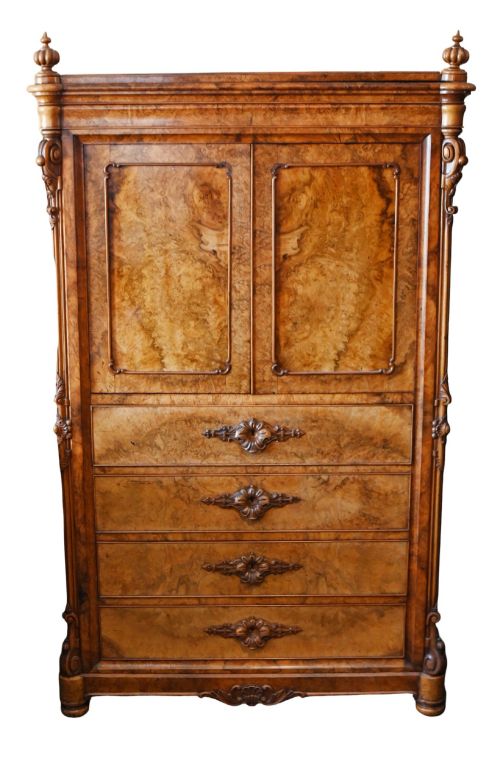
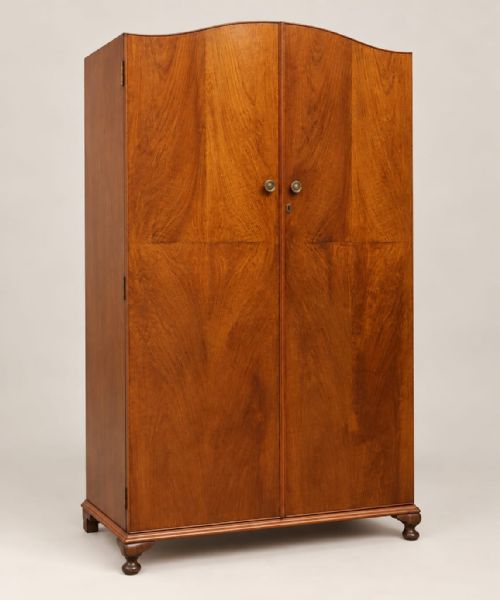
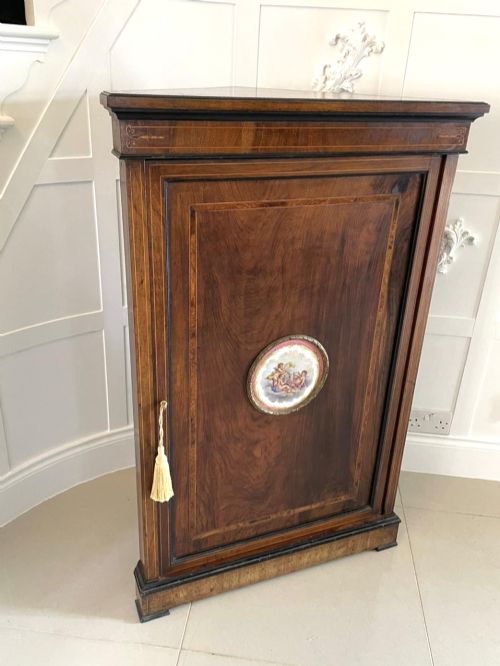
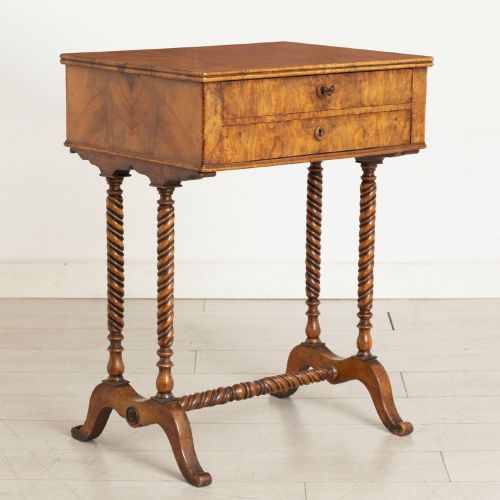
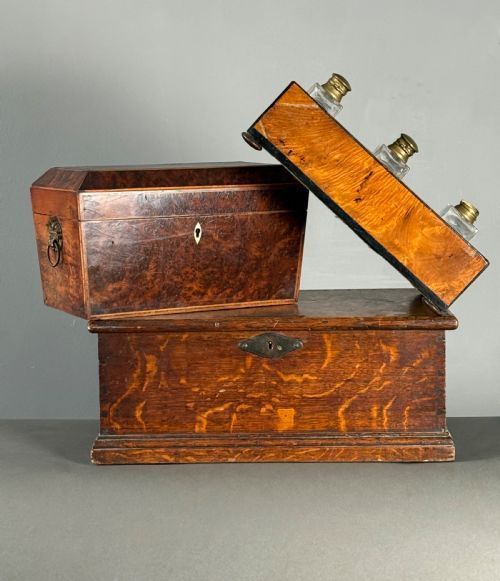
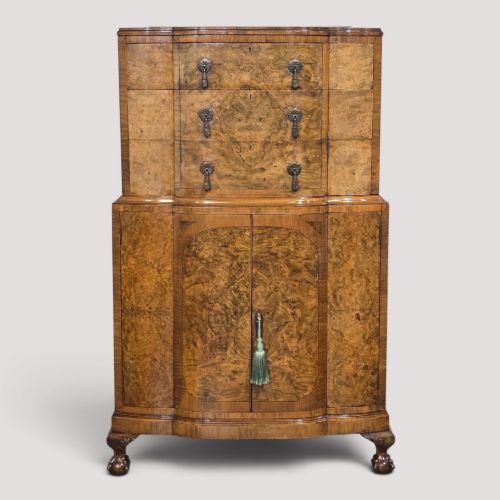
Burr walnut wood items encompass a rich variety of domestic furnishings, from 18th Century chests of drawers and lowboys to Victorian credenzas, writing tables, and games tables, alongside Edwardian and 1930s sideboards, wardrobes, and console tables.
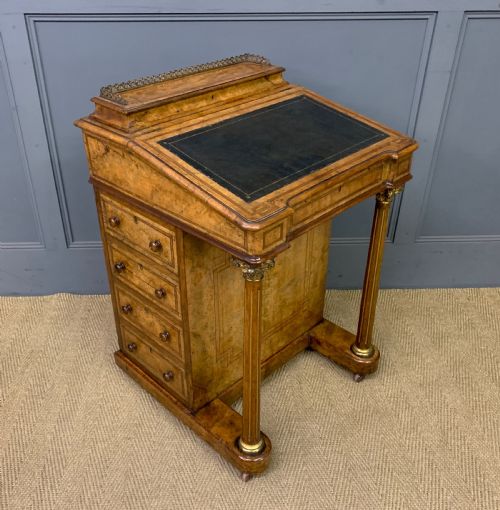
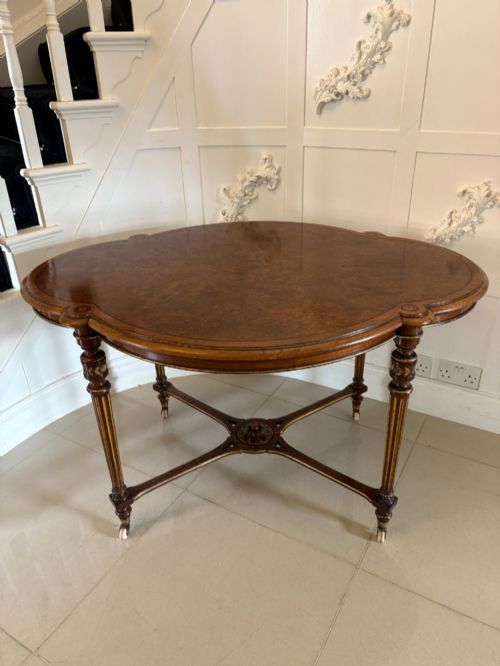
Buyers seeking this phrase most frequently encounter Victorian pieces, particularly inlaid davenports, card tables, and occasional tables that showcase the distinctive swirling patterns of the timber.
The selection also includes earlier Georgian examples alongside later Edwardian and Art Deco designs, demonstrating how makers utilised this decorative veneer across different eras.
Assessing craftsmanship and execution
The top of the range is defined by the density, symmetry, and visual impact of the burr walnut figuring, where veneer is meticulously matched across drawer fronts and tabletops to create harmonious patterns.
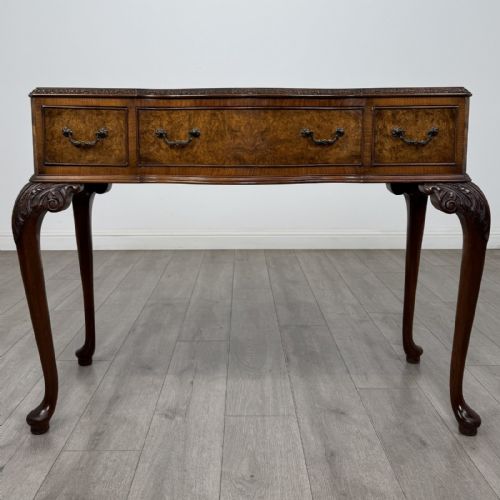
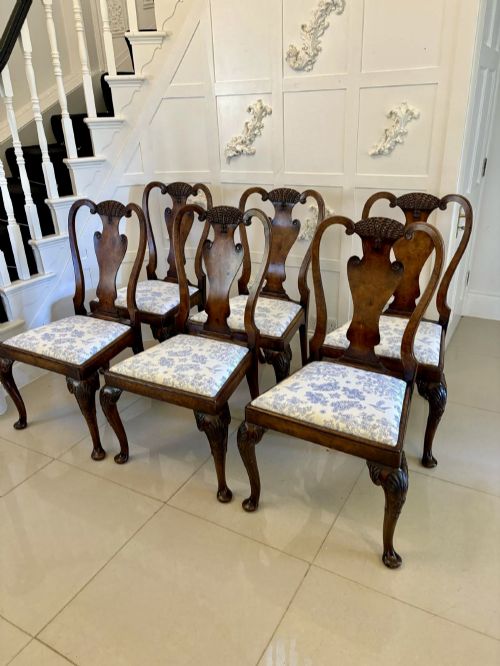
Superior examples demonstrate refined secondary carving, such as detailed work on cabriole legs and basket bases, alongside crisply executed inlay and robust structural joinery that maintains integrity over centuries.
Lower quality pieces often display disrupted grain continuity, clumsy proportions, or less disciplined execution in the secondary timbers and mounts.
The material appears across diverse forms, including dining chairs, linen presses, grandfather clocks, and folding card tables.
The Burr Walnut Wood Glossary
- Burr walnut
- A prized veneer derived from the abnormal growth or burl on a walnut tree, producing intricate, swirling grain patterns that are highly decorative.
- Cabriole leg
- A furniture leg featuring a double curve, typically swelling outward at the knee and tapering inward at the foot, common in Queen Anne and later revival styles.
- Davenport
- A compact Victorian writing desk featuring a sloping desktop above a bank of drawers, frequently constructed with burr walnut.
- Lowboy
- A small 18th Century dressing table or side table typically fitted with one or more drawers beneath a flat top.
Burr Walnut Wood: Frequently Asked Questions
How do I clean burr walnut wood?
Dust surfaces regularly with a soft, dry cloth to prevent accumulation. Avoid modern silicone sprays or harsh chemical cleaners.
Apply a quality beeswax polish sparingly once or twice a year to nourish the timber and maintain the natural lustre of the French polished surface.
Can I place burr walnut near sunlight?
Direct sunlight causes walnut veneer to fade and dry out over time. Position tables, cabinets, and desks away from south-facing windows.
Use curtains or UV-filtering window films to protect pieces that must remain in naturally bright rooms.
How do I identify a Victorian piece?
Victorian examples often feature deep, rich patination combined with elaborate burr walnut veneers, inlaid decoration, and turned or cabriole supports. Look for characteristic Victorian forms such as fold-over games tables, davenports, and credenzas.
Construction details like hand-cut dovetails in secondary timbers help confirm the mid-to-late 19th Century origin.
What is the difference between walnut and burr walnut?
Standard walnut timber comes from the trunk of the tree and displays a relatively straight, uniform grain with occasional darker banding. It was commonly used for solid structural elements.
Burr walnut comes from a tree growth or excrescence, yielding a dense cluster of knots and swirling eyes that create a highly figured, decorative surface pattern.