



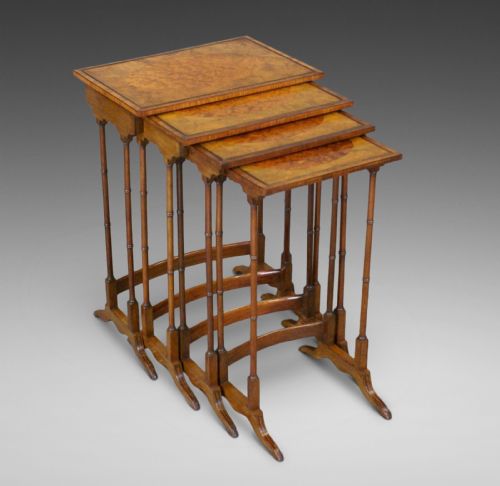

Burr Walnut Table Set
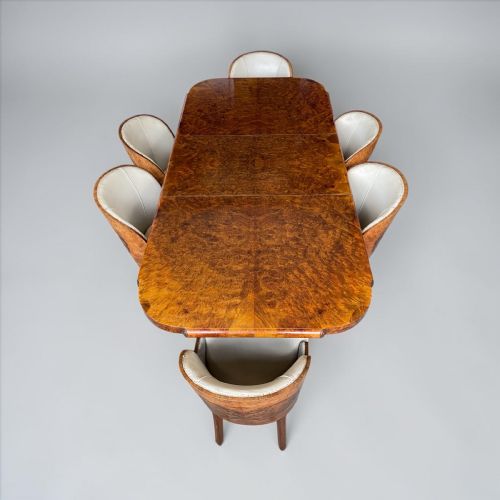
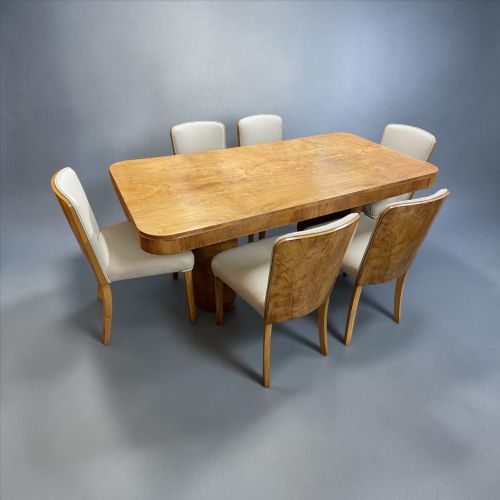
These burr walnut table set pieces bring striking grain patterns to dining rooms and living spaces, offering matched elegance for serious collectors.
Burr Walnut Table Set
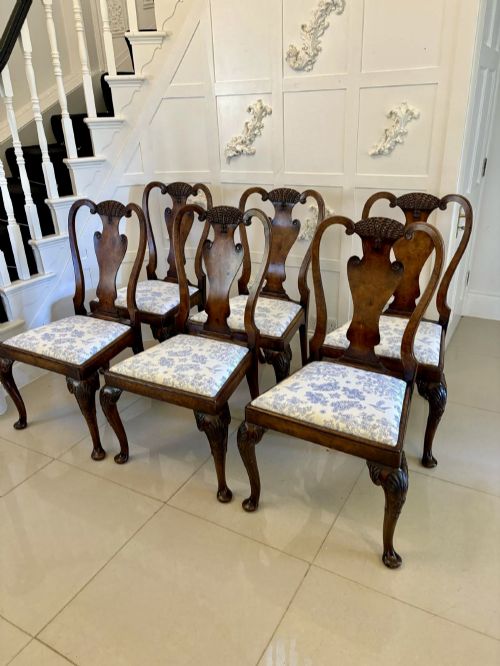
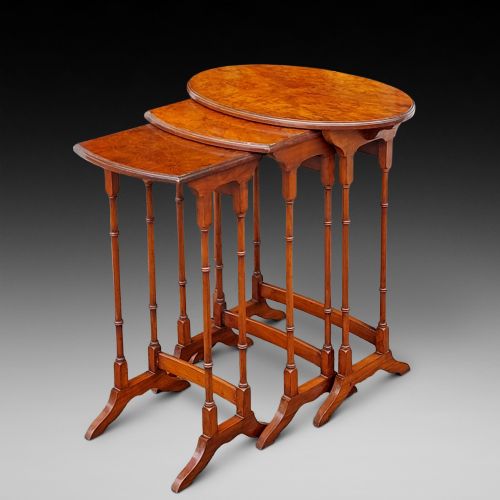
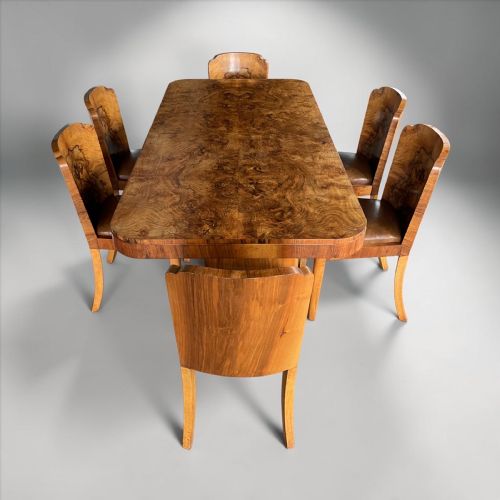
A burr walnut table set brings together matching items designed for dining, living spaces, or bedrooms, often appearing as nests of tables or comprehensive dining suites. When searching for a burr walnut table set, buyers most commonly encounter dining tables paired with chairs, or multi-piece nesting tables grouped by size.
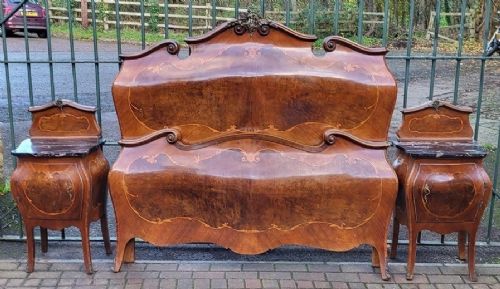
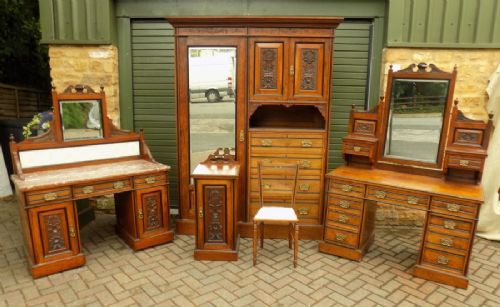
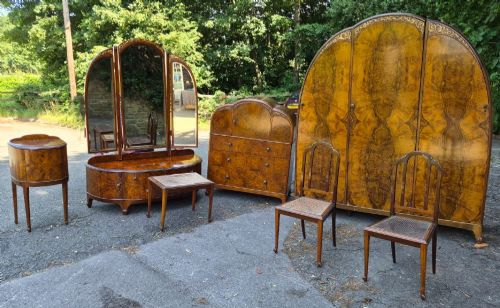
The pieces span several distinct periods, reaching from Victorian and Edwardian examples through to bold Art Deco designs from the 1930s. Alongside these, nineteenth century console tables and twentieth century bedroom suites demonstrate the wide variety of forms utilising this timber.
Materials and construction
Makers utilised burr walnut and plain walnut veneers over solid secondary woods, often highlighting the swirling, knotty grain patterns on tabletops and cabinet fronts. Brass mounts, ormolu, leather inserts, and marble tops appear on specific pieces to add structural contrast and decorative weight.
Nineteenth-century workshops and twentieth-century firms like Hille London or Epstein employed precision cabinetmaking techniques to join frames and apply delicate veneers without splitting the sensitive burr grain.
Burr Walnut Table Set Retail Price Guide 2026
Typical asking prices for burr walnut table set among the pieces listed under this phrase on Sellingantiques today, from the lower quarter to the upper quarter. They describe what is for sale here now, not the wider market.
Listings span multiple eras, encompassing Victorian, Edwardian, nineteenth-century, and 1930s Art Deco periods.
Evaluating quality in sets
The highest quality sets display exceptional grain matching across every table or chair in the grouping, ensuring the swirling patterns flow coherently from the main table to the surrounding seating. Lesser examples rely on uneven veneer placement or mismatched timber sections that disrupt the visual harmony of the suite.
Construction integrity separates master workshops from standard production, visible in the stability of nesting frames, the crispness of carved details on Victorian pieces, and the clean geometric lines characteristic of Art Deco design.
Maurice Adams·Frank Taylor and Co·Harry and Lou Epstein·Hille London
The Burr Walnut Table Set Glossary
- Burr walnut
- A wood veneer taken from the warted growths on walnut trees, prized for its complex, swirling grain patterns. It creates a highly decorative surface for tabletops and cabinet doors.
- Nest of tables
- A set of graduated tables designed to fit neatly beneath one another when not in use. They save space while providing multiple surfaces for lamps or cups.
- Quintetto
- A set of five nesting tables arranged in a graded series, popular in Art Deco designs. Each smaller table slides sequentially into the one above it.
- Ormolu
- Gilded bronze mounts applied to furniture edges and corners for decoration. This technique adds metallic contrast to dark wooden surfaces.
- Console table
- A table designed to stand against a wall, frequently paired with a matching mirror. Nineteenth-century versions often incorporate marble tops.
Burr Walnut Table Set: Frequently Asked Questions
How do I care for burr walnut furniture?
Keep wooden surfaces away from direct sunlight and heat sources to prevent the delicate veneer from drying out or cracking. Dust regularly with a soft cloth and apply appropriate furniture wax sparingly.
Avoid using harsh chemical polishes or excessive moisture on antique walnut. Professional restoration is recommended if the veneer begins to lift from the substrate.
What is a quintetto nest of tables?
A quintetto is a specific arrangement of five graduated tables designed to slide neatly beneath one another. This form became particularly popular during the Art Deco period.
The layout allows owners to deploy multiple surfaces across a room during gatherings and store them compactly afterward without occupying extra floor space.
How can I tell Art Deco sets apart from Edwardian ones?
Art Deco sets from the 1930s tend to feature streamlined geometric shapes, bold waterfall edges, and dramatic burr walnut grain configurations without heavy ornamentation. Edwardian pieces often lean towards revival styles with softer curves and lighter proportions.
Examining the underlying construction methods and hardware will also help distinguish the manufacturing era of each piece in the suite.
Can I use a dining suite in a modern interior?
These dining suites adapt easily to contemporary rooms by providing a striking focal point through their natural wood grain. Pairing vintage tables with minimalist surroundings highlights the craftsmanship of the period.
Ensure the dimensions of the table and the accompanying chairs match the scale of your dining space to maintain comfortable circulation around the room.