
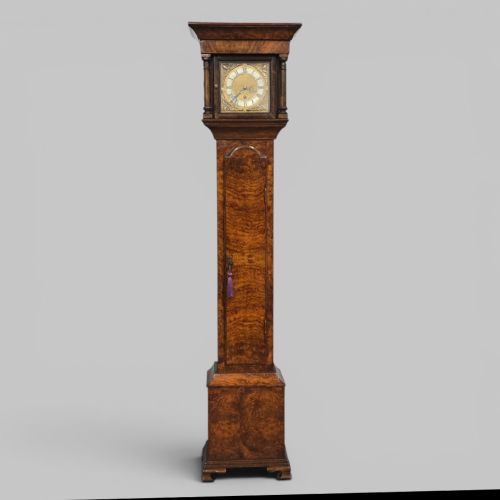


Burr Walnut Chime Clock
A burr walnut chime clock brings together rich grain patterns, mechanical depth and striking chimes.
Burr Walnut Chime Clock
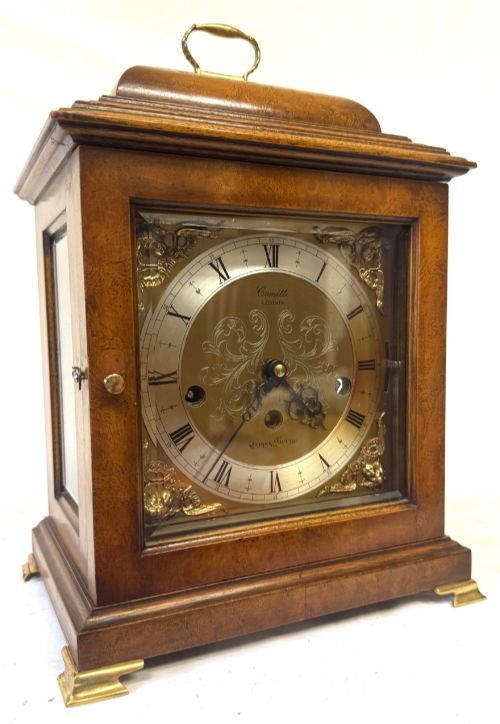
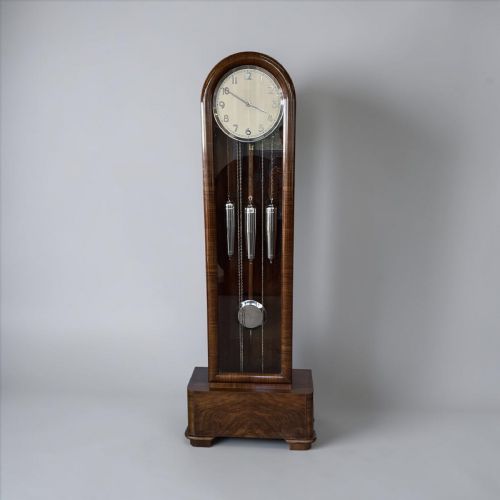
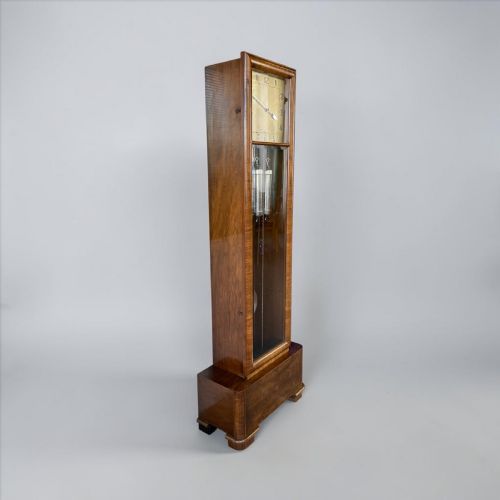
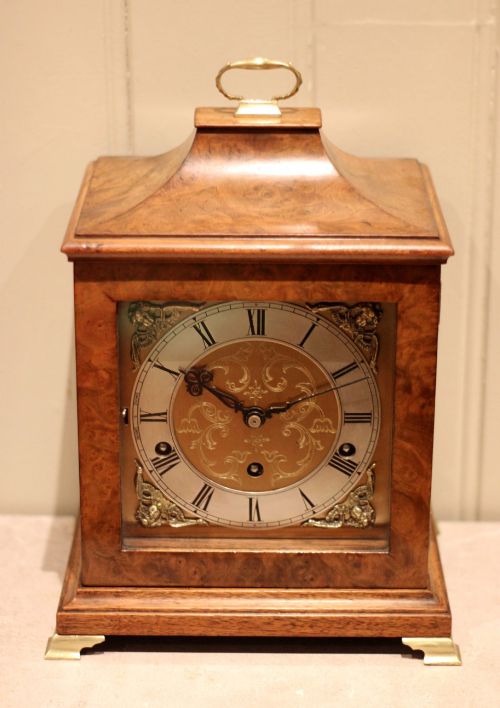
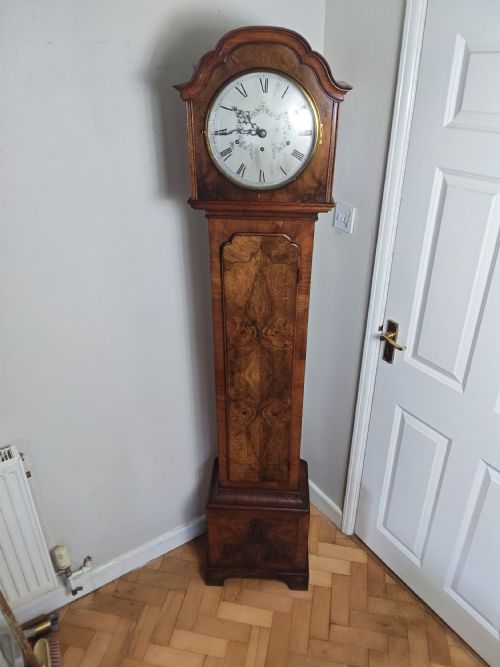
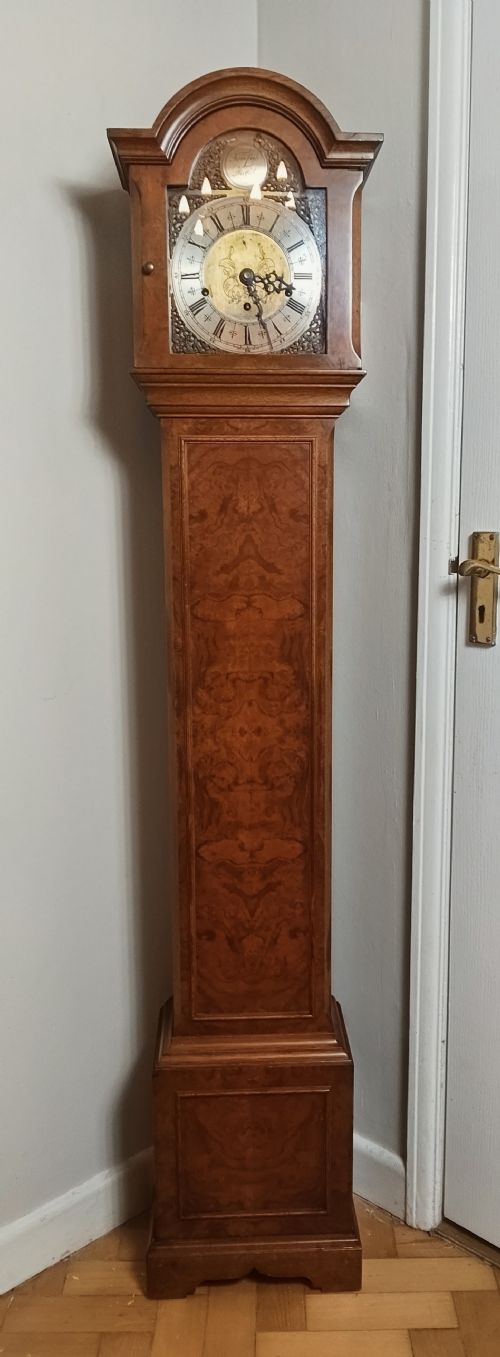
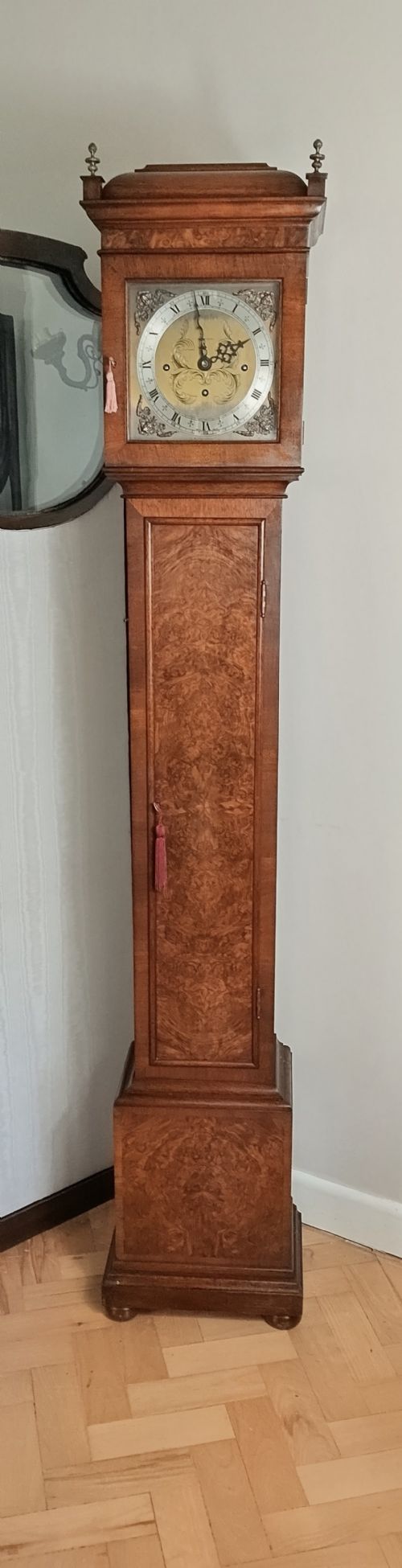
A burr walnut chime clock is a striking timekeeper housed in figured wood, encompassing both compact mantel designs and tall floor-standing longcase models. When you search for a burr walnut chime clock, you meet pieces ranging from early bracket clocks to twentieth-century grandmother clocks.
The selection includes tall floor clocks alongside smaller bracket and mantel formats. Styles draw on Queen Anne, Georgian and Art Deco traditions, reflecting decades of craftsmanship from the nineteenth century into the mid-twentieth century.
Materials and construction
Makers utilised burr walnut veneer over solid timber foundations to showcase intricate swirling grain patterns on the visible surfaces. Brass and silvered metal components form the dials, bezels and movement plates.
Movements incorporate complex chime mechanisms, including Westminster, Whittington and St Michael melodies driven by weights, springs or tubular bells.
Grandmother clocks offer the theatrical presence of a tall longcase without requiring cathedral-sized ceilings.
Standards of craftsmanship
Quality rests upon the selection and symmetry of the burr veneer matched across the case panels. Finer examples display precise cabinet jointing and sophisticated multi-tune mechanical movements.
The execution of the dial engraving and the resonance of the chime rods separate standard production items from superior workshop pieces.
Comitti Of London·Mappin & Webb·ELLIOTT·Haller·Lenzkirch·Thwaites and Reed·Perivale
The Burr Walnut Chime Clock Glossary
- Burr walnut
- A figured wood grain obtained from walnut tree growths, valued for its complex circular patterns. Cabinetmakers apply this as a veneer to prominent exterior surfaces.
- Bracket clock
- A portable timekeeper originally designed to sit on a wall bracket. Later versions function as substantial mantel clocks with carrying handles.
- Grandmother clock
- A slender floor-standing longcase clock of smaller proportions than a traditional grandfather clock. These pieces fit comfortably in lower-ceilinged rooms.
- Chime movement
- A mechanical gear train that plays musical notes or quarter-hour melodies on bells, gongs or tubes. Common configurations include Westminster and Whittington tunes.
- Silvered metal
- A brass dial plate treated with a silver finish and etched with numerals. This treatment provides high contrast against dark wooden cases.
Burr Walnut Chime Clock: Frequently Asked Questions
What is a grandmother clock?
A grandmother clock is a slender floor-standing timekeeper built with shorter proportions than a traditional grandfather clock.
These pieces integrate complex chime mechanisms while maintaining a compact footprint suited to domestic interiors.
How do chime movements work?
Chime movements utilise mechanical gear trains to lift hammers that strike gongs, bells or tubular rods at set intervals.
Train configurations govern whether the mechanism plays single melodies or multiple tunes across the hour.
Where should I place a bracket clock?
Bracket clocks suit heavy furniture tops, sideboards or dedicated wall shelves where the sound can resonate.
Keep mechanical clocks away from direct sunlight, draughts and damp areas to protect the wood and internal gearing.
How do I identify Art Deco styles?
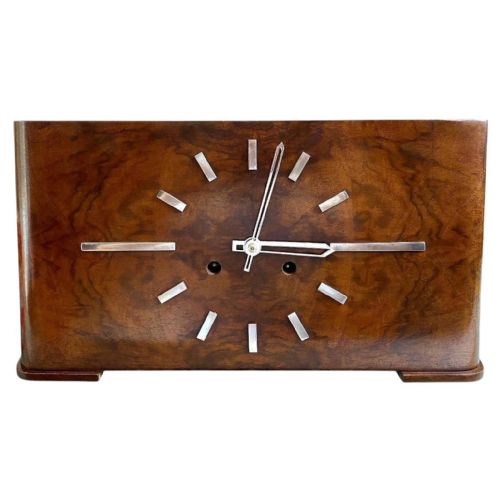
Art Deco clocks display geometric symmetry, streamlined silhouettes and minimal ornamentation compared to earlier revival periods.
Cases from this era often pair figured walnut veneers with contrasting chrome or metal accents.