

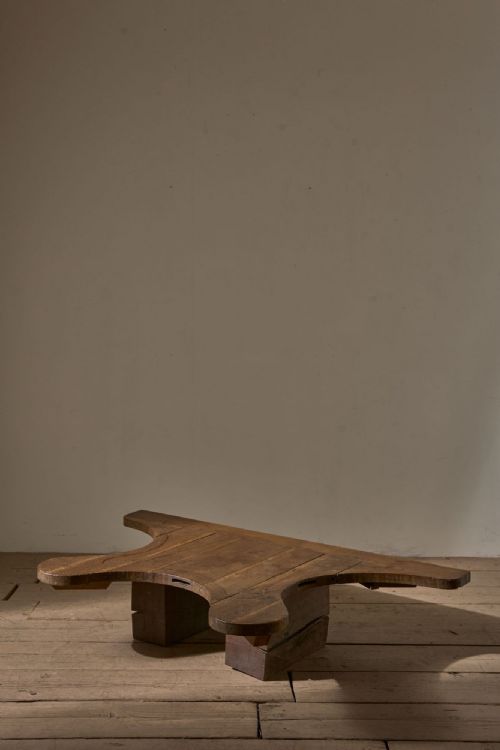
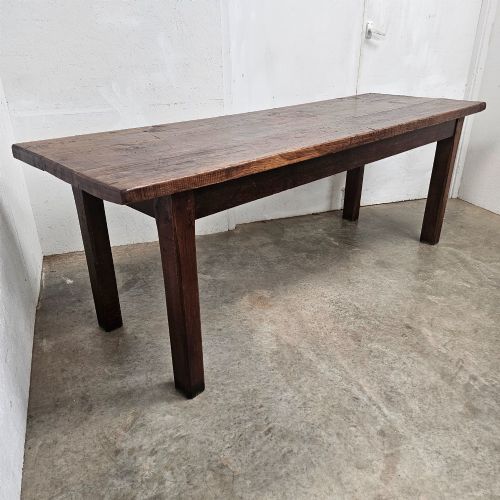


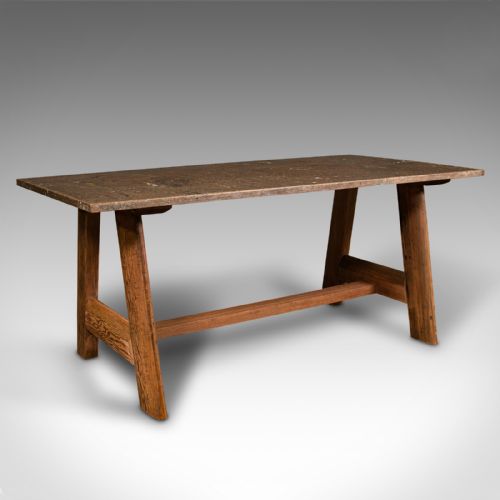
Brown Wooden Workbench
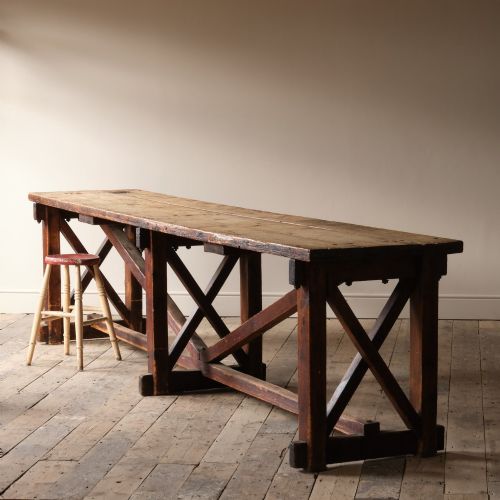
A brown wooden workbench offers solid utility and rich historic character, making it a sought-after piece for anchoring rustic or industrial interiors.
Brown Wooden Workbench
When you search for a brown wooden workbench, you encounter sturdy utilitarian surfaces built for craft, trade, and daily labour. The listings present forms originating primarily from the nineteenth century, the Victorian era, and the early twentieth century, spanning English and French origins.
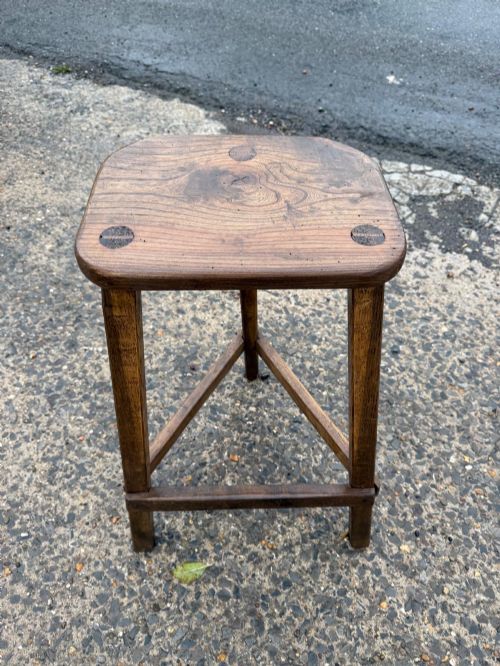
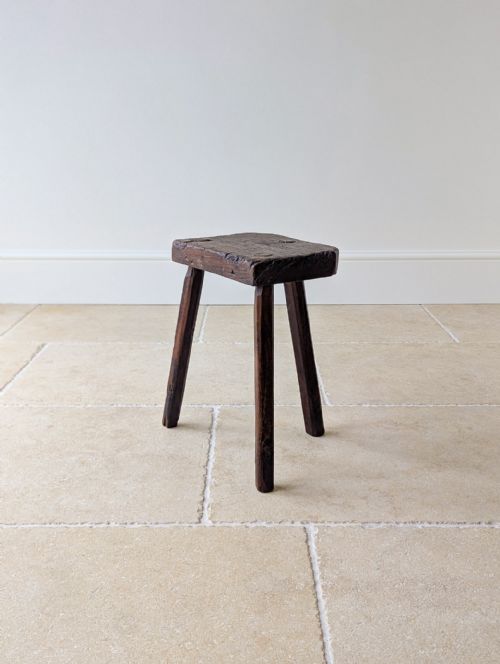
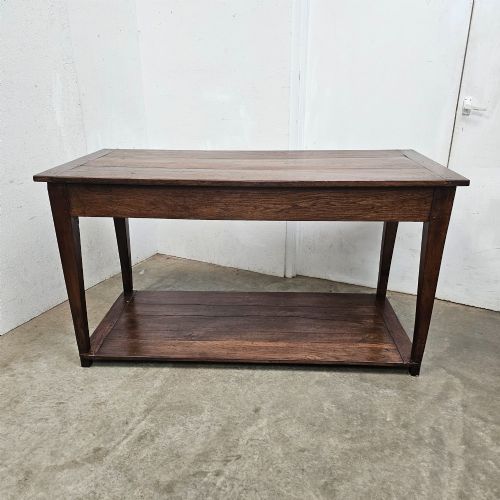
The objects take several distinct shapes beyond traditional workbenches, including tavern tables, multi-tiered work tables, and specialised stools or coffee tables. These pieces frequently show the heavy wear of their original workshops, featuring thick tops and integrated vices.
You are most likely to meet French provincial and Victorian utilitarian examples on this page, reflecting robust regional construction. Such furniture moves easily from working spaces into modern domestic settings as functional dining or coffee tables.
Materials and construction
Workbenches and associated tables rely on dense timbers such as oak, elm, ash, pine, beech, and general hardwood for their substantial frames and surfaces. These materials were selected for durability, providing the weight and resilience required by artisans, jewellers, and machinists.
Iron and cast iron appear frequently in structural components, such as mechanical vises and base supports, adding industrial strength to the timber bodies. The combination of heavy wood and metal creates a robust construction designed to withstand intense physical labour.
Brown Wooden Workbench Retail Price Guide 2026
Typical asking prices for brown wooden workbench among the pieces listed under this phrase on Sellingantiques today, from the lower quarter to the upper quarter. They describe what is for sale here now, not the wider market.
Some workbenches still retain the stubborn metal stains of nineteenth-century silversmiths and machinists who toiled upon them.
Assessing quality and character
Quality in these utilitarian objects rests on the integrity of the timber, the preservation of original working mechanisms like vises, and the depth of surface patina. Pieces featuring dense hardwoods like oak or elm demonstrate superior structural longevity compared to lighter timber constructions.
The presence of maker attribution, such as Thonet stools, elevates the standing of a piece within the range. Furthermore, the balance between honest workshop wear and structural soundness dictates whether a workbench serves primarily as display or daily service.
Thonet
The Brown Wooden Workbench Glossary
- Utilitarian
- Designed primarily to be functional rather than decorative. This style prioritises practical utility over ornamental refinement.
- Patina
- The surface sheen and colour developed through years of handling, use, and age. It signals the authentic history of the wood.
- Vice
- A mechanical screw apparatus attached to a workbench for holding a workpiece securely. It remains a defining feature of artisan tables.
- Primitive
- Describing furniture of simple, unpretentious construction, often made locally without sophisticated workshop machinery.
Brown Wooden Workbench: Frequently Asked Questions
What is a brown wooden workbench used for today?
These pieces function as striking dining tables, console tables, or robust coffee tables in contemporary homes. Their large, durable surfaces lend themselves well to everyday practical use.
Beyond domestic utility, they serve as focal points in industrial or rustic interiors, bringing historic craft character directly into a room.
How do I care for the surface of a vintage workbench?
Maintain the wood by cleaning it gently with a dry or slightly damp cloth, avoiding harsh chemical cleaners that strip the historic finish. Applying natural wax periodically helps nourish dry timber and preserve the accumulated patina.
Protect the surface from excessive moisture and direct heat to prevent warping or water rings on the aged wood.
How can I tell a French workbench from an English one?
French workbenches often display distinct regional joinery traditions and frequently utilise native fruitwoods or French oak alongside integrated wooden vices. English examples tend to feature heavy oak or elm framing, sometimes incorporating cast iron components from industrial centres.
Examining the specific form of the integrated vice and the species of timber usually reveals the geographic origin of the workshop.
Are these benches suitable for daily kitchen use?
Many of these pieces possess the thick tops and sturdy construction necessary to withstand regular kitchen or dining activities. Their historic surfaces naturally accommodate the demands of daily use while showing the marks of their past lives.
Careful placement and appropriate surface treatment ensure that an antique workbench handles modern domestic environments securely.