
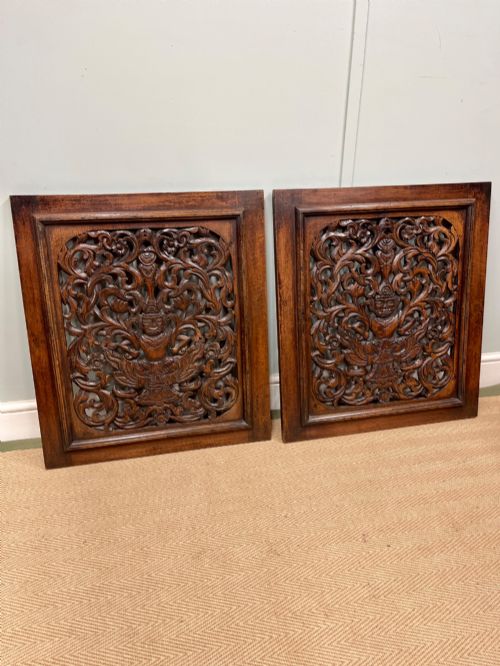
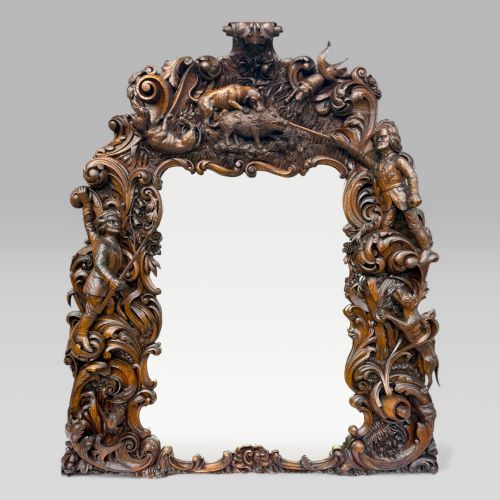
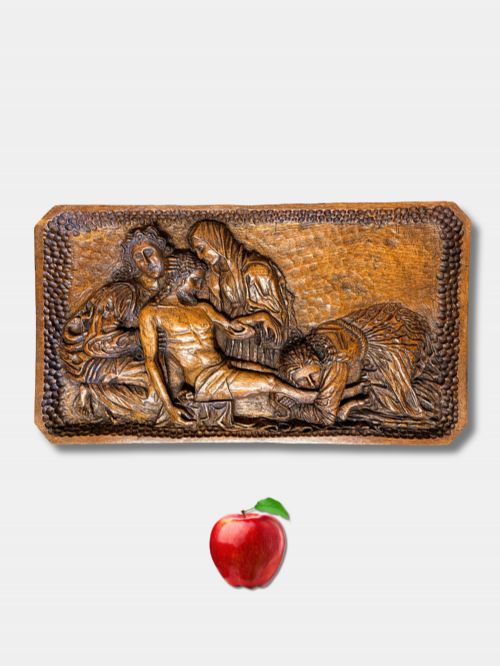
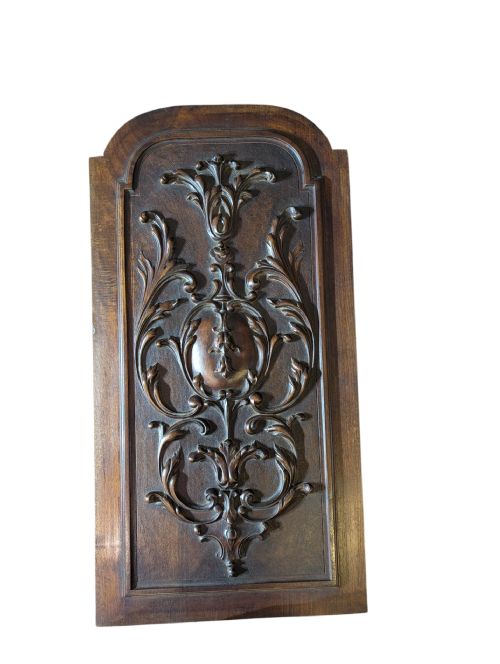
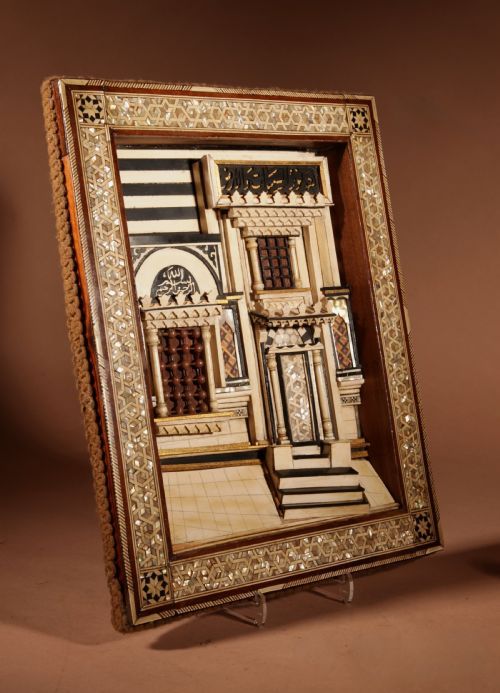
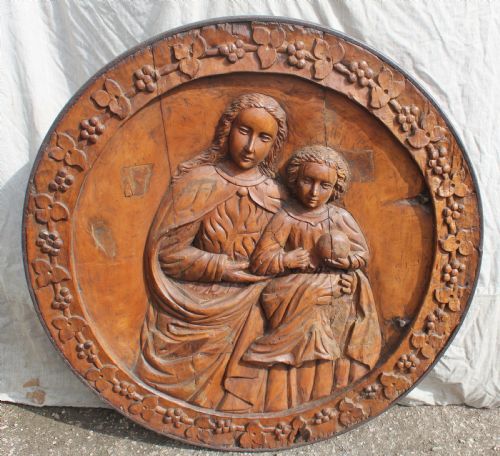
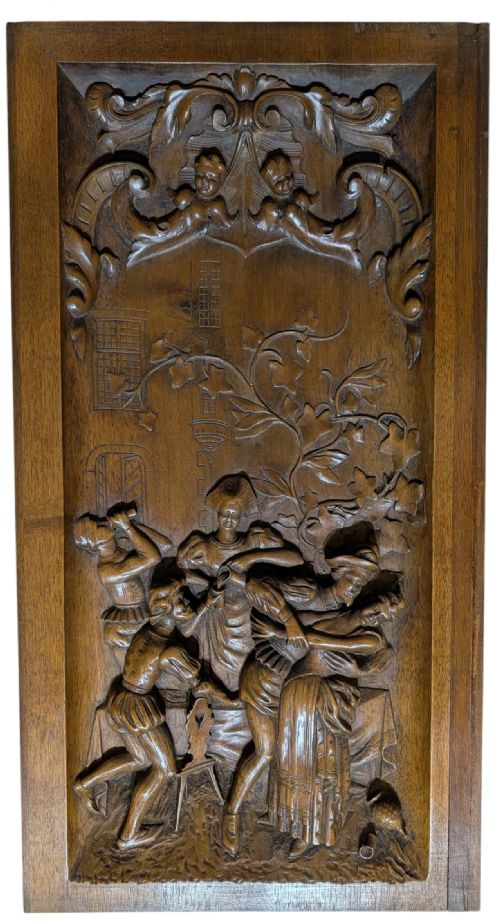


Brown Wooden Wall Relief
A brown wooden wall relief brings depth and tactile history directly into a room through centuries of skilled carving.
Brown Wooden Wall Relief
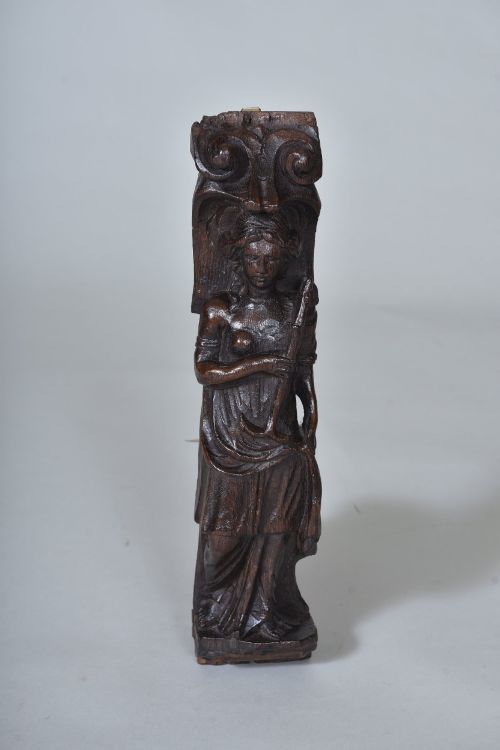
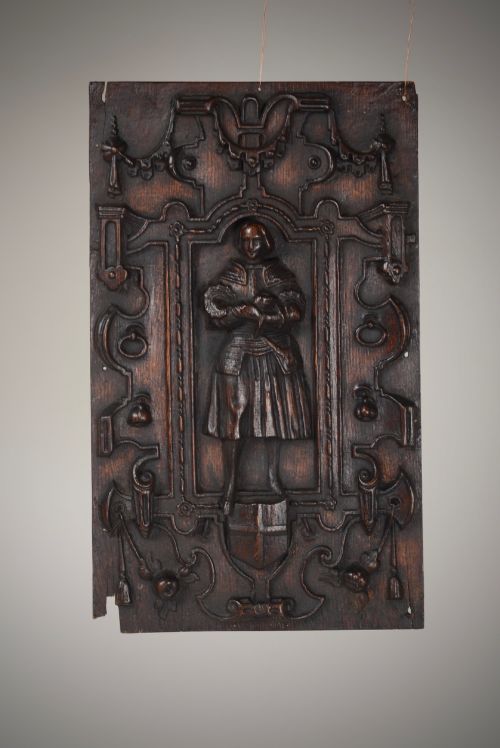
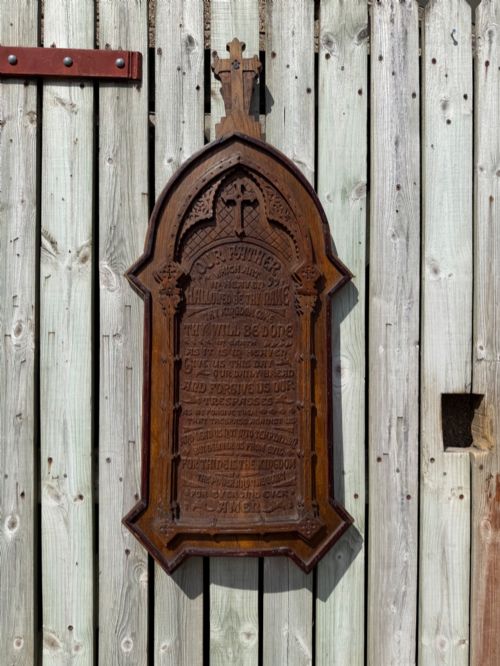
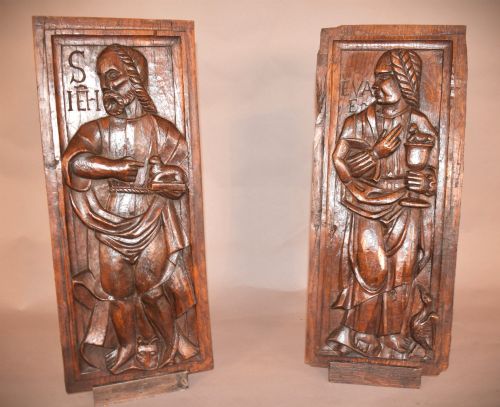
A brown wooden wall relief encompasses carved panels, plaques, architectural salvage, and sculptural fragments designed to mount directly onto interior walls. When exploring this selection, a buyer encounters everything from small devotional carvings and armorial crests to large architectural overmantles and decorative panels.
The pieces span multiple eras, with strong representation from the seventeenth and nineteenth centuries, alongside earlier sixteenth-century works and later nineteenth-century revival styles. Subjects range widely from religious iconography and classical scenes to heraldry, portraits, and traditional motifs originating from Europe, India, Burma, and China.
Oak, walnut, chestnut, teak, and various hardwoods form the primary structural mediums, frequently shaped into high or low relief depicting figures, foliage, and narrative scenes. These items function as focal points in a room, carrying the weight of traditional craftsmanship into domestic spaces.
Craftsmanship and expression
The integrity of the timber and the preservation of the original surface texture dictate the lasting character of each piece. Superior examples retain sharp tool work and deep undercutting that catches the light, whereas excessive smoothing or heavy restoration obscures the hand of the maker.
The inventory spans multiple centuries of woodworking traditions, featuring materials from native European oak and walnut to exotic teak and hardwood.
The Brown Wooden Wall Relief Glossary
- Relief
- Sculpture where figures or designs project from a flat background. High relief stands out significantly, while low relief remains closer to the plane.
- Overmantle
- A decorative architectural structure or panel placed directly above a fireplace mantel. These often feature large armorial displays or extensive narrative scenes.
- Cornice
- A decorative horizontal moulding crowning a wall panel or architectural piece. It finishes the top edge with architectural structure.
- Corbel
- A structural piece of stone or wood projecting from a wall to carry a weight. In decorative panels, these often take human or grotesque forms.
- Acanthus
- A carved ornamental motif derived from the Mediterranean plant species featuring lobed leaves. It appears frequently on classical and Baroque architectural carvings.
Brown Wooden Wall Relief: Frequently Asked Questions
How do I hang a heavy wooden wall relief safely?
Heavy carved wooden panels require secure wall anchorings matched to the weight and material of the specific timber. Using sturdy brackets or concealed French cleats distributes the load evenly across the wall studs.
Professional installation is recommended for large architectural fragments, overmantles, and dense hardwood sculptures to ensure they remain firmly supported over time.
How do I clean and care for antique wood carvings?
Maintenance requires gentle dusting with a soft, dry cloth to prevent dirt accumulation within the deep recesses of the carving. Avoid applying wet cloths, modern chemical polishes, or silicones that can penetrate and soften the historic timber surface.
Applying a light coat of microcrystalline wax periodically helps nourish dry wood and maintains a protective barrier against household humidity changes.
Where should I place a wall relief in a room?
Placement depends largely on the scale of the piece and the natural lighting available in the space. Mounting carvings at eye level allows observers to appreciate the fine details of the chisel work and depth of the relief.
Positioning them away from direct heat sources, such as radiators or fireplaces, protects the timber from warping or splitting due to rapid temperature fluctuations.
How can I tell the age of a carved wooden panel?
Dating relies on examining tool marks left by the maker, the species of wood utilised, and the wear patterns consistent with the stated period. Hand-cut joinery, pegged construction, and period-specific stylistic motifs like Gothic tracery or Baroque acanthus provide reliable clues.
Comparing the patina and oxidation of the exposed timber with protected areas helps confirm the age and authenticity of the piece.