



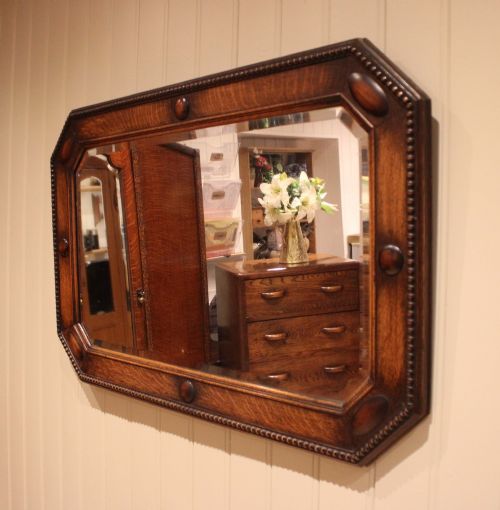
Brown Wooden Wall Art
Brown wooden wall art brings together centuries of carved panels, framed paintings, mirrors, and horology designed to hang directly on interior surfaces.
Brown Wooden Wall Art
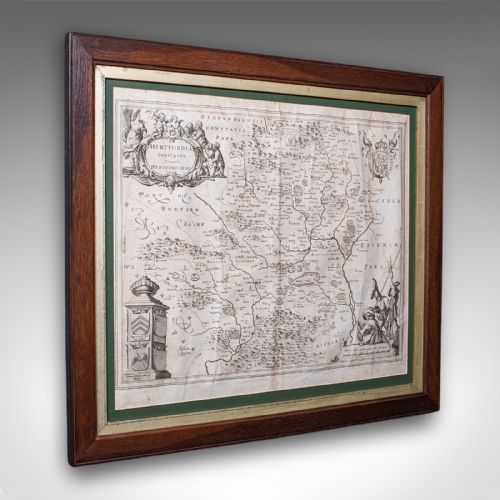
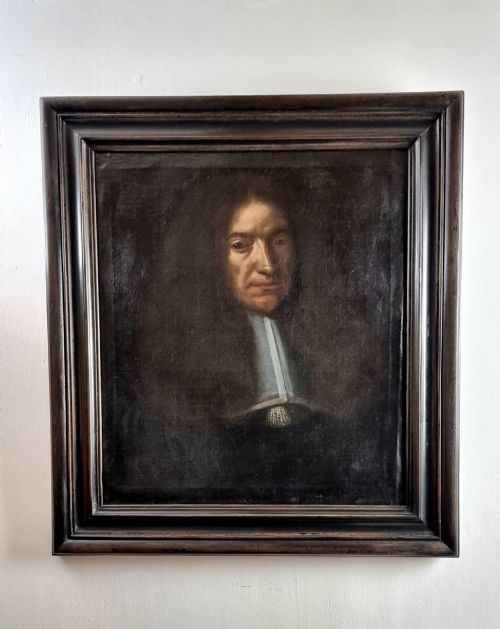
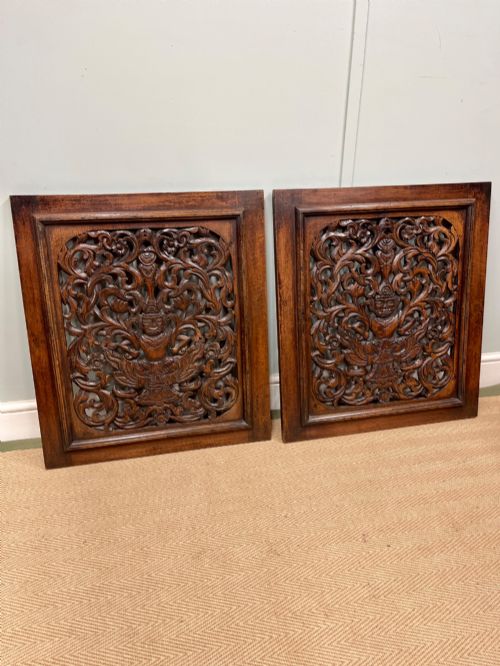
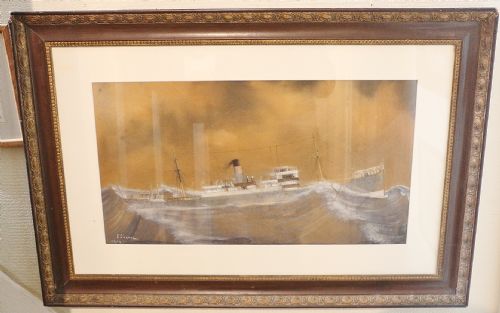
When searching for brown wooden wall art, a buyer encounters a diverse group of hanging objects spanning multiple historical periods and aesthetic movements. These pieces range from seventeenth-century carved chestnut panels and eighteenth-century framed cartography to nineteenth-century oak mirrors, barometers, and oil paintings.
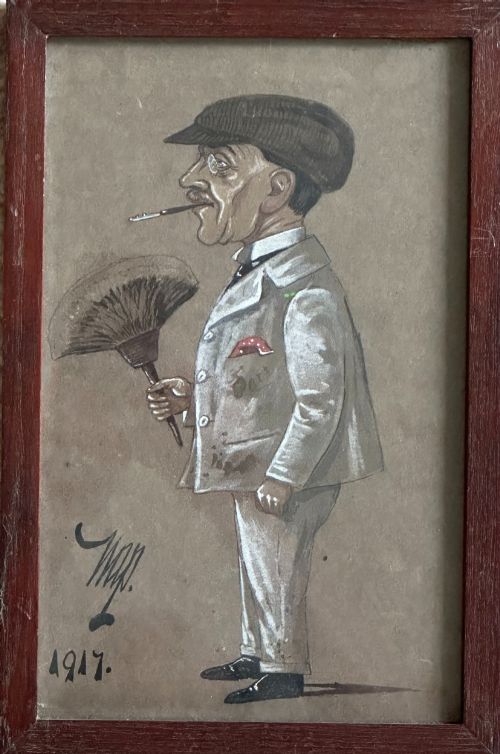
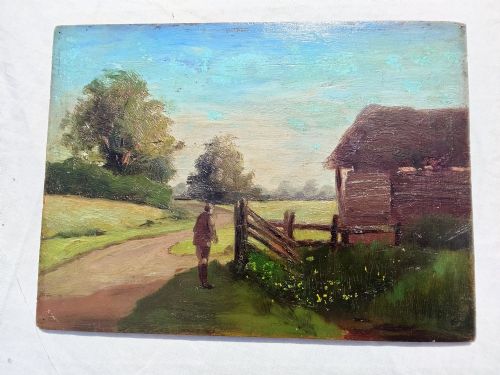
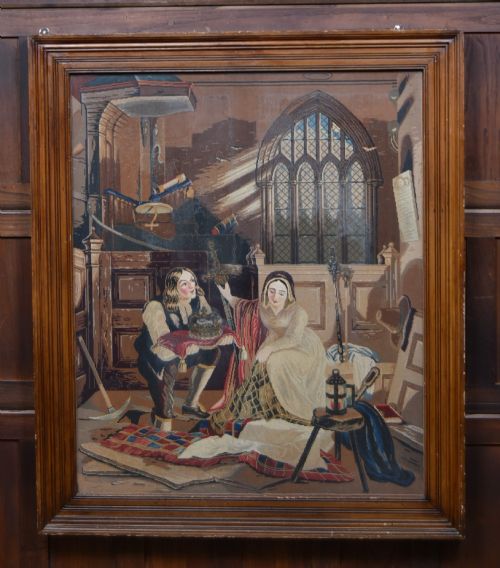
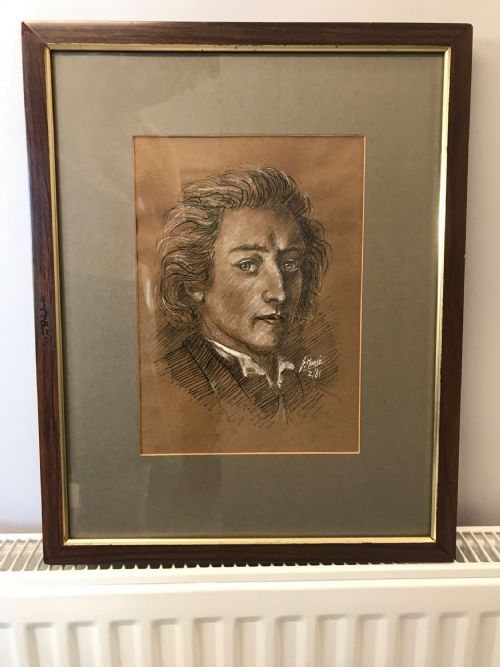
The most common versions met on this page include nineteenth-century oak and walnut frames enclosing watercolours, oils, and prints, alongside carved wooden panels and architectural elements. Many items incorporate practical functions, such as wall clocks, key cabinets, and hanging cupboards, marrying utility with decorative woodwork.
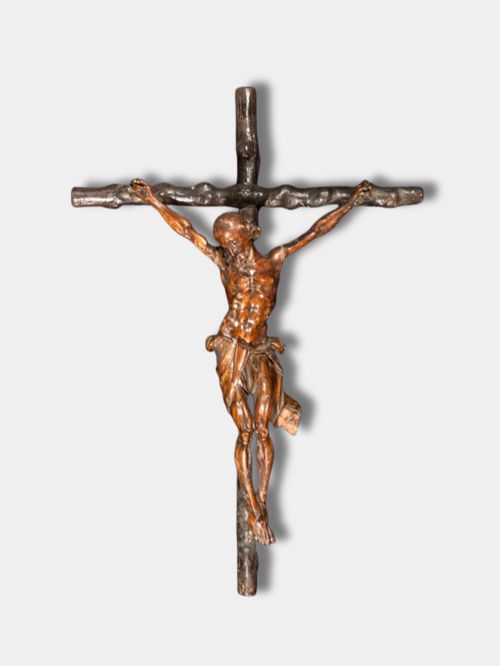
Origins stretch across Britain, continental Europe, and beyond, with specific regional pieces like Moorish relief dioramas, Black Forest carved animal trophies, and Balinese paintings set in timber frames. This variety ensures that brown wooden wall art encompasses everything from simple folk art animal heads to sophisticated marquetry panels.
How they were made
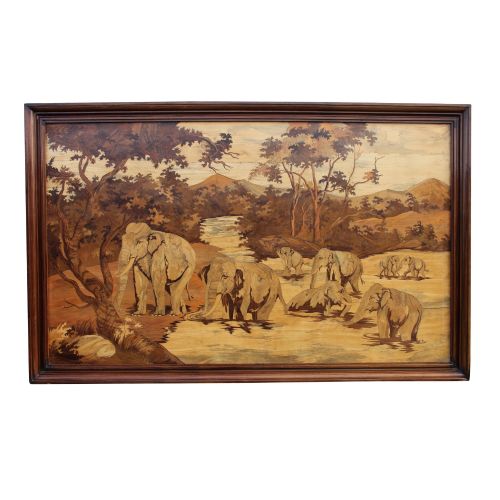
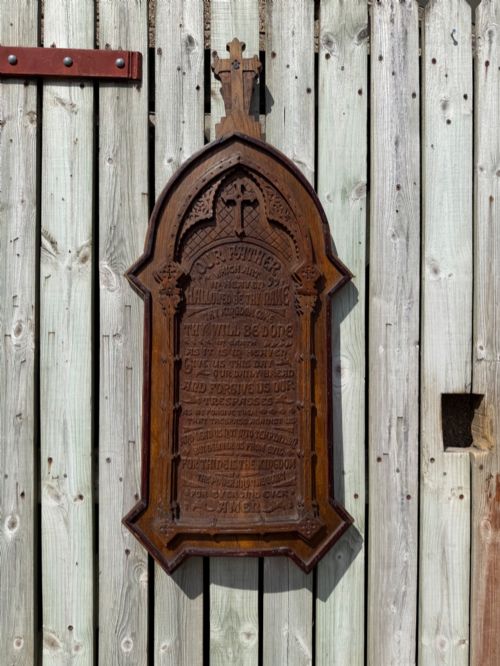
Makers utilised various timber species, predominantly oak, walnut, chestnut, and mahogany, often shaping them through hand-carving, joinery, and turning. Panels and frames frequently display relief work, marquetry, or detailed mouldings that highlight the natural grain of the wood.
Many items combine wood with supporting materials such as brass fittings, copper dials, glass glazing, and canvas or paper for painted elements. Barometers and clocks integrate mechanical brass movements into timber housings, while framed artworks apply watercolours, oils, or lithographs directly onto paper, board, or canvas.
The listings span from the 17th century through the Victorian and Edwardian periods into the Art Deco era, using oak, walnut, mahogany, and brass.
What varies in quality
The standard of carving and joinery dictates much of the distinction between pieces, where crisp depth in relief panels or precise dovetailing in hanging cabinets shows superior handwork. Simpler items rely on basic assembly, whereas fine examples demonstrate careful proportion and integrated design, such as Arts and Crafts or Art Deco styling.
The integrity of the primary materials and any associated artistic elements also set pieces apart, distinguishing between workshop-produced decorative items and master-painted oils or watercolours. Preservation of original surfaces, frames, and patination on the timber further influences the overall standard across the selection.
The Brown Wooden Wall Art Glossary
- Marquetry
- Inlay technique using thin pieces of wood veneer to form decorative patterns or pictorial scenes on a wooden surface.
- Diorama
- A three-dimensional representation of a scene, often architectural or nautical, housed within a framed wooden box.
- Chromolithograph
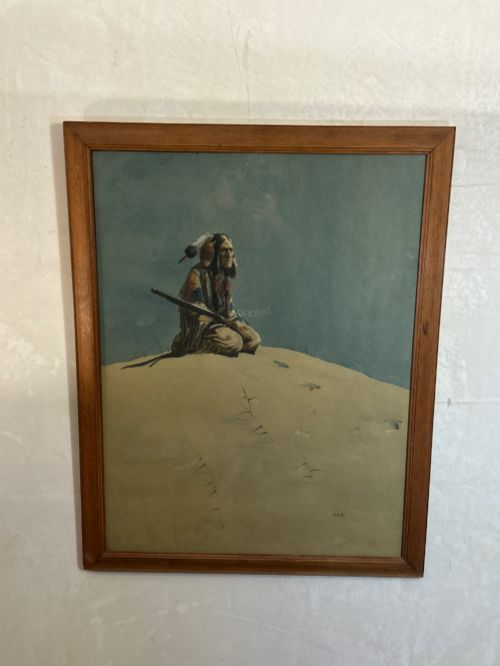
- A multicolour print created using lithographic stones, common for reproducing paintings and illustrations in the nineteenth century.
- Barometer
- An instrument used for measuring atmospheric pressure, frequently mounted in carved wooden cases during the Victorian and Edwardian eras.
Brown Wooden Wall Art: Frequently Asked Questions
What periods do these pieces span?
The selection includes items originating from the seventeenth century through to the mid-twentieth century, capturing diverse historical movements like the Victorian, Edwardian, and Art Deco eras.
Earlier pieces often feature heavy hand-carved chestnut or oak panels, while later twentieth-century examples embrace streamlined walnut clock cases and modernist framing.
How were these wooden items used?
Most pieces served dual purposes of decoration and utility within domestic interiors, hanging on walls to display time, weather, or art. Items like key cabinets and wall cupboards provided concealed storage alongside visual interest.
Mirrors, barometers, and framed paintings brought light, reflection, and colour into hallways, living rooms, and studies.
How do I identify different styles?
Styles emerge through distinct decorative motifs and construction techniques tied to their respective periods. Arts and Crafts pieces show honest construction and organic motifs, whereas Art Deco works favour geometric precision in walnut and oak.
Moorish or Black Forest pieces are instantly recognised by intricate geometric lattice relief or naturalistic animal carvings.
Are clocks and barometers operational?
Many wall clocks and barometers retain their original mechanical movements, ranging from spring-driven striking mechanisms to mercury or aneroid barometer units. Their functionality depends on the individual preservation of the internal brass components and dials.
Buyers should examine specific listings to understand the mechanical state of each timepiece or weather instrument.