


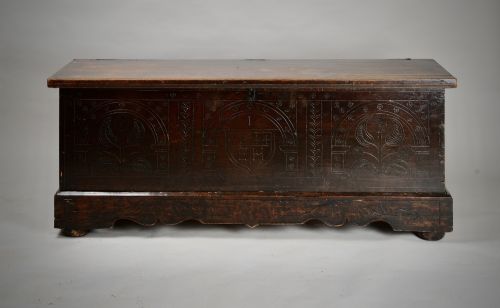
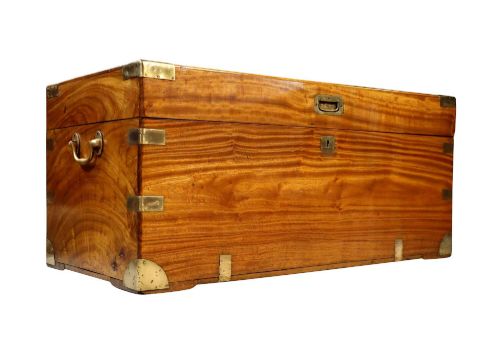
Brown Wooden Storage Trunk
A brown wooden storage trunk provides sturdy, practical utility while grounding a room in centuries of craftsmanship.
Brown Wooden Storage Trunk
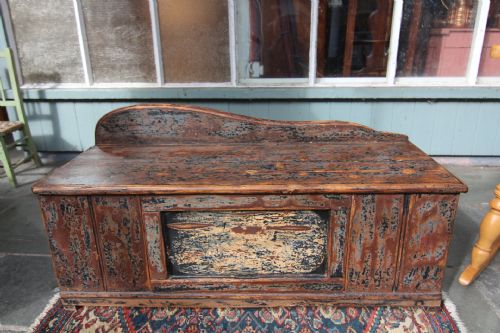
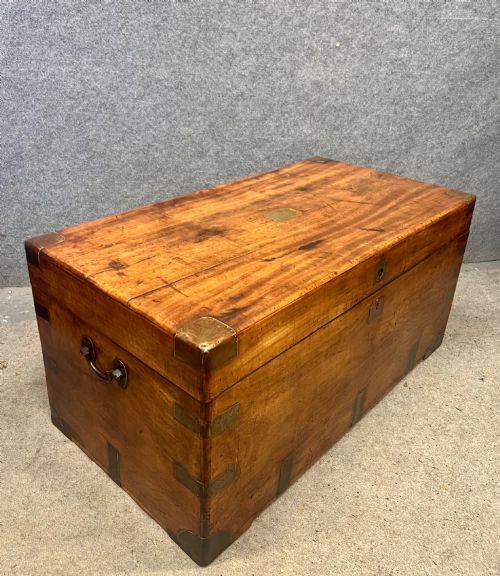
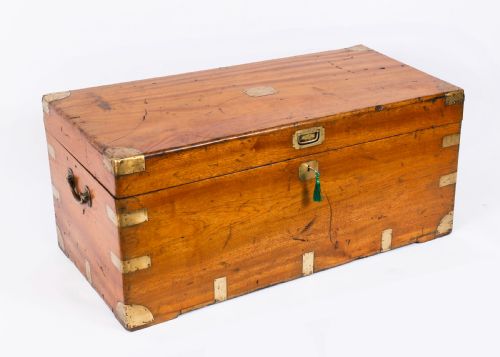
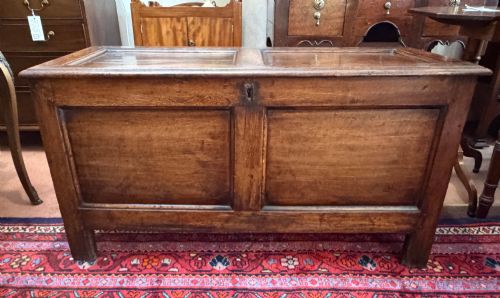
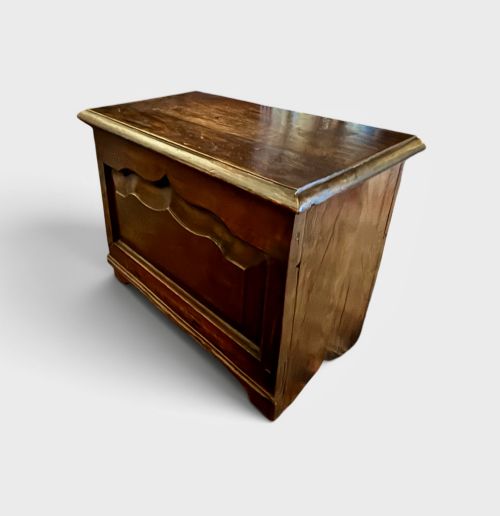
A brown wooden storage trunk serves as a robust container for household goods, drawing on traditions of domestic and travel storage. When exploring this selection, buyers encounter everything from early domestic coffers to military chests built for transport.
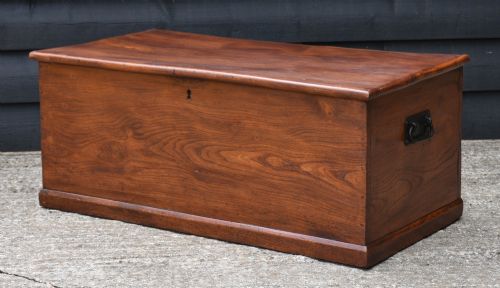
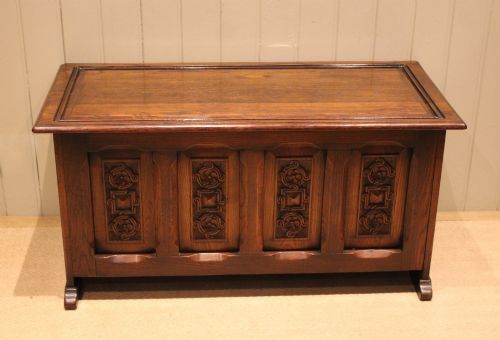
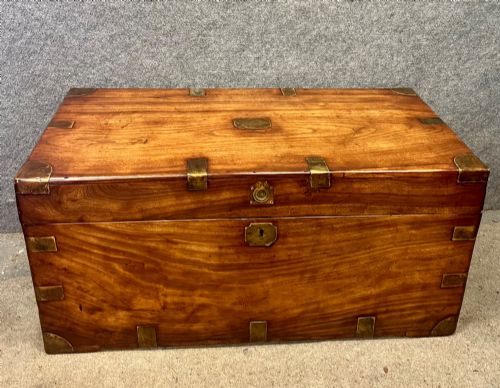
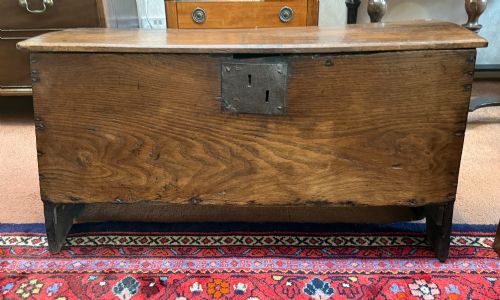
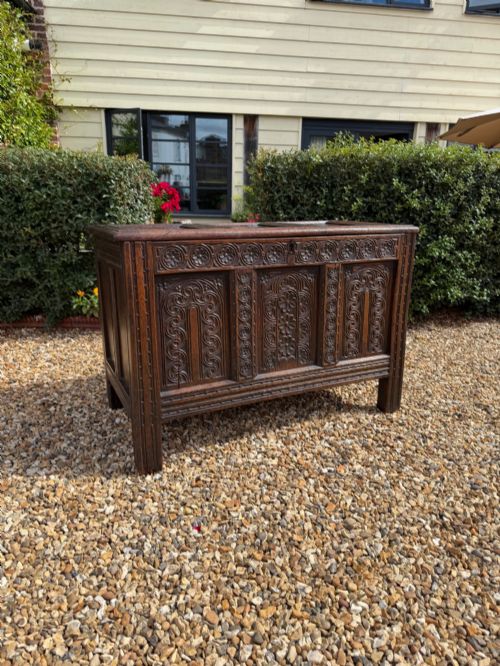
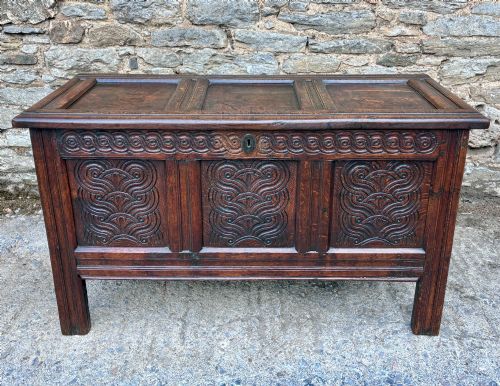
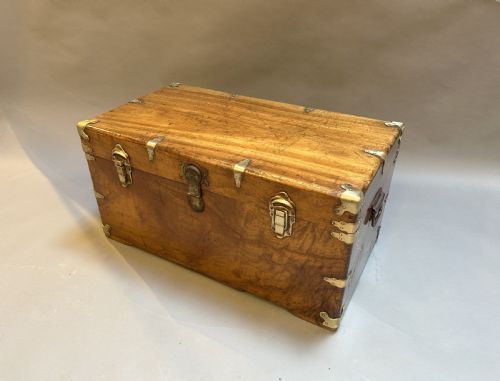
The most common examples on this page are oak coffers and camphor wood campaign trunks originating from the sixteenth century onwards. These pieces range from simple six-plank constructions to panelled boxes with brass or iron bindings.
Materials and Construction Techniques
Carpenters built these vessels using dense hardwoods like oak, mahogany, elm, and teak, often joining boards with panelled construction or simple planks. Camphor wood and cypress appeared frequently in pieces designed for travel or maritime use due to their aromatic and insect-repellent properties.
Metalwork played a critical functional role, with blacksmiths and metalworkers providing iron and brass hinges, strapwork, and bound corners to reinforce the wooden frames against heavy handling.
Some nineteenth-century trunks carry the literal weight of history, having journeyed across the globe with high-ranking military commissioners during campaign service.
Assessing Craftsmanship and Condition
Quality reveals itself in the integrity of the timber joints, the original patination of the wood surface, and the survival of period hardware such as brass bound edges and iron brackets. Superior examples retain their structural honesty without excessive replacement of primary timbers.
The sophistication of decorative carving, from seventeenth-century panels to detailed regional styling, distinguishes standard utility boxes from exceptional collector pieces.
The Brown Wooden Storage Trunk Glossary
- Coffer
- A heavy wooden chest traditionally used for storing valuables or dry goods. These pieces often feature robust panelled lids and sturdy timber construction.
- Campaign trunk
- A portable chest constructed for military officers on the move. They typically incorporate brass bindings, recessed handles, and durable camphor wood or mahogany.
- Six-plank coffer
- A primitive box formed from six broad boards joined at the edges. This method represents one of the earliest forms of joined furniture.
- Patina
- The deep sheen and surface character developed by timber over centuries of handling and exposure. A good patina indicates genuine age and natural wear.
Brown Wooden Storage Trunk: Frequently Asked Questions
What were brown wooden storage trunks used for?
These trunks served multiple domestic and travel functions, primarily storing clothing, blankets, and valuable household documents. Their robust construction protected contents from dust, dampness, and pests.
Campaign versions specifically transported officers' belongings across the British Empire, while domestic coffers kept linens secure in large households.
How do I care for an antique wooden trunk?
Keep the wood away from direct heat sources and dramatic humidity changes to prevent the timber from splitting or warping. Dust regularly with a dry cloth and apply a quality wax sparingly to maintain the finish.
Avoid modern chemical polishes that can degrade the historic surface patination over time.
How can I tell the period of a wooden chest?
Examine the construction methods, tool marks, and joint types visible on the interior and underside of the piece. Hand-cut dovetails, hand-forged iron nails, and pegged joints point toward earlier centuries.
Stylistic motifs like seventeenth-century carved panels or nineteenth-century brass campaign corners further narrow down the date of origin.
Are camphor wood trunks safe for modern storage?
Camphor wood chests remain exceptionally well-suited for modern storage due to the natural oils within the timber that deter moths and insects. They keep stored textiles smelling fresh without the need for chemical mothballs.
Ensure the interior remains clean and dry before placing delicate modern fabrics inside.