



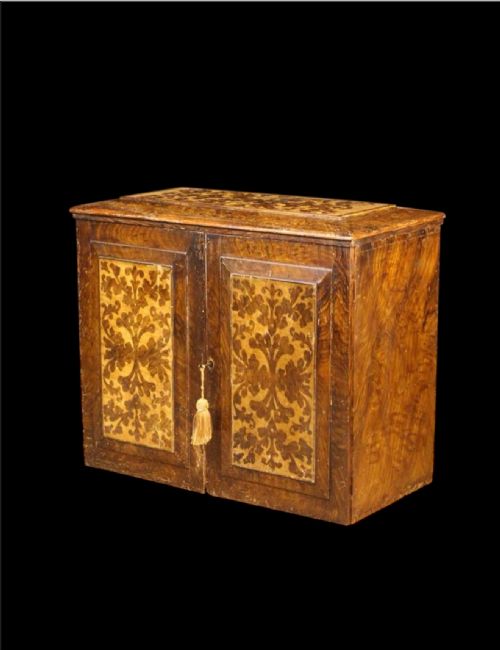
Brown Wooden Specimen Cabinet
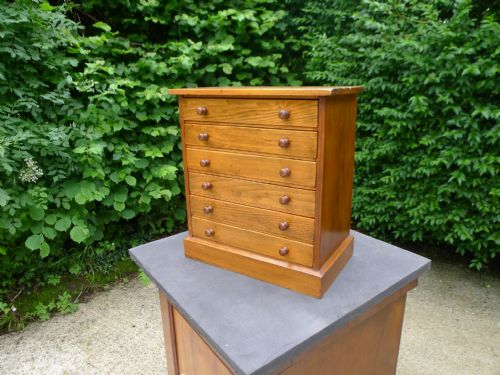
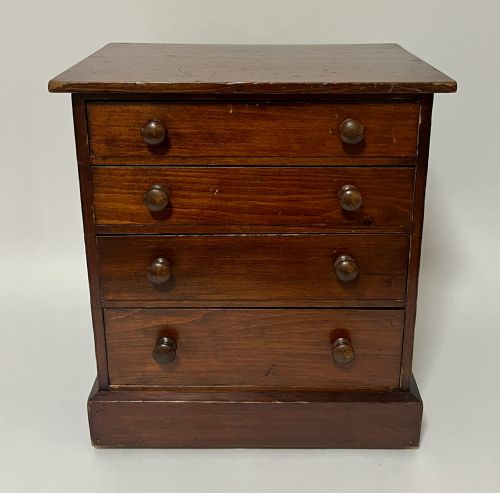
A brown wooden specimen cabinet holds nature's tiny treasures and miniature antiquities in orderly tiers of drawers.
Brown Wooden Specimen Cabinet
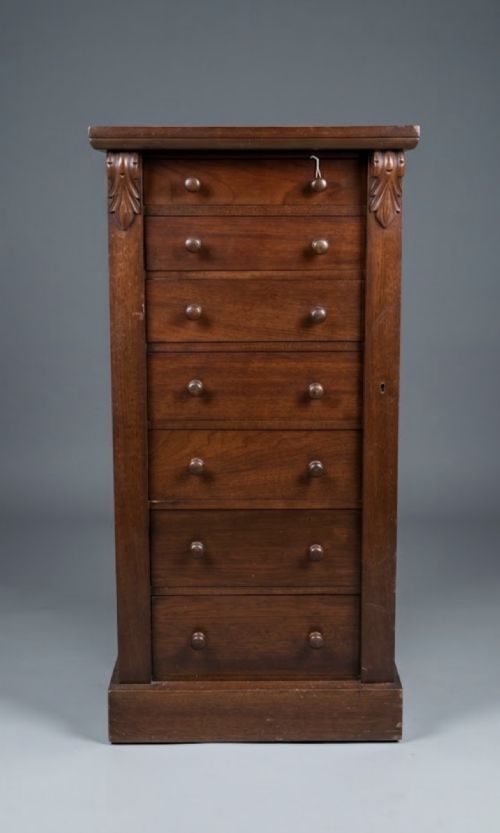
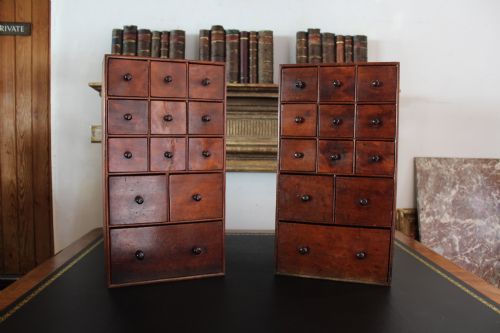
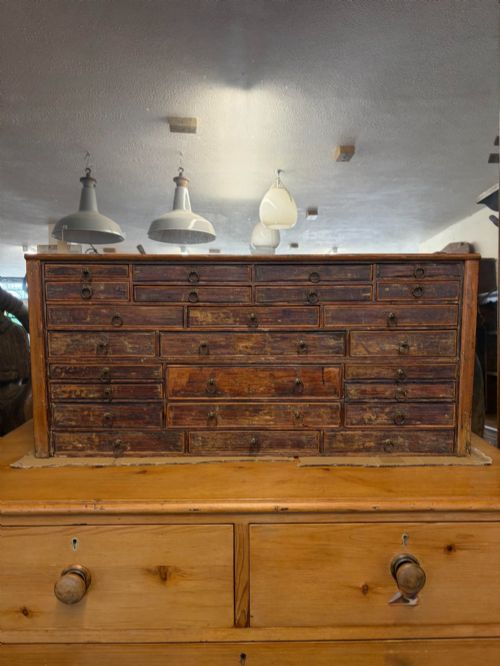
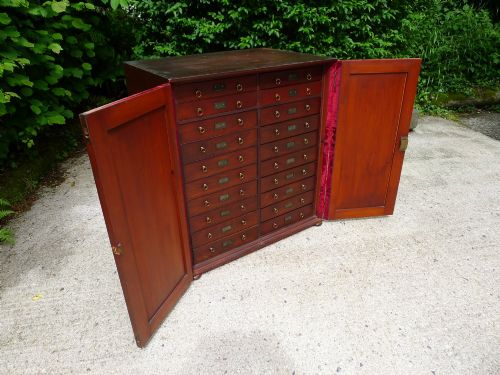
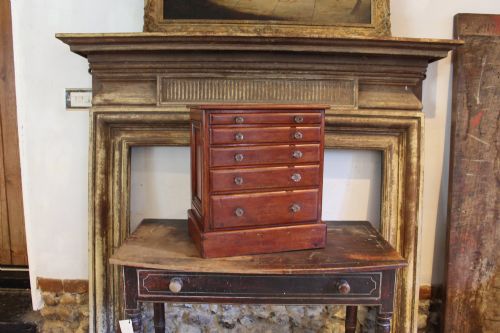
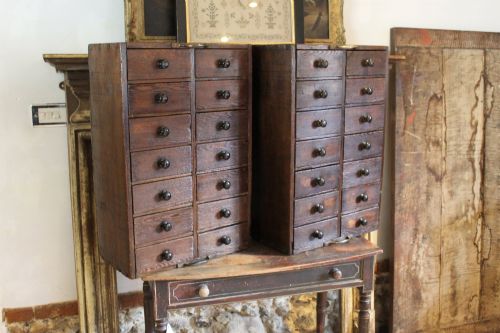
A brown wooden specimen cabinet is primarily designed to store natural history collections, small artefacts, or coins in series. Buyers seeking a brown wooden specimen cabinet encounter multi-drawer formats ranging from compact desktop cases to substantial floor-standing banks. The examples seen here date predominantly from the Georgian, Victorian, and Edwardian eras, spanning the nineteenth and early twentieth centuries.
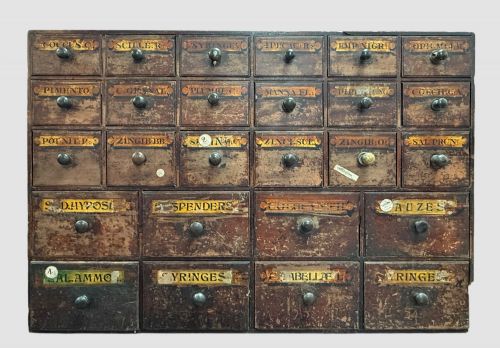
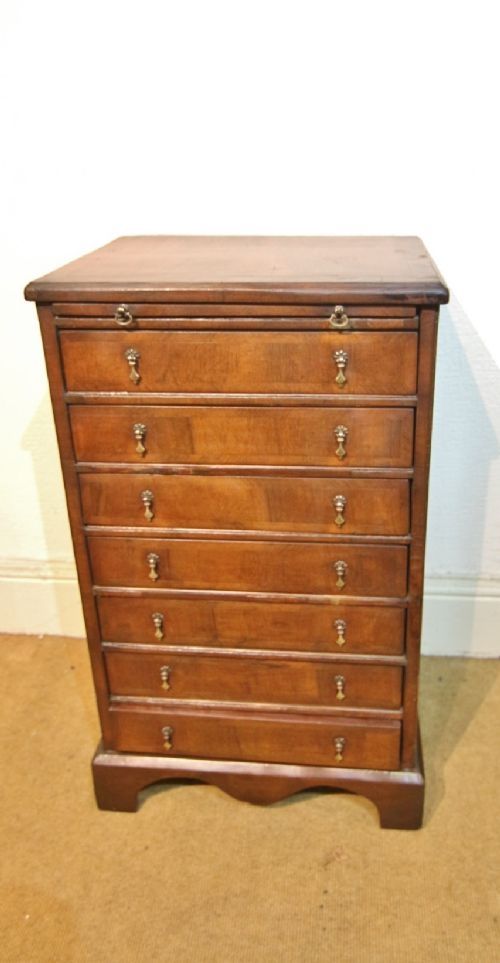
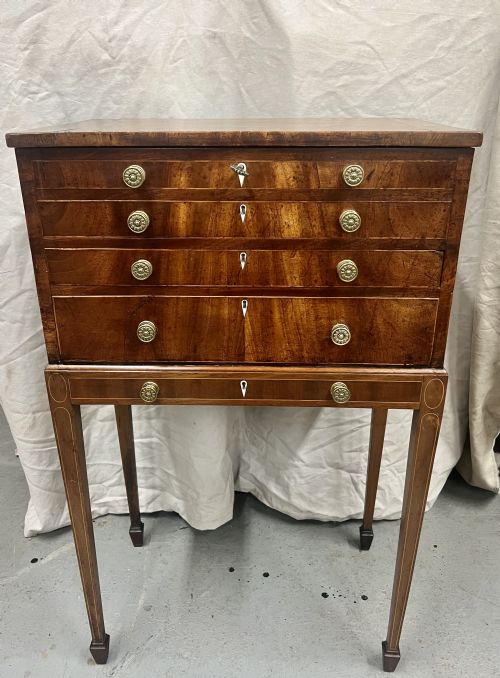
Most pieces take the form of miniature chests of drawers, Wellington chests, or table cabinets equipped with numerous shallow compartments. These storage units served varied practical purposes originally, housing botanical samples, apothecary supplies, watch parts, or microscope slides. The craftsmanship reflects an era when functional storage demanded rigorous joinery and disciplined proportions.
Materials and construction
Makers utilised dense hardwoods such as mahogany, walnut, and oak alongside pine and deal for internal framework. Timber selection balanced structural stability with visual richness, often employing burr veneers on primary display surfaces to create subtle visual depth.
Joinery techniques relied on tight dovetail joints for drawer construction to withstand the weight of dense contents over decades. Brass fittings, including recessed drop handles, card holders, and small locks, provide utilitarian contrast to the polished timber bodies.
Listings feature woods including mahogany, walnut, oak, and pine across Victorian, Georgian, and Edwardian periods.
Assessing quality and proportion
Quality rests in the precision of the drawer fit and the grain selection of the timber. Cabinets built with hand-cut dovetails and flush-fitting multiple drawers demonstrate superior workshop practice compared to simpler utility pieces.
The degree of secondary detailing, such as glass panel doors, panelled sides, and original brass hardware, elevates a piece from basic storage to fine cabinet work. Intact original surface finishes preserve the natural patina accrued through decades of handling.
D Napier and Sons·J Dobson
The Brown Wooden Specimen Cabinet Glossary
- Wellington chest
- A tall, narrow chest of drawers secured by a hinged vertical locking stile on one side. This locking mechanism holds all drawers shut simultaneously with a single key.
- Deal
- A general historical term for timber cut from fir or pine trees. It served as a common secondary wood for drawer linings and internal framing.
- Dovetail
- A joint formed by interlocking wedge-shaped fingers that resist tension. Hand-cut dovetails indicate traditional cabinet making methods before mass production.
- Specimen case
- A shallow box or cabinet fitted with glass or solid doors to display discrete objects. These cases protect fragile contents from dust while allowing direct inspection.
Brown Wooden Specimen Cabinet: Frequently Asked Questions
What were brown wooden specimen cabinets used for?
These cabinets originally stored natural history specimens like insects, botanical samples, and geological fragments. Collectors also utilised them for small artefacts, coins, and medical supplies.
Over time, owners adapted the shallow drawers for organising sewing items, watch repair components, and personal collections. Their compartmentalised layout suited any pursuit requiring tidy categorisation.
How do I date a brown wooden specimen cabinet?
Dating relies on observing construction methods, timber choices, and hardware styles across different eras. Georgian pieces often display hand-cut dovetails and simpler brass pulls, while Victorian examples introduce locking stiles and burr veneers.
Later Edwardian and early twentieth-century versions show machine assistance in joinery and standardised metal fittings. Comparing the drawer sides and secondary woods clarifies the manufacturing period.
How should I care for timber specimen drawers?
Maintain a stable room temperature away from direct sunlight and heat sources to prevent the wood from warping. Excessive dryness causes timber to shrink, while dampness encourages sticking drawers.
Apply a microcrystalline wax occasionally to nourish the polished surface without building up residue. Avoid harsh chemical cleaners that strip the historic finish.