
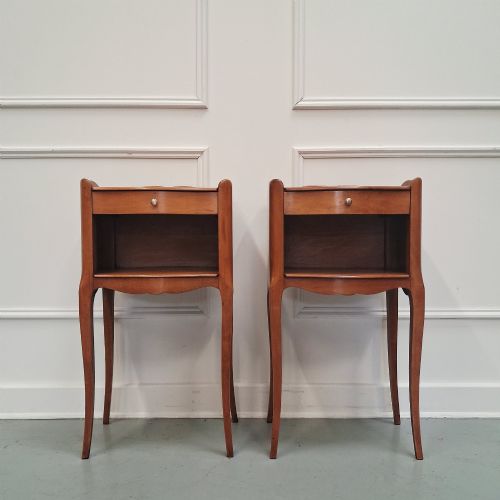
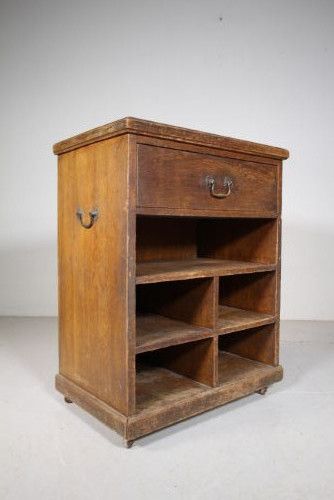
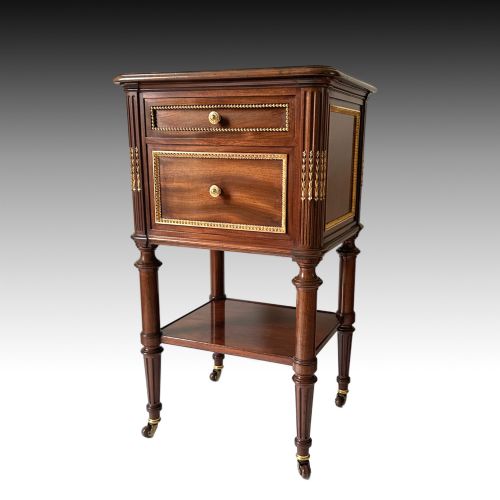
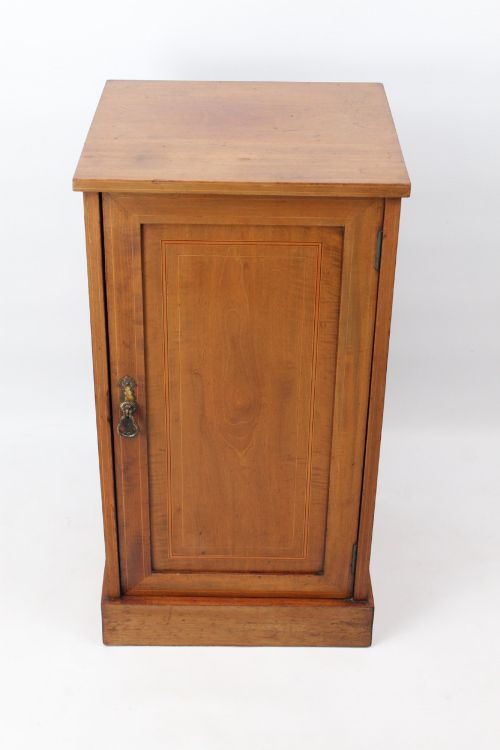
Brown Wooden Side Cabinets
Brown wooden side cabinets bring practical storage and rich character to a room, spanning periods from the eighteenth century to the art deco era.
Brown Wooden Side Cabinets
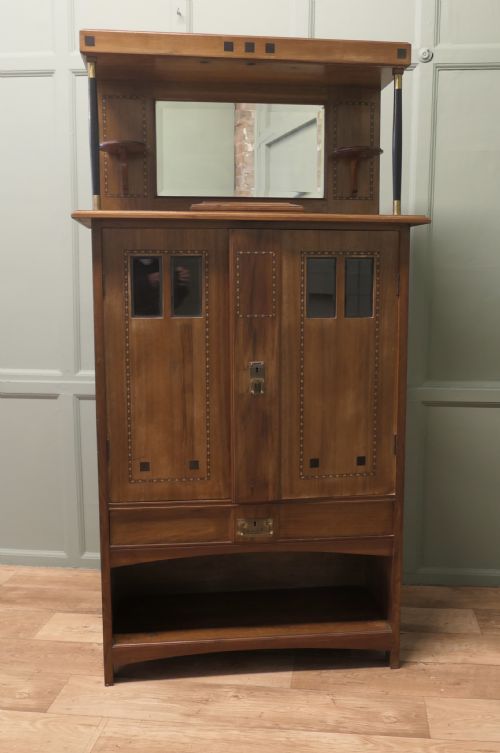
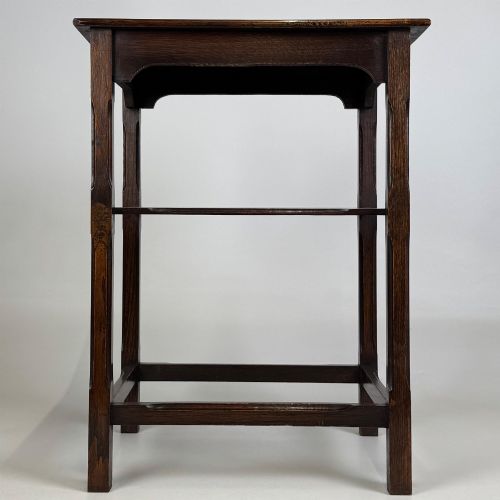
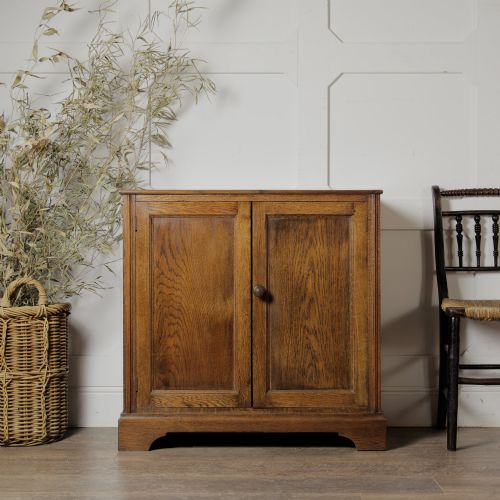
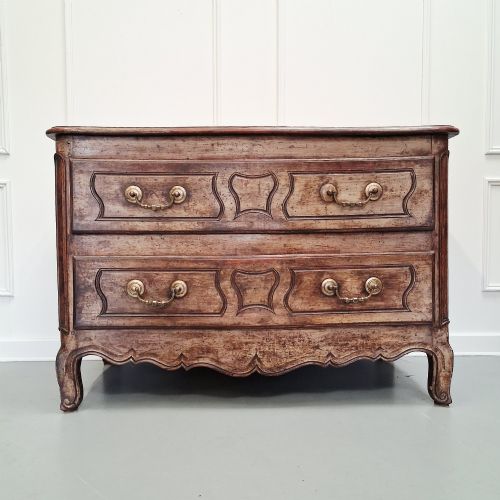
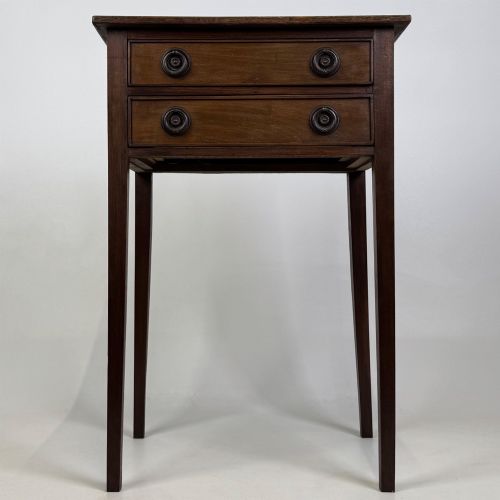
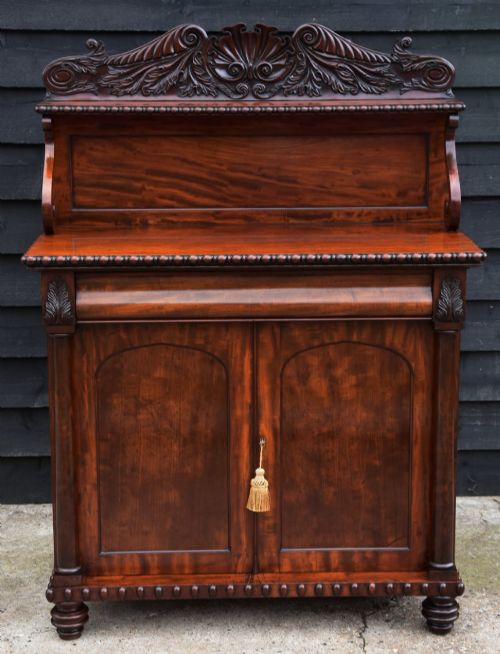
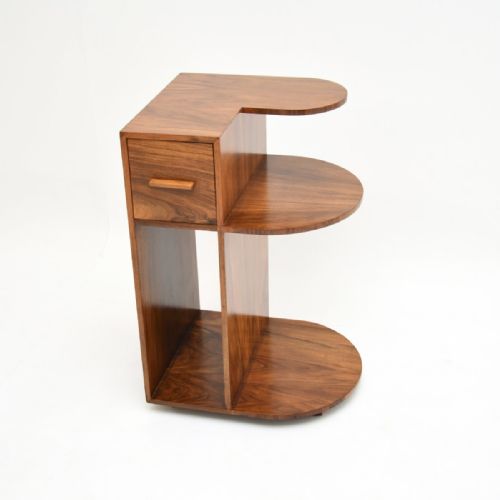
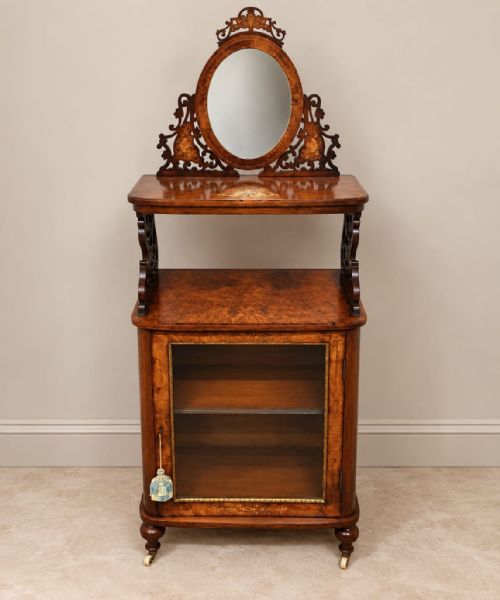
Brown wooden side cabinets encompass a diverse selection of furniture designed for storage and display across domestic spaces. When you search for brown wooden side cabinets, you encounter forms ranging from bedside tables and pot cupboards to larger commodes and cocktail cabinets. The pieces listed here lean heavily towards mahogany, oak, and walnut constructions from the nineteenth and early twentieth centuries.
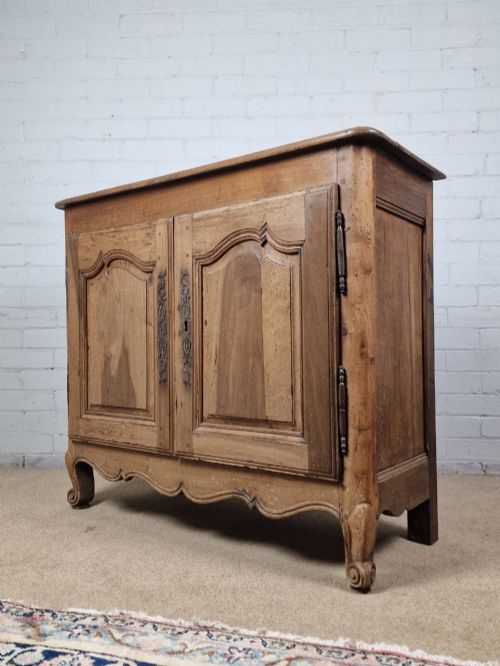
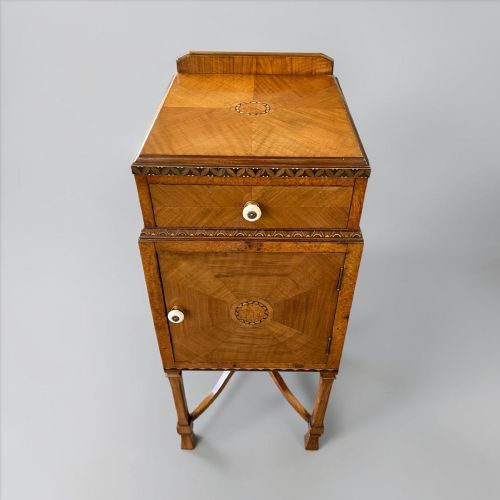
Makers and designers from the Georgian period through to the 1930s shaped these brown wooden side cabinets into functional focal points. You will frequently find Edwardian inlaid mahogany examples alongside earlier Victorian walnut pieces and solid oak cupboards from the 1920s. French regional variants also appear, offering alternative proportions and decorative veneers.
Materials and construction
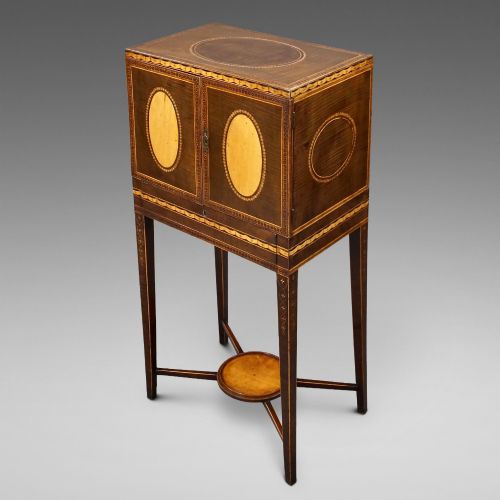
Cabinet makers relied primarily on solid timbers and decorative veneers such as mahogany, oak, walnut, burr walnut, and satinwood to build these brown wooden side cabinets. Workshops combined these woods with brass hardware, ormolu mounts, and intricate marquetry or crossbanding to enrich the exterior surfaces. Construction methods prioritized stability, utilising traditional joinery for doors, drawers, and turned or tapered legs.
Surfaces received polish, wax, or varnish to protect the grain and highlight the natural tones of the timber. Artisans incorporated specialist elements like linenfold carving on oak panels, side handles, and tiered shelving inside cupboards and filing drawers.
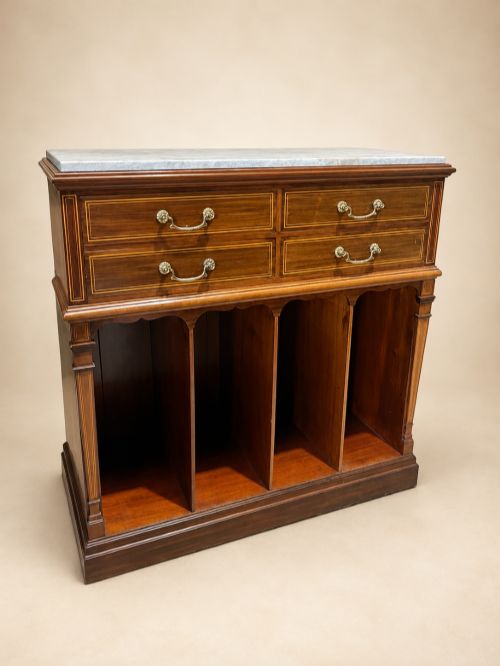
The selection includes forms such as bedside tables, pot cupboards, commodes, cocktail cabinets, and filing drawers.
Assessing quality and craftsmanship
Quality in brown wooden side cabinets rests upon the selection of timber and the precision of the cabinet work. Superior pieces display carefully matched burr walnut or figured mahogany veneers, alongside crisp inlay work and solid secondary timbers. Lesser examples often rely on simpler construction and more utilitarian finishes without decorative banding or refined brass mounts.
The integrity of the structural joinery and the original patination dictate the standing of a piece within its period. Refined proportions, balanced hardware, and intact original mounts separate standard utilitarian cupboards from distinguished examples created by notable firms.
Whytock and Reid·Gomme
The Brown Wooden Side Cabinets Glossary
- Commode
- A low cabinet or chest of drawers, often French in origin, designed with a decorative top surface and substantial storage capacity.
- Crossbanding
- A strip of veneer applied perpendicularly to the grain of the main surface around the borders of a tabletop or drawer front.
- Marquetry
- Decorative patterns formed by fitting small pieces of veneered wood into a prepared wooden background.
- Pot cupboard
- A small bedside cabinet originally constructed to house a chamber pot, typically featuring a single door and enclosed shelf.
- Ormolu
- Gilt-bronze mounts and decorative ornaments applied to the exterior of wooden furniture, common in French cabinet making.
- Linenfold
- A style of wood carving that imitates folded linen, frequently seen on oak panels of the early twentieth century.
Brown Wooden Side Cabinets: Frequently Asked Questions
What rooms suit a side cabinet?
These cabinets suit bedrooms, living spaces, and hallways where surface space and discreet storage are required. Their compact footprints allow them to fit easily beside seating or beds.
Larger versions function effectively as cocktail cabinets or lamp tables, holding lighting and everyday items while adding period character to an interior.
How do I date a wooden cabinet?
Dating relies on identifying the primary wood, construction techniques, and decorative styles characteristic of specific eras. Georgian pieces often display clean classical lines and mahogany solids, while Edwardian examples frequently feature delicate satinwood crossbanding.
Twentieth-century pieces incorporate modernist influences, simpler hardware, and different veneering methods that distinguish them from nineteenth-century Victorian or Regency items.
Are bedside tables different from side cabinets?
Bedside tables and bedside cabinets are generally smaller in scale, specifically designed to sit beside a bed for night-time storage. Side cabinets cover a broader category that includes larger cupboards, commodes, and display units.
Many listings use these terms interchangeably depending on the height and internal shelving of the individual piece.
How should I care for antique wood?
Antique wood benefits from gentle dusting with a soft, dry cloth and occasional application of appropriate wax to maintain the finish. Avoiding direct sunlight and sudden temperature changes protects the timber and delicate veneers from splitting.
Keeping the environment stable preserves the original patination and structural integrity of the cabinet over time.