
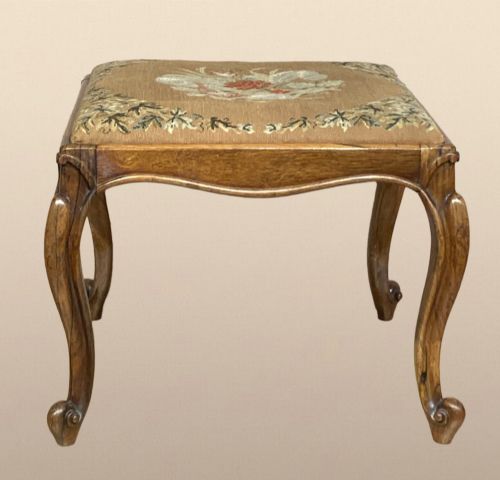


Brown Wooden Piano Seat
A brown wooden piano seat is a sturdy domestic perch designed for the keyboard, combining timber frames with upholstered tops.
Brown Wooden Piano Seat
When searching for a brown wooden piano seat, a buyer encounters a variety of sturdy timber stools and benches from the nineteenth and early twentieth centuries. These domestic pieces served musicians at the keyboard and provided extra seating in period rooms.
Many examples incorporate adjustable heights or swivel mechanisms, while others feature carved details, cabriole legs or upholstered wool and fabric tops.
How they were made
Cabinetmakers constructed these seats using solid hardwoods such as mahogany, oak, rosewood and various turned or carved hardwoods. Timber frames often incorporated iron and metal components for mechanical height adjustment.
Upholstered surfaces utilised traditional textile coverings including wool and assorted woven fabrics. Surfaces featured decorative elements such as boxwood inlay, carving and cabriole leg shaping.
Some nineteenth-century country musicians clearly appreciated a brisk spin, as swivel mechanisms snuck into workshop designs.
What varies in quality
Quality differences emerge in the selection of cabinet timber and the execution of carved or inlaid decoration. Pieces fashioned from dense rosewood or finely figured mahogany reflect higher ambition than simple utilitarian hardwood versions.
The sophistication of the mechanical adjustment mechanism also distinguishes better examples from standard fixed stools. Integrated storage, duet proportions and refined upholstery finishing elevate particular pieces above basic workshop output.
The Brown Wooden Piano Seat Glossary
- Cabriole leg
- A furniture leg that curves out and then in, resembling an animal's leg. This graceful form appears frequently on Victorian seating.
- Duet stool
- An elongated bench designed for two players to sit side by side at a keyboard. These wider seats offer greater proportions than standard single piano stools.
- Inlay
- A decorative technique where contrasting materials are inserted into the timber surface. Edwardian examples often display fine linear patterns.
- Swivel stool
- A rotating seat mounted on a central pivot mechanism. Country versions allow the sitter to turn freely during performance.
Brown Wooden Piano Seat: Frequently Asked Questions
How do I use a piano seat today?
These wooden seats function well as dressing table chairs, hallway perches or low occasional seating in living spaces.
Their adjustable heights and compact proportions make them practical additions to modern rooms.
What is the difference between single and duet stools?
Single piano stools provide a compact perch for one musician, while duet stools feature longer benches built for two players.
Both forms utilise timber frames and upholstered tops but vary significantly in length.
How do I identify Victorian examples?
Victorian pieces often display darker timbers like rosewood or carved oak, alongside traditional cabriole legs.
They reflect nineteenth-century craftsmanship through solid construction and period detailing.
Can I adjust the height of these seats?
Certain nineteenth-century and Edwardian models incorporate mechanical adjustment or swivel actions to alter the seating level.
Inspect the under-framing to see whether the timber top rises via a central screw or metal mechanism.