




Brown Wooden Mould
A brown wooden mould is a functional historic carved block or press, collected for its tactile folk art presence.
Brown Wooden Mould
A brown wooden mould encompasses functional carved objects such as gingerbread moulds, butter prints, biscuit cutters, press devices and hat blocks, spanning the seventeenth century through to the early twentieth century. These items were originally worked in kitchens, dairies and workshops before transitioning into decorative and collectible folk art pieces.
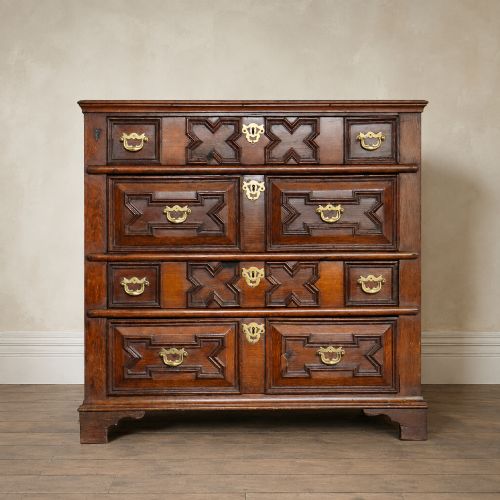
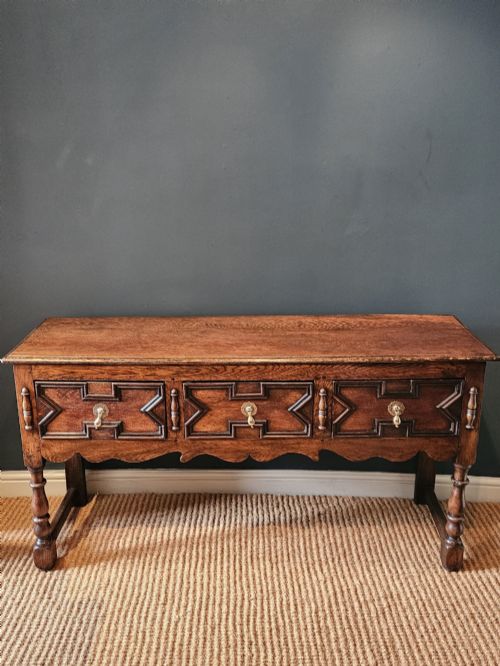
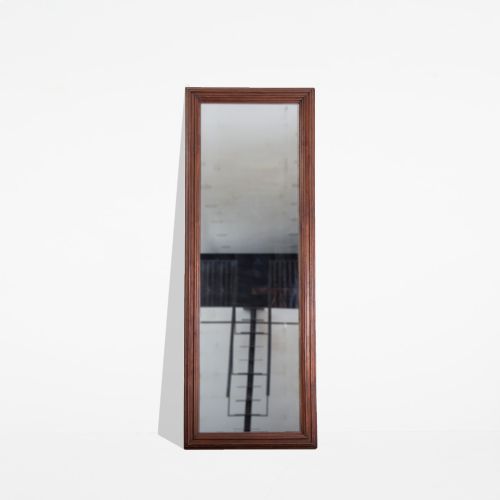
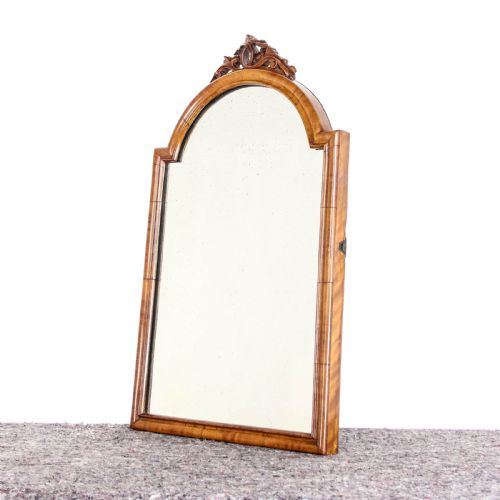
The selections on this page concentrate on timber forms fashioned from oak, walnut, sycamore and boxwood, alongside related items like geometric moulded chests of drawers, dressers and mirrors that share the same period vocabulary. Buyers encounter utilitarian items imbued with hand-carved details and utilitarian patination.
Materials and technique
Makers utilised dense hardwoods such as oak, walnut, beech, sycamore and boxwood to carve crisp recesses and relief patterns that could withstand repeated pressure in kitchens or trade workshops. These timbers accepted deep hand-carving and tool work without splintering.
Surfaces finished through manual cutting, gouging and turning, developing a natural polished patina from handling and use over centuries rather than applied modern lacquers.
An enormous nineteenth-century carved gingerbread mould depicts a man proudly riding a horse.
What varies in quality
Quality rests upon the crispness of the hand-carved relief and the integrity of the timber, where deeper, more expressive cutting distinguishes superior artisan work from utilitarian production. The depth of the carving and the clarity of the depicted subject dictate desirability.
Surface preservation matters, with pieces retaining an honest, untouched tactile warmth and dry historic finish standing apart from those stripped or over-cleaned by later hands.
The Brown Wooden Mould Glossary
- Folk art
- Utilitarian items made by self-taught or local artisans outside formal academic traditions. These objects prioritise practical function paired with expressive domestic ornamentation.
- Treen
- Small handmade wooden domestic objects such as butter prints, cutters and bowls. This category spans items shaped for everyday use in the historic household.
- Mould
- A hollowed or carved block used to shape food, textiles or materials like butter and pastry. Intricate recessed carving allowed the design to transfer clearly.
- Geometric moulded
- Decoration characterised by applied projecting mouldings arranged in geometric patterns across furniture fronts. This style is frequently found on seventeenth-century and early eighteenth-century oak pieces.
Brown Wooden Mould: Frequently Asked Questions
What were brown wooden moulds used for?
These items served practical roles in domestic and trade work, including stamping butter, pressing gingerbread shapes, shaping millinery blocks for hats and cutting biscuits or pastry.
They were working tools designed to impart distinct patterns onto food or materials before retiring into domestic display.
How do I date an antique wooden mould?
Dating relies upon examining the tool marks left by the carver, the choice of hardwood species, and the natural wear patterns accumulated through active use.
Comparing the style of the carved imagery, such as folk art figures or Georgian motifs, against documented examples helps narrow the period of origin.
Are wooden moulds safe to use for baking?
Most historic pieces are collected as decorative folk art and display items rather than functional kitchenware due to age and dried timber.
Using antique carved blocks for food preparation can risk damaging the aged wood and delicate relief carvings accumulated over centuries.
How should I display a wooden mould at home?
These pieces suit mounting on walls, resting on shelves or standing on surfaces where their carved relief and tactile timber patination remain visible.
Keep them away from direct heat sources and sudden humidity changes to protect the historic wood from splitting.