
Brown Wooden Furniture
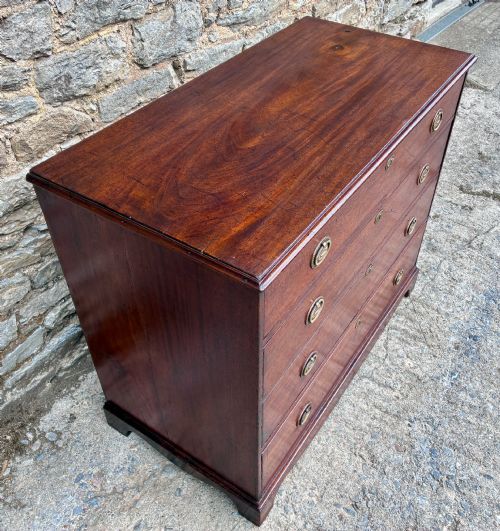
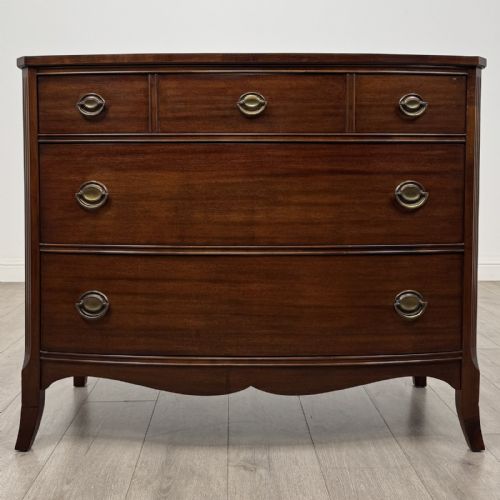
Brown wooden furniture brings together centuries of timber craftsmanship, from solid oak dressers to mahogany chests of drawers.
Brown Wooden Furniture
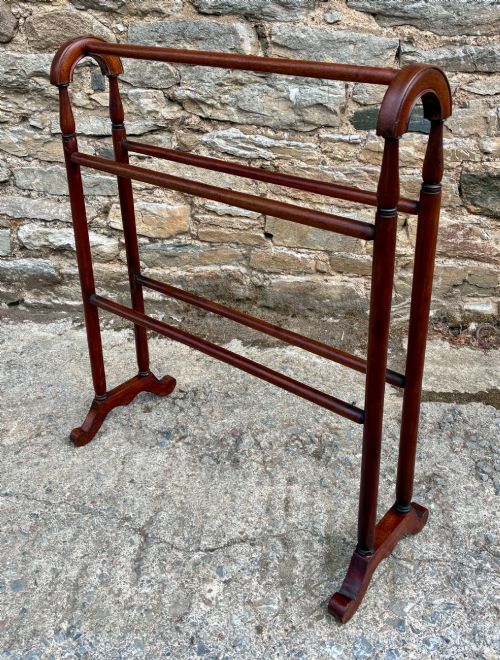
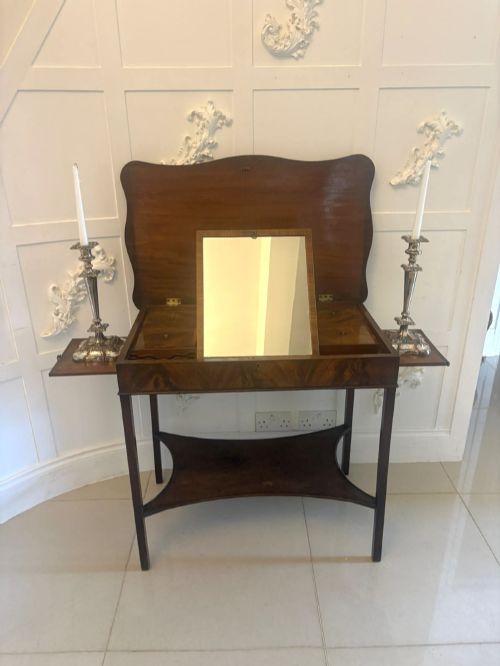
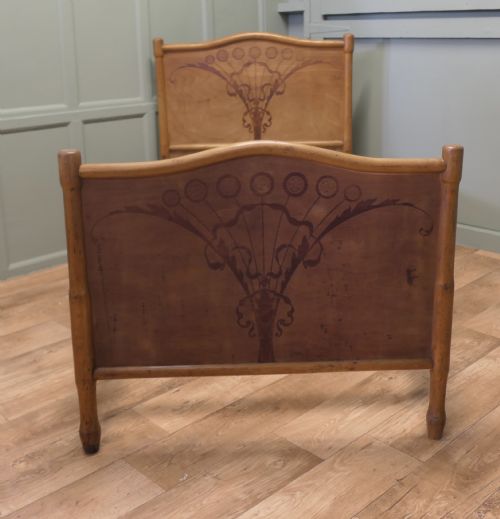
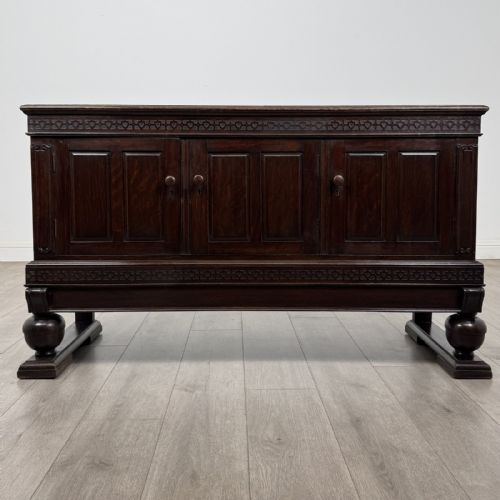
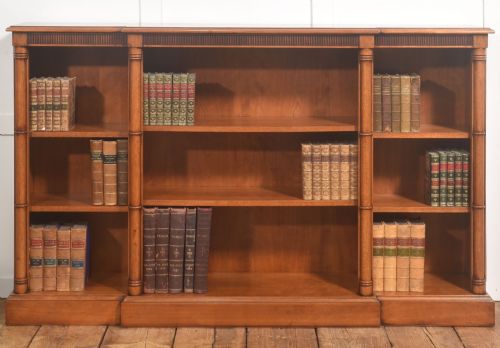
Brown wooden furniture covers a wide span of historic eras, including Georgian, Victorian and Edwardian periods, alongside earlier 17th-century pieces. When buyers search for brown wooden furniture, they encounter practical domestic forms such as chests of drawers, dining chairs, bookcases, armchairs and benches.
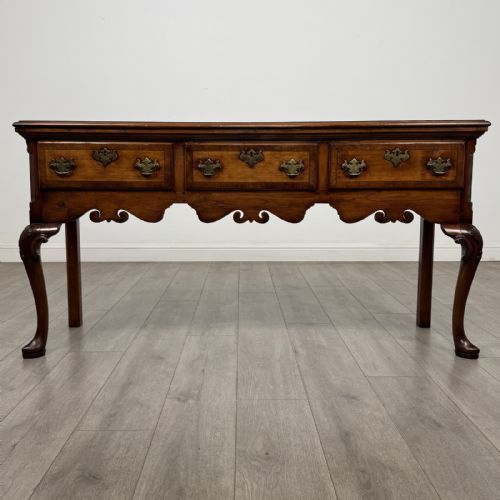
The material palette draws heavily on traditional timbers like mahogany, oak and walnut, occasionally accented with flame mahogany veneer or ash. These pieces range from formal Georgian serpentine chests to rustic 18th-century country elm furniture and Arts and Crafts oak designs.
Materials and construction methods
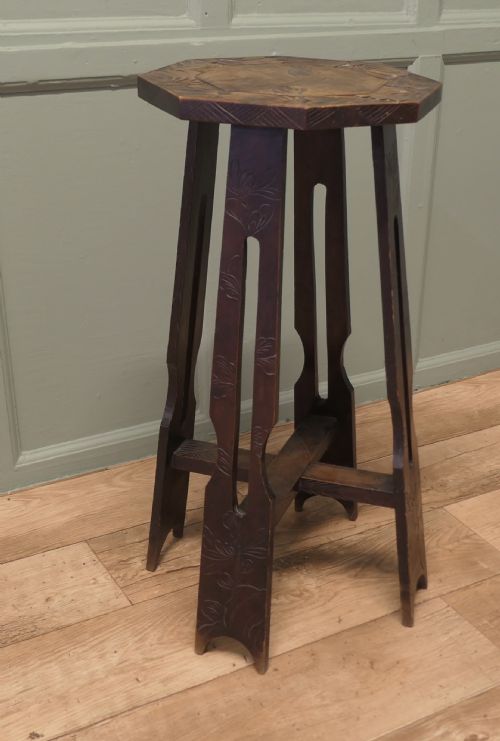
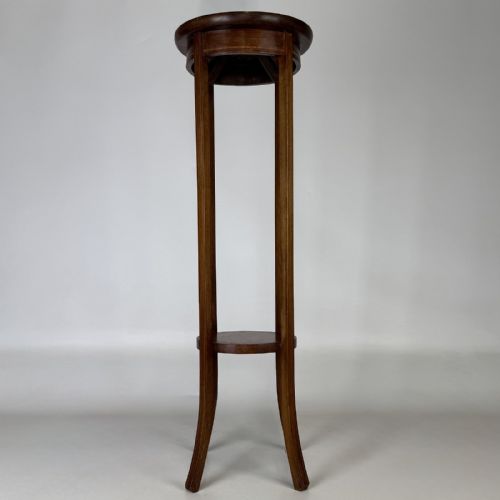
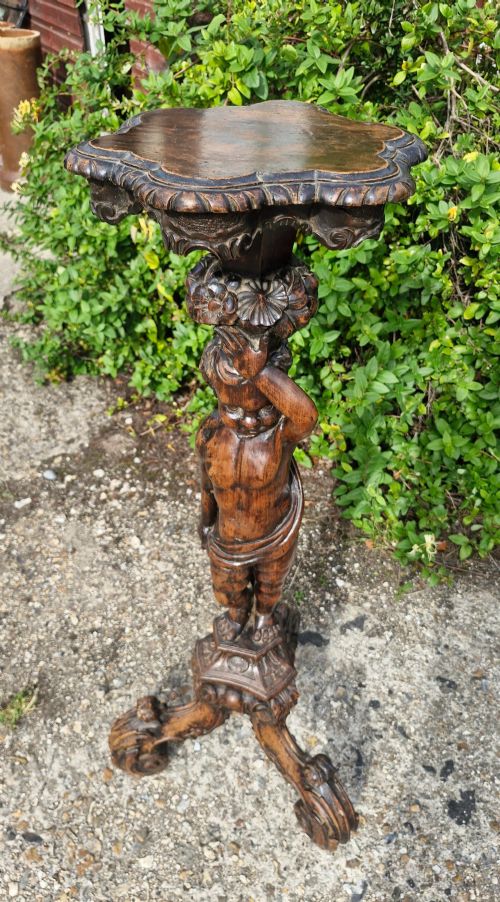
Cabinet makers relied on solid hardwoods like oak, walnut and mahogany, shaping them into robust structural forms and decorative surfaces. Timber selection governed the lifespan of each item, whether built as a heavy hall bench or a delicate plant stand.
Joinery techniques involved precise hand-cut joints, turned legs and carved panels, often enhanced with brass handles or mother-of-pearl inlay. Surface finishing brought out the natural grain of the wood without masking its foundational character.
A musical Black Forest bear seat waits patiently to play a tune.
Distinctions in build and design
Quality rests in the precision of the timber selection and the integrity of the joinery, distinguishing finely figured mahogany veneers from standard utilitarian boards. Finer examples display harmonious proportions, crisp carved details and original hardware.
Provenance and stylistic purity elevate certain items, such as documented regional styles or period-specific decorative flourishes like parquetry and brass cup handles.
Jason and Joseph Kohn·Hepplewhite
The Brown Wooden Furniture Glossary
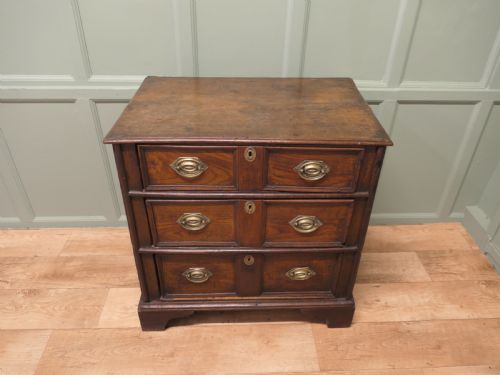
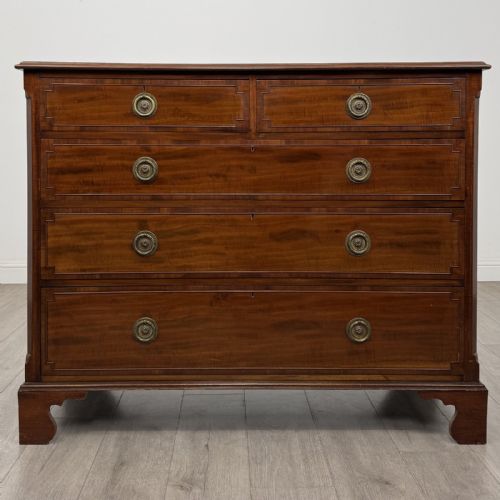
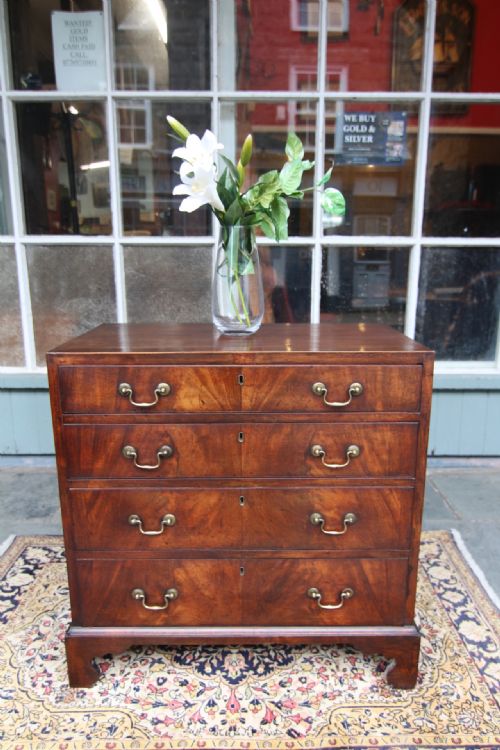
- Chests of Drawers
- Storage units featuring multiple stacked drawers, frequently arranged as two small drawers over three larger ones in Georgian and Victorian examples.
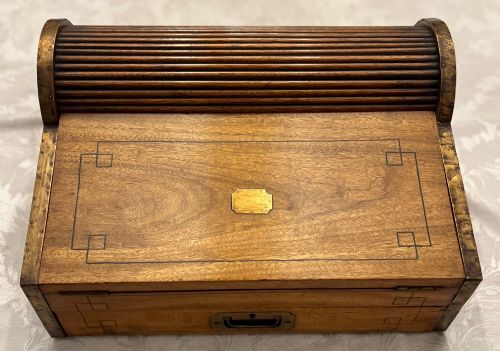
- Campaign Writing Box
- Portable folding desk fitted with brass corners and handles, designed for travel during the 19th century.
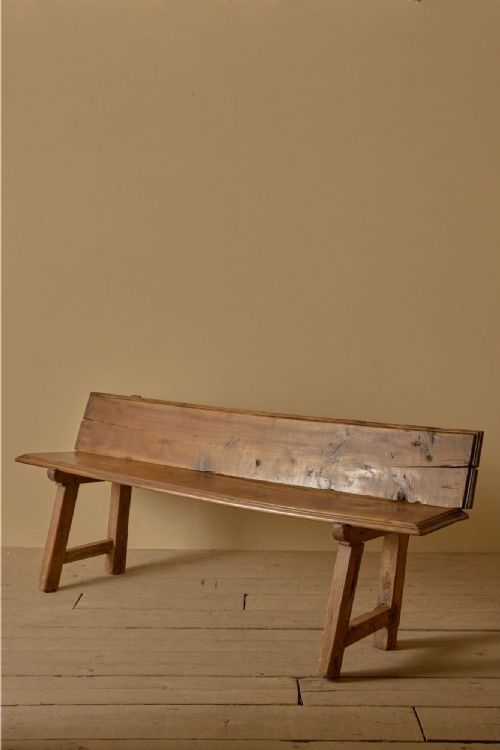
- Settle
- A wooden bench featuring a high back to block draughts, often incorporating a storage compartment beneath the seat.
- Parquetry
- Geometric wood inlay work forming decorative patterns across surfaces such as bureau falls and tabletops.
- Bow Front
- A convex curved cabinet front that projects outward centrally, common in late Georgian mahogany case pieces.
Brown Wooden Furniture: Frequently Asked Questions
How do I care for antique brown wood?
Keep wooden pieces away from direct sunlight and sudden temperature shifts to prevent timber from splitting or warping over time. Apply natural wax sparingly to maintain the polish and protect the grain.
Avoid using modern chemical sprays or silicone polishes, which can build up and damage historic finishes. Gentle dusting with a dry cloth remains the safest daily maintenance.
What is an apprentice piece?
Apprentice pieces are small-scale models created by trainees to demonstrate their woodworking mastery before joining a guild. These miniature chests of drawers replicate full-sized furniture with exact proportions and joinery.
Collectors prize them for their high level of detail and space-saving dimensions. They offer a tangible record of historical training standards.
How can I tell Georgian from Victorian pieces?
Georgian furniture, produced during the 18th and early 19th centuries, generally emphasises clean classical proportions, understated bracket feet and rich mahogany or oak surfaces. Victorian pieces often display heavier carvings, darker walnut tones, applied ornamentation and industrial innovations like brass cup handles.
Examining the internal drawer construction and secondary timbers helps clarify the manufacturing era. Hand-cut dovetails indicate earlier work, while machine assistance points toward the later 19th century.
Where were these pieces used originally?
Large oak benches and hall stands sat in entrance halls for outerwear, while dining chairs and extending tables anchored formal reception rooms. Smaller items like nightstands and washstands functioned primarily within bedrooms.
Campaign boxes travelled across distant territories with military officers and administrators. Chests of drawers provided essential storage in domestic chambers across every social stratum.