
Brown Wooden Folk Art
These brown wooden folk art pieces are hand-carved domestic and decorative items created across the nineteenth and early twentieth centuries by makers working outside formal academic traditions.
Brown Wooden Folk Art
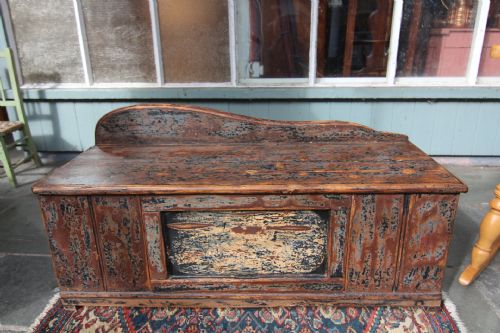
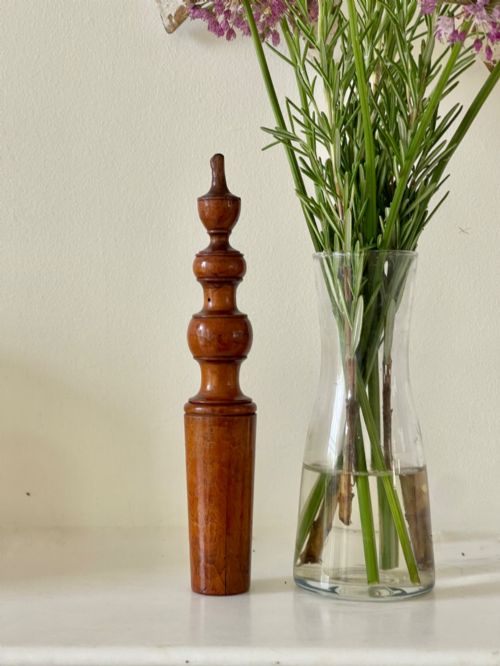
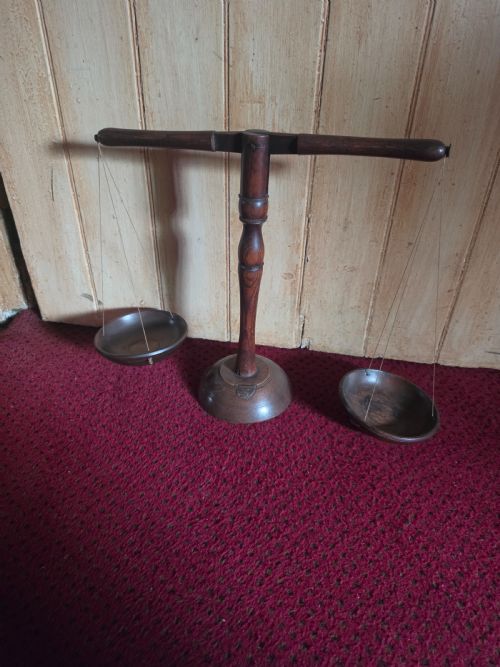
Brown wooden folk art encompasses a wide variety of utilitarian and decorative objects made largely during the nineteenth and early twentieth centuries. When searching for brown wooden folk art, buyers encounter items ranging from carved snuff boxes and animal sculptures to small items of treen and country furniture.
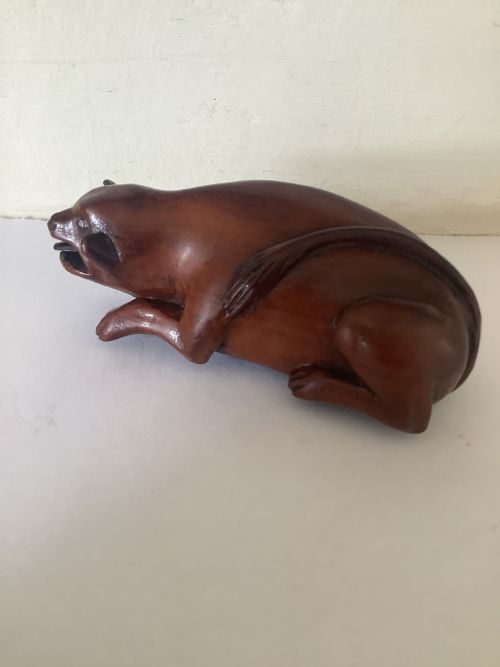
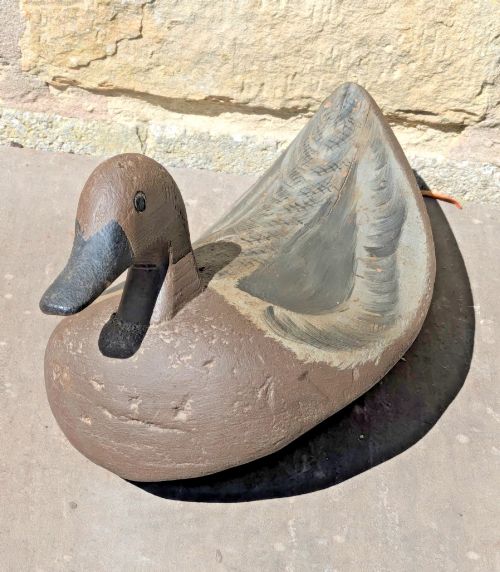
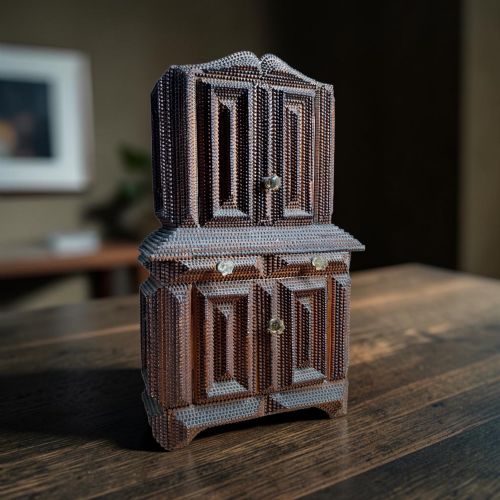
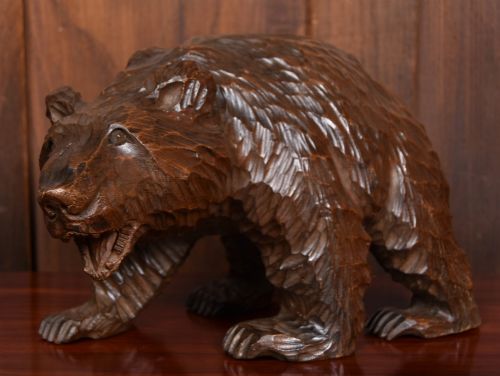
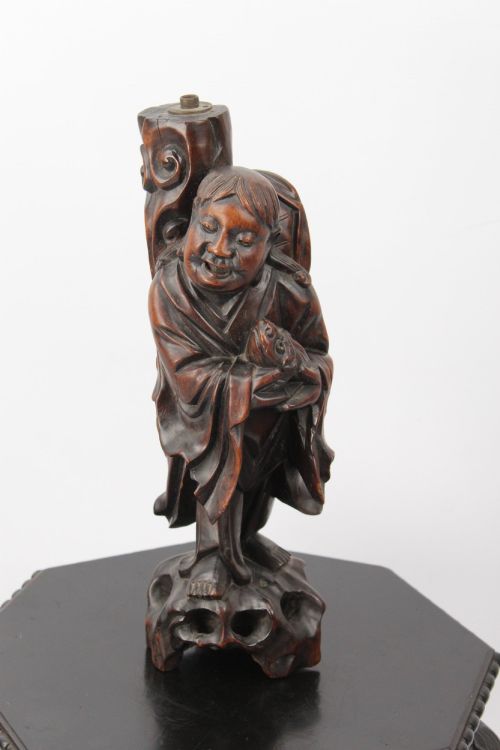
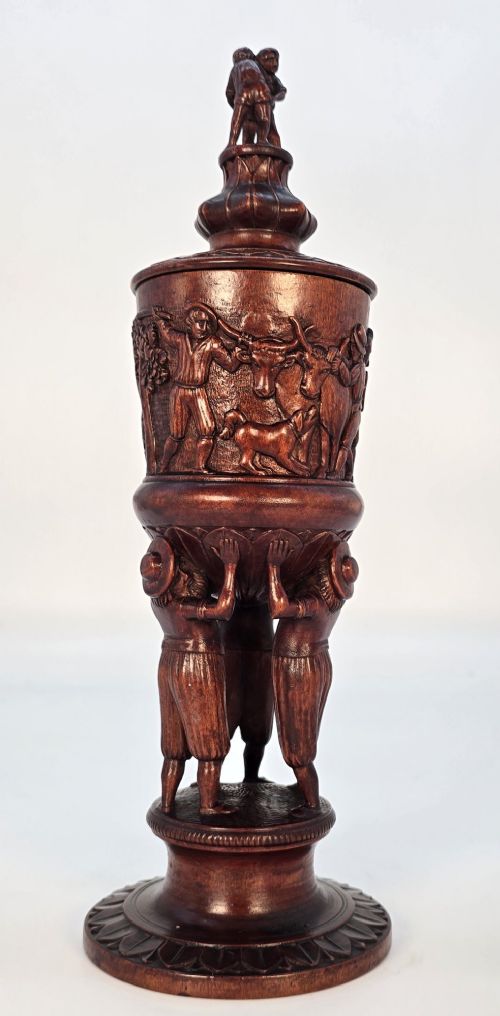
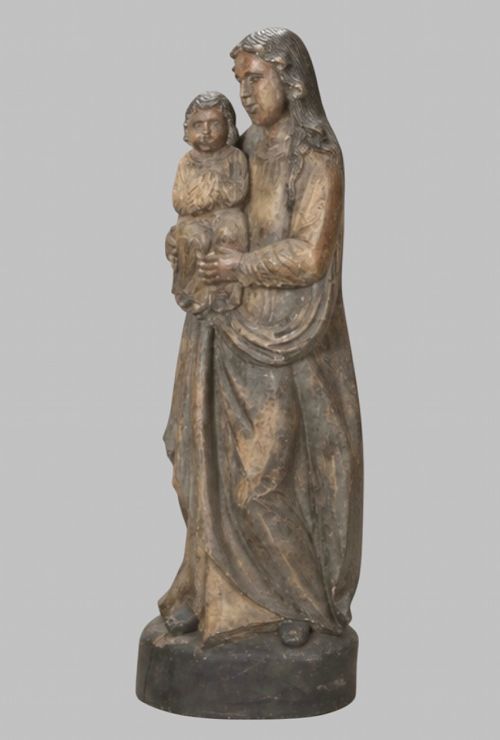
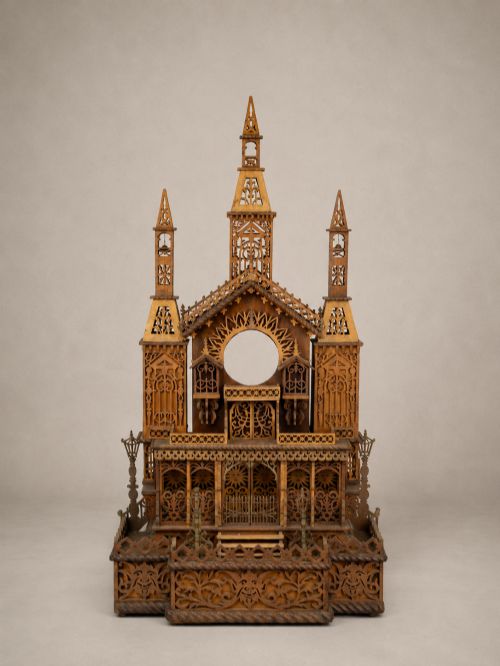
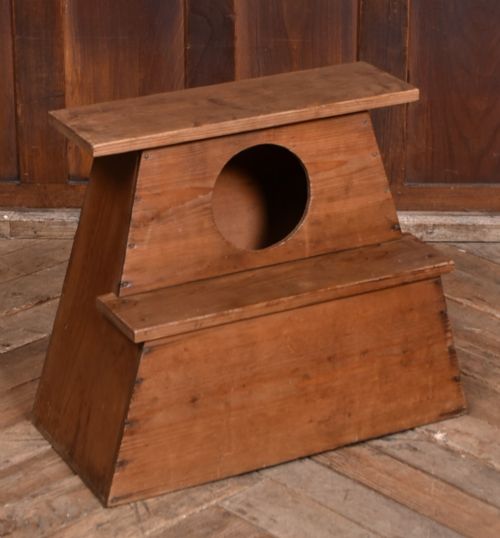
The pieces on this page span diverse cultural origins, including English treen, Swiss Black Forest carvings, French tramp art, and Japanese bears. Domestic items such as spoons, shoe-form boxes, toys, and milking stools sit alongside religious figures and architectural fragments.
Objects from this category reflect the distinct vernacular traditions of their makers, often showing the marks of handheld knives and simple workshop tools. Each piece was shaped by regional needs, domestic utility, or individual decorative whims rather than factory standardisation.
Assessing quality and character
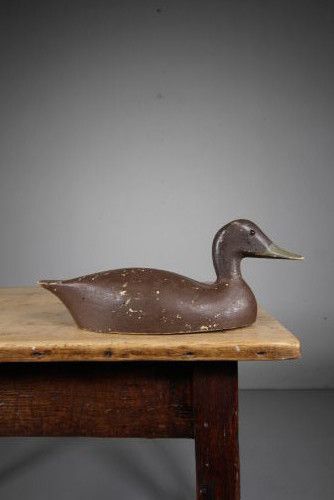
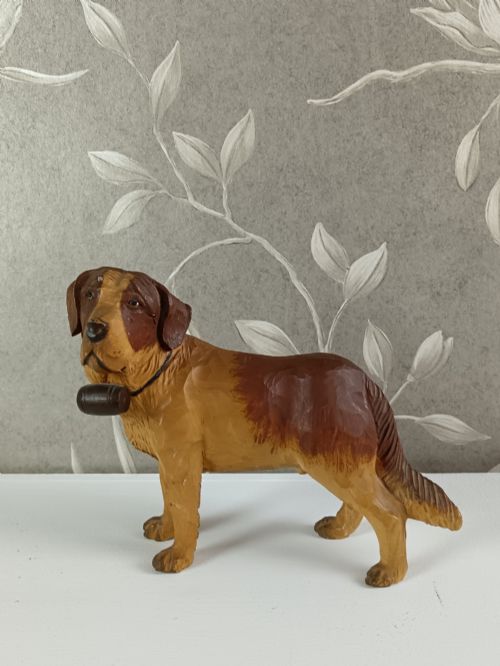
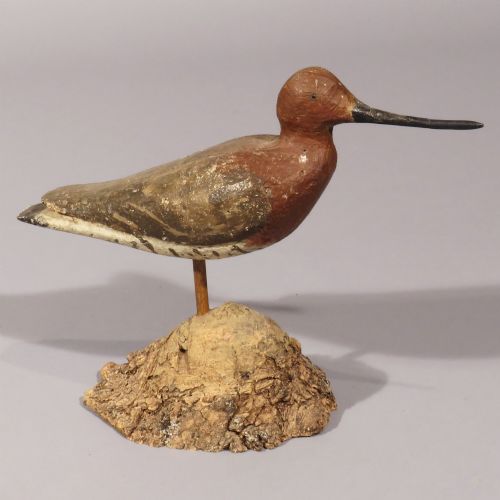
Quality in these pieces rests upon the confidence of the carving and the integrity of the surface. A strong silhouette and expressive carving, such as in decoy ducks or animal sculptures, distinguish superior examples from simpler work.
Wear and surface condition matter significantly. Original paint, untouched patination, and minimal structural alteration preserve the historical character that collectors value in vernacular wooden objects.
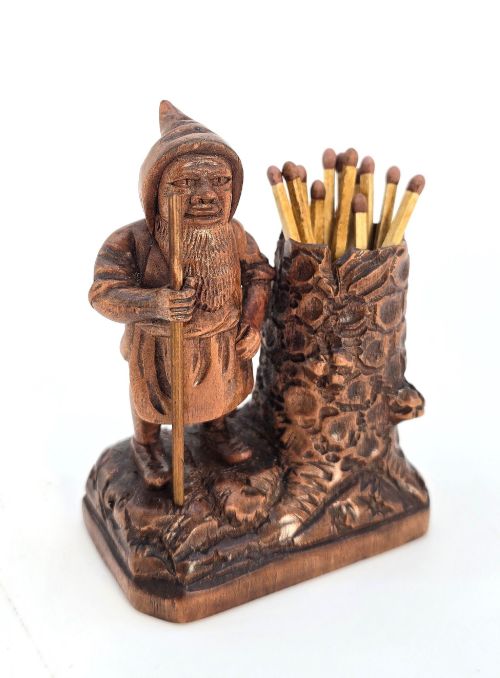
Carvers immortalised creatures of land and water, turning out everything from gnome match strikers and saintly figures to Saint Bernard rescue dogs.
The Brown Wooden Folk Art Glossary
- Treen
- Small handmade wooden objects for domestic or personal use. This category includes items such as spoons, knitting sheaths, and small boxes.
- Tramp art
- A form of woodworking where items are constructed from scrap timber, cigar boxes, and packing crates using chip-carving techniques.
- Mangle board
- A carved wooden board used historically in Scandinavian countries to smooth linen by wrapping it around a roller. They frequently feature elaborate horse head handles.
- Snuff box
- A small lidded container designed to hold powdered tobacco. These examples often take miniature shoe or oblong shapes and feature inlaid bone decoration.
Brown Wooden Folk Art: Frequently Asked Questions
What is brown wooden folk art?
Brown wooden folk art consists of handmade domestic objects, sculptures, and small furniture carved from various woods by non-academic makers. These items include utilitarian tools, decorative animal figures, and personal accessories.
They reflect local traditions and individual craftsmanship from the nineteenth century onwards, prized for their naive charm and direct sculptural forms.
How do I care for wooden folk art?
Keep wooden objects away from direct sunlight and dramatic shifts in temperature or humidity to prevent the timber from splitting. Dust them gently with a dry, soft cloth.
Avoid applying modern polishes or oils, as these can alter or damage the historic dry surfaces and patinas built up over generations.
How can I tell the age of these pieces?
Dating relies on identifying tool marks, timber types, and wear patterns characteristic of specific periods like the Victorian era or the nineteenth century. Construction methods, such as hand-cut joinery or early fixings, also offer clues.
Comparing items to documented examples of treen, tramp art, or regional carvings helps narrow down the likely decade of manufacture.