
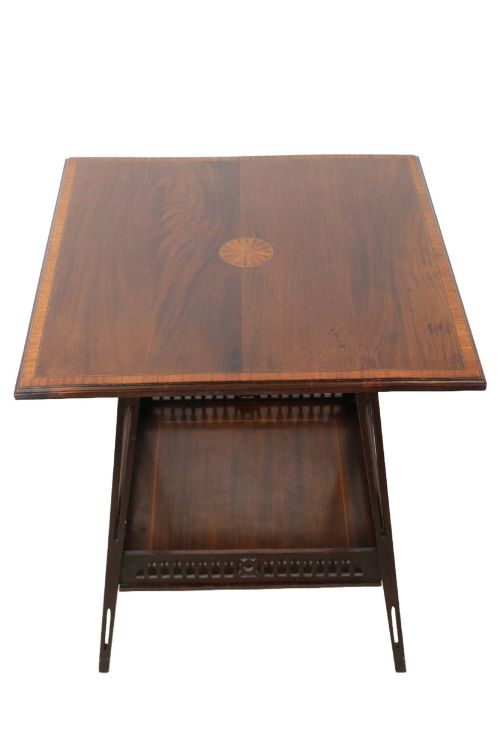

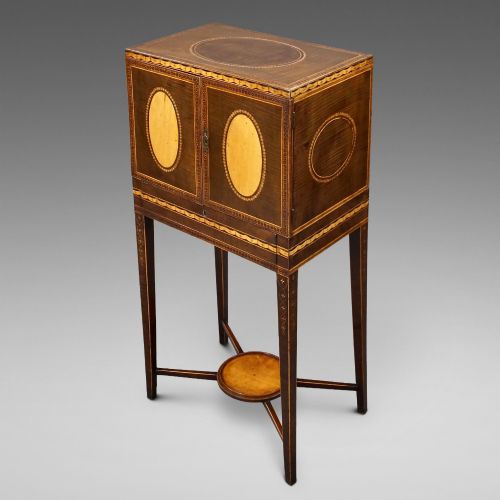
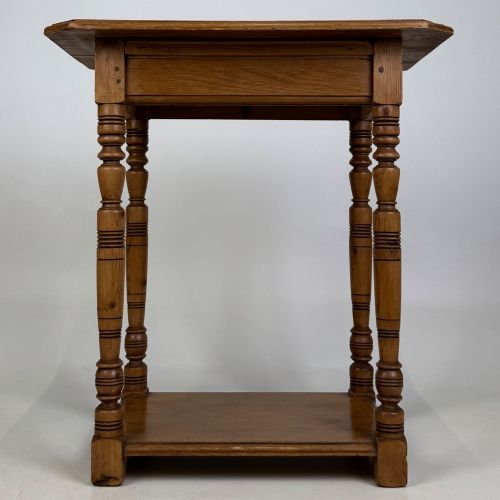
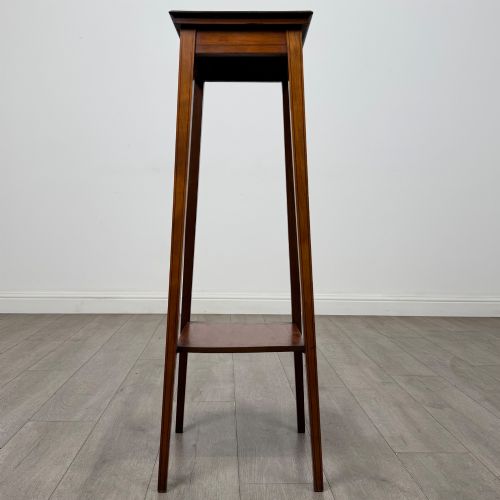
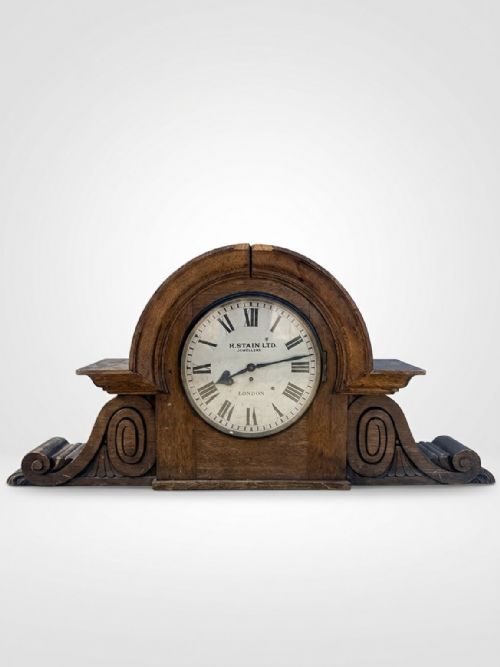
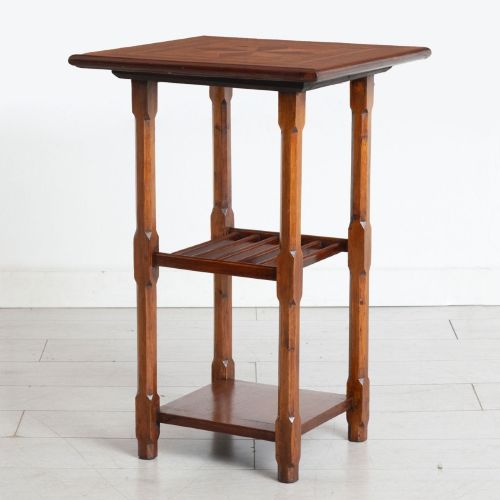
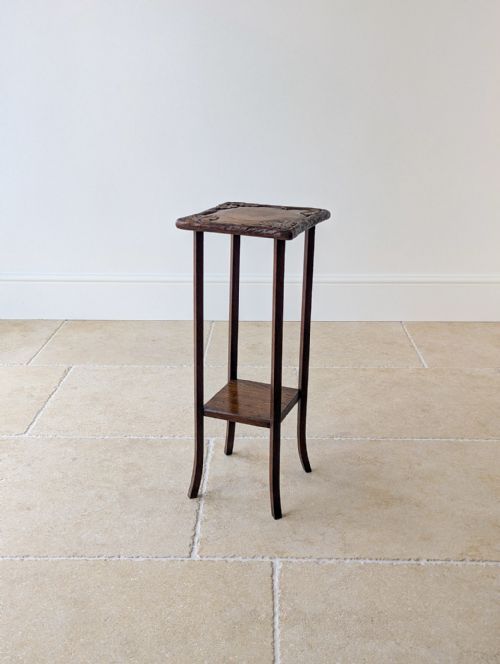
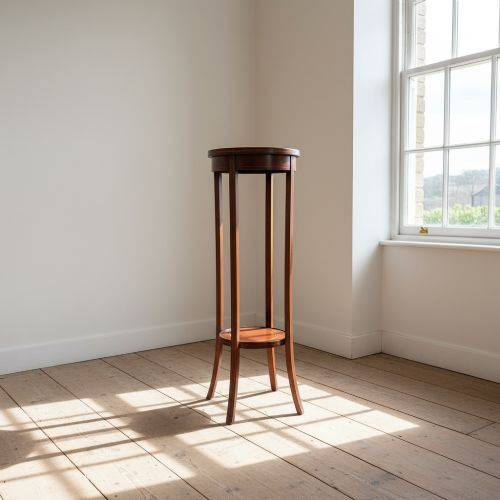


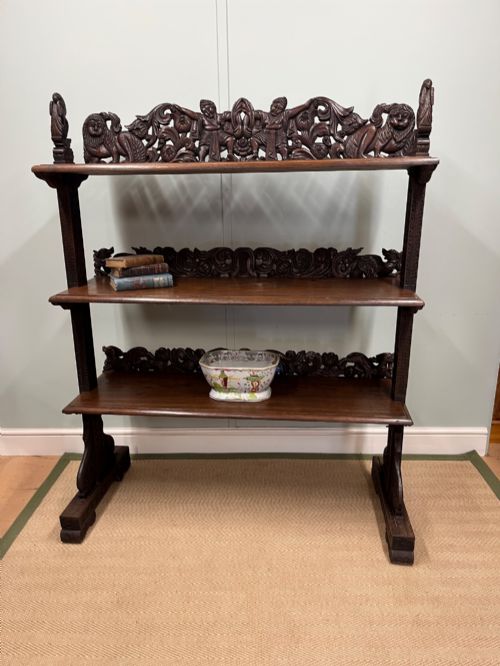
Brown Wooden Display Table
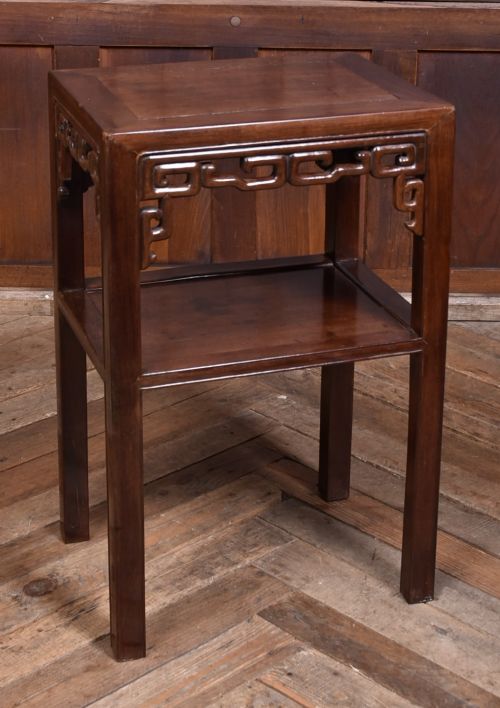
A brown wooden display table brings warmth and functional surface space to a room, ranging from Edwardian occasional tables to Chinese vase tables.
Brown Wooden Display Table
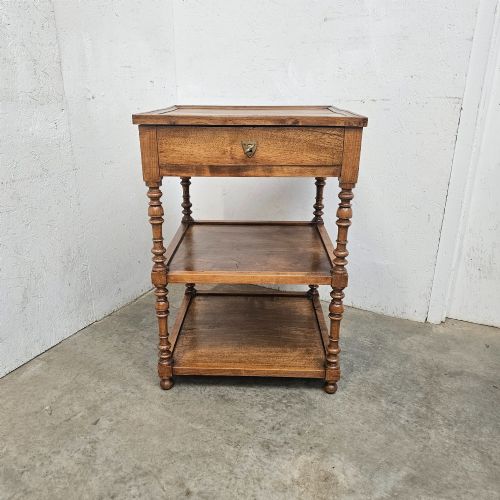
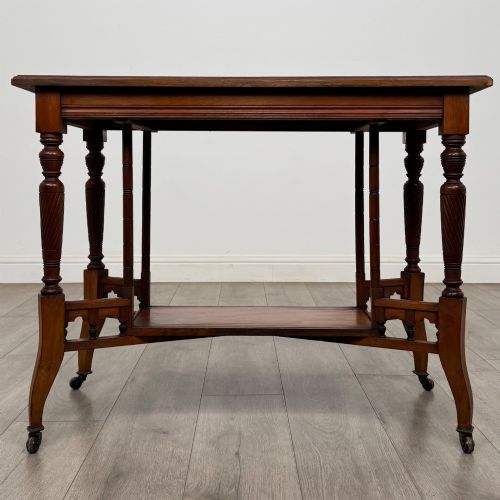
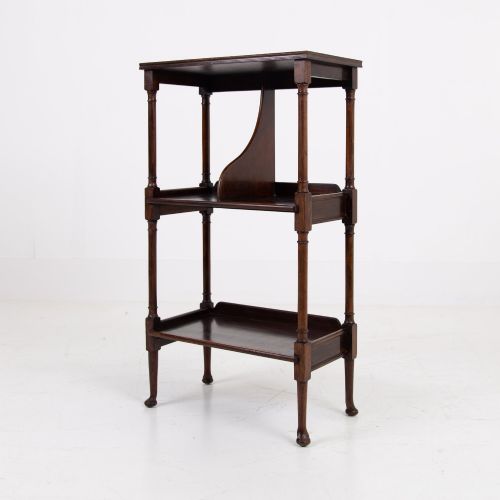
When you search for a brown wooden display table, you encounter a variety of forms designed to showcase objects or serve living spaces. Occasional tables, side tables, plant stands, whatnots, pedestal stands, display cabinets, and tea trolleys all fall into this category.
The pieces span several periods, with Edwardian and Victorian examples appearing frequently alongside 19th-century items, 1900 pieces, and occasional Georgian, 1910, and 1920 designs.
Makers and styles range from simple oak or beech items to Sheraton Revival mahogany, Arts and Crafts pieces, and Chinese traditional or Anglo-Indian forms.
Materials and construction
Craftsmen utilised timbers such as mahogany, oak, walnut, satinwood, teak, beech, amboyna, and harewood. Many surfaces feature wood inlay or glass panels.
Structural elements incorporate brass details, turned legs, barley twist legs, marble inserts, and carved ornamentation depending on the period and regional style.
Listings feature periods from the Georgian era through to the 1920s, constructed in mahogany, oak, walnut, satinwood, and teak.
Distinguishing quality
Quality rests on the selection of timber and the precision of the joinery and inlay work. Fine specimens display crisp carving, balanced proportions, and well-executed secondary woods.
Maker attribution and adherence to specific stylistic revivals, such as Sheraton Revival or Arts and Crafts principles, elevate certain pieces above standard utilitarian items.
Trevor Page and Co·Liberty and Co
The Brown Wooden Display Table Glossary
- Whatnot
- A set of open shelves used for displaying ornaments or books. These multi-tiered pieces often feature slender upright supports.
- Etagere
- A piece of furniture with a series of tiers for the display of small objects. French walnut versions are typical.
- Plant stand
- A tall, narrow table intended to hold a potted plant or jardiniere. They appear in oak, satinwood, and mahogany.
- Sheraton Revival
- A late 19th-century and Edwardian design movement inspired by late 18th-century neoclassical furniture. Pieces often incorporate delicate inlay and mahogany veneers.
Brown Wooden Display Table: Frequently Asked Questions
What is a brown wooden display table used for?
These tables provide surfaces for lamps, plants, and decorative objects in living areas and hallways. Many designs incorporate multiple tiers or cabinets to hold smaller items.
Some variants, such as tea trolleys or drop-side tables, offer movable utility for serving refreshments in a room.
How do I identify an Edwardian table?
Edwardian tables often feature light mahogany timbers combined with intricate wood inlay or satinwood elements. They frequently date from the early 20th century and lean towards refined revival styles.
Common forms from this era include plant stands, two-tier occasional tables, and oval side tables with slender legs.
What is the difference between an occasional table and a side table?
An occasional table is typically light and moveable, intended to be used as needed around a sitting room. Side tables often remain stationary against a wall or beside seating furniture.
Both types appear across Victorian, Edwardian, and Georgian periods in various wooden materials.
Are plant stands the same as display tables?
Plant stands function as tall pedestals primarily designed to elevate flora, though many double as general display surfaces for vases or ornaments. Their narrow footprints distinguish them from standard side tables.
Examples range from simple oak variants with barley twist legs to satinwood pedestal stands.