

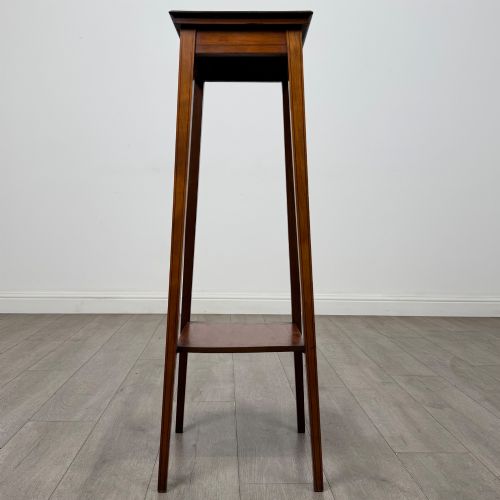
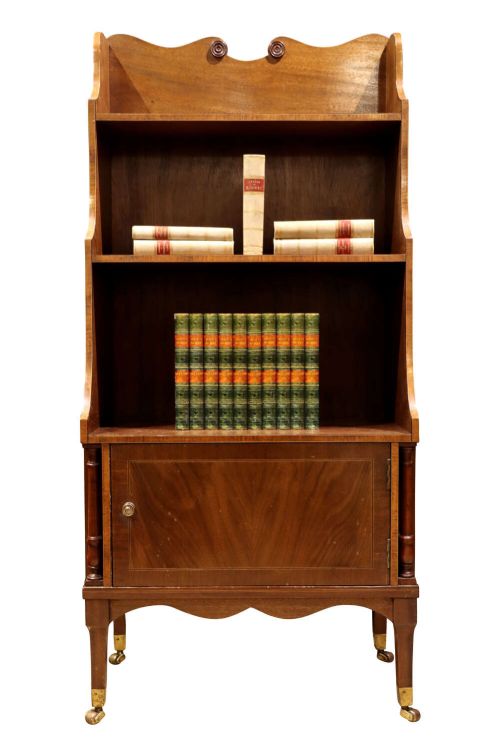
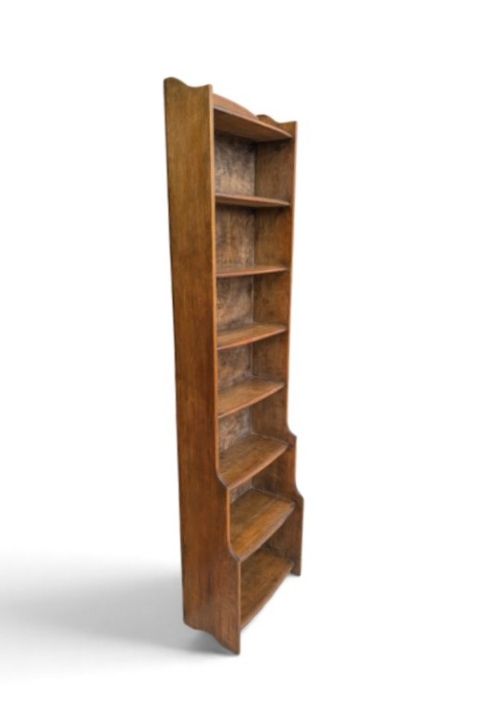
Brown Wooden Display Stand
A brown wooden display stand lifts an object into view, organising a room through timber and height.
Brown Wooden Display Stand
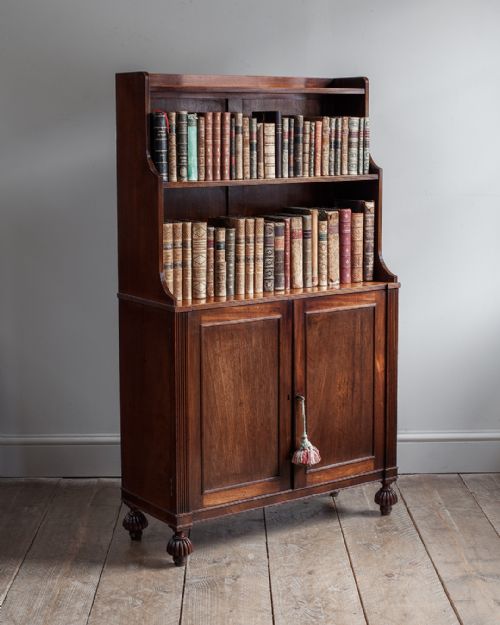
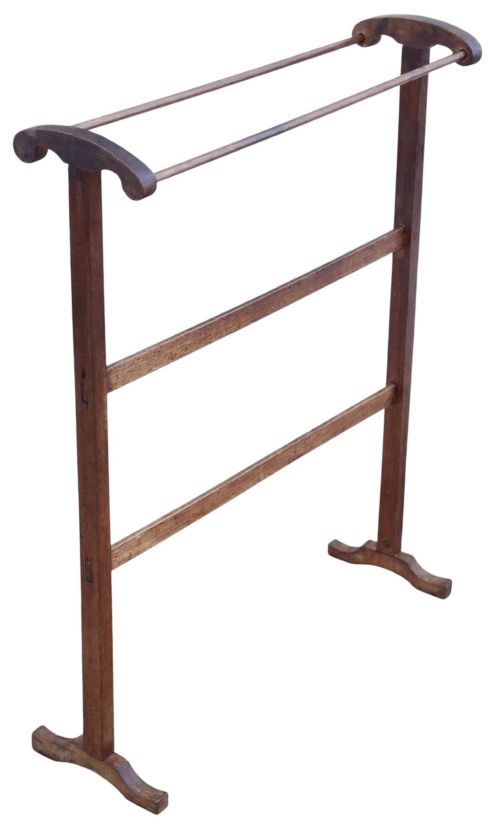
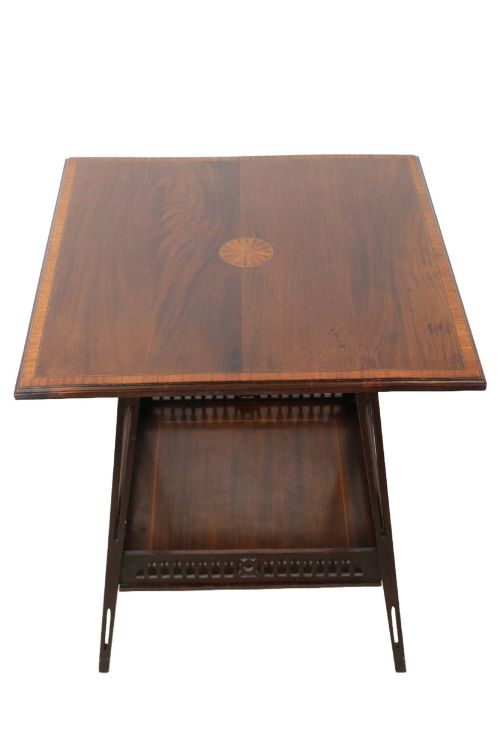
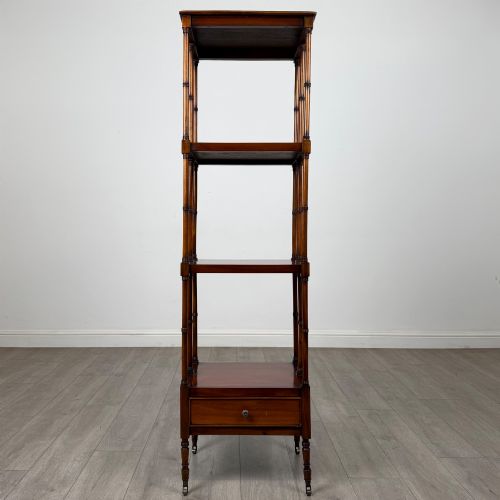
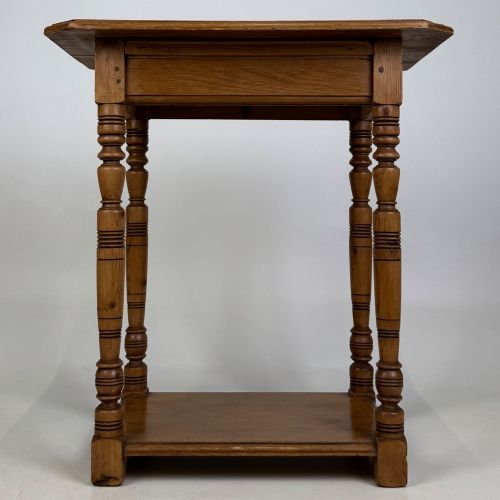
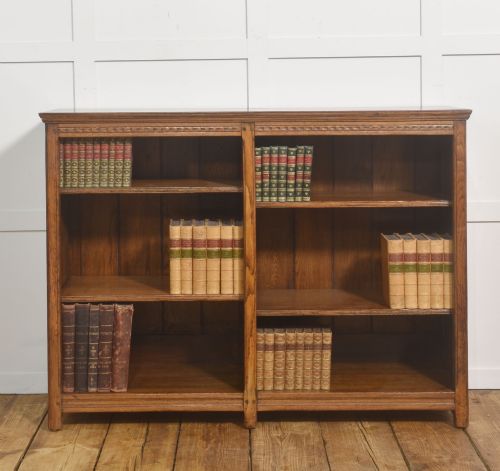
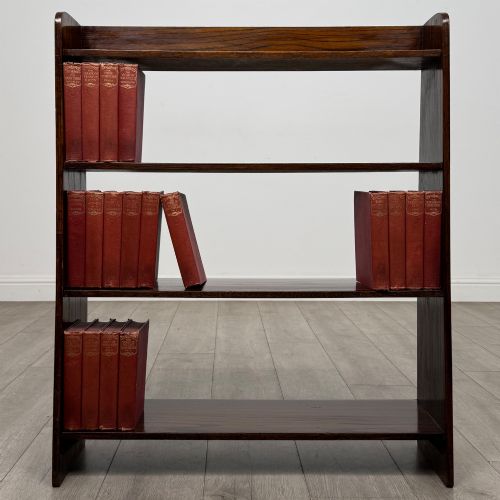
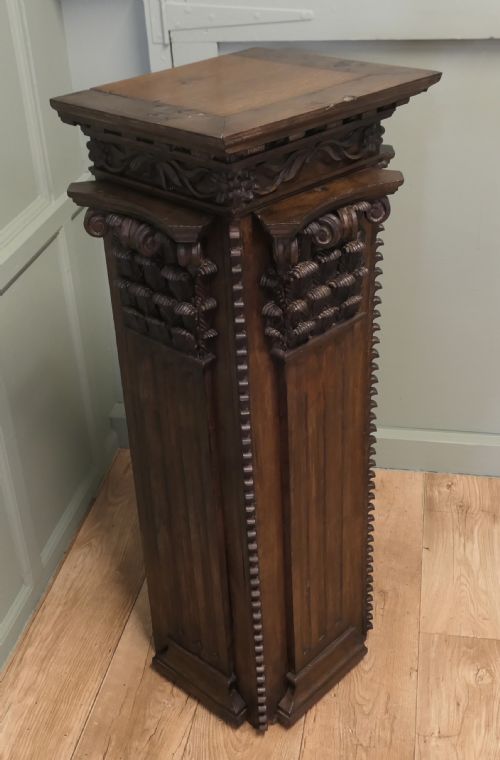
A brown wooden display stand encompasses everything from plant stands and pedestals to bookcases, occasional tables, and corner cabinets. These pieces emerge across the eighteenth, nineteenth, and early twentieth centuries, spanning Edwardian, Victorian, Regency, and Arts & Crafts styles.
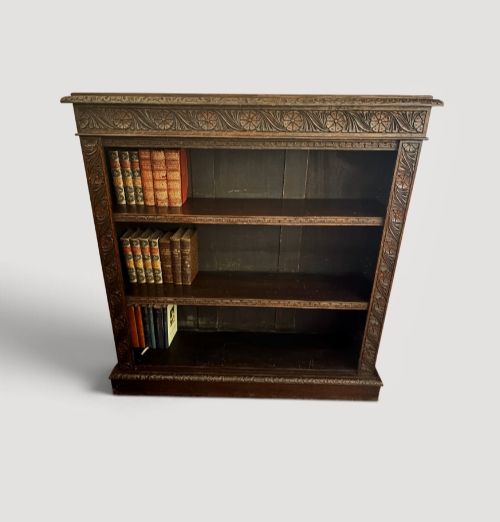
The version most frequently met on this page is the Edwardian or Victorian tier, plant stand, or bookcase built in mahogany or oak. Makers adapt these forms for domestic display, creating sturdy columns and open shelves that hold books, plants, and ornaments.
Geographic influences vary widely, with English cabinetmaking sitting alongside French, Italian, Chinese traditional, and Anglo-Indian designs. Buyers select these items to anchor a corner or display ceramics and specimens at a comfortable height.
Materials and Technique
Makers construct these stands primarily in mahogany, oak, and walnut, frequently incorporating satinwood, boxwood, and harewood for inlay and contrast. Hardwoods provide the structural strength necessary for tall pedestals, multi-tiered étagères, and loaded bookcases.
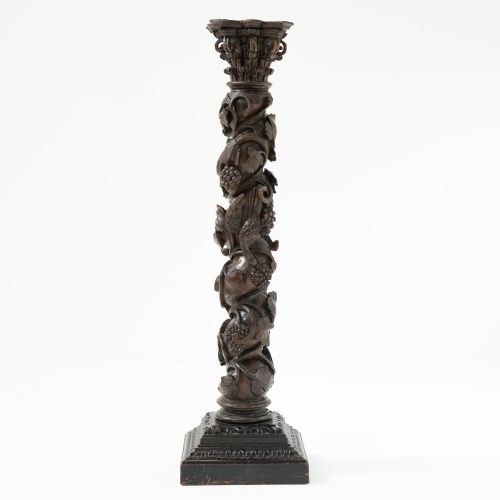
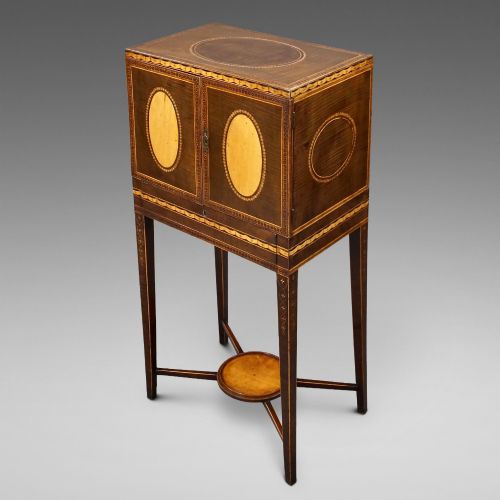
Joinery relies on traditional framing methods, turning, and carving, often finished with brass castors or mounts. Carved solomonic columns, inlaid stringing, and turned legs demonstrate the precise handwork typical of the period workshops.
Early folding cake stands ensure that even tea time requires clever engineering.
Evaluating Construction and Age
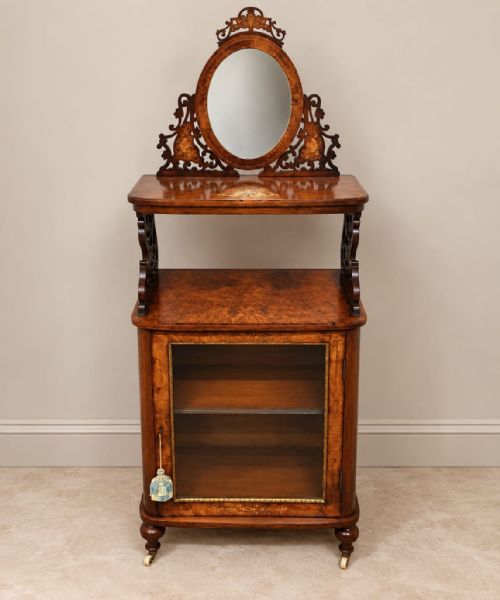
Quality rests upon the selection of timber and the crispness of the carving or inlay. Dense burr walnut and figured mahogany with balanced grain patterns distinguish finer pieces from plainer utility items.
Structural integrity and the retention of original brass fittings, castors, or adjustable shelving elevate a stand. The depth of hand-carving on columns and pedestals marks the distinction between standard workshop production and exceptional cabinet work.
Trevor Page & Co
The Brown Wooden Display Stand Glossary
- Pedestal
- A tall, freestanding support column designed to elevate a bust, vase, or sculptural object. These columns often feature turned shafts or carved Corinthian capitals.
- Etagere
- A set of open shelves for displaying small ornaments or books, supported by slender columns or uprights. The form gained popularity during the nineteenth century for drawing room display.
- Waterfall bookcase
- A standing set of open shelves where each tier steps back progressively from bottom to top. This profile creates a cascading effect popular in late Victorian and Edwardian libraries.
- Solomonic
- A helical or spiral twist carved into a column or furniture leg. This decorative turning style appears frequently on seventeenth and eighteenth-century oak furniture.
- Inlay
- A technique where pieces of contrasting wood, such as satinwood or boxwood, are inserted into a recessed surface to form decorative patterns. It defines much of the finer cabinetwork from the Georgian and Edwardian eras.
Brown Wooden Display Stand: Frequently Asked Questions
How were antique stands used?
These pieces served practical roles in period homes, holding potted plants, books, tea cakes, or decorative porcelain. Taller columns and pedestals displayed sculptures, while smaller tables sat beside chairs for lamps and daily use.
Over time, owners repurposed these versatile stands across libraries, drawing rooms, and hallways to maximise vertical space and organise household items.
Where should I place a display stand?
Stands suit empty corners, hallway landings, or spaces beside seating where they can elevate objects above floor level. Low bookcases and plant stands work effectively against plain walls to anchor a room's proportions.
Positioning depends on the piece's footprint, ensuring tall pedestals have stable ground and tiered tables remain accessible for daily use.
How do I care for wooden stands?
Maintain timber surfaces by dusting with a dry, soft cloth and avoiding direct sunlight or excessive heat sources that dry out the wood. Natural wax feeds the grain periodically and preserves the patina.
Keep humidity stable in the room to prevent timber from splitting or joints from loosening over the decades.
How do I distinguish Edwardian from Victorian pieces?
Victorian stands tend to use heavier timber, darker finishes, and denser carvings, often utilising burr walnut or robust oak. Edwardian pieces frequently showcase lighter satinwood, delicate string inlay, and a brighter overall palette.
Construction details also shift, with Edwardian workshops frequently adopting simpler, airier forms influenced by the Arts & Crafts movement.