




Brown Wooden Clubs
Brown wooden clubs include historic tribal weapons and weighted exercise items carved from dense hardwoods.
Brown Wooden Clubs
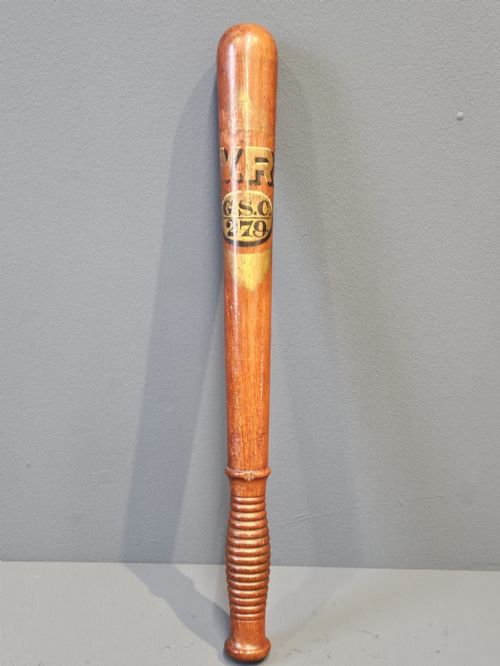
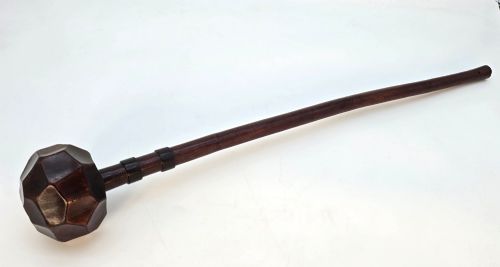
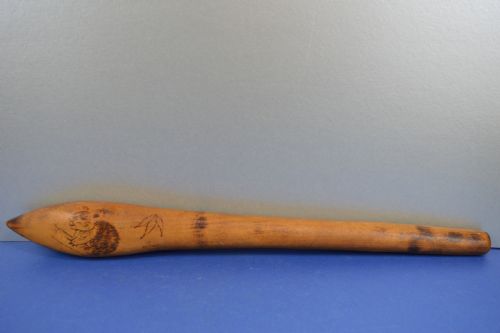
Brown wooden clubs encompass a diverse mix of historic ethnographic artefacts and utilitarian implements made from sturdy timbers. When searching for brown wooden clubs, buyers encounter traditional tribal weapons alongside nineteenth-century physical culture gear.
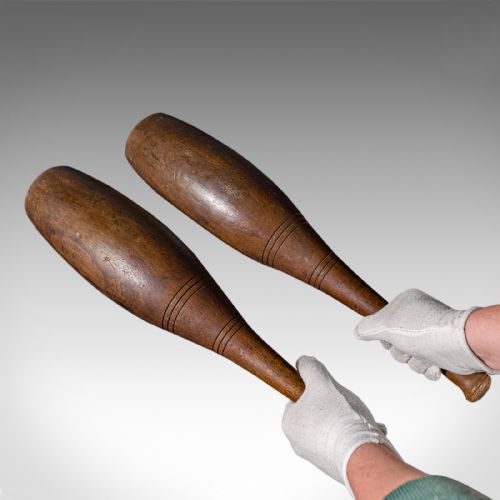
The selections span distinct cultural origins, including Oceanic, Indigenous Australian, and African traditions alongside British Victorian items. Form follows function closely across these objects, ranging from heavy spherical head weapons to slender throwing sticks and balanced Indian clubs.
What varies in quality
Quality rests upon the integrity of the carved timber and the precision of the form. Denser hardwoods that retain smooth, balanced lines demonstrate superior craftsmanship compared to simpler utilitarian pieces.
Age and cultural provenance distinguish the range significantly. Intricately carved tribal surfaces and documented nineteenth-century origins elevate specific examples above standard utility items.
Listings feature items spanning the 18th, 19th, and early 20th centuries, constructed from hardwoods, beech, elm, and oak.
The Brown Wooden Clubs Glossary
- Knobkerrie
- A traditional southern African club featuring a heavy bulbous head on a slender wooden shaft. It served as both a weapon and a walking implement.
- Nulla-nulla
- An Australian Aboriginal wooden club or throwing stick used for hunting and combat. These are typically carved from dense native timber.
- Ula
- A throwing club originating from Fiji, distinguished by a spherical or lobed head carved onto a short handle. Warriors hurled these accurately at targets during conflict.
- Exercise club
- A weighted wooden implement swung in pairs for physical fitness during the nineteenth and early twentieth centuries. They resemble giant bowling pins in silhouette.
- Hardwood
- Dense timber derived from broad-leaved trees that resists splitting and impact. This material is essential for maintaining the structural integrity of striking implements.
Brown Wooden Clubs: Frequently Asked Questions
What are brown wooden clubs?
Brown wooden clubs comprise historic ethnographic weapons, indigenous fighting sticks, and Victorian physical culture gear. They are fashioned from dense timbers to serve practical functions in combat, hunting, or exercise.
These pieces reflect the cultural traditions and manufacturing methods of diverse global regions across the eighteenth and nineteenth centuries.
How were tribal clubs used?
Indigenous peoples utilised these wooden implements primarily for warfare, hunting game, and ceremonial purposes. Different regional forms were balanced specifically for hand-to-hand combat or throwing.
The distinct weight and head shape determined whether the item functioned as a striking weapon or a projectile.
What are exercise clubs?
Exercise clubs are weighted wooden implements shaped like oversized pins, utilised during the Victorian and Edwardian eras for physical conditioning routines. Practitioners swung them in coordinated patterns to build upper body strength.
Pairs of these items were often turned from beech or ash, sometimes bearing weighted lead cores.
How do I care for wooden clubs?
Maintain these wooden artefacts in stable indoor environments away from direct sunlight and rapid humidity fluctuations. Apply occasional specialist wax to nourish dry timber without sealing the historical surface.
Handle heavier pieces with care to protect protruding carved details and original patination.