



Brown Wooden Centrepiece
A brown wooden centrepiece anchors a room with rich timber grain and period presence.
Brown Wooden Centrepiece
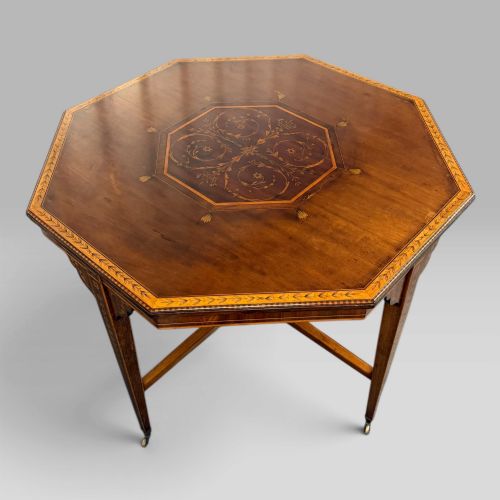
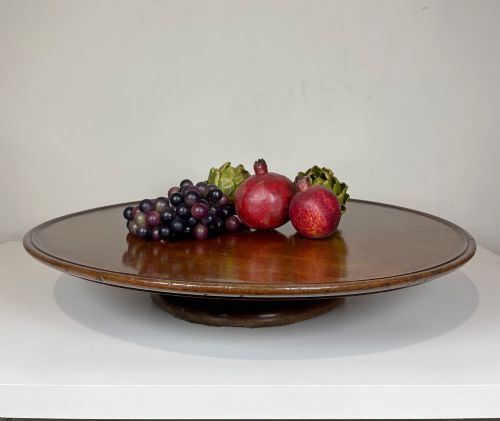
A brown wooden centrepiece brings functional display to a table or sideboard, taking forms such as rotating stands, carved bowls, and tables. When you search for a brown wooden centrepiece, you encounter items shaped for serving, dining, and central placement in historical rooms.
The selections span centuries from the seventeenth to the twentieth, representing styles like Georgian, Edwardian, Victorian, Renaissance Revival, and Black Forest. Mahogany and oak appear frequently alongside walnut, satinwood, and hardwood.
Tabletop revolving stands and cheese coasters feature alongside carved fruit bowls, tazzas, and octagonal centre tables. Each object serves a domestic purpose rooted in historical entertaining and daily dining habits.
How they were made
Craftsmen built these items using solid timbers such as mahogany, oak, and walnut, often accentuating surfaces with satinwood marquetry or detailed hand carving. Black Forest and Renaissance Revival examples demonstrate intricate relief work in carved wood.
Revolving mechanisms on lazy susans and egg cup stands required precise joinery to ensure smooth movement across the wooden base. Turned elements, brass mounts, and occasional cut glass components complete the construction of these serving accessories.
Brown Wooden Centrepiece Retail Price Guide 2026
Typical asking prices for brown wooden centrepiece among the pieces listed under this phrase on Sellingantiques today, from the lower quarter to the upper quarter. They describe what is for sale here now, not the wider market.
What varies in quality
Quality rests in the crispness of the hand carving and the selection of timber figures, where rich mahogany grain and detailed marquetry elevate a piece above simpler utilitarian items. The depth and relief of carved oak liege bowls or Black Forest animals dictate the visual impact of the work.
Mechanical integrity defines the value of revolving items like lazy susans and egg cup stands, where smooth operation reflects superior workshop execution. The harmony of proportions and the preservation of original surfaces separate standard domestic items from finer examples.
The Brown Wooden Centrepiece Glossary
- Lazy Susan
- A revolving tabletop tray designed for passing condiments or dishes around a dining table. These wooden stands often feature central pivot mechanisms.
- Cheese Coaster
- A small rolling or stationary tray used to hold and move cheese wheels on the dining table. They frequently incorporate mahogany and brass details.
- Tazza
- A shallow ornamental bowl raised on a pedestal foot, used for serving fruit or sweetmeats. Italian examples in carved walnut show elaborate classical motifs.
- Marquetry
- The art of applying thin veneers of different coloured woods to form decorative patterns on a surface. Satinwood details frequently highlight mahogany table tops.
- Treen
- Small handmade wooden domestic objects produced by turning or carving. Items like revolving egg cup stands showcase this historic woodworking tradition.
Brown Wooden Centrepiece: Frequently Asked Questions
What is a wooden centrepiece used for?
These items served various dining and display functions in historic homes, from holding fruit and cheese to rotating dishes during meals.
Larger forms act as dedicated centre tables while smaller pieces organise eggs or condiments on the dining surface.
How do I identify a Georgian centrepiece?
Georgian pieces typically feature solid mahogany construction with understated elegance, focusing on timber quality rather than heavy ornamentation.
Look for classic proportions and traditional joinery typical of eighteenth-century British workshops.
What is a Black Forest centrepiece?
Black Forest pieces originate from a specific nineteenth-century European carving tradition known for naturalistic animal and foliage motifs.
These items display deeply carved wooden surfaces depicting scenes from nature with high sculptural detail.
How should I care for antique wood?
Maintain wooden items by keeping them away from direct heat sources and sudden humidity changes to prevent timber splitting.
Apply traditional wax polish sparingly to preserve the natural lustre of the mahogany, oak, or walnut grain.