

Brown Wooden Carving
A brown wooden carving brings texture and history to a room through centuries of cabinetmaking and sculptural skill.
Brown Wooden Carving
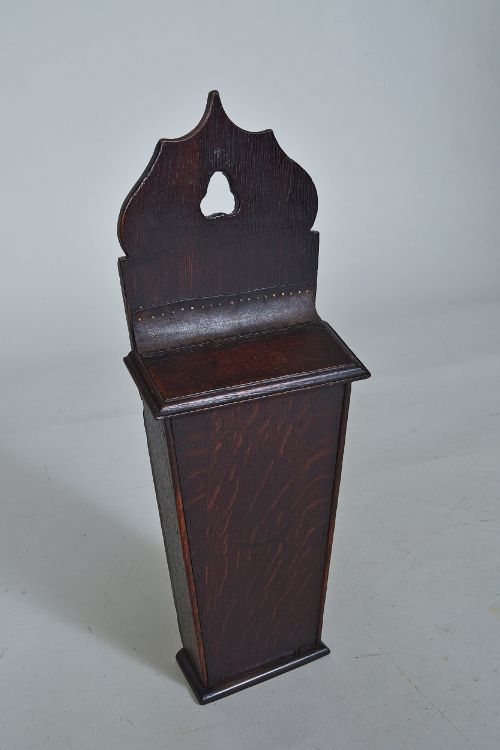
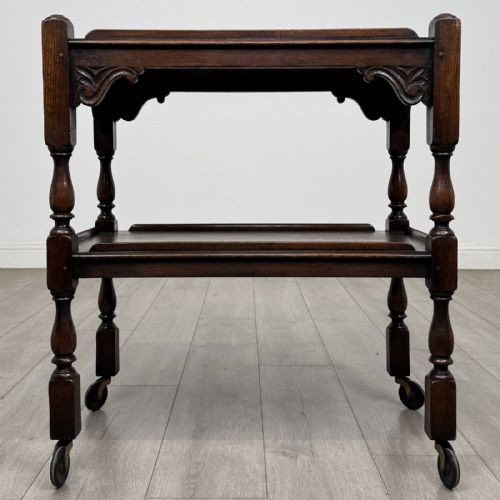
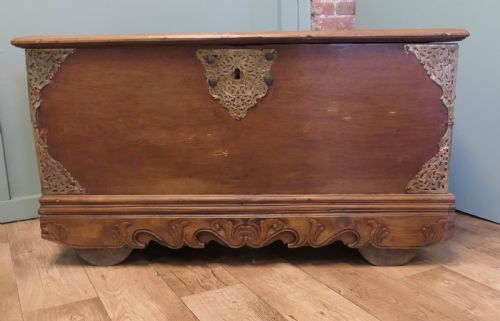
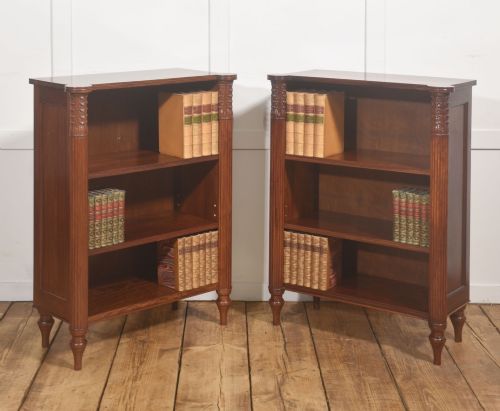
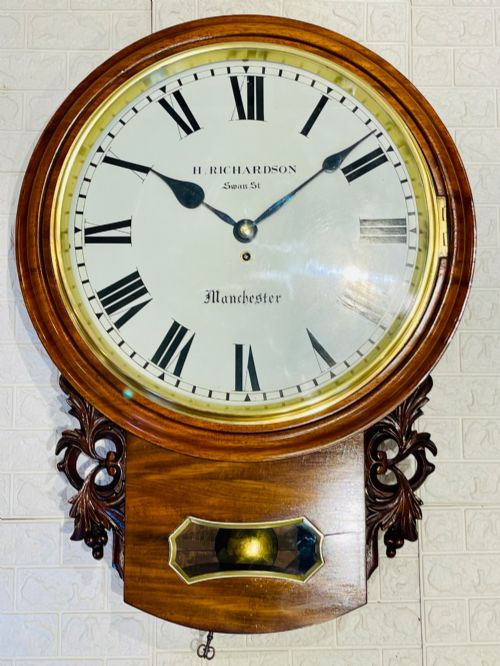
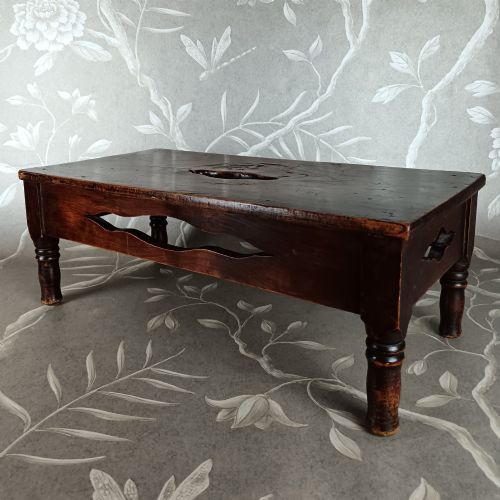
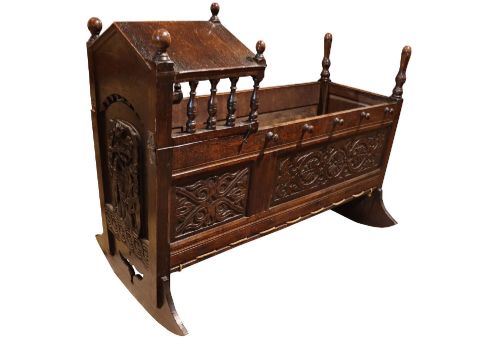
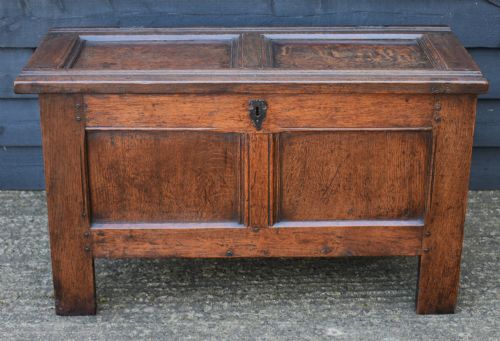
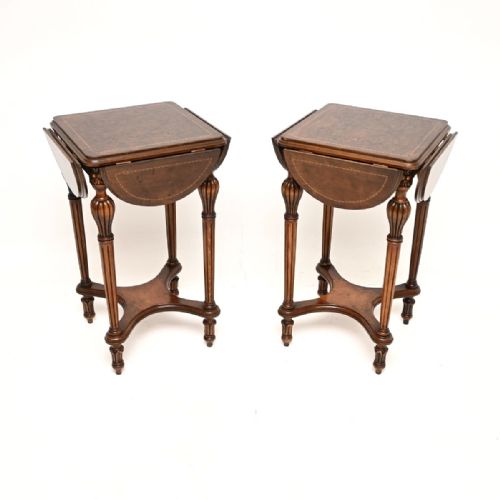
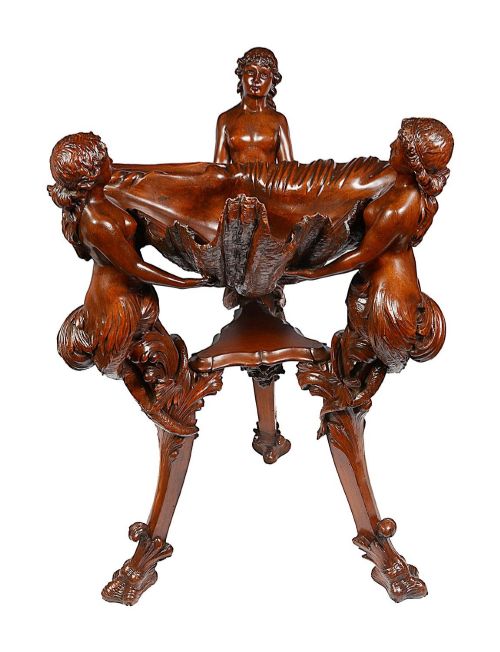
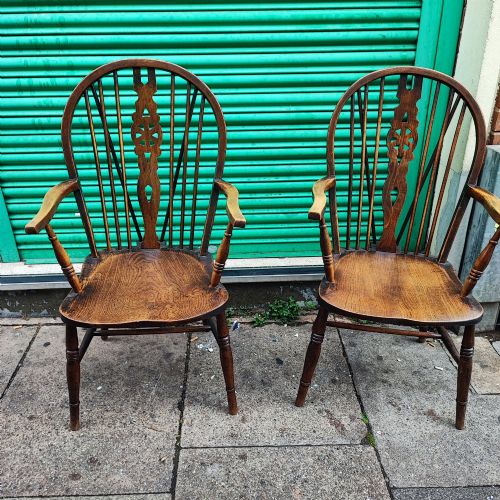
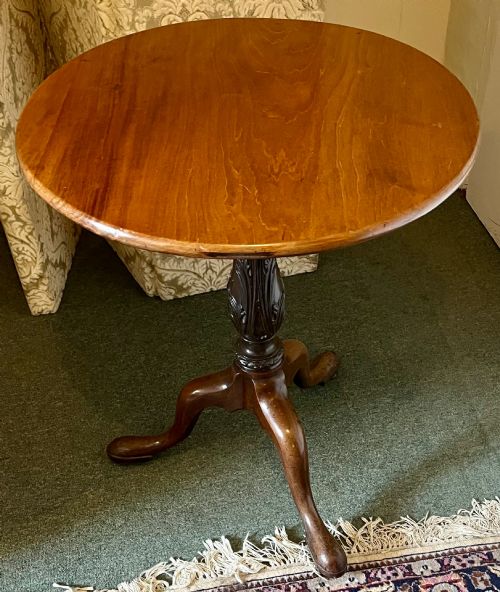
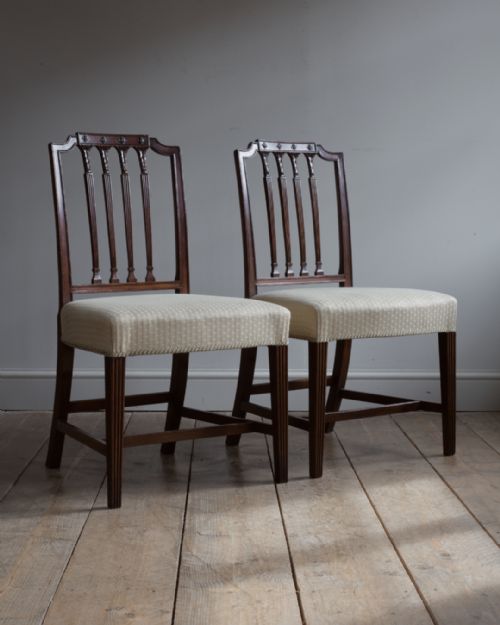
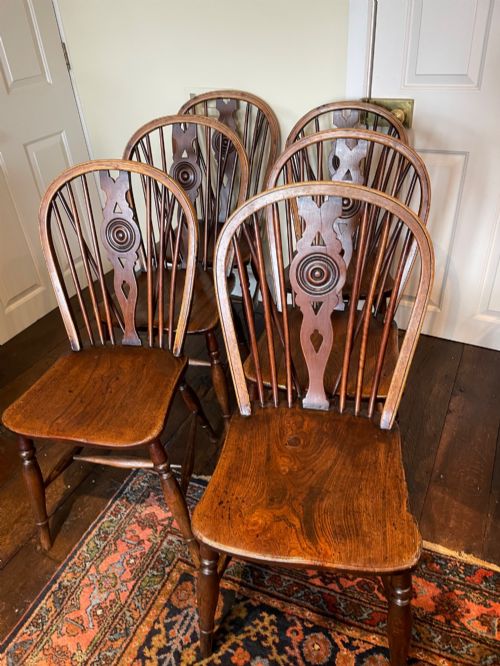
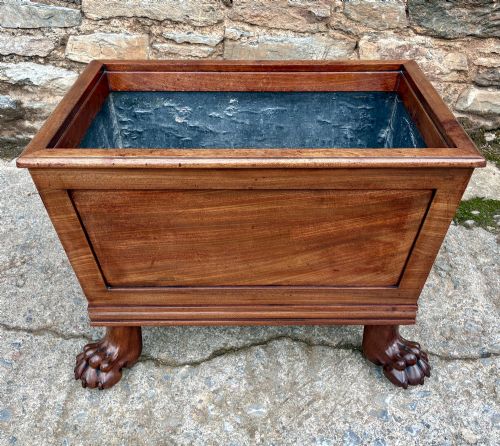
A brown wooden carving encompasses functional furniture, decorative stands, and sculptural objects produced across the eighteenth, nineteenth, and early twentieth centuries. Pieces range from large oak coffers and wardrobes to occasional tables, jewellery boxes, and wall brackets executed in walnut, mahogany, and oak.
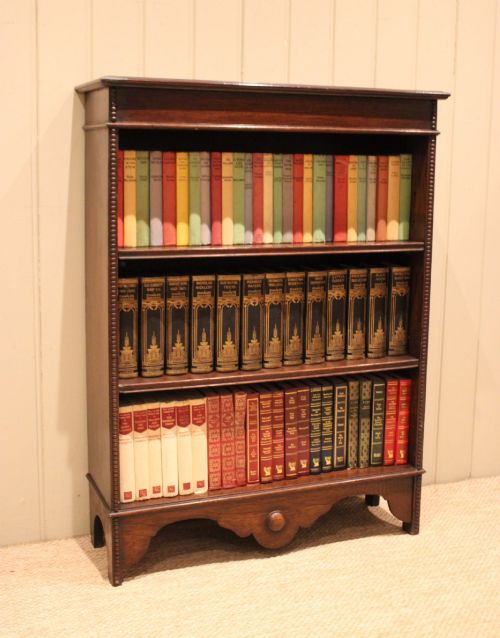
The selections available on this page lean heavily towards nineteenth-century and Edwardian domestic items alongside earlier seventeenth and eighteenth-century storage forms. Buyers encounter utility furniture such as desks and bookcases alongside specialised items like decoy ducks and plant stands.
Regional diversity shapes these objects, with British, French Provincial, Italian, and Indian origins represented among the listings. This geographical spread introduces varied timber grains and regional carving motifs, from Gothic Revival panels to simpler folk art interpretations.
Materials and construction methods
Makers utilised dense hardwoods including oak, walnut, mahogany, and rosewood, often selecting burr veneers for decorative grain patterns on larger surfaces like wardrobes and tabletops. Secondary timbers provided structural stability for drawers, backs, and internal framing.
Traditional hand tools shaped the timber, employing pegged joints, dovetailing, and carved detailing executed directly into the solid wood or applied as panels. Metal elements such as brass handles and iron hinges accompanied glass inserts and mother-of-pearl inlay on specific pieces.
Brown Wooden Carving Retail Price Guide 2026
Typical asking prices for brown wooden carving among the pieces listed under this phrase on Sellingantiques today, from the lower quarter to the upper quarter. They describe what is for sale here now, not the wider market.
Listings feature items spanning the seventeenth century through to the Edwardian era, constructed from oak, walnut, mahogany, and rosewood.
Differentiating quality in carved woodwork
The depth, crispness, and relief of the hand carving dictate the aesthetic merit of a piece, distinguishing workshop output from mass production. Crisp undercut foliage and figures demonstrate superior handling compared to shallow, mechanical stamping.
Timber selection and conservation of original surfaces govern structural integrity and visual appeal. Intact patination, matched burr walnut veneers, and solid secondary woods separate standard utility items from examples bearing maker attributions.
James Shoolbred·Liberty and Co
The Brown Wooden Carving Glossary
- Burr walnut
- A prized timber harvested from the wart-like growths on walnut trees, yielding intricate, swirling grain patterns. Cabinetmakers utilised these figured veneers on prominent surfaces like cabinet doors and tabletops.
- Refectory style
- A long, narrow table design historically used in communal dining halls. Modern iterations often feature solid oak construction supported by heavy stretcher bases.
- Cofer
- A heavy wooden chest traditionally used for storing valuables and textiles before the widespread adoption of drawers. Early examples frequently employ pegged oak construction.
- Torchere
- A tall, slender stand designed to support a candlestick or decorative urn. These pieces often feature carved pedestals and tripod or circular bases.
- Gothic Revival
- An architectural and decorative style drawing inspiration from medieval forms. Pieces display pointed arches, tracery, and heavy carved details.
Brown Wooden Carving: Frequently Asked Questions
How do I care for antique carved wood?
Maintain a stable room temperature away from direct sunlight and radiators to prevent the timber from drying out and splitting. Apply natural beeswax periodically to nourish the grain and preserve the surface finish without building up heavy chemical layers.
Dust the intricate recesses regularly with a soft, dry brush to prevent dirt accumulation in the carved details. Avoid commercial liquid polishes, which can soften historical finishes and attract dust.
What is a Black Forest carving?
These are three-dimensional wooden sculptures and functional items originating from the mountainous region of Central Europe during the nineteenth century. They typically depict animals, particularly bears, integrated into umbrella stands, clocks, and occasional furniture.
Craftsmen used local linden and walnut timbers to achieve realistic textures representing fur and foliage. The style gained popularity through international exhibitions and Victorian interior design trends.
How can I tell Jacobean Revival from original Jacobean?
Original seventeenth-century pieces exhibit construction methods typical of the period, such as uneven hand-sawn boards, hand-split oak panels, and early iron or wooden fixings. The wear patterns on these items reflect centuries of domestic use.
Revival pieces, often produced during the nineteenth century, utilise machine-sawn timber uniformity and standardised modern hardware alongside historical stylistic motifs. Examining the interior construction and timber shrinkage helps clarify the date of manufacture.
Where were pedestal torchere stands placed?
Historical interiors utilised these tall stands in corners, flanking doorways, or beside seating areas to elevate lighting devices above eye level. They served both functional illumination purposes and decorative display roles for urns or small sculptures.
The slender proportions allowed them to occupy minimal floor space while adding vertical interest to a room's composition. Their design shifted across periods from carved mahogany tripod bases to inlaid walnut columns.