


Brown Wooden Bookcase Desk
A brown wooden bookcase desk combines a writing surface and shelving in a single piece, offering practical storage and workspace for books and papers.
Brown Wooden Bookcase Desk
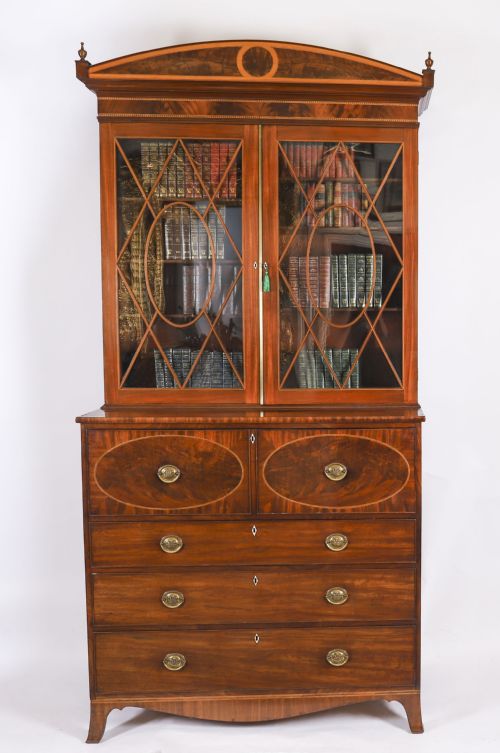
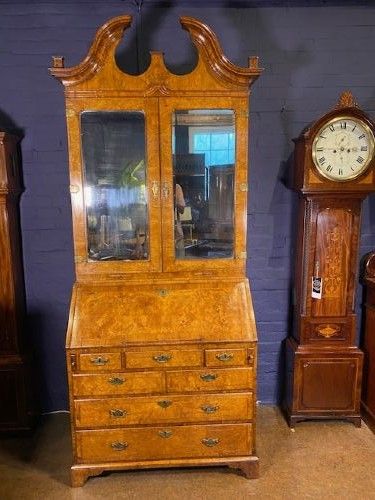
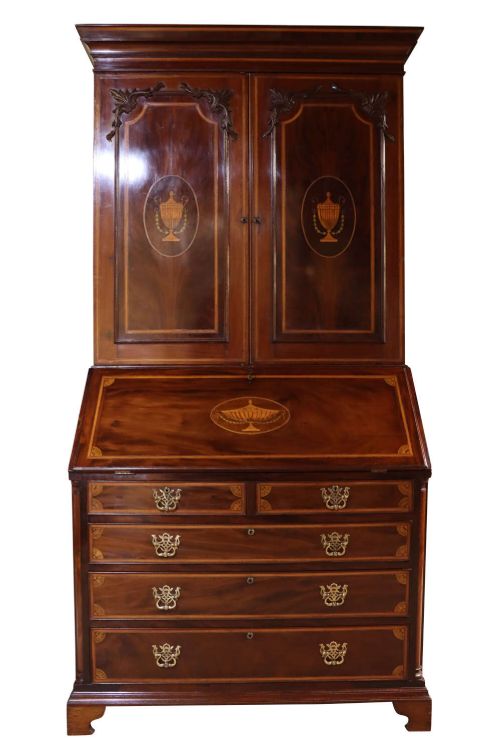
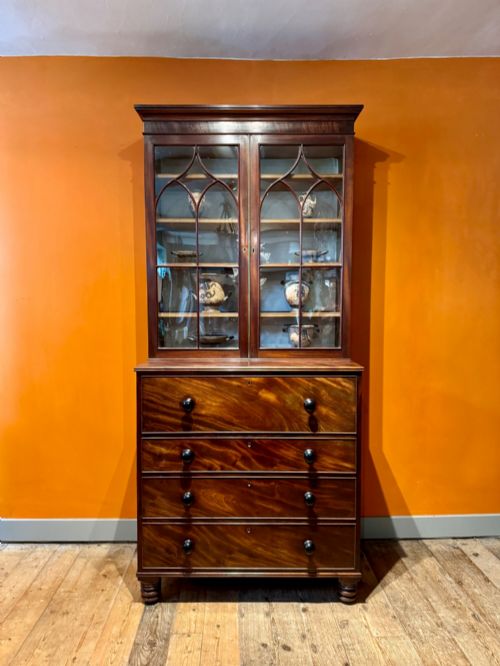
When searching for a brown wooden bookcase desk, buyers encounter forms such as bureau bookcases, secretaire bookcases, and cylinder roll top desks with integrated shelving. These dual-purpose pieces merge upper glass-fronted or open bookcase sections with lower writing desks, often featuring drop-down flaps or pull-out writing drawers.
The pieces listed span multiple historical periods, with Edwardian and Georgian examples appearing frequently alongside Regency, Victorian, William IV, and 17th-century pieces. Mahogany, oak, and walnut form the primary corpus, frequently enhanced with flame mahogany veneers, satinwood, and wood inlay.
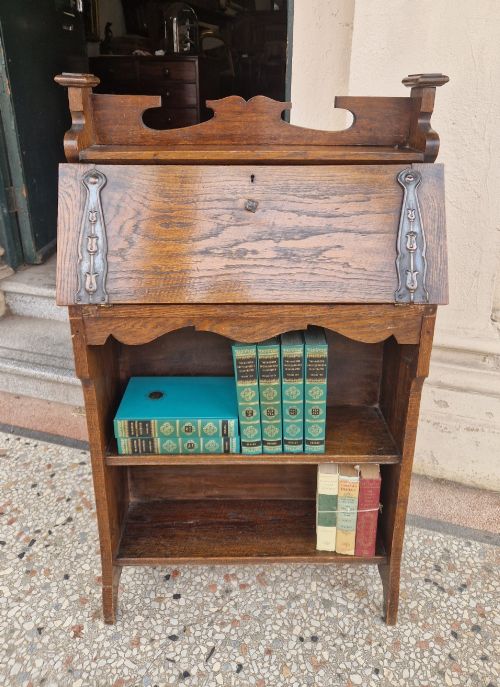
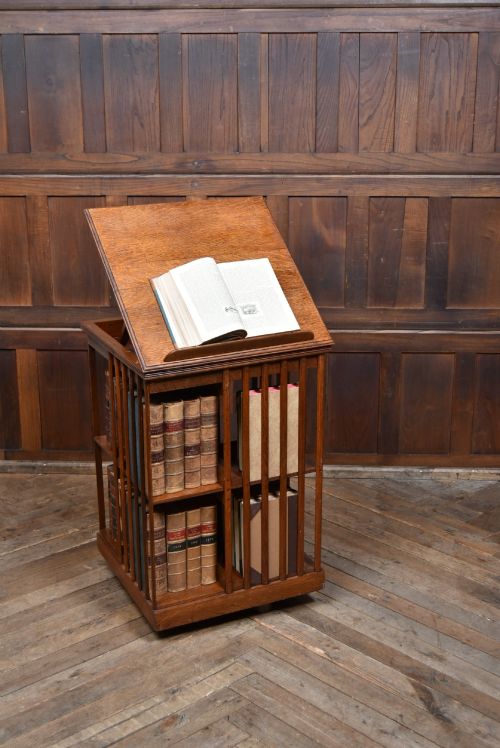
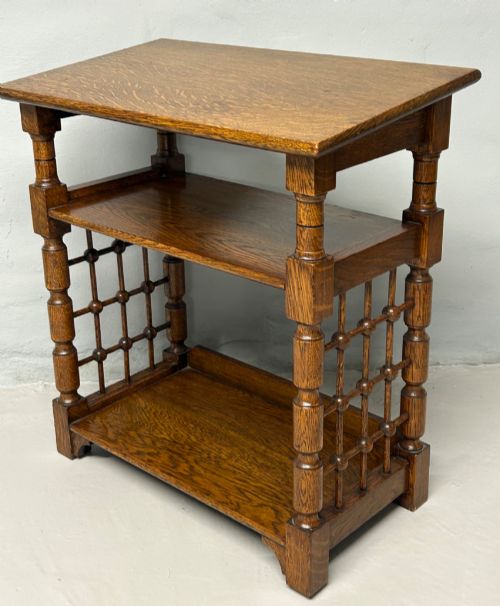
Buyers most commonly meet Edwardian and Georgian mahogany variants on this page, alongside Arts and Crafts oak bureaux and Regency secretaire cabinets. Alongside large cabinet pieces, the selection also includes smaller items like revolving bookcases, book stands, and desk tidy bookshelves.
How they were made
Joiners and cabinet makers utilised solid hardwoods including mahogany, oak, and walnut to construct the main carcases and shelving units of these pieces. Timber selection dictated durability, with dense grain and figured sections chosen for visible exterior surfaces.
Decorative detailing relied on fine techniques such as wood inlay, brass hardware, and flame mahogany veneering. Glass doors allowed for the display of bound volumes while protecting them from dust, while hinged or drop-front writing surfaces concealed fitted interior compartments and pigeonholes.
Listings feature mahogany, oak, and walnut woods across periods from the 17th century through the Edwardian era.
What varies in quality
The sophistication of the timber figure and inlay work distinguishes standard examples from superior pieces. Selection of figured flame mahogany or intricate satinwood stringing demonstrates higher craftsmanship in surface decoration.
The complexity of the interior fitting within the writing section also marks a difference in grade. Elaborate pigeonholes, small drawers, and secret compartments require greater skill from the cabinet maker than plain internal partitions.
Maple and Co
The Brown Wooden Bookcase Desk Glossary
- Secretaire bookcase
- A tall cabinet combining an upper bookshelf with a lower section containing a drop-front writing drawer. This design conceals fitted internal drawers and pigeonholes behind a writing flap.
- Bureau bookcase
- A piece featuring a sloping fall-front writing desk beneath an integrated bookcase. The writing flap rests upon pull-out bearers when opened.
- Flame mahogany
- A highly figured veneer cut from where branches join the main tree trunk. This wood grain creates a distinctive flickering flame pattern across drawer fronts and cabinet doors.
- Inlay
- A decorative technique where contrasting woods or materials like satinwood are fitted into recesses in the primary timber surface. This creates geometric borders or pictorial motifs.
- Cylinder roll top desk
- A desk featuring a curved wooden cylinder that slides back to reveal a writing surface and internal compartments. Some variants incorporate a glazed bookcase section above.
Brown Wooden Bookcase Desk: Frequently Asked Questions
How do I identify a Georgian bookcase desk?
Georgian bookcase desks typically feature dense mahogany timbers, classical proportions, and understated bracket feet or plinth bases. Many incorporate subtle wood inlay or stringing around the drawer fronts and glazed door frames.
Interior fittings in these pieces often include stepped pigeonholes and small secret compartments characteristic of 18th-century cabinet making. The glass doors on the upper bookcase section commonly feature individual wooden glazing bars forming geometric panes.
Where should I place a wooden bookcase desk?
These tall combination pieces require adequate wall space and suit studies, home libraries, or spacious living rooms. Positioning them away from direct sunlight and heat sources protects the timber veneers and prevents the wood from drying out.
Ensure there is sufficient clearance in front of the unit for drop-front writing flaps or pull-out drawers to open fully. Placing the piece on a level floor prevents the tall frame from warping over time.
How do I care for antique mahogany furniture?
Maintain antique mahogany surfaces by dusting regularly with a soft, dry cloth to prevent dirt accumulation. Avoid using silicone-based polishes or harsh chemical cleaners that can degrade the aged polish and finish.
Keep the room at a stable humidity level to prevent the solid woods and delicate veneers from cracking or lifting. Applying a traditional beeswax polish occasionally helps nourish the timber and maintain its natural lustre.