





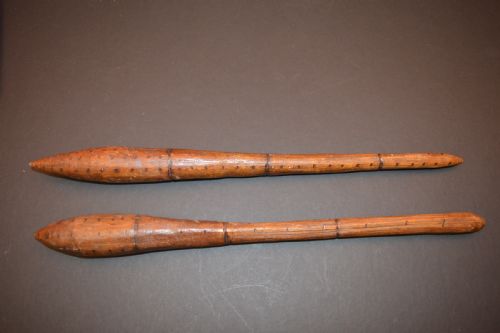
Brown Wooden Artifact
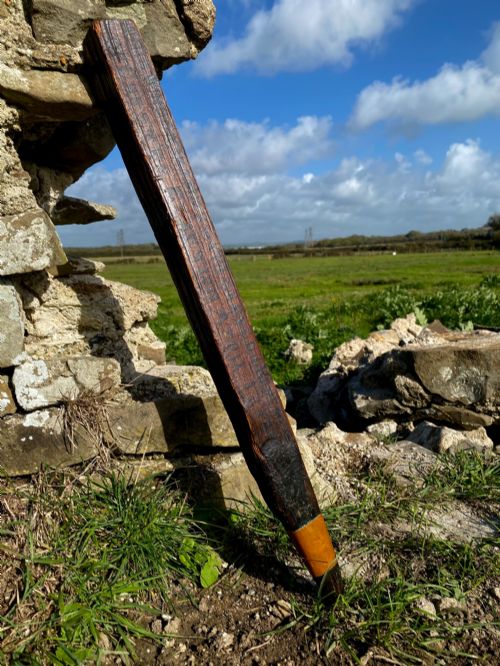
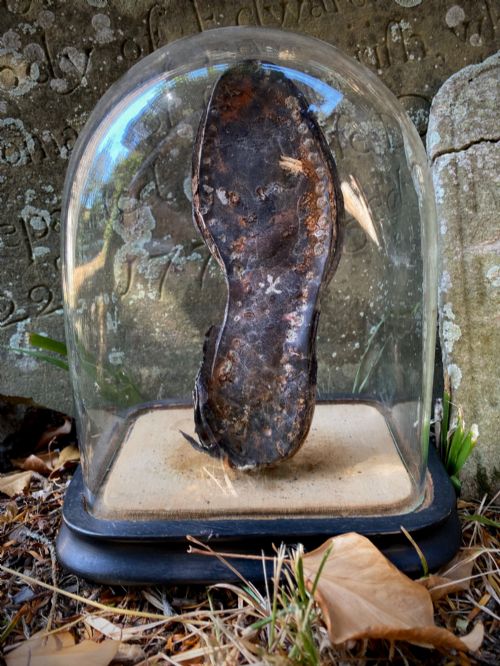
These brown wooden artefact pieces span centuries of global craftsmanship, offering collectors tactile fragments of tribal, maritime, and ritual history.
Brown Wooden Artifact
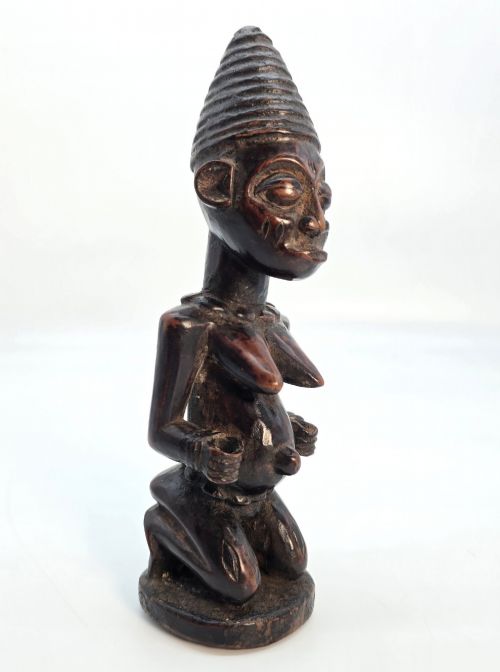
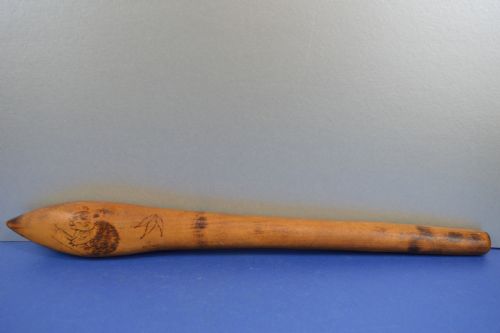
When you search for a brown wooden artefact, you encounter a diverse assortment of objects including indigenous clubs, tribal masks, religious sculptures, and utilitarian marine items. The selection ranges from nineteenth-century Oceanic and African pieces to eighteenth-century European carvings and ancient Egyptian vessels.
You are most likely to meet nineteenth-century ethnographic items such as throwing clubs and tribal masks alongside maritime equipment like single pulley blocks. Hardwood and carved wood dominate the inventory, reflecting functional and ritual uses across various global cultures.
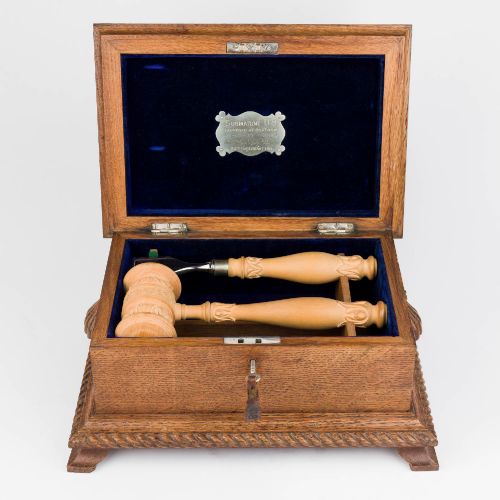
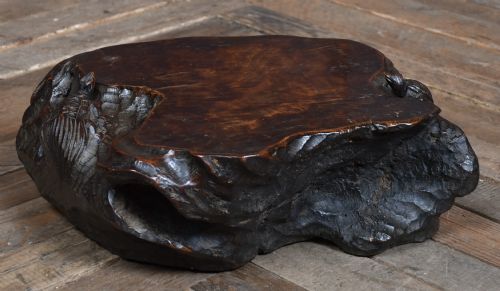
The forms extend from bonsai display stands and presentation boxes to large figurative sculptures like the Nandi bull and John the Baptist. Each item carries distinct cultural or utilitarian origins, bridging decorative arts and anthropological history.
How they were made
The construction relies primarily on native timbers and dense indigenous hardwoods, shaped through traditional hand-carving techniques. Makers utilised hand tools to chip, pare, and smooth the timber for ceremonial weapons, religious figures, and utilitarian objects.
Surface finishes vary from plain polished hardwood to detailed incised patterns, often enhanced with secondary materials such as velvet, silver plate, and steel components. These techniques highlight the natural grain of the wood while ensuring structural integrity for ritual or everyday deployment.
Brown Wooden Artifact Retail Price Guide 2026
Typical asking prices for brown wooden artifact among the pieces listed under this phrase on Sellingantiques today, from the lower quarter to the upper quarter. They describe what is for sale here now, not the wider market.
Listings feature items spanning from the sixteenth century up through the Edwardian era and the 1930s.
What varies in quality
Condition and original patination dictate the standing of an item, distinguishing deeply handled ritual objects from later or purely decorative reproductions. The fidelity of the original form, whether a Fijian war club or an eighteenth-century crucifix, anchors the standard.
The Brown Wooden Artifact Glossary
- Knobkerrie
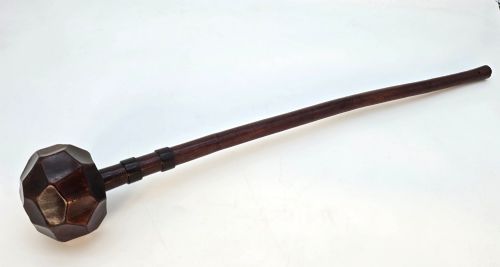
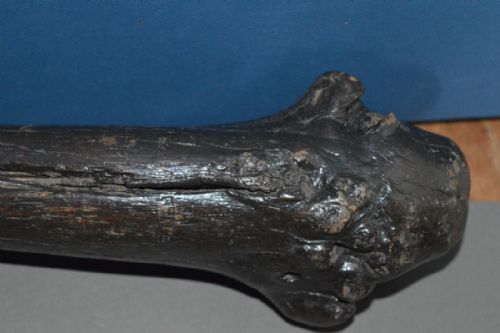
- A traditional African wooden club with a heavy knob at one end, utilised as a weapon or hunting tool. These implements display regional variations in head shape and shaft carving.
- Nulla-Nulla
- An Australian Aboriginal wooden club or throwing stick used for hunting and fighting. They are typically fashioned from dense indigenous hardwood with simple, effective lines.
- Pulley block
- A maritime wooden housing enclosing one or more sheaves used for hoisting rigging on ships. Elm was frequently chosen for these blocks due to its resistance to splitting.
- Kohl vessel
- An ancient container designed for holding cosmetic eye paint, accompanied by an applicator. Examples from early periods are carved from stone or wood for daily adornment.
Brown Wooden Artifact: Frequently Asked Questions
What is a knobkerrie used for?
A knobkerrie serves as a traditional African weapon, primarily utilised for throwing during hunting or close-quarter combat. Its distinct weighted end provides balanced momentum.
Over time, these clubs also evolved into status symbols or ceremonial objects within various communities, reflecting the rank and authority of the bearer.
How do I care for old wooden artifacts?
Keep wooden items away from direct sunlight and fluctuating humidity to prevent the timber from drying out, warping, or cracking. Gentle dusting with a dry, soft cloth is sufficient for routine maintenance.
Avoid applying modern polishes or oils unless specifically recommended by a conservator, as these can alter the historic surface patination and accumulated wear.
How can I tell the age of a tribal club?
Dating relies heavily on examining tool marks left by traditional hand implements, the density of the hardwood, and the depth of the handling patina. Wear patterns indicate genuine use rather than modern fabrication.
Comparative analysis with documented examples from specific regional cultures, such as nineteenth-century Oceanic or African traditions, helps establish a reliable timeline.
What wood types were commonly used?
Makers utilised dense indigenous hardwoods suited to the specific function of the artefact, whether for combat, ritual carving, or marine hardware. Elm was favoured for ship components due to its tough, split-resistant grain.
For ceremonial masks and figures, local tropical and temperate timbers were selected for their workability and ability to hold fine carved details over generations.