

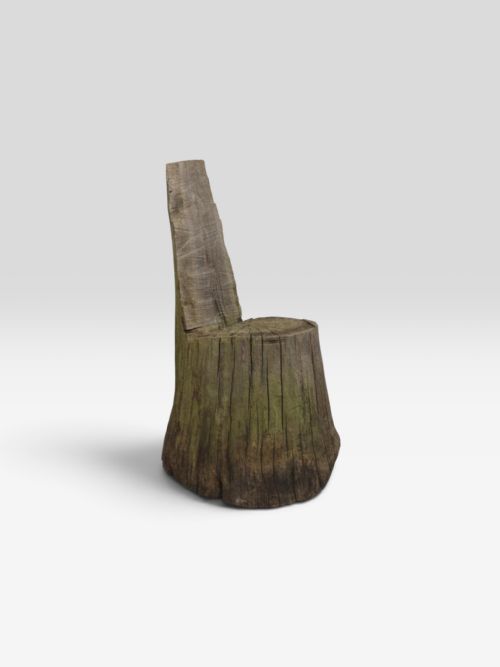
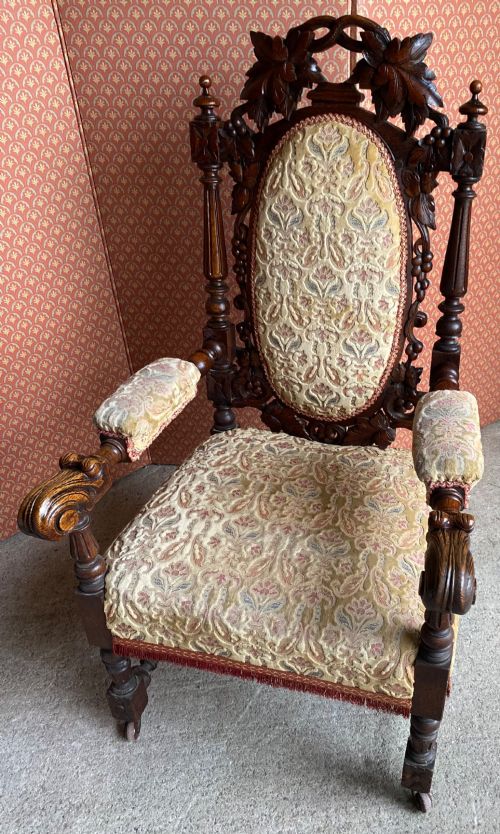
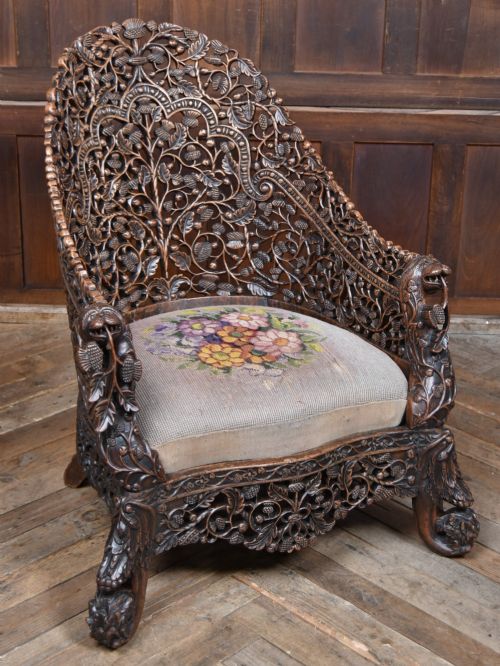
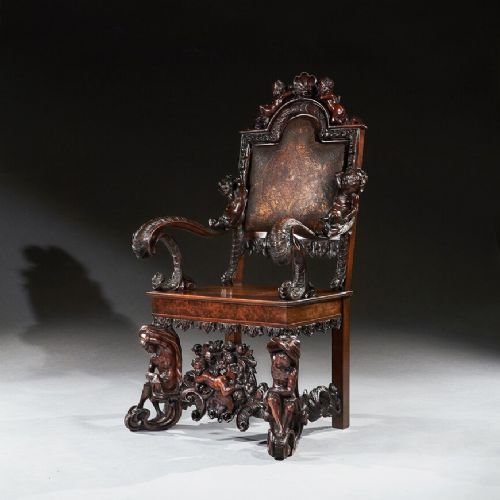
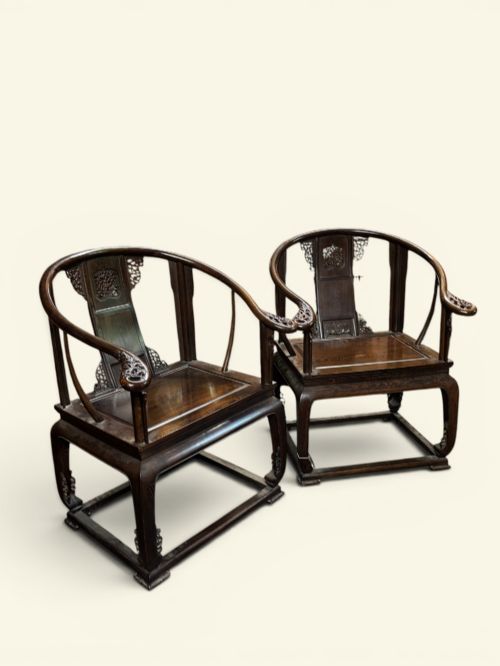
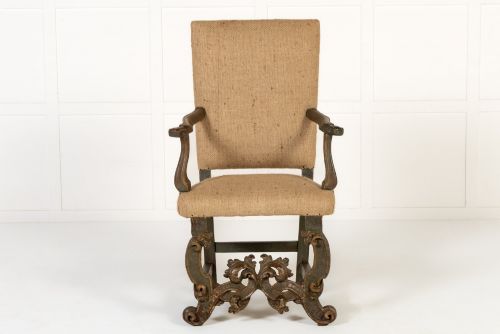
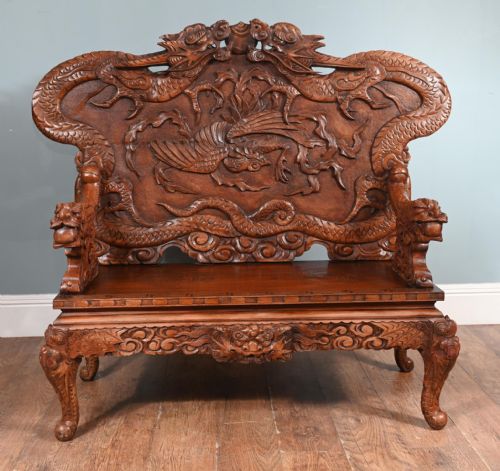
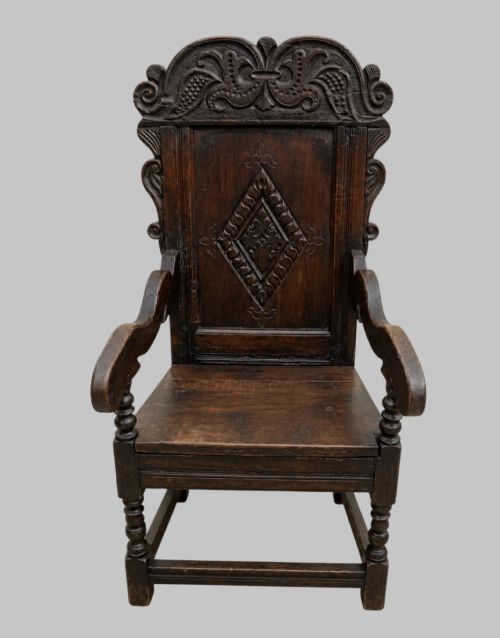




Brown Wood Throne Chair
A brown wood throne chair brings imposing presence and historic carved detail into a room, offering an assertive architectural seat with deep provenance.
Brown Wood Throne Chair
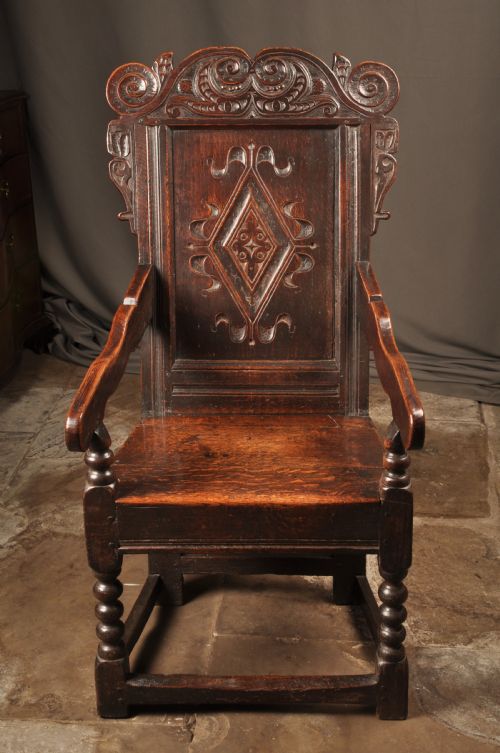
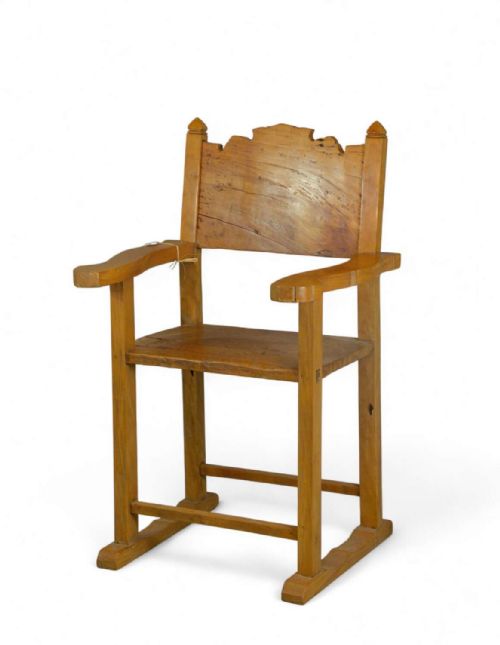
A brown wood throne chair encompasses heavy timber seating built with high backs, substantive arms and commanding proportions. When searching for a brown wood throne chair, buyers encounter diverse forms ranging from seventeenth-century wainscot construction to nineteenth-century revival interpretations.
The selections span distinct historical iterations, including Chinese horseshoe-back folding armchairs, Burmese temple seating, and heavily carved European revival armchairs. Oak and walnut form the backbone of these pieces, alongside regional hardwoods such as teak and elm.
Makers drew on Jacobean, Gothic Revival, and Baroque styles, producing monumental items designed to dominate an interior space. Regional vernaculars from Wales, Italy, and Asia further expand the variety seen within this category.
How they were made
Carpenters utilised solid timbers like oak, walnut, and regional hardwoods, constructing frames through mortise and tenon joints to support heavy carving. Surfaces often display deep relief work, showing intricate floral, animal, or geometric motifs carved directly into the dense grain.
Upholstered elements incorporate leather and fabric secured with brass fittings where specified by the design. Finish applications rely on traditional polishing techniques that accentuate the natural brown tones of the wood.
Brown Wood Throne Chair Retail Price Guide 2026
Typical asking prices for brown wood throne chair among the pieces listed under this phrase on Sellingantiques today, from the lower quarter to the upper quarter. They describe what is for sale here now, not the wider market.
Several items on offer present distinct avian themes, including a dedicated thistle design and multiple exuberant peacock armchairs.
What varies in quality
The depth and crispness of the hand carving separate standard production from exceptional examples. Relief work executed with sharp, confident chisel strokes demonstrates superior workshop capability compared to softer, shallower ornamentation.
The selection of timber and the integrity of the frame construction dictate structural longevity. Heavier, dense hardwoods and robust joinery indicate higher-grade manufacturing origins.
Andrea Brustolon
The Brown Wood Throne Chair Glossary
- Wainscot chair
- An early wooden armchair constructed primarily from panelled oak with a solid wooden seat. These heavy seats appeared frequently in seventeenth-century English domestic interiors.
- Horseshoe-back chair
- A form featuring a continuous curved crestrail sweeping down to form the armrests. This design originates in classical Chinese furniture traditions.
- Jacobean style
- An English design aesthetic prevalent during the seventeenth century, characterised by geometric panelling and strapwork. Revival versions appeared across the nineteenth century.
- Glastonbury chair
- A type of folding armchair with X-shaped underframing and a sloping panel back. Traditional examples date back to ecclesiastical English furniture.
- Cinnabar lacquer
- A decorative surface treatment built from multiple layers of carved red resin over a wooden core. This technique appears on specific Asian decorative pieces.
Brown Wood Throne Chair: Frequently Asked Questions
What is a wainscot chair?
A wainscot chair is an early wooden armchair built with panelled construction and a solid timber seat. These pieces originated in the seventeenth century and relied on sturdy frame carpentry.
They provide a formal, upright seating posture quite distinct from later upholstered armchairs. Their presence anchors a room with historic architectural character.
How do I identify a revival chair?
Revival chairs copy earlier historical styles such as Jacobean or Gothic while utilising nineteenth-century manufacturing methods. Close inspection of tool marks and timber seasoning helps determine the true manufacturing period.
Makers in the eighteen-hundreds frequently adopted seventeenth-century motifs to satisfy Victorian demand for historicist interior design.
Where were horseshoe-back chairs made?
Horseshoe-back chairs are traditional forms originating in China, constructed from hardwoods such as elm or varied native species. Their defining feature is the curved upper rail that supports the arms.
Export and travel during the nineteenth century brought these distinctive folding and rigid seat designs into Western collections.
How do I style a throne chair?
A throne chair demands open floor space and functions effectively as a focal point in a study, hallway, or living room. Its imposing height and carved back work best away from clutter.
Pairing the piece with neutral surroundings allows the historic timber grain and intricate carving details to remain visually prominent.