

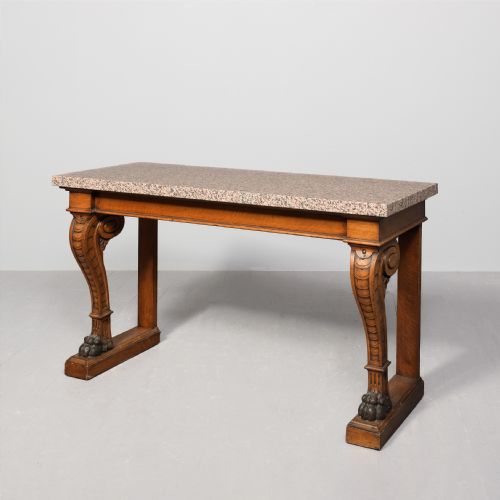


Scottish Carved Oak Furniture
Scottish carved oak furniture brings heavy timber and regional craft into the hall, library or dining room.
Scottish Carved Oak Furniture
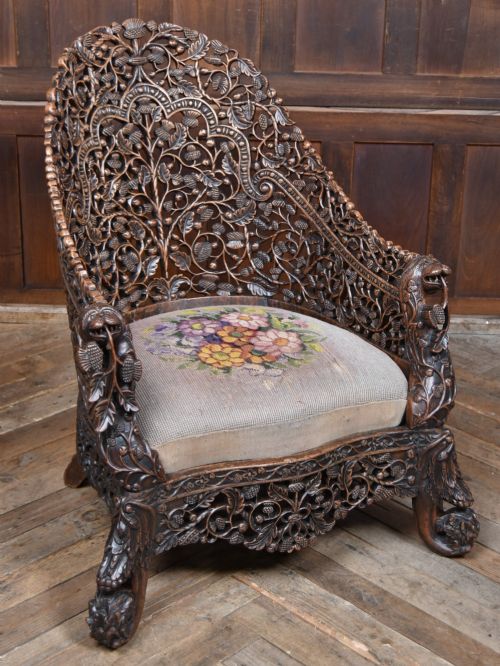
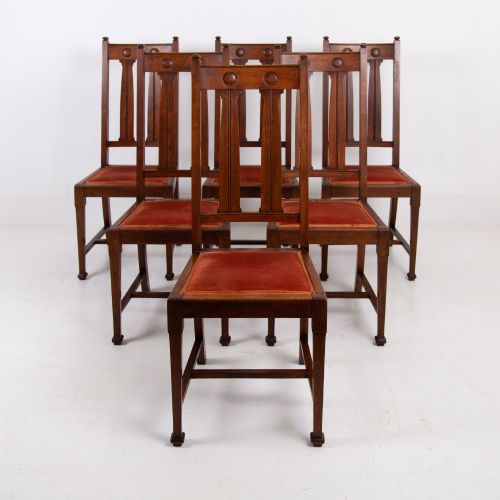
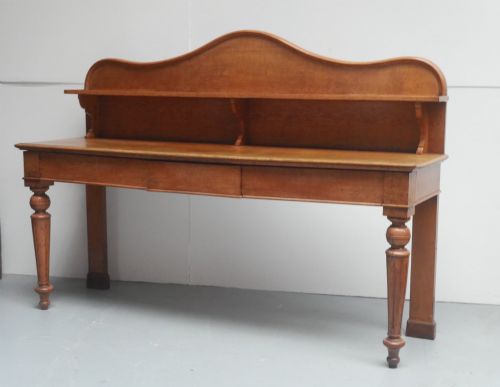
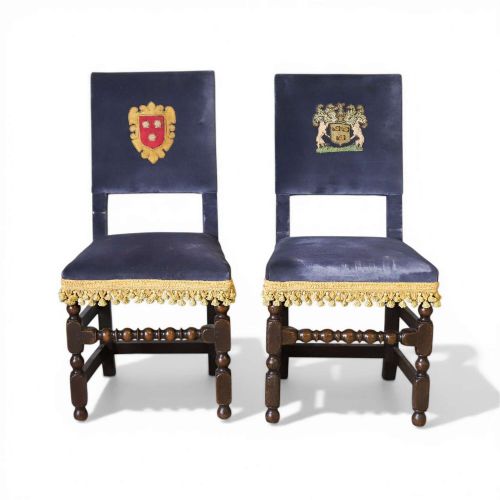
Scottish carved oak furniture encompasses seating, tables and storage pieces built from sturdy native timber and shaped by local cabinetmakers over several centuries. When you search for scottish carved oak furniture, you encounter robust dining chairs, armorial armchairs and heavy sideboards drawn from periods spanning the seventeenth century to the twentieth.
The selection ranges from vernacular country pieces and Victorian baronial settles to refined Arts and Crafts seating and grand Regency cabinets. Dining chairs, hall benches and serving tables dominate the forms, frequently embellished with heraldic motifs, carved thistles and regional mottos.
Makers such as Alexander McKenzie and Wylie Lockhead represent the high Victorian and modernist interpretations of this heavy oak tradition. Whether you find a seventeenth-century clan chair or a twentieth-century refectory table designed by Sir Robert Lorimer, the material remains resolutely solid oak.
Quality and Distinction
Quality rests in the crispness of the carved detail, from heraldic crests and thistles to the precision of pokerwork inscriptions. Pieces displaying named maker attribution or documented provenance command distinct attention over anonymous vernacular items.
The integration of mixed media, such as granite inserts or specialised metal inlay, elevates certain console tables and cabinets above standard utility forms. Structural integrity in heavy oak frames and the retention of original upholstery fabrics also dictate the standing of individual pieces.
Scottish Carved Oak Furniture Retail Price Guide 2026
Typical asking prices for scottish carved oak furniture among the pieces listed under this phrase on Sellingantiques today, from the lower quarter to the upper quarter. They describe what is for sale here now, not the wider market.
Materials extend beyond plain oak to incorporate granite inserts, metallic fringe, and pokerwork inscriptions on native timber.
Alexander McKenzie of Glasgow·Wylie Lockhead Manufacturers·Sir Robert Lorimer·Whytock & Reid·William Trotter
The Scottish Carved Oak Furniture Glossary
- Armorial chair
- A seat featuring carved heraldic crests or coats of arms, often associated with specific clans or historic families. These pieces emphasise lineage and status within grand reception halls.
- Pokerwork
- A decorative technique using heated metal tools to burn designs directly into the wooden surface. It appears on regional items like stools to render mottoes and detailed illustrations.
- Refectory table
- A long, sturdy dining table traditionally used in communal halls and dining rooms. They feature heavy oak construction and robust underframing designed for daily use.
- Baronial settle
- A high-backed wooden bench with solid sides intended to block draughts in large entrance halls. Victorian interpretations exaggerate this medieval form with deep relief carving.
- Demi lune
- A half-moon shape applied to console tables and hall stands designed to sit flush against a wall. This profile saves floor space in narrow corridors while providing a display surface.
Scottish Carved Oak Furniture: Frequently Asked Questions
What defines Scottish carved oak furniture?
These pieces combine dense native oak timber with deep regional carving, often featuring heraldic motifs, thistle designs, and local mottos. The forms range from vernacular country benches to grand Victorian baronial sideboards and refined Arts and Crafts dining sets.
Makers and designers across different eras utilised traditional joinery to build heavy, durable tables, chairs, and hall stands intended for prominent display in reception spaces.
How were armorial clan chairs used?
Armorial clan chairs served as prominent seating in great halls, dining rooms, and libraries, marking family lineage and historic allegiances. Their carved heraldic crests communicated identity and status to visitors upon entry.
Built from solid oak with velvet upholstery, they were designed for permanence and visual impact rather than casual lounging.
Where should I place a hall stand?
Antique hall stands and demi lune console tables fit naturally into entrance halls, boot rooms, and wide corridors where guests first arrive. They provide practical spots for walking sticks, umbrellas, and hats while anchoring the room with dark oak.
Pairing a granite-topped console with nearby reception seats creates a balanced, functional greeting space.
How do I care for antique oak?
Protect heavy oak surfaces by keeping them away from direct heat sources and dramatic humidity swings that can cause the dense timber to split. Regular dusting with a dry cloth maintains the finish without building up heavy wax residues.
Upholstered elements like velvet and tapestry require gentle brushing and professional cleaning to preserve the fabric against the rigid wooden frames.