

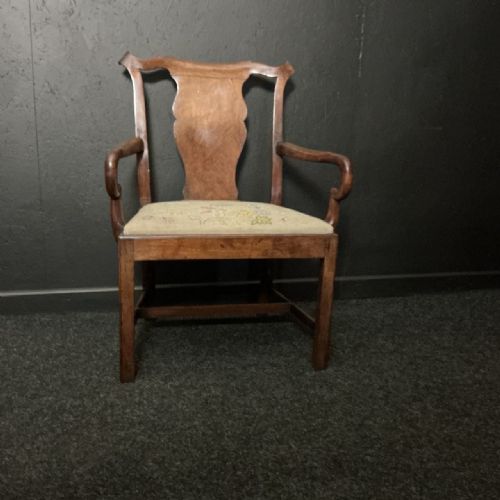
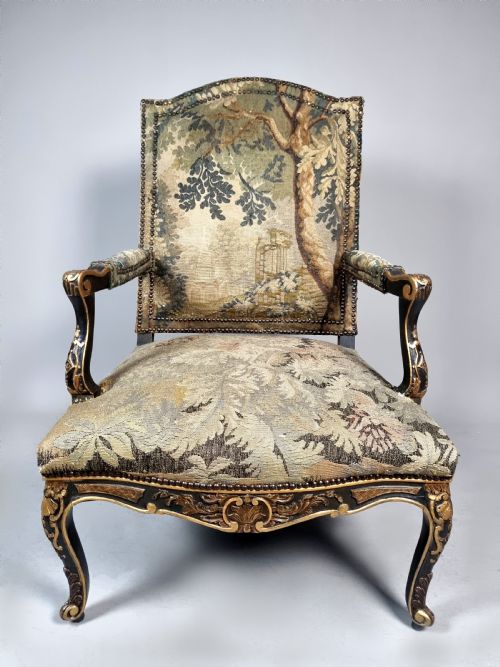
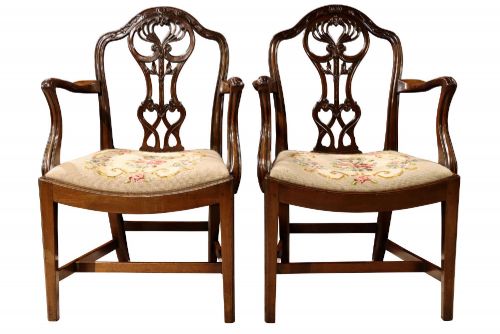


Needlepoint Carved Armchair
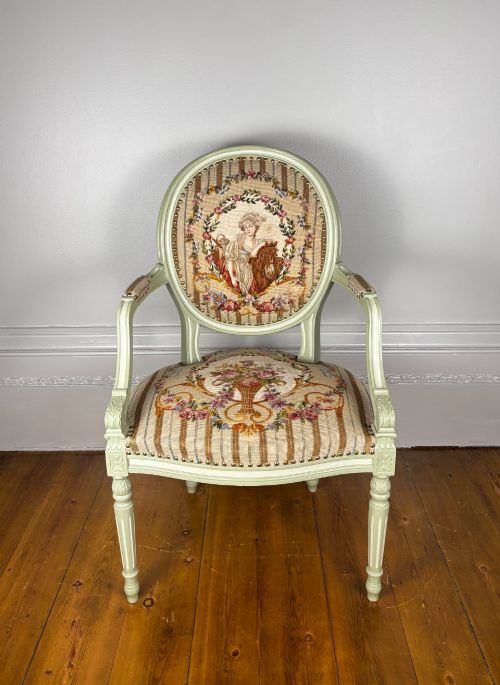
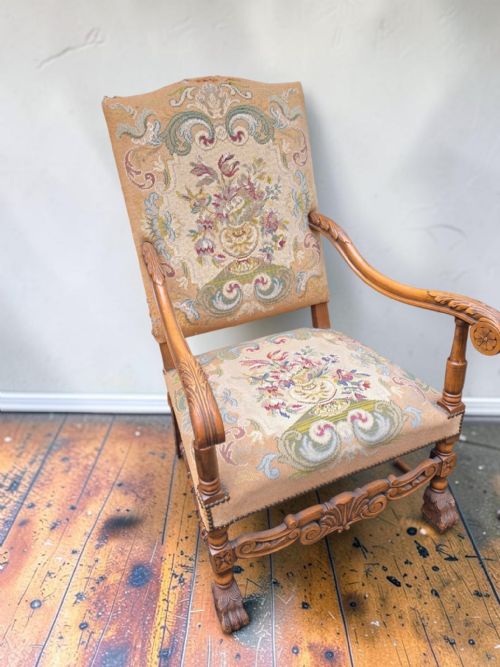
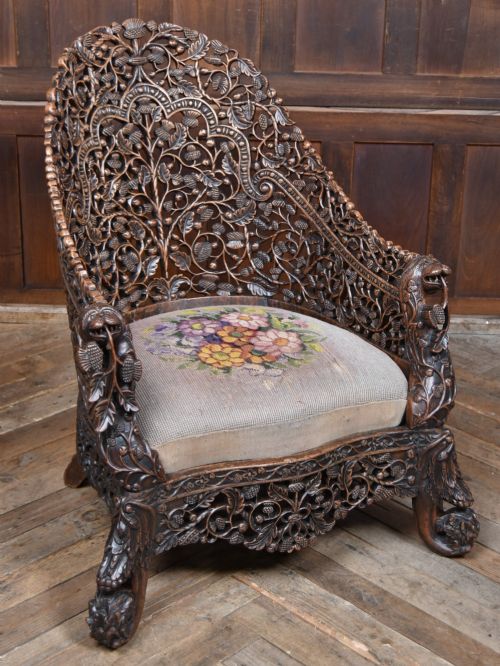
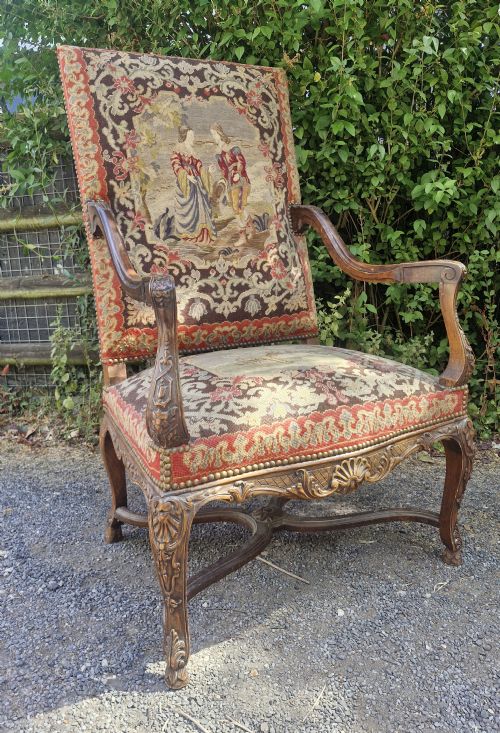
A needlepoint carved armchair brings together sturdy timber frames and detailed stitchwork, offering both structural support and rich texture for a traditional interior.
Needlepoint Carved Armchair
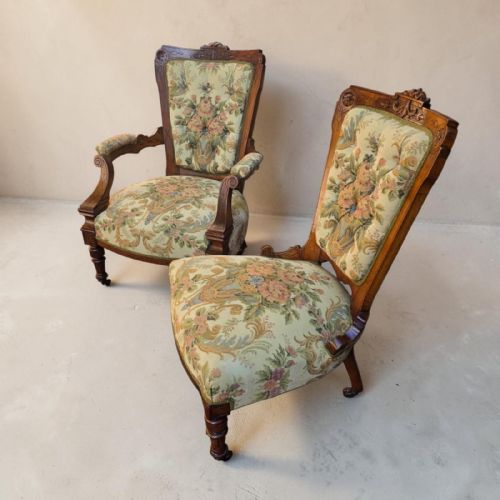
When searching for a needlepoint carved armchair, buyers encounter seating designed for parlours, salons, and drawing rooms across several centuries. The selections span compact nursing chairs, elbow chairs, and large open armchairs meant for firesides or studies.
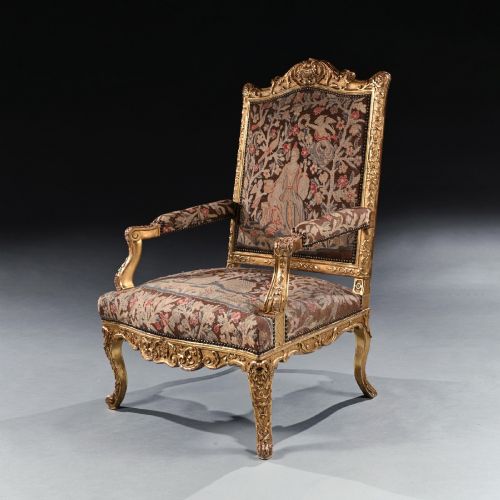
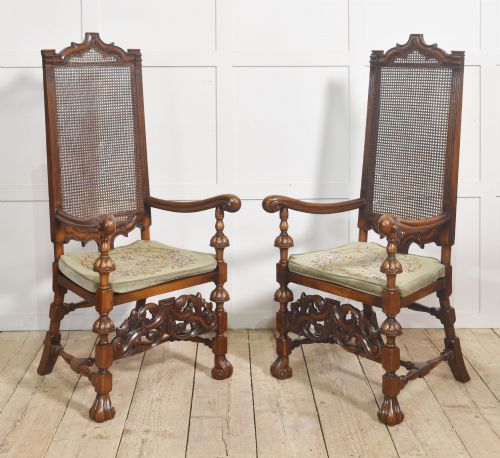
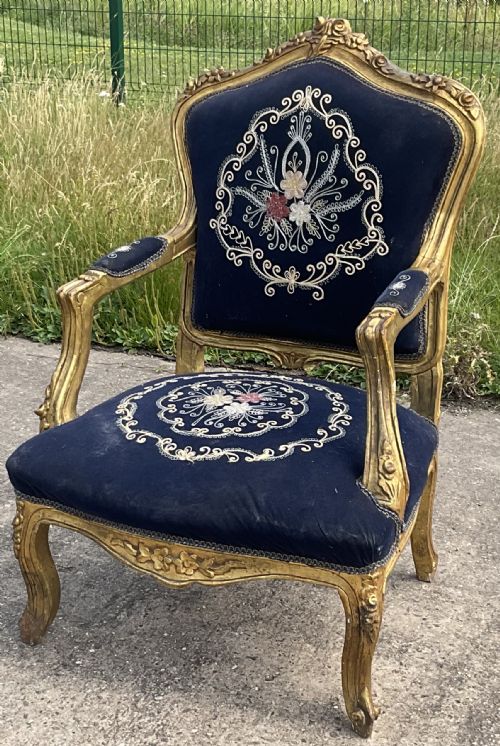
The majority of pieces on this page emerge from the nineteenth century, including Victorian interpretations and revival styles, alongside eighteenth-century Georgian and Regency examples. Walnut and mahogany frames predominate, frequently accompanied by oak, beech, and giltwood.
Upholstery takes the form of needlepoint, tapestry panels, wool, and petit point textiles. These coverings display floral, figurative, or armorial motifs hand-stitched onto canvas foundations.
What separates the grades
Quality rests in the crispness and depth of the timber carving, where sharp relief work on arms, knees, and crest rails distinguishes skilled joinery from softer production. The density and complexity of the needlepoint stitches also dictate value, with fine petit point work showing greater pictorial detail.
Proportion and structural integrity define the higher tiers, ensuring the chair retains its original balance without reinforcement. Original upholstery and period-matched frames command closer attention from collectors seeking uncompromised pieces.
Needlepoint Carved Armchair Retail Price Guide 2026
Typical asking prices for needlepoint carved armchair among the pieces listed under this phrase on Sellingantiques today, from the lower quarter to the upper quarter. They describe what is for sale here now, not the wider market.
Listings feature walnut and mahogany predominantly, alongside Victorian and Georgian periods.
Warings·Holland & Sons·Robert Strahan Dublin
The Needlepoint Carved Armchair Glossary
- Needlepoint
- A form of counted thread embroidery stitched onto an open weave canvas foundation. It provides durable surface decoration for seat pads and back panels.
- Giltwood
- Timber coated with a thin layer of gold leaf over a prepared gesso ground. It appears frequently on formal French and revival armchairs.
- Elbow chair
- A seating form featuring supportive arms, often used at desks or as part of dining sets. These pieces provide compact comfort compared to larger open armchairs.
Needlepoint Carved Armchair: Frequently Asked Questions
How do I date a carved wooden armchair?
Dating relies on timber choice, tool marks left by joiners, and stylistic shifts in the carved motifs. Eighteenth-century models often show dense mahogany or walnut with hand-cut joinery, while nineteenth-century revival pieces incorporate machine tooling alongside period-inspired carvings.
Secondary woods and upholstery webbing also offer clues to the era of manufacture. Examining the construction underneath the seat provides reliable indicators of age.
How should I care for needlepoint upholstery?
Needlepoint requires gentle handling to protect wool fibres from friction and direct sunlight. Regular light vacuuming through a mesh screen removes surface dust without pulling the stitches.
Keep these chairs away from heat sources and damp environments to preserve the wooden frames and textile foundations. Professional textile conservators should handle deep cleaning.
Were these chairs used for dining or lounging?
Usage depends on the specific form, as armchairs, elbow chairs, and salon seats served different domestic functions. Smaller armchairs often worked as nursing chairs or occasional seating in bedrooms and morning rooms.
Larger open armchairs and Gainsborough chairs stood beside fireplaces or in libraries for reading and writing. Dining chairs with arms were typically reserved for the head of the table.
What is the difference between tapestry and needlepoint?
Needlepoint is worked by stitching yarn through a stiff canvas grid, creating a dense pattern of uniform stitches. Tapestry often refers to woven textiles produced on a loom, though the terms are sometimes used interchangeably in historic listings.
On these chairs, the panels are almost exclusively embroidered needlepoint rather than woven wall tapestry. The stitchwork provides a durable covering designed specifically for furniture.